Artwork
東都名所 芝増上寺雪中ノ図|Zojoji Temple at Shiba in Snow
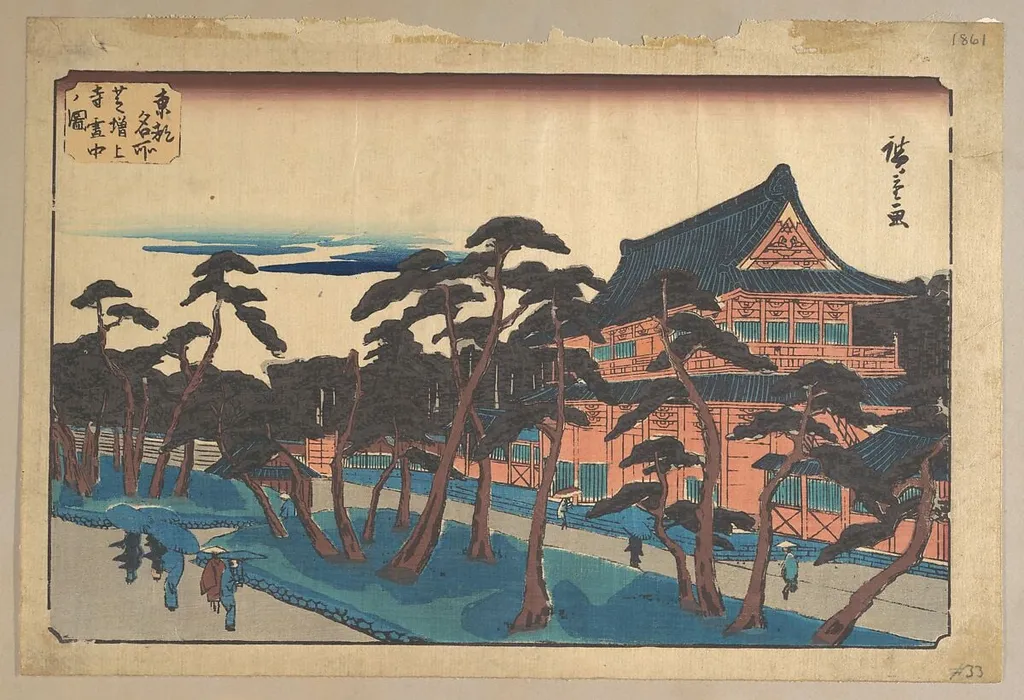
東都名所 芝増上寺雪中ノ図|Zojoji Temple at Shiba in Snow is an ink print by the Romanticist artist Utagawa Hiroshige. It dates from 1828 and is held in the collection of the Metropolitan Museum of Art.
About this work
Overview
Utagawa Hiroshige’s woodblock print, created in 1828, captures a winter view of Zojoji Temple in the Shiba district of Edo, now Tokyo. The composition presents a snow‑laden landscape with the temple’s dark roof and light walls set against a muted sky, while figures traverse a path in the foreground, some sheltering themselves with umbrellas.
Subject & Meaning
The image portrays a quiet seasonal moment, emphasizing the temple’s architectural presence amid a snow‑covered environment. The sparse, leafless trees and the subdued activity of passersby convey a sense of calm and the contemplative atmosphere of winter in the city’s sacred space.
Technique & Style
Executed as a traditional ukiyo‑e woodblock print, Hiroshige employed ink and color on paper to render delicate tonal variations. The limited palette of grays, whites, and earthy browns, combined with fine line work, delineates the architectural forms and the soft texture of falling snow, reflecting the artist’s mastery of landscape composition.
History & Provenance
Hiroshige, born Andō Tokutarō in 1797, was a leading figure of the late ukiyo‑e movement, which focused on everyday scenes and travel vistas. This print forms part of his broader series of landscape works that diverged from the genre’s usual depictions of urban entertainment, marking his contribution to the tradition shortly before its decline in the mid‑19th century.
Artist & collection
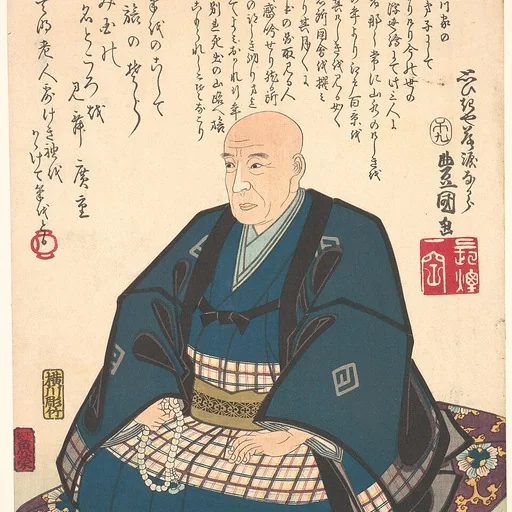
Artist
Utagawa Hiroshige (歌川 広重) or Andō Hiroshige (安藤 広重), born Andō Tokutarō (安藤 徳太郎; 1797 – 12 October 1858), was a Japanese ukiyo-e artist, considered the last great master of that tradition.

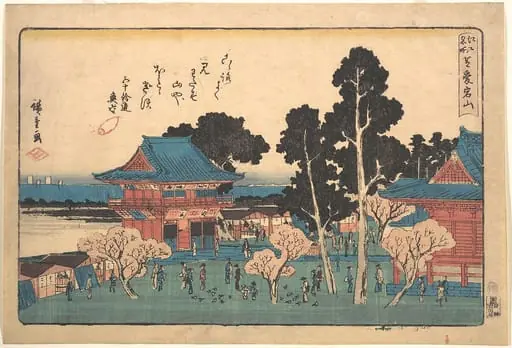 江戸名所 芝愛宕山|Shiba Atogayama
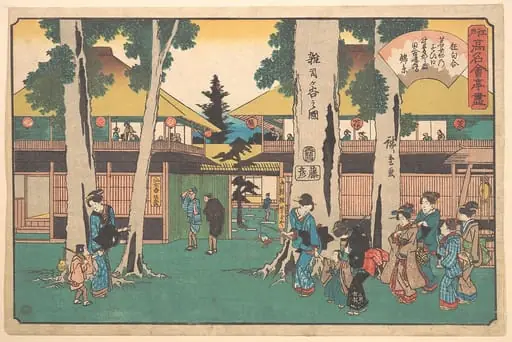 江戸高名会亭尽 雑司ヶ谷の図 茗荷屋|Zoshigaya no Zu (Myoga-ya)
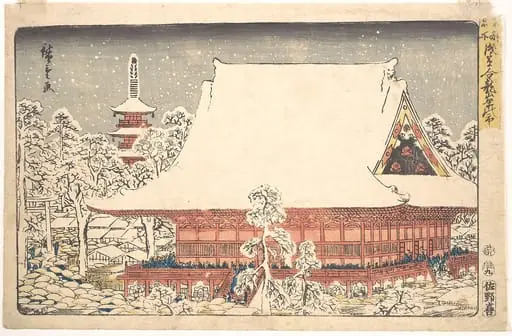 東都名所 浅草金龍山年の市|Asakusa Kinryusan Toshi no Ichi
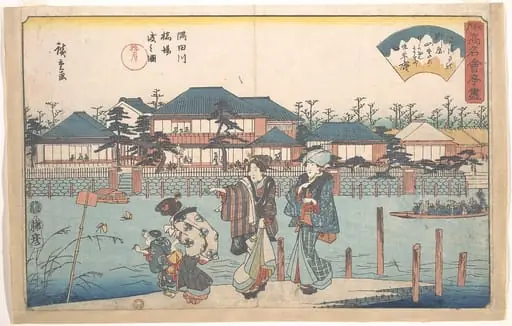 江戸高名会亭尽 隅田川橋場渡之図 柳屋|Sumidagawa Hashiba Watashi Zu (Yanagiya)
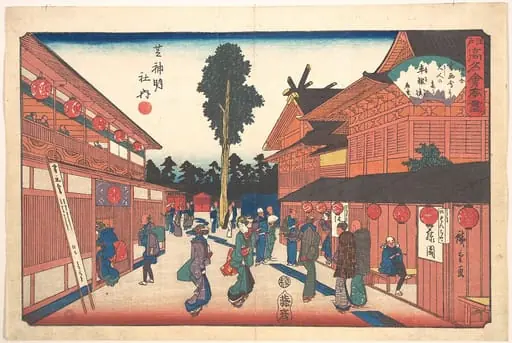 江戸高名会亭尽 芝神明社内 車轍楼|Shiba Shinmeisha Uchi (Shatetsu-ro)
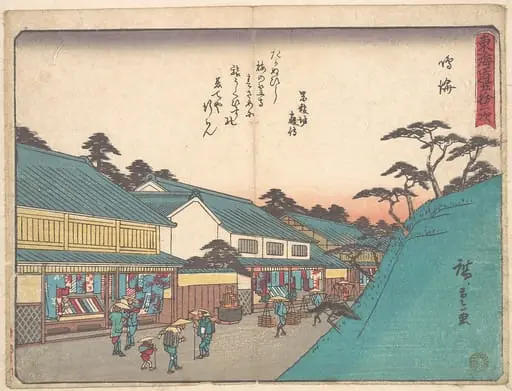 東海道五十三次 鳴海|Narumi
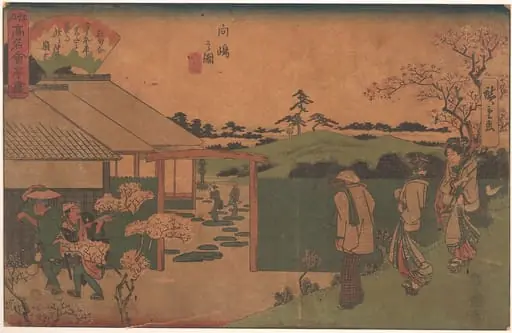 江戸高名会亭尽 向島の図 平岩|Mukojima no Zu (Hira-Iwa)
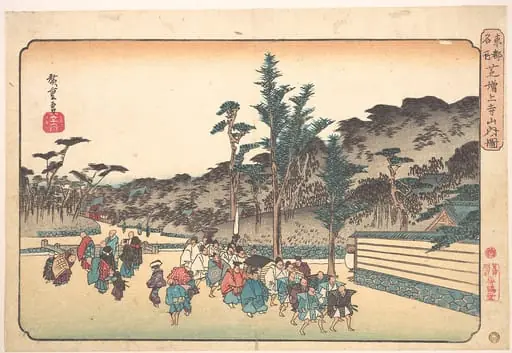 東都名所 芝増上寺山内の図|Shiba Zōjōji Sannai no Zu