Artwork
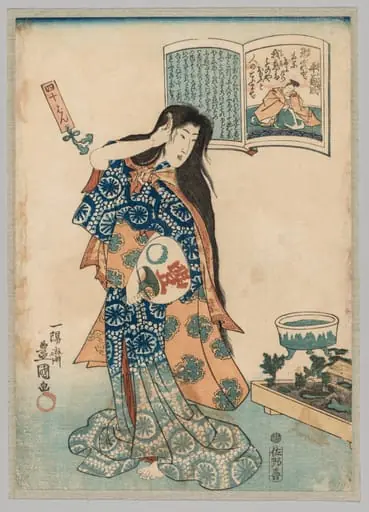
Harumichi no Tsuraki from the series A Pictorial Commentary on One Hundred Poems by One Hundred Poets, no. 31
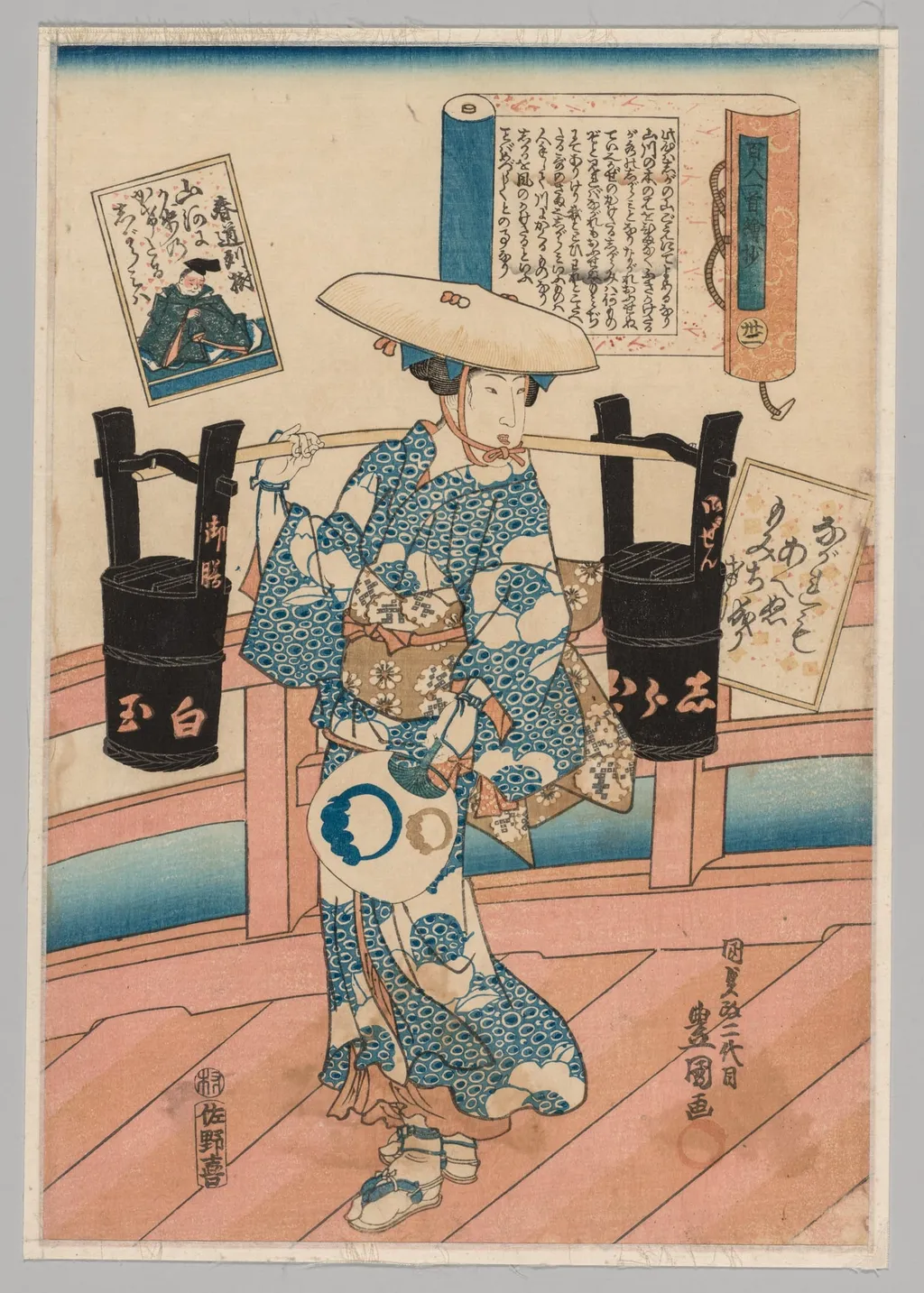
Harumichi no Tsuraki from the series A Pictorial Commentary on One Hundred Poems by One Hundred Poets, no. 31 is a print by the Romanticist artist Utagawa Kunisada. It dates from 1846 and is held in the collection of the Cleveland Museum of Art.
About this work
Overview
The work is part of the collection at The Cleveland Museum of Art, where it represents the late Edo period’s fusion of literary and pictorial culture.
Created in 1846 by Utagawa Kunisada, this woodblock print is the thirty-first installment in the series A Pictorial Commentary on One Hundred Poems by One Hundred Poets. It depicts a solitary female figure in a serene setting, aligning with the tradition of illustrating classical waka poetry through visual narrative. The work is part of the collection at The Cleveland Museum of Art, where it represents the late Edo period’s fusion of literary and pictorial culture.
Subject & Meaning
The figure is interpreted as Harumichi no Tsuraki, a Heian-era poetess known for her refined verse. Her poised stance, holding a parasol and staff, suggests a moment of quiet reflection, evoking the contemplative tone of her poem. The background image of a man in green may allude to a poetic exchange or memory, reinforcing the theme of longing and transience central to classical Japanese poetry.
Technique & Style
Kunisada employed fine linework and restrained color to convey stillness. The woman’s blue kimono, patterned with white circles, contrasts with the muted background, drawing focus to her form. The flat planes of the wall and sky, along with the stylized calligraphic panels, reflect ukiyo-e conventions. Delicate shading and minimal detail in the environment enhance the meditative atmosphere without narrative clutter.
History & Provenance
Produced during the late Edo period, this print was part of a widely circulated series that paired poetry with imagery for educated audiences. It entered The Cleveland Museum of Art’s collection through established acquisition channels, likely in the early 20th century, as interest in Japanese prints grew among Western collectors. Its preservation reflects its status as a representative example of mid-19th-century commercial printmaking.
Context
The series emerged during a time when classical poetry was being reimagined for urban audiences through accessible visual media. Kunisada, a leading ukiyo-e artist, adapted literary themes to appeal to both literati and common patrons. The inclusion of calligraphic panels and poetic references catered to viewers familiar with the Hyakunin Isshu anthology, reinforcing cultural literacy through art.
Legacy
This print exemplifies how Edo-period artists sustained classical traditions by integrating them into popular visual forms. While Kunisada’s commercial output often emphasized kabuki actors, this series demonstrates his versatility in interpreting literary subjects with subtlety. Today, it remains a reference point for scholars studying the intersection of poetry, print culture, and gender representation in Japanese art.
Artist & collection
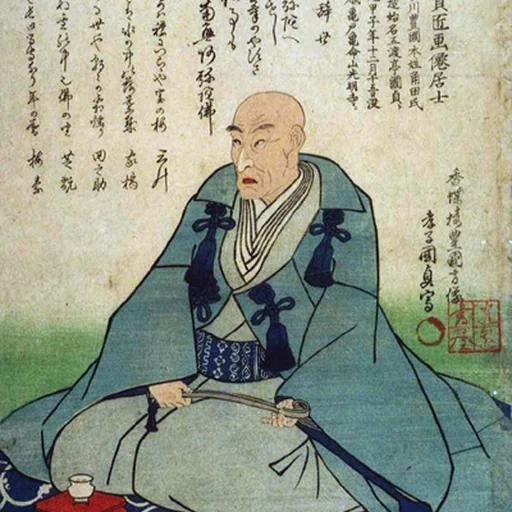

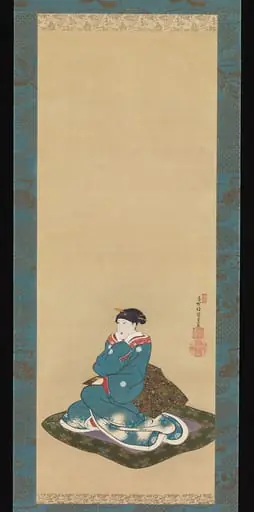 二代目岩井粂三郎の肖像|Portrait of Iwai Kumesaburō II
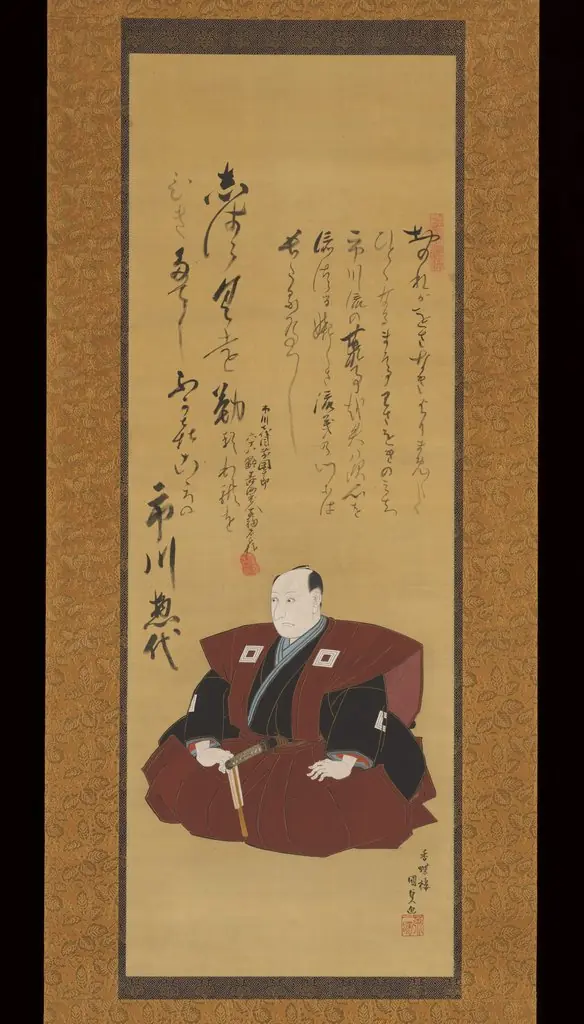 Memorial Portrait of the Actor Ichikawa Ōmezō I
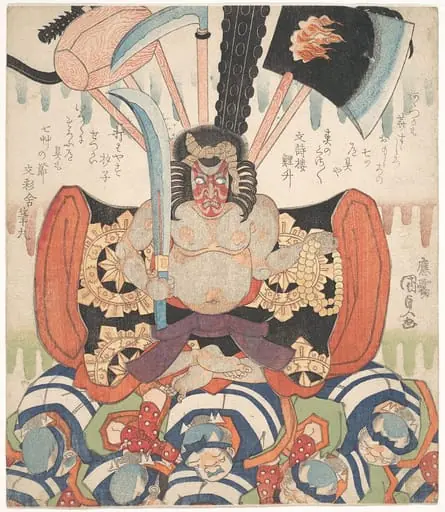 Untitled
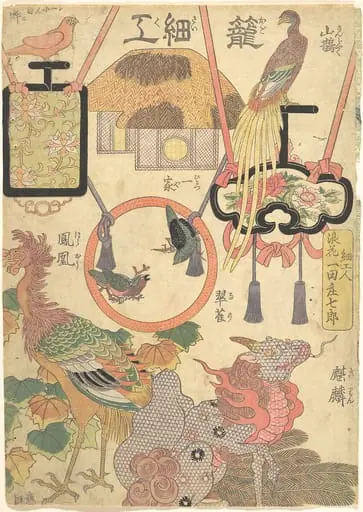 「籠細工 浪花細工人一田庄七郎」|Basketry Work: By the Craftsman Ichida Shōshichirō of Naniwa (Kagosaiku Naniwa saikujin Ichida Shōshichirō)
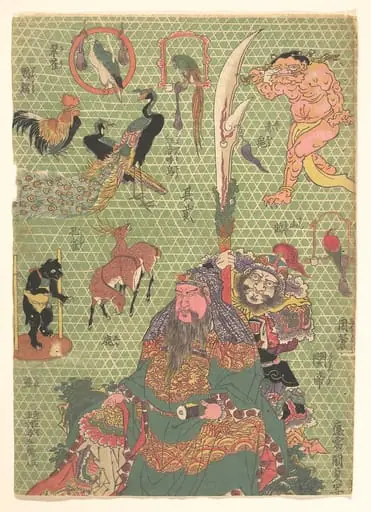 歌川国貞画 「籠細工 浪花細工人 一田庄七郎」|Basketry Work: By the Craftsman Ichida Shōshichirō of Naniwa (Kagozaiku Naniwa saikunin Ichida Shōshichirō)
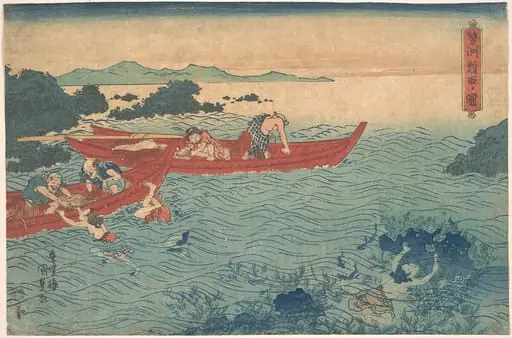 Untitled
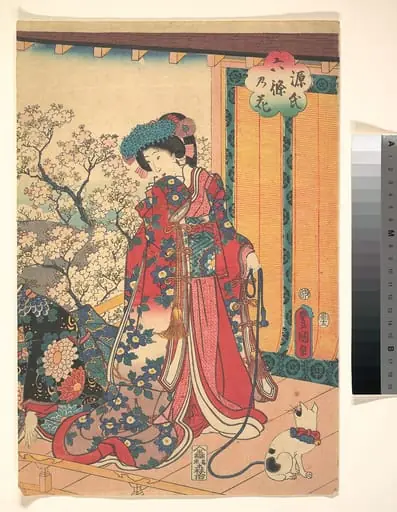 Untitled
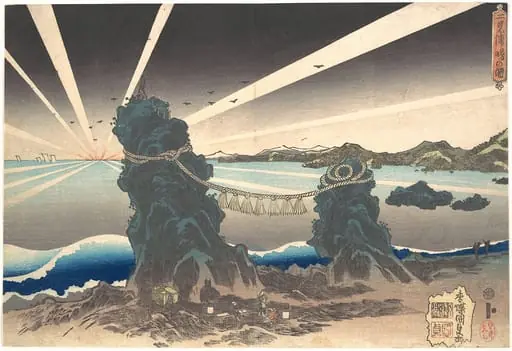 Futami-ga-ura akebono-no kuni|Futami-ga-ura Rocks at Ise, Land of Dawn
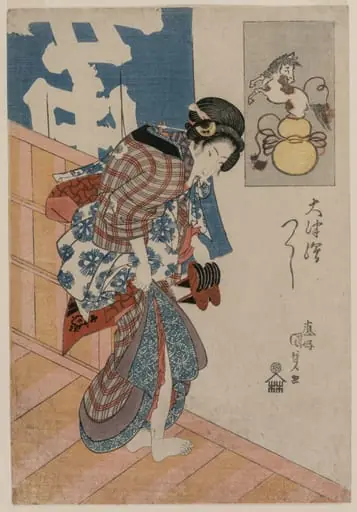 Woman Leaving a Bath House (from the series Pictures from Otsu)
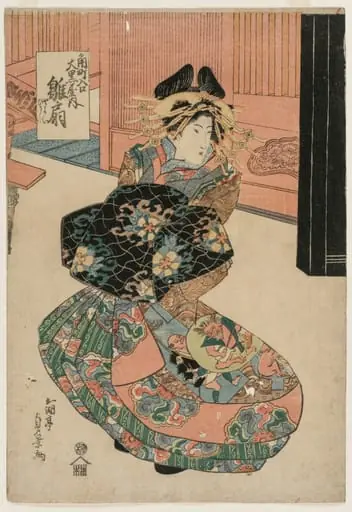 The Courtesan Hinaogi of the Daikokuya at the Entrance of Kadomachi
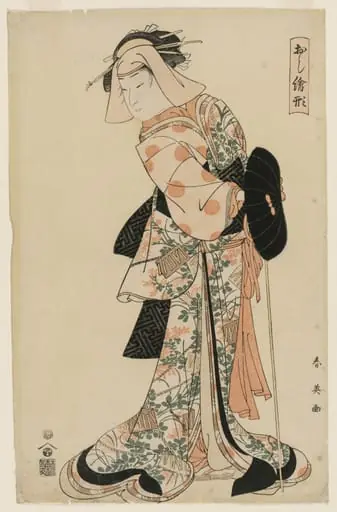 Dancer as Kuzunoha, Fox Spirit Disguised as a Woman
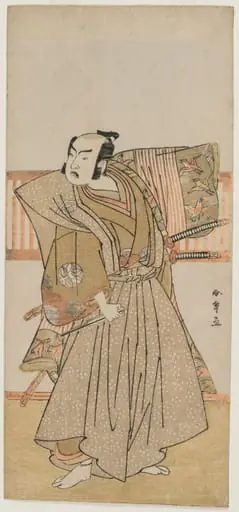 Ichimura Uzaemon IX as Soga no Juro
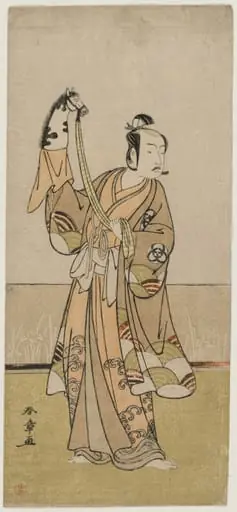 Bando Hikosaburo III Holding a Hand Pupper
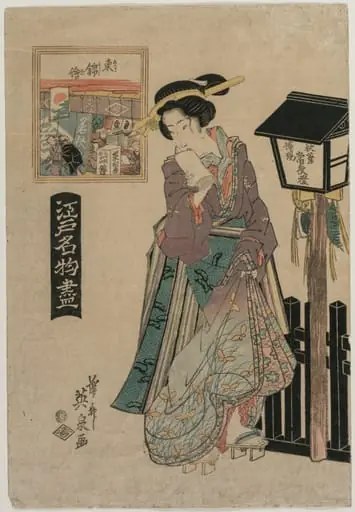 Pictures of Eastern Brocade (from the series Famous Products of Edo)
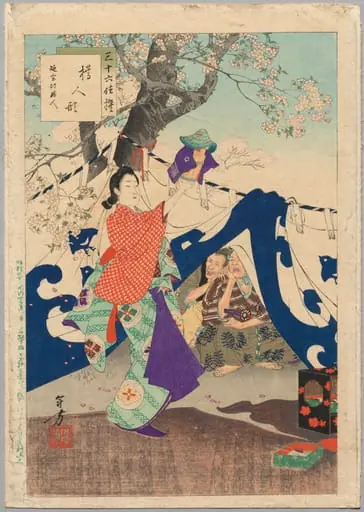 A Puppet Made from a Bucket, A Lady of the Enpō Era (1673–1681), from the series Thirty-six Elegant Selections
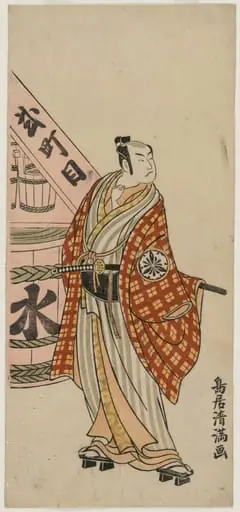 Matsumoto Koshiro IV as a Townsman Standing Beside a Water Barrel
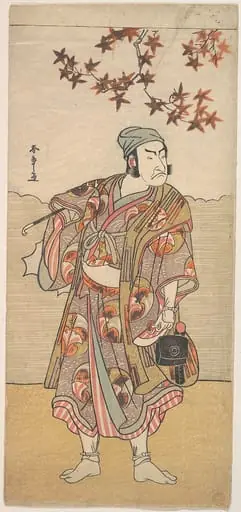 初代中村仲蔵|The First Nakamura Nakazō in the Role of Shimada no Hachizō
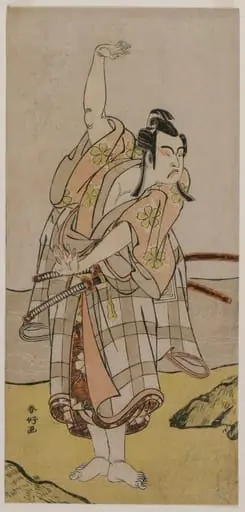 Actor Ichikawa Yaozō II as Sakuramaru
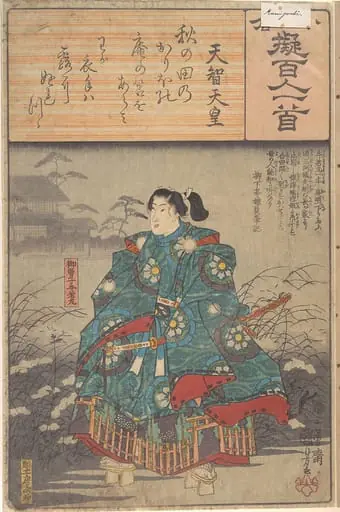 小倉擬百人一首|Album of Eighty-eight Prints from the series Ogura Imitations of One Hundred Poems by One Hundred Poets (Ogura nazorae hyakunin isshu)
 Woman with a Fan in her Left Hand Combing her Hair