Artwork
The Parthenon
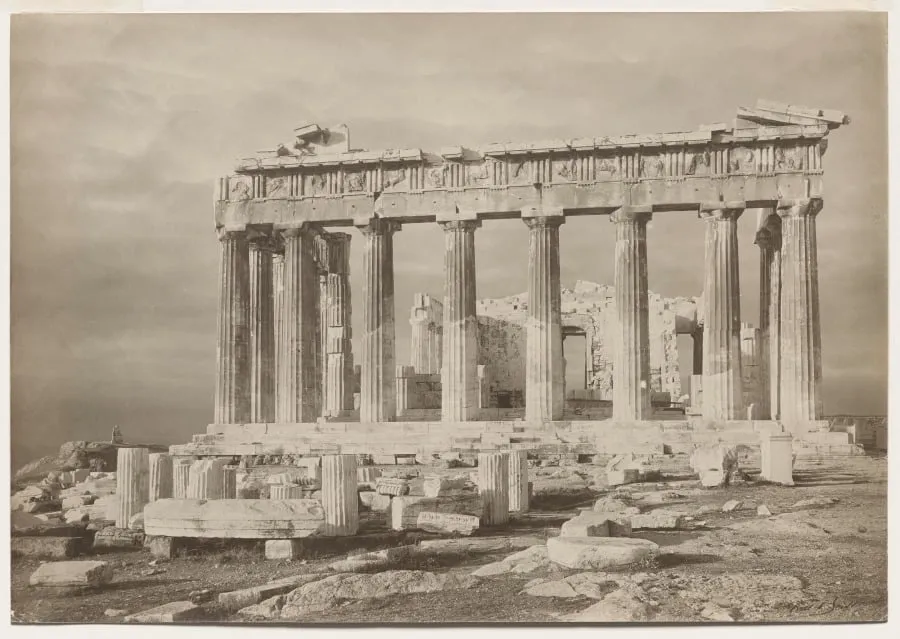
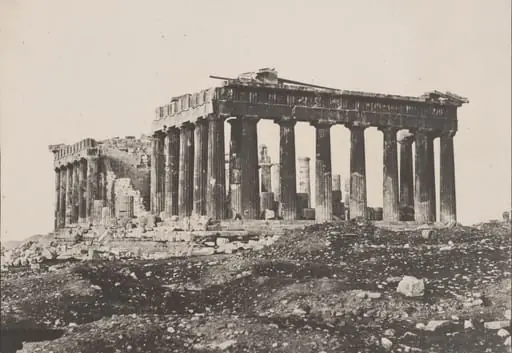
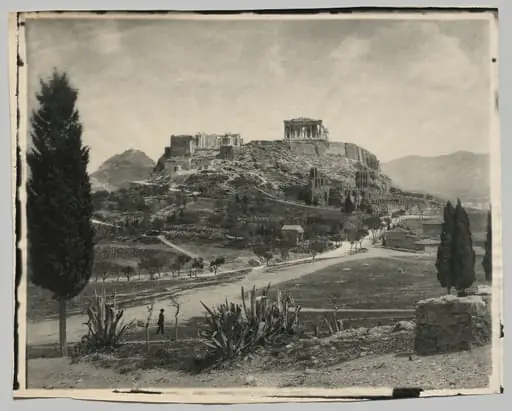
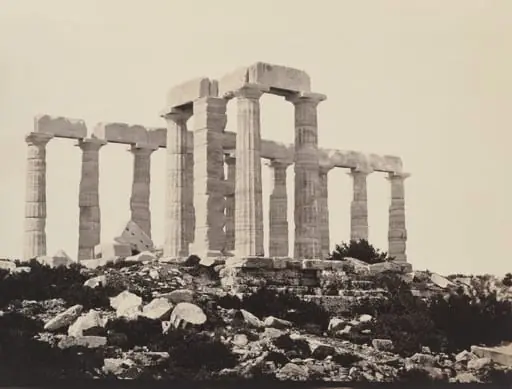
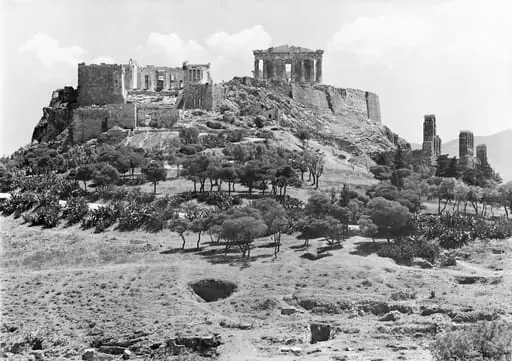
The Parthenon is a photography by Frédéric Boissonnas. It dates from 1914 and is held in the collection of the Cleveland Museum of Art.
About this work
Overview
Taken by Swiss photographer Frédéric Boissonas, the image is part of a broader project documenting Greece’s archaeological heritage.
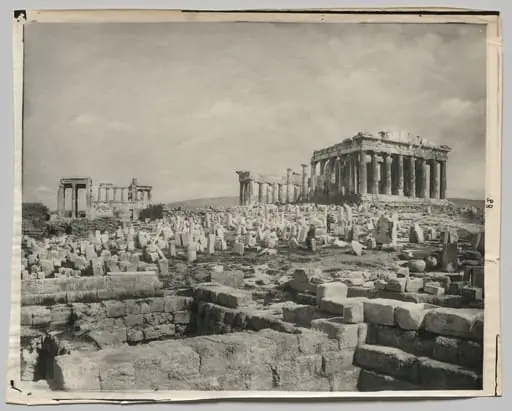
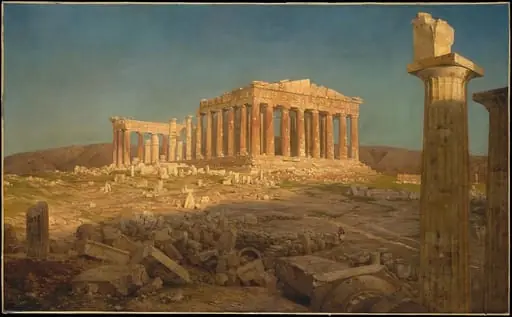
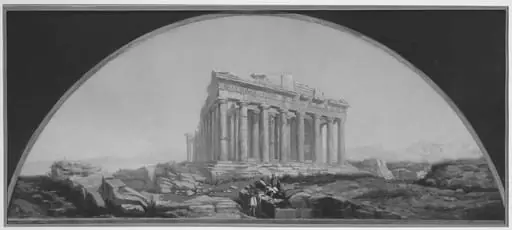
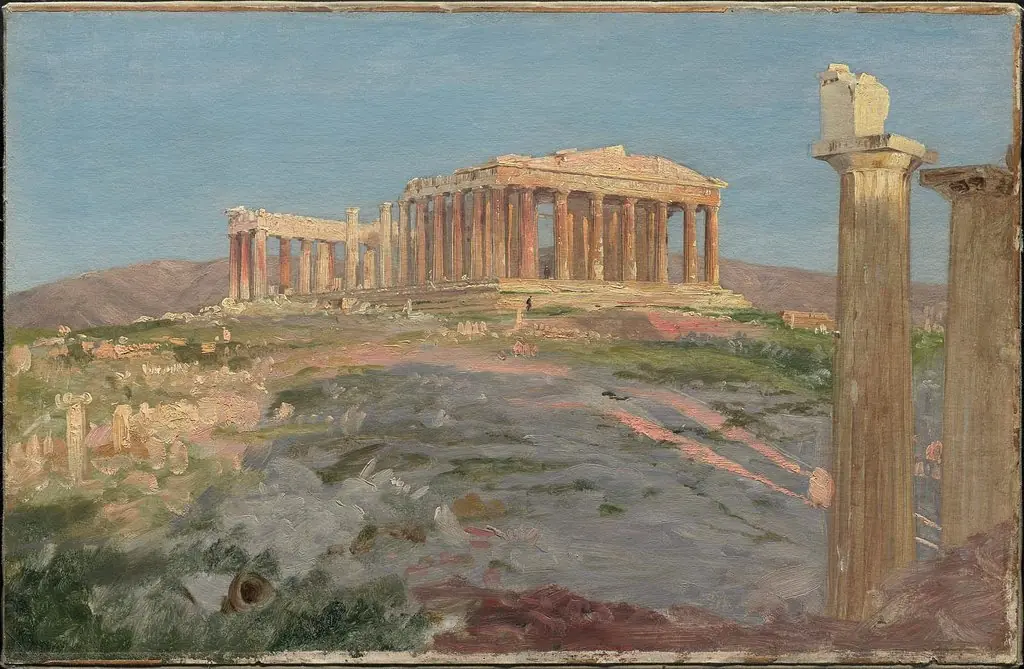
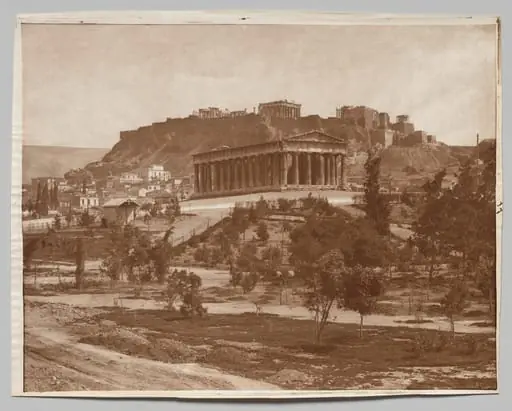
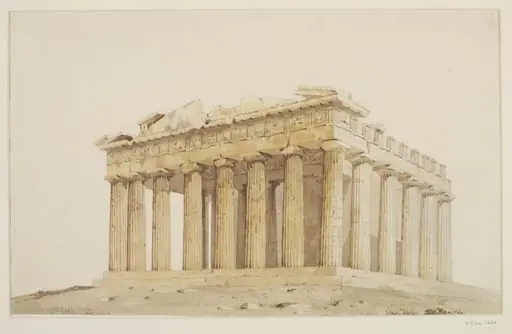
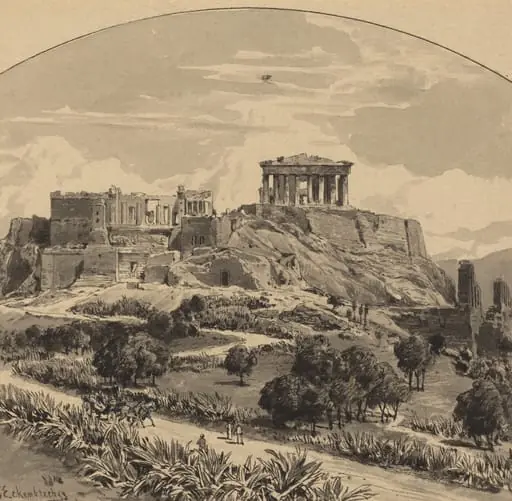
This photograph captures the Parthenon, the ancient temple on the Athenian Acropolis, as it appeared in the early 20th century. Taken by Swiss photographer Frédéric Boissonas, the image is part of a broader project documenting Greece’s archaeological heritage. Unlike earlier artistic renderings, this work uses the camera’s precision to record the structure with clarity and immediacy, reflecting a shift toward documentary realism in visual culture.
Subject & Meaning
The Parthenon, built in the 5th century B.C. as a temple to Athena, had long symbolized classical ideals. By the early 1900s, it also represented modern Greece’s cultural continuity. Boissonas’s photograph emphasized the temple’s enduring presence amid changing times, presenting it not as a relic but as a living monument. The image served to reconnect international audiences with Greece’s ancient past through direct visual testimony.
Technique & Style
Boissonas employed large-format film and careful composition to achieve sharp detail and balanced light. The soft afternoon glow enhances the texture of the marble without overwhelming form, creating a quiet intimacy. His framing isolates the structure against the sky, minimizing distractions and drawing attention to architectural rhythm. The result is a photograph that feels both precise and poetic, leveraging natural light to reveal the monument’s material presence.
History & Provenance
Boissonas made multiple journeys to Greece between 1905 and 1915, producing over 1,500 photographs. His work was commissioned and distributed by the Greek government as part of a national effort to promote tourism and cultural identity. The Parthenon image was included in one of his 14 published albums, circulated widely in Europe and North America, helping to shape global perceptions of Greece’s archaeological legacy.
Context
At the time, photography was increasingly used to legitimize historical preservation and national heritage. Boissonas’s images emerged alongside archaeological excavations and the rise of modern tourism. His photographs offered a new kind of access—detailed, reproducible, and seemingly objective—contrasting with romanticized paintings. They aligned with broader European interests in classical antiquity and the emerging field of cultural documentation.
Legacy
Boissonas’s photographs established a visual standard for documenting ancient sites, influencing later archaeological surveys and travel publications. His approach—emphasizing clarity, natural light, and structural integrity—became a model for heritage photography. The Parthenon image remains a reference point in discussions about how photography shapes collective memory of historical monuments, particularly in post-Ottoman Greece.
Artist & collection

Artist
François-Frédéric Boissonnas, known as Fred Boissonnas, was a Swiss photographer from Geneva.