Artwork
The Village Street
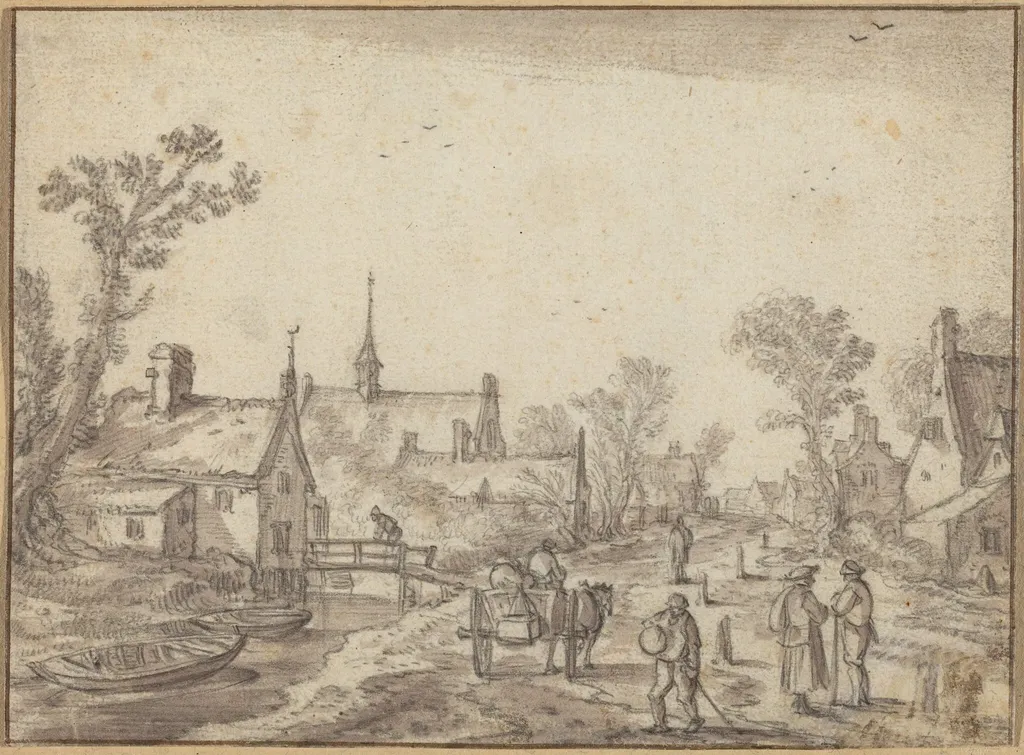
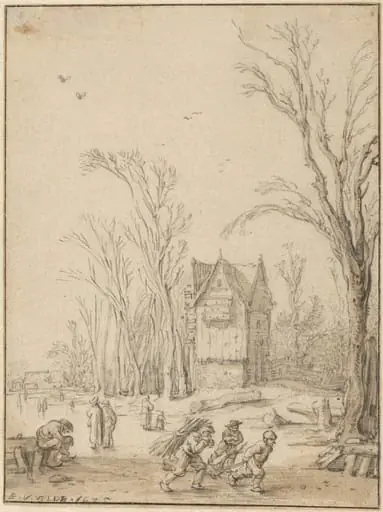
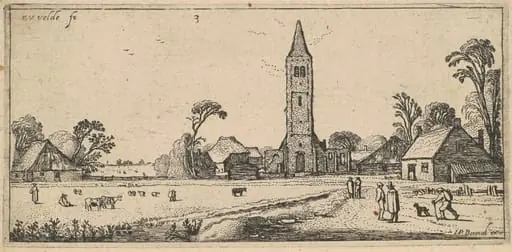
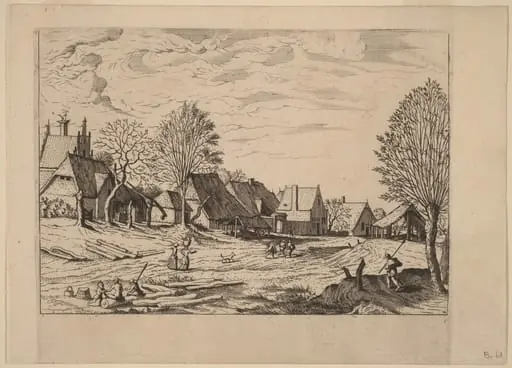
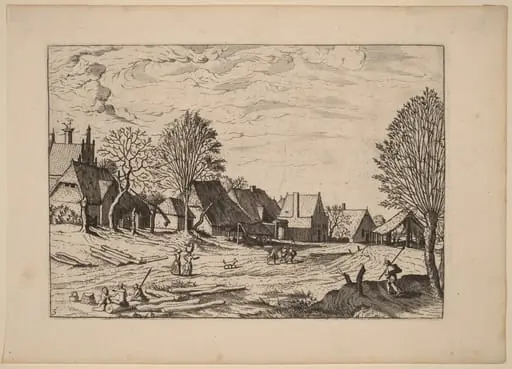
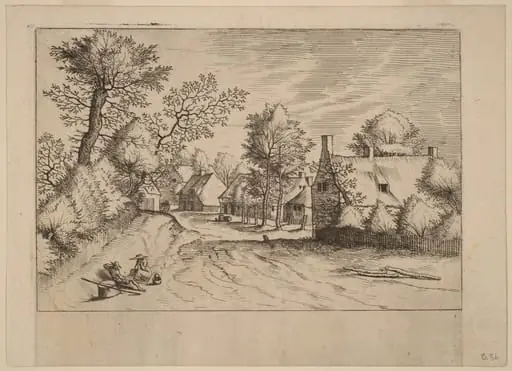
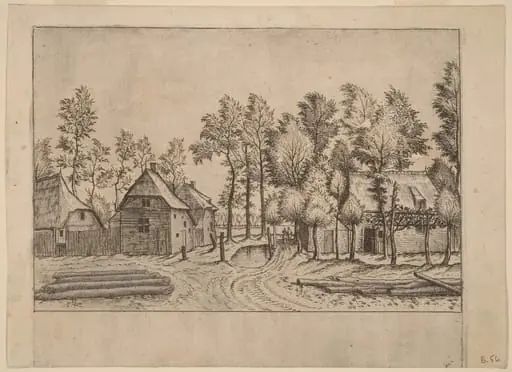
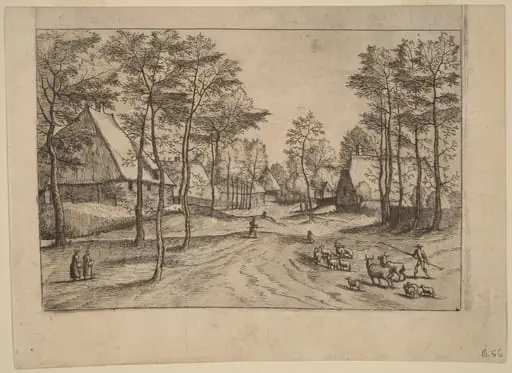
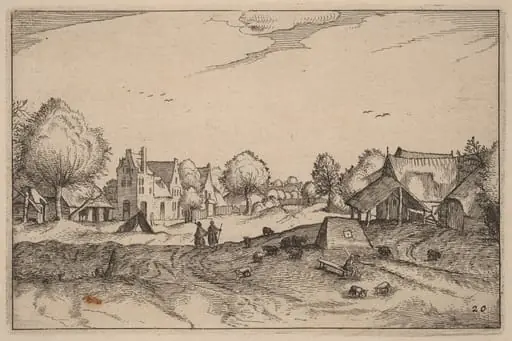
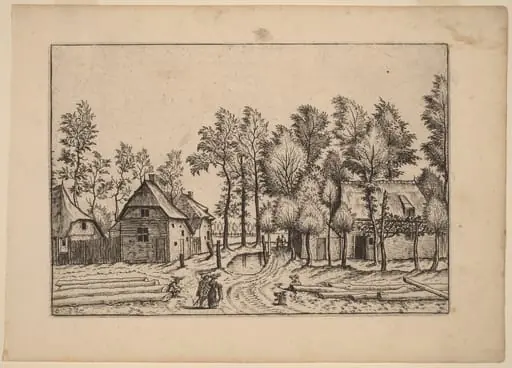
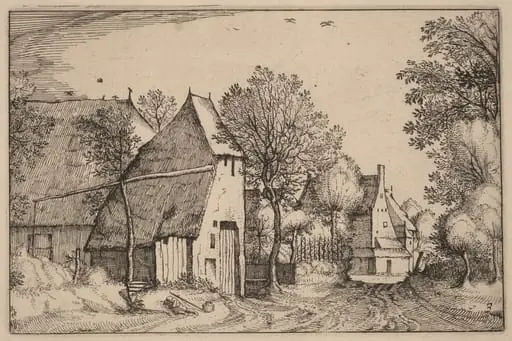
The Village Street is a chalk drawing by the Renaissance artist Velde, Esaias van de, I. It dates from 1610 and is held in the collection of the National Gallery of Art.
About this work
Overview
Created around 1610, The Village Street is a drawing by Esaias van de Velde I, executed in black chalk enhanced with brown and gray washes on laid paper.
Created around 1610, The Village Street is a drawing by Esaias van de Velde I, executed in black chalk enhanced with brown and gray washes on laid paper. It belongs to the National Gallery of Art’s collection in Washington, D.C., and exemplifies early 17th-century Dutch draftsmanship. The work captures a quiet rural scene with restrained precision, reflecting the artist’s focus on everyday landscapes rather than grand historical or religious themes.
Subject & Meaning
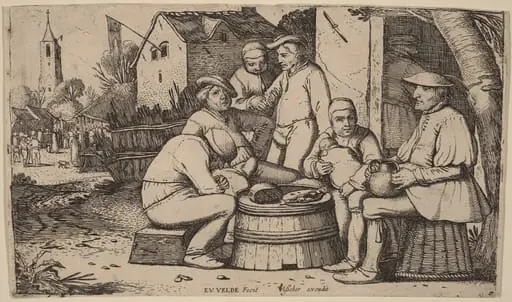
The drawing depicts a modest village street, populated by small figures engaged in routine activities—walking, standing, or tending to animals. There is no narrative climax or symbolic intent; instead, the scene conveys a sense of quiet observation. Van de Velde’s choice of subject reflects a growing interest in the ordinary life of the Dutch countryside, marking a shift from idealized compositions toward naturalistic representation.
Technique & Style
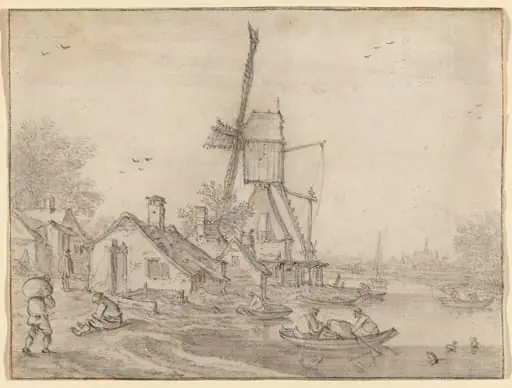
Van de Velde employed black chalk for crisp linear definition, layered with fluid washes of brown and gray to suggest depth, shadow, and atmospheric tone. The washes are applied with varying density, creating subtle gradations that model forms without heavy modeling. The paper’s texture is subtly integrated into the composition, enhancing the sketchlike immediacy of the scene and demonstrating mastery over material limitations.
History & Provenance
The drawing entered the National Gallery of Art’s collection in the 20th century, though its earlier ownership history remains largely undocumented. It was likely produced during van de Velde’s formative years in the Netherlands, possibly as a study or independent work intended for private circulation. Its survival in good condition reflects its value to later collectors of Dutch graphic art.
Context
Produced during the early Dutch Golden Age, the work aligns with a broader trend among Northern European artists to depict secular, rural life with observational accuracy. While often grouped under the broader label of Renaissance, the piece is more accurately situated within the emerging Dutch landscape tradition, which diverged from Italian humanist ideals by prioritizing local scenery and everyday experience.
Legacy
The Village Street exemplifies van de Velde’s role in shaping Dutch landscape drawing. His use of wash and chalk influenced later artists such as Rembrandt and his circle, who adopted similar techniques for atmospheric effect. Though not widely exhibited, the work remains a key reference for understanding the evolution of landscape as an independent genre in Northern European art.
Artist & collection