Artwork
Tomb of Themistocles
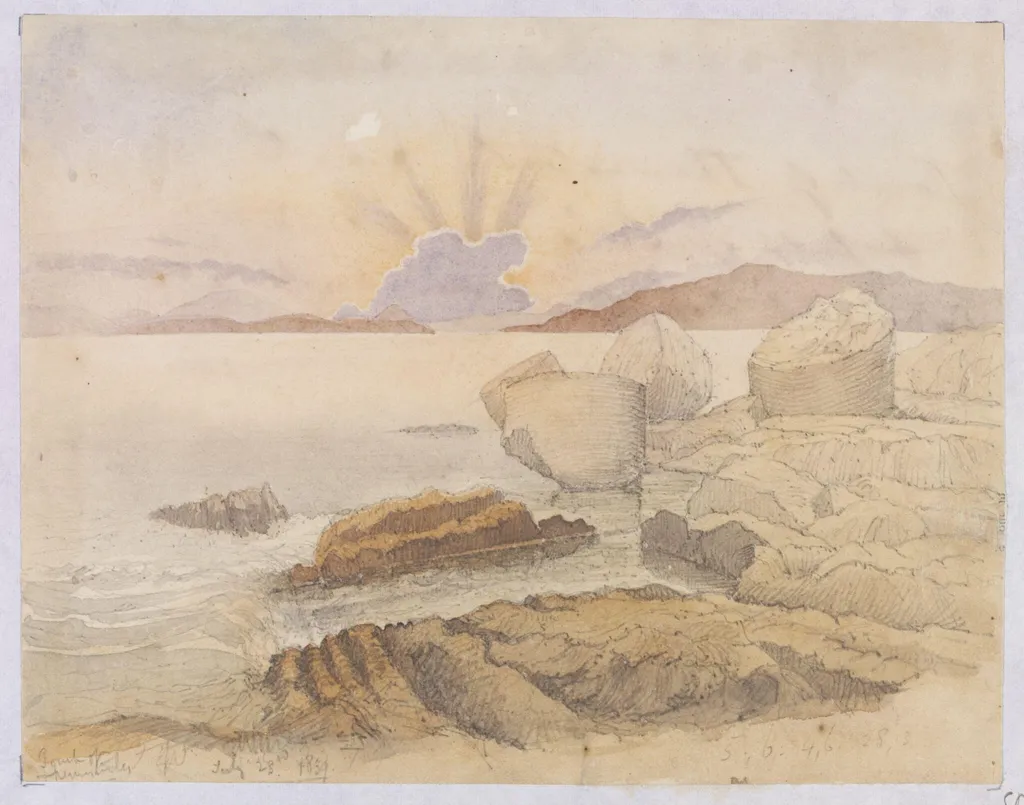
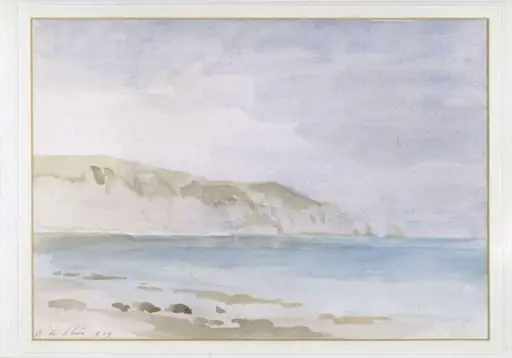
Tomb of Themistocles is a watercolor work on paper by the Romanticist artist Godfrey Thomas Vigne. It dates from 1839 and is held in the collection of the Victoria and Albert Museum.
About this work
Overview
Created in 1839 by Godfrey Thomas Vigne, this watercolour captures the Tomb of Themistocles during his journey from India to England. Executed on paper with delicate washes, the work is one of many observational sketches made during his travels. It reflects a topographical interest common among 19th-century British travelers documenting foreign landscapes and antiquities.
Subject & Meaning
The drawing portrays the ancient tomb situated in a barren, arid environment, emphasizing its isolation amid rocky cliffs and cracked earth. A solitary tree near the center suggests resilience in a harsh landscape. The focus on the tomb’s physical presence, rather than its historical narrative, implies a contemplative engagement with time, decay, and memory rather than overt commemoration.
Technique & Style
Vigne employed precise watercolour washes to render the textures of weathered stone and parched ground. Subtle gradations of light reveal the play of sunlight across uneven surfaces, while fine linework defines cracks and fissures. The pale sky and minimal cloud cover enhance the sense of dryness and heat, reinforcing the realism of the scene as a direct observation from life.
History & Provenance
The watercolour remained in the Vigne family until May 1971, when it was acquired from Henry D'Olier Vigne, the artist’s great-nephew. It was part of a broader collection of travel sketches assembled during Godfrey Thomas Vigne’s expeditions. Its transfer into institutional care preserved a personal record of 19th-century British engagement with the classical world.
Context
Vigne’s sketch aligns with a broader trend among British travelers who documented ancient sites during imperial expansion. The Tomb of Themistocles, though obscure, held symbolic weight as a relic of Athenian democracy. Such drawings served both personal curiosity and scholarly interest, contributing to European understandings of the Eastern Mediterranean’s material heritage.
Legacy
The work endures as a quiet record of 19th-century observational practice, valued for its unembellished depiction of an ancient monument in its landscape. It contributes to the archive of travel art that shaped Western perceptions of classical ruins, offering insight into how such sites were encountered—not as monuments, but as physical presences in an enduring, unforgiving terrain.
Artist & collection


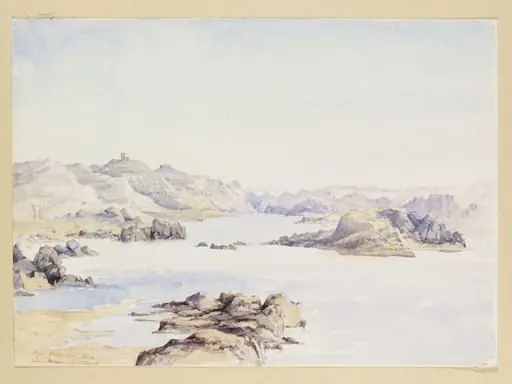 From Elephantine between Asouan and the 1st Cataract
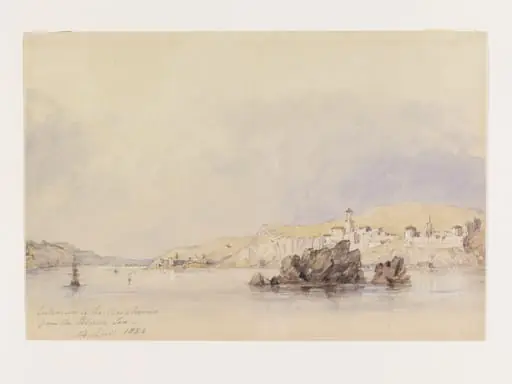 Entrance to the Bosphorus from the Black Sea
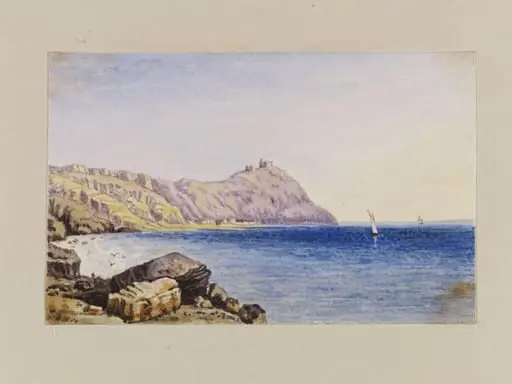 Carmel
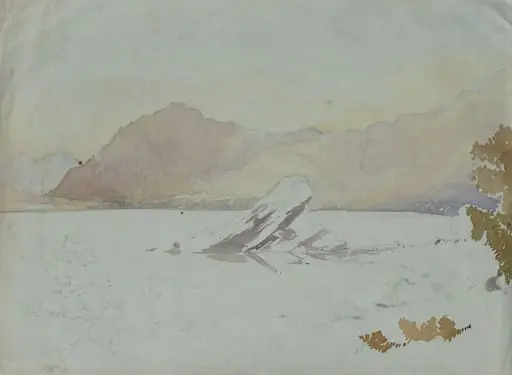 Landscape with mountains
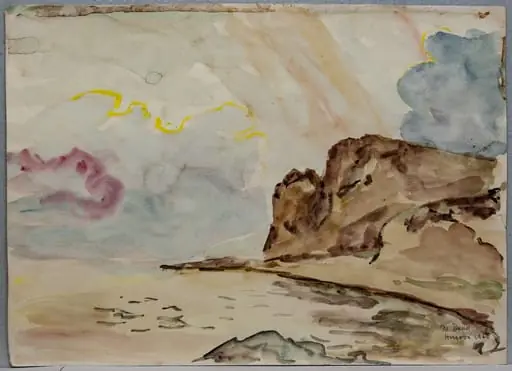 H 2 - Peisaj la Hârșova (Dunăre și deal pe mal)
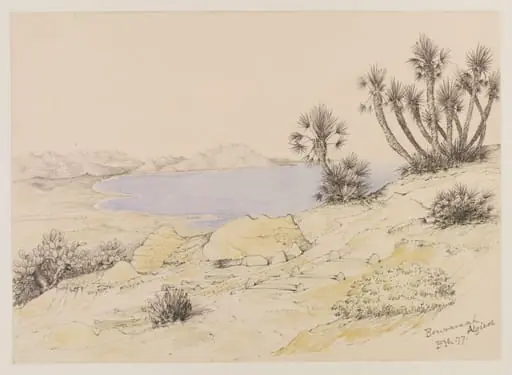 Bouzareah, Algiers
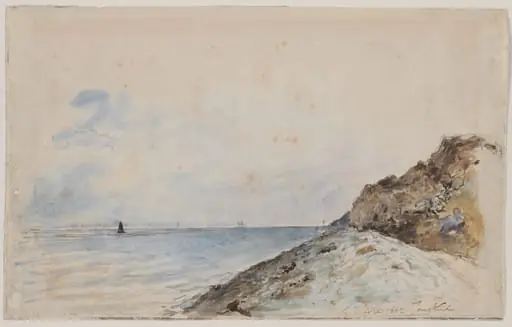 Le Havre
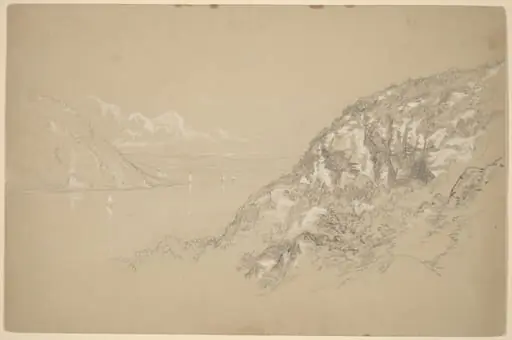 Hudson Highlands
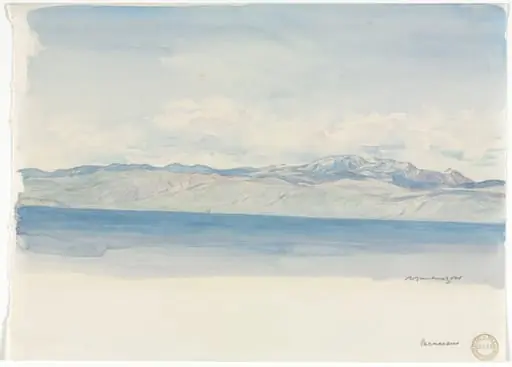 Parnassus
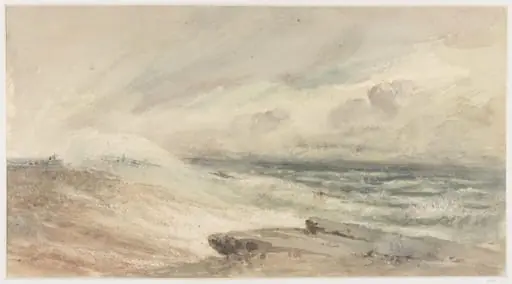 Sea from the Coast
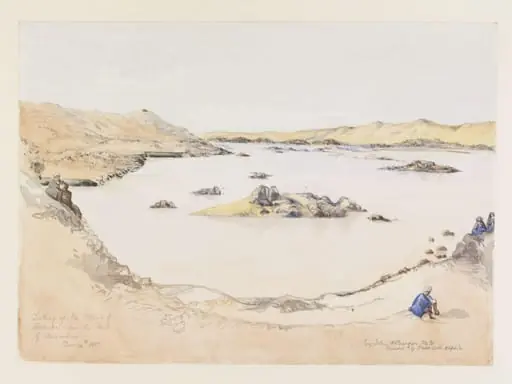 Looking up the Nile, south of Aswan
 A Grey Day; or A Calm Day: Dover Harbour