Artwork
Adam and Eve driven from Paradise
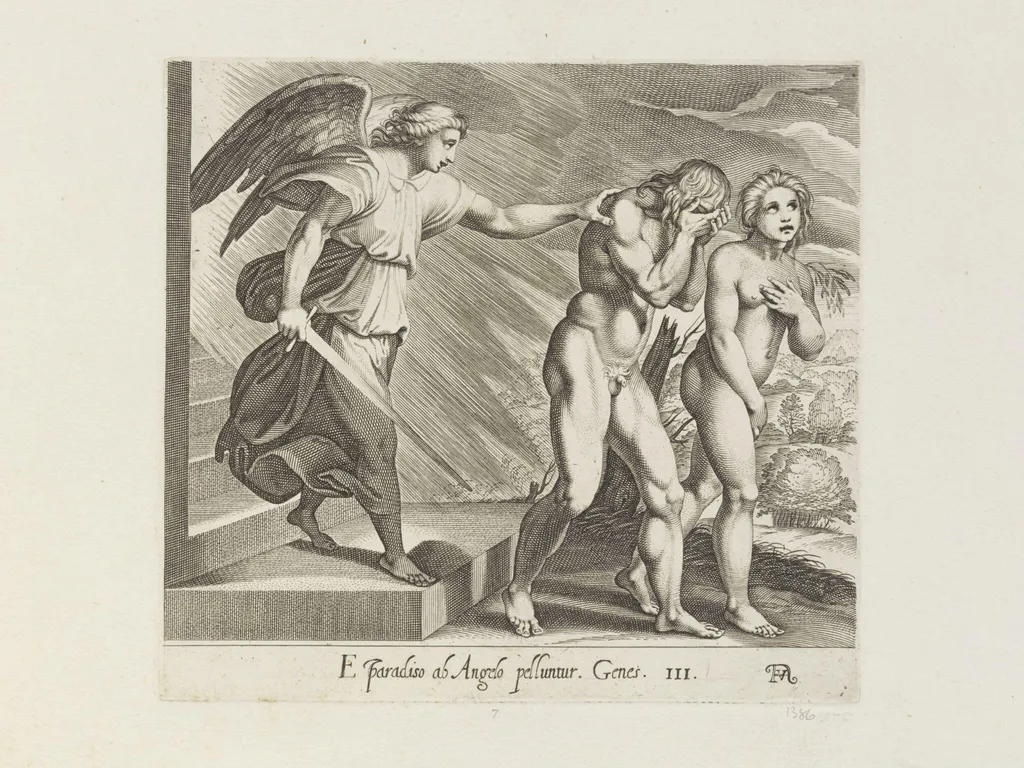
Adam and Eve driven from Paradise is a print by the Baroque artist Francesco Villamena. It is held in the collection of the Victoria and Albert Museum. This print is one of twenty in a series illustrating biblical narratives, based on Raphael’s frescoes in the Vatican’s Loggie.
About this work
Overview
The Latin inscription 'E paradiso ab Angelo pelluntur' translates to 'Driven from Paradise by an Angel,' anchoring the scene in its scriptural source.
This print is one of twenty in a series illustrating biblical narratives, based on Raphael’s frescoes in the Vatican’s Loggie. Created as an etching on paper, it captures the expulsion of Adam and Eve from Eden. The Latin inscription 'E paradiso ab Angelo pelluntur' translates to 'Driven from Paradise by an Angel,' anchoring the scene in its scriptural source. The work belongs to a broader 16th-century effort to translate monumental religious art into accessible graphic form.
Subject & Meaning
The scene portrays the moment Adam and Eve are cast out of Eden by a winged angel wielding a sword. Both figures, naked and shielding themselves with leaves, express vulnerability and shame. The angel’s forceful presence underscores divine judgment, while the luminous sky behind them suggests the loss of divine favor. The composition conveys a quiet tragedy—the end of innocence and the beginning of human exile.
Technique & Style
The artist employs etching to achieve fine linear detail and tonal contrast, with chiaroscuro guiding attention to the central figures. Delicate hatching defines the angel’s wings and the texture of foliage, while the background sky is rendered with broad, atmospheric strokes. The interplay of light and shadow enhances emotional gravity without overt dramatization, reflecting the restrained elegance of Raphael’s original designs.
History & Provenance
The print derives from a series commissioned in the mid-16th century to reproduce Raphael’s Vatican frescoes for wider dissemination. These prints were widely circulated among collectors and clergy, serving both devotional and educational purposes. Though the original artist is not always named, the series is consistently attributed to workshops active in Rome, closely following Raphael’s compositions under papal patronage.
Context
This print emerged during a period when the Catholic Church encouraged visual storytelling to reinforce doctrine after the Reformation. Raphael’s frescoes, though secular in setting, were reinterpreted as moral exemplars. The translation of his grand frescoes into small-scale prints made sacred narratives available beyond Rome, aligning with broader trends in print culture and religious pedagogy across Europe.
Legacy
The series helped standardize visual interpretations of biblical stories in early modern Europe. Though overshadowed by later Baroque treatments, these prints preserved Raphael’s compositional clarity and influenced generations of printmakers. Their endurance in collections attests to their role as both artistic documents and tools of religious instruction in an era of shifting theological landscapes.
Artist & collection
Artist
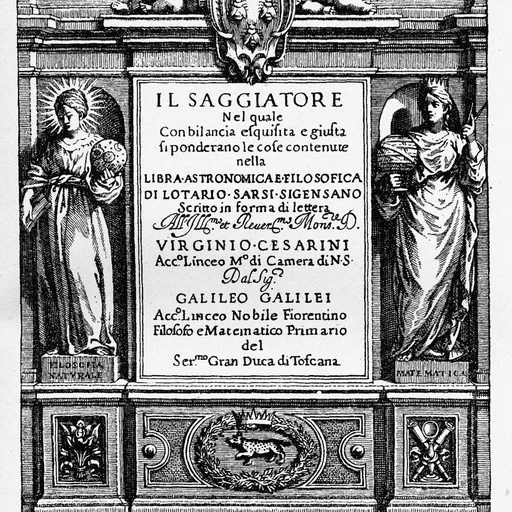
Francesco Villamena (1564–1624) was an Italian engraver, drawing teacher and art collector.

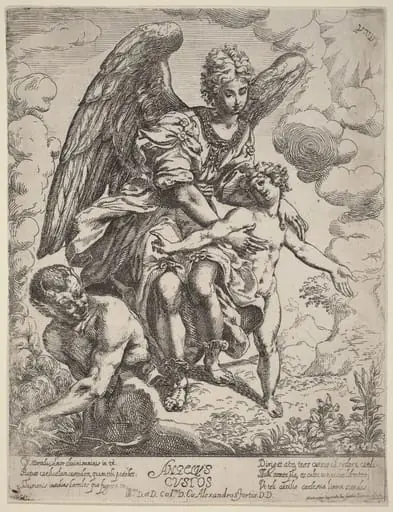 Guardian Angel
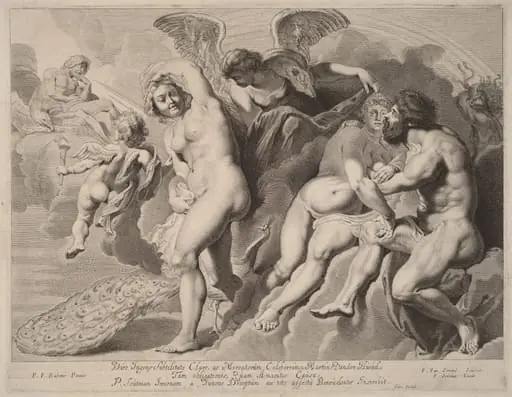 Ixion Deceived by Juno
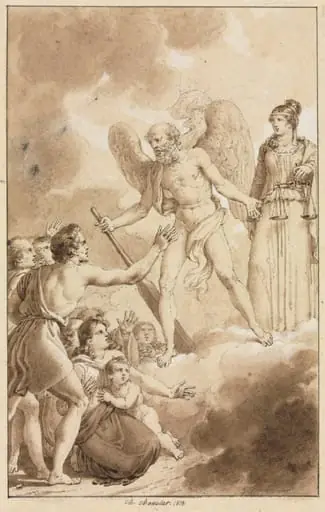 Allegory
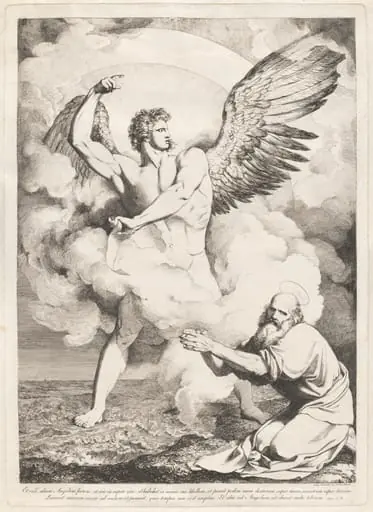 Et vidi alium angelum fortem... (The Angel of the Apocalypse Appearing to Saint John)
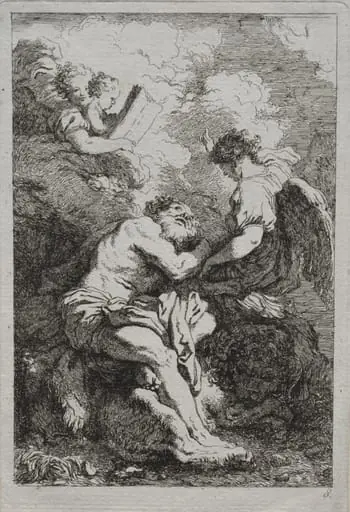 Saint Jerome
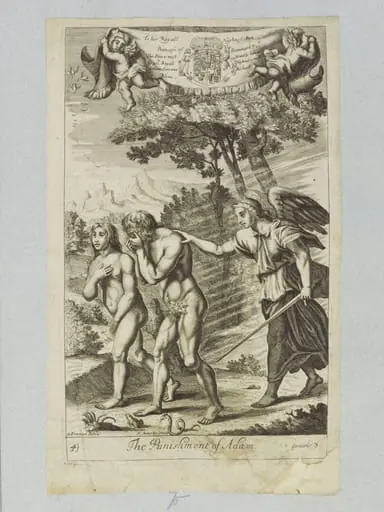 Paradise Lost
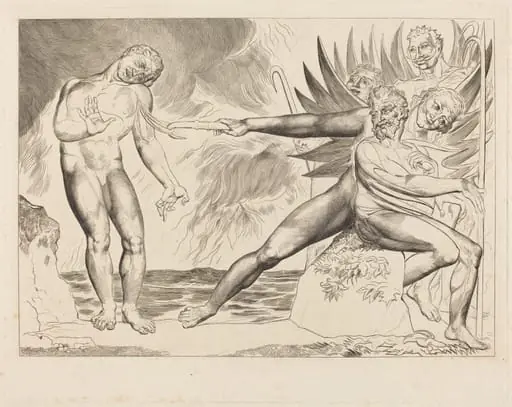 The Circle of the Corrupt Officials; the Devils Tormenting Ciampolo
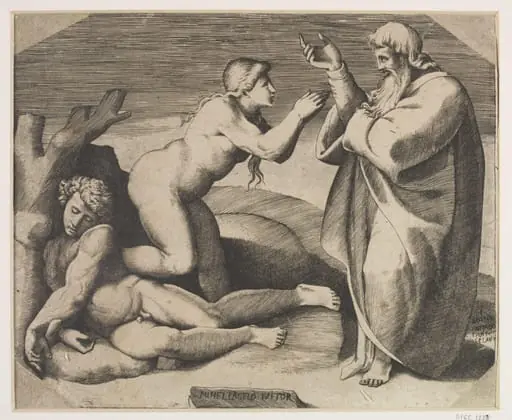 Creation of Eve
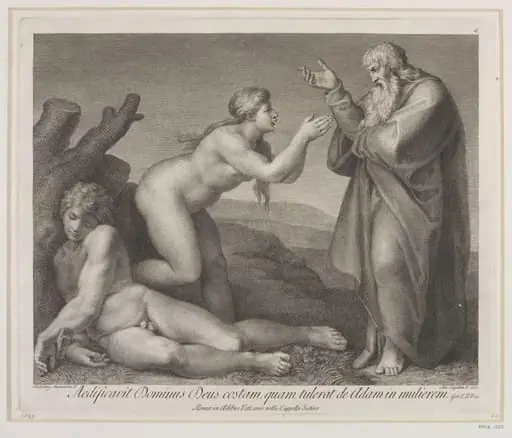 The Creation of Eve
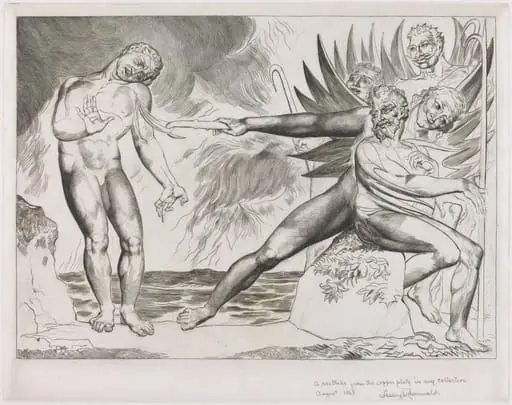 The Circle of the Corrupt Officials; the Devils Tormenting Ciampolo
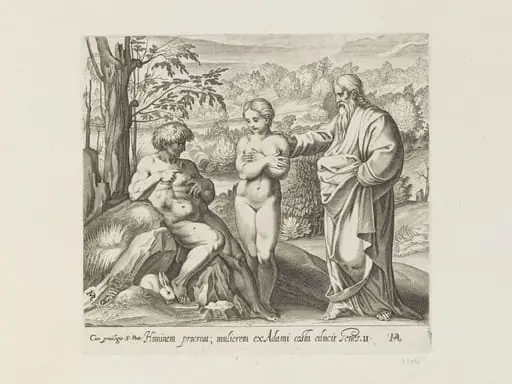 God presenting Eve to Adam