Artwork
Charles Louis, Elector Palatine
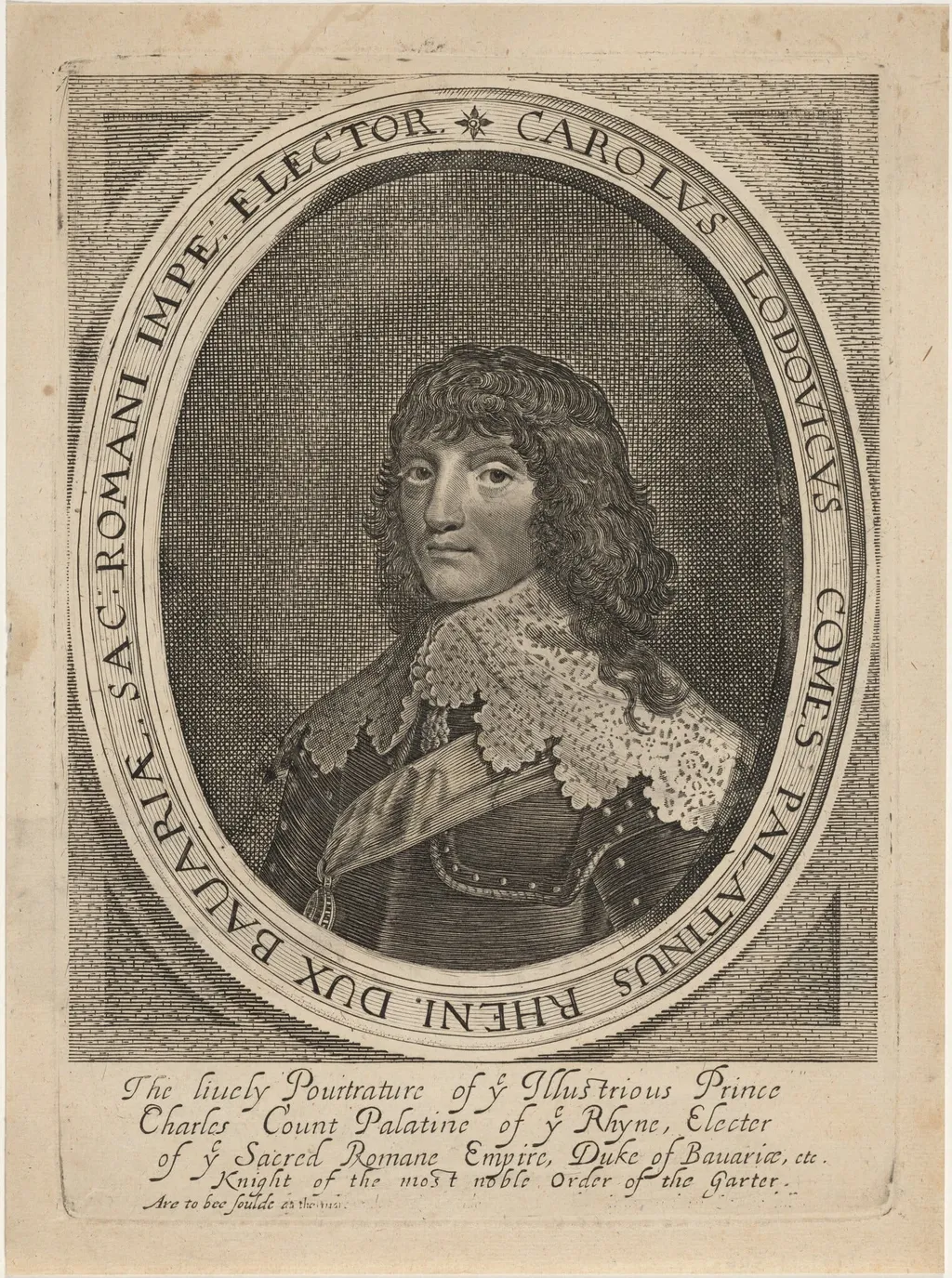
Charles Louis, Elector Palatine is an ink print by the Baroque artist Robert van Voerst. It dates from 1630 and is held in the collection of the Rosenwald Collection.
About this work
Overview
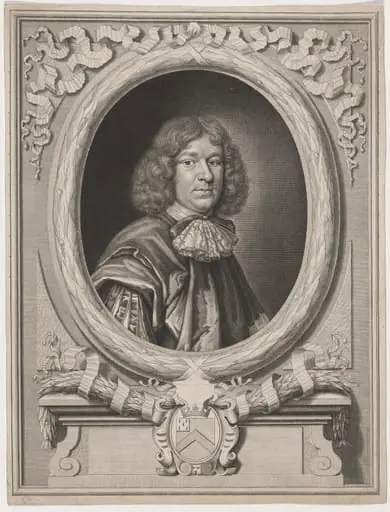
This print is an engraving by Robert van Voerst, completed in 1630, depicting Charles Louis, Elector Palatine. Executed in fine line work on metal, the image captures the subject in a formal, frontal pose. Unlike painted portraits, this medium emphasizes precision and tonal contrast through incised lines, reflecting the technical demands of printmaking in the early 17th century.
Subject & Meaning
Charles Louis, then a young nobleman and heir to the Palatinate, is portrayed with solemn composure, facing the viewer directly. His attire, though not contemporary to 1630, evokes a sense of tradition and authority, aligning with the expectations of aristocratic representation. The unadorned background focuses attention on his bearing, reinforcing his status without overt symbolism.
Technique & Style
Van Voerst employed engraving, a method involving incising lines into a copper plate with a burin. The portrait’s detail—textured lace, fabric folds, and subtle facial contours—demonstrates mastery of line weight and cross-hatching. The style is restrained, prioritizing clarity and fidelity over dramatic flair, characteristic of Northern European portraiture of the period.
History & Provenance
Created during Charles Louis’s early years as heir, the engraving likely served as a diplomatic or familial keepsake. It circulated among European courts and collectors, valued for its accurate likeness and technical refinement. No definitive early ownership records survive, but its survival in multiple institutional collections suggests enduring recognition among print connoisseurs.
Context
In 1630, the Palatinate was a key Protestant territory amid rising tensions preceding the Thirty Years’ War. Portraits like this reinforced noble identity during political instability. Engravings offered a reproducible means of disseminating likenesses across borders, making them vital tools for dynastic visibility when travel and painting were impractical.
Legacy
Van Voerst’s engraving remains a documented example of early 17th-century print portraiture. While not widely reproduced today, it contributes to the study of how noble identities were visually constructed through mechanical reproduction. Its preservation in major print rooms underscores its role in the history of graphic arts and dynastic representation.
Artist & collection

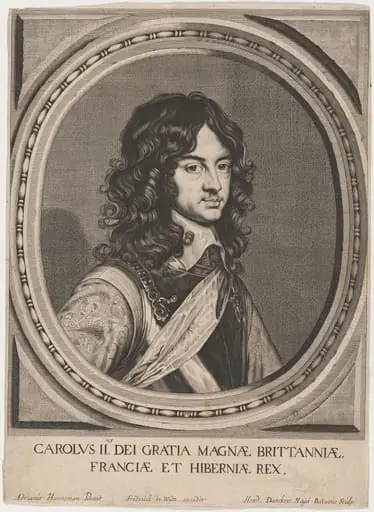 Charles II
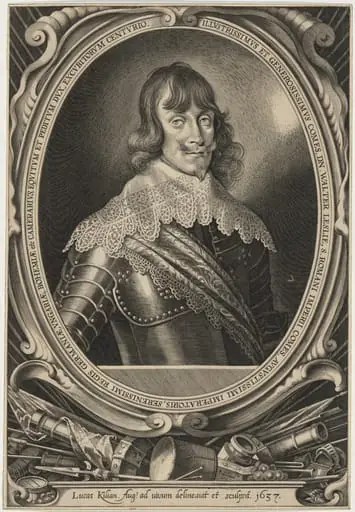 Walter Leslie (Count Leslie)
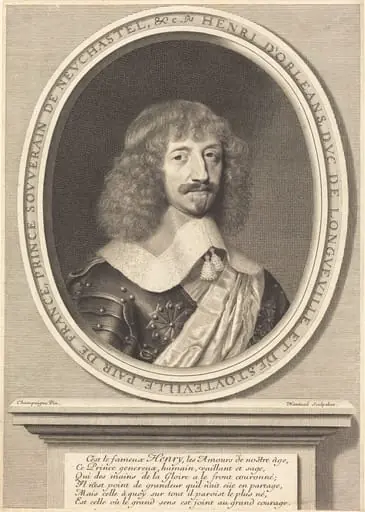 Henri II d'Orléans, Duc de Longueville
 Robert Stafford of Bradfield, Berks
 Louis XIV
 Frederic-Maurice, Duc de Bouillon
 William, First Duke of Newcastle
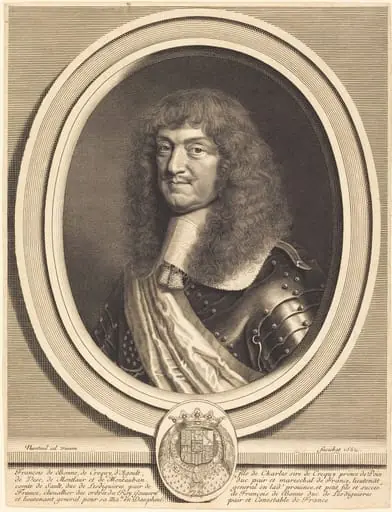 Marcechal de Cequi
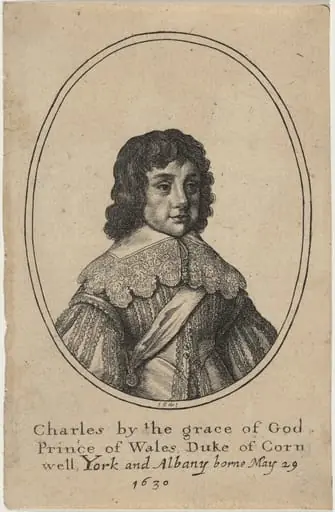 Charles II as Prince of Wales
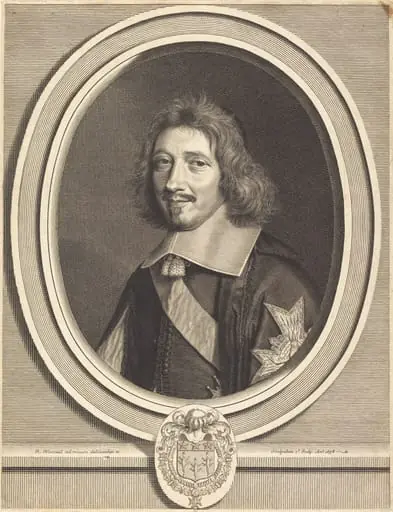 Chancellor Michel Le Tellier
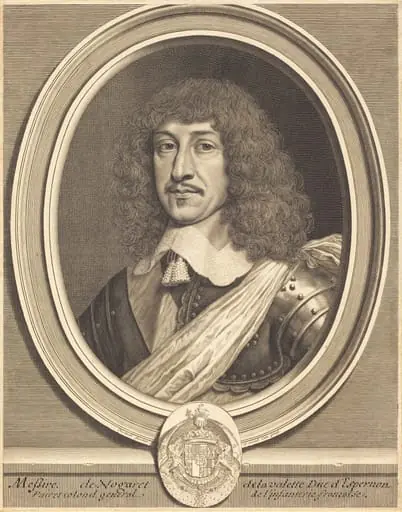 Bernard, Duc d'Epernon
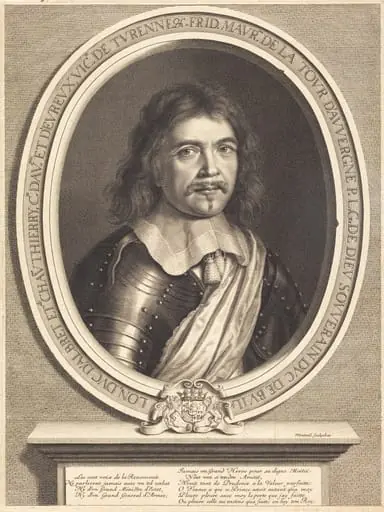 Frederic-Maurice, Duc de Bouillon