Artwork
Prince Frederick Henry Bavaria
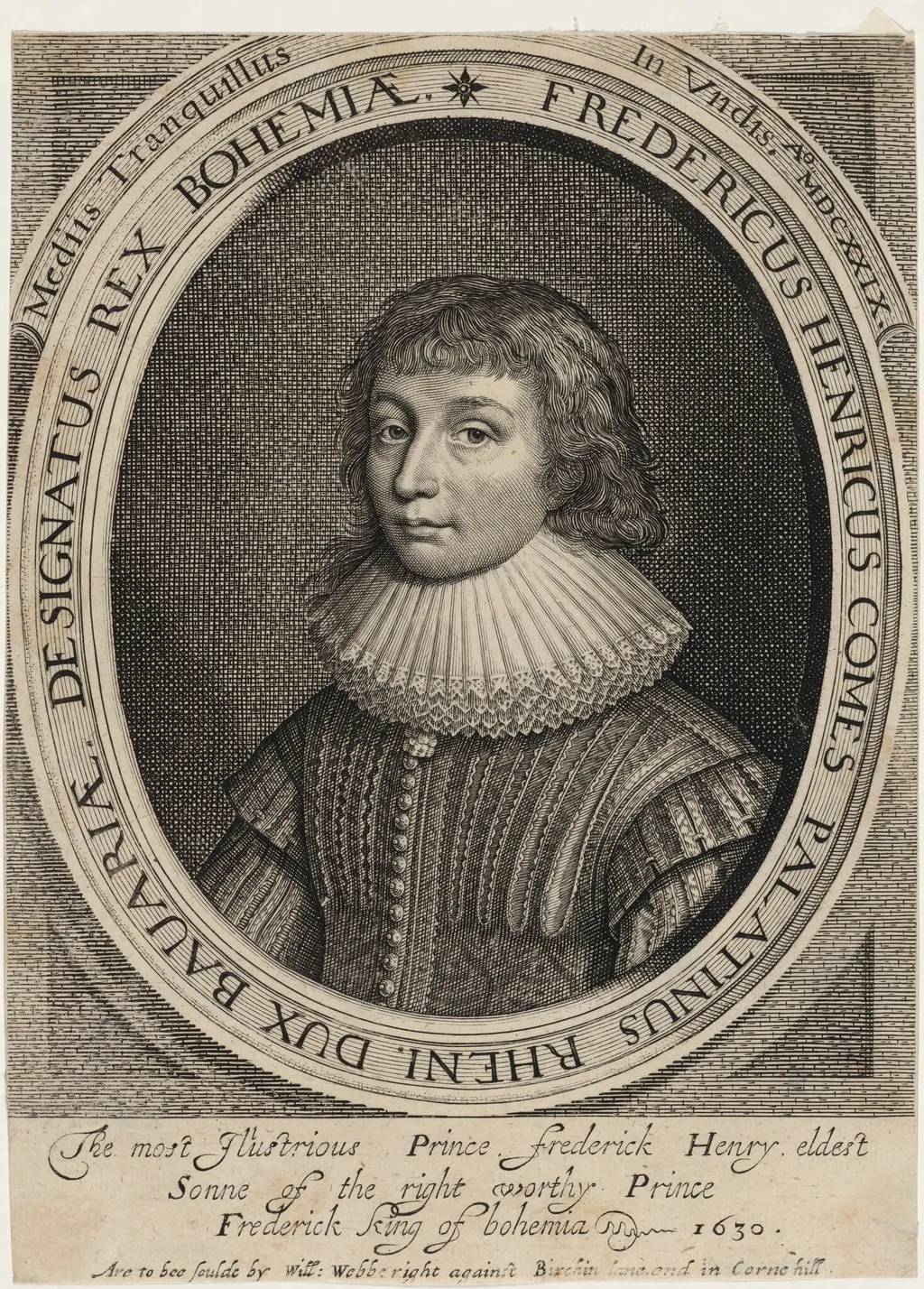
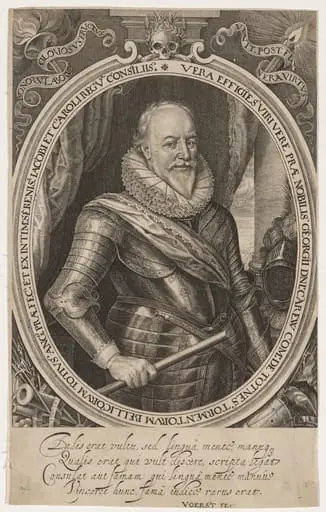
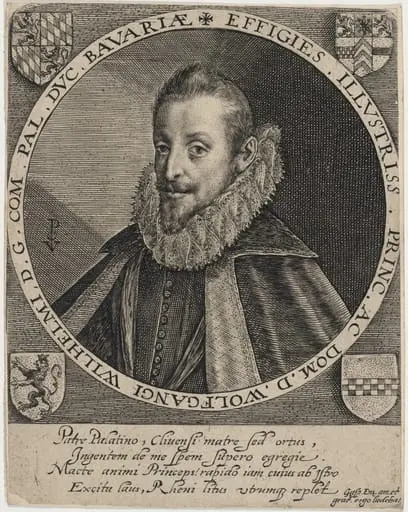
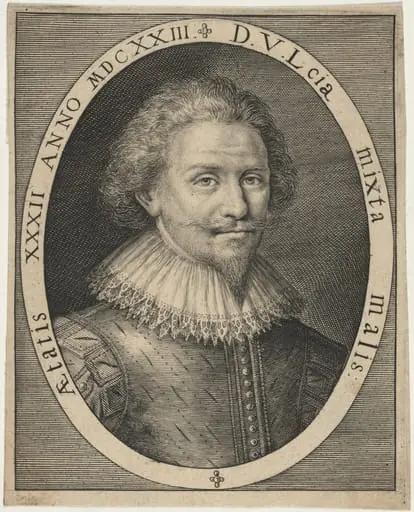
Prince Frederick Henry Bavaria is an ink print by the Renaissance artist Robert van Voerst. It dates from 1616 and is held in the collection of the National Gallery of Art.
About this work
Overview
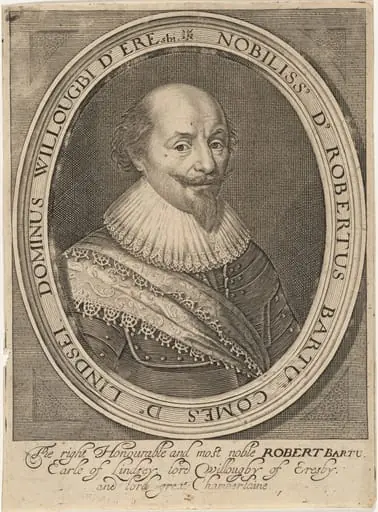
This 1616 engraving by Robert van Voerst depicts Prince Frederick Henry of Bavaria, a nobleman of the early 17th century. Executed in fine line work on paper, the print captures the subject in formal attire, rendered with precision typical of Northern European portraiture of the period. The image was produced as a reproductive print, intended for wider distribution among elite circles.
Subject & Meaning
The serious expression aligns with contemporary ideals of princely restraint and gravitas, reinforcing his social position without overt allegory.
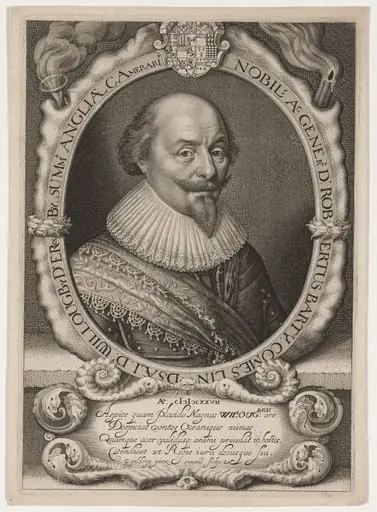
The portrait presents Prince Frederick Henry in a composed, frontal pose, his direct gaze conveying authority and dignity. His elaborate lace collar and buttoned dark jacket reflect the fashion of German nobility, while the absence of symbolic objects emphasizes status through attire alone. The serious expression aligns with contemporary ideals of princely restraint and gravitas, reinforcing his social position without overt allegory.
Technique & Style
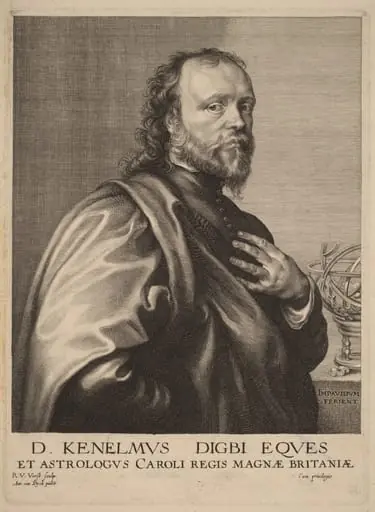
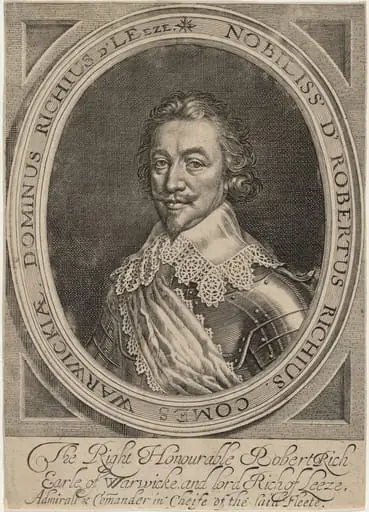
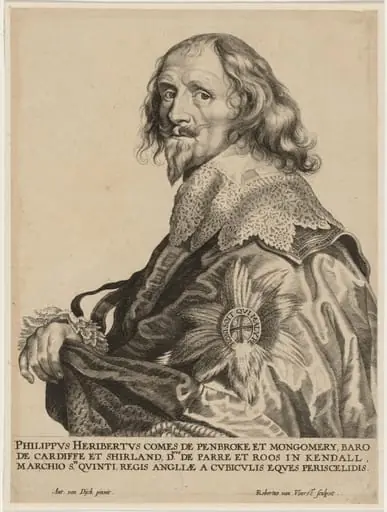
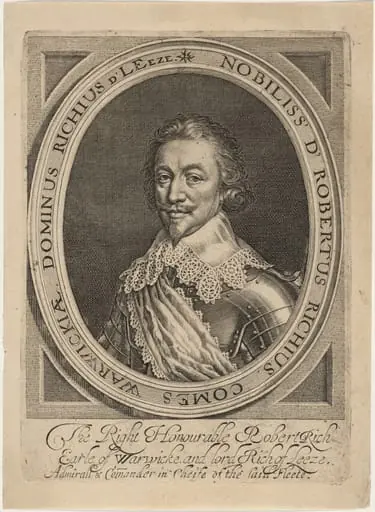
Van Voerst employed fine engraving techniques, using controlled cross-hatching and parallel lines to model form and texture. The lace collar and fabric folds are rendered with delicate precision, while the solid background isolates the figure, focusing attention on his features and clothing. The medium’s linear clarity enhances the realism, characteristic of Dutch and Flemish printmaking traditions of the era.
History & Provenance
Created in 1616, the engraving was likely commissioned to circulate the prince’s likeness among European courts and collectors. Van Voerst, a Dutch engraver active in London, was known for translating portraits into print. The work’s survival in institutional collections suggests it was valued for its accuracy and craftsmanship, serving both as a record and a status object.
Context
This portrait emerged during the late Renaissance, when printed images of nobility played a key role in political representation. Engravings like this allowed aristocrats to project their image beyond their immediate surroundings. Van Voerst’s work reflects the transnational exchange of artistic techniques between the Low Countries and German-speaking territories, where print culture flourished alongside dynastic alliances.
Legacy
Though not widely known today, the engraving exemplifies the role of print in early modern portraiture. It preserves a visual record of Bavarian nobility and demonstrates the technical skill of reproductive engravers who bridged painting and print. Its presence in museum collections underscores its historical value as a document of elite identity and artistic practice in the 17th century.
Artist & collection