Artwork
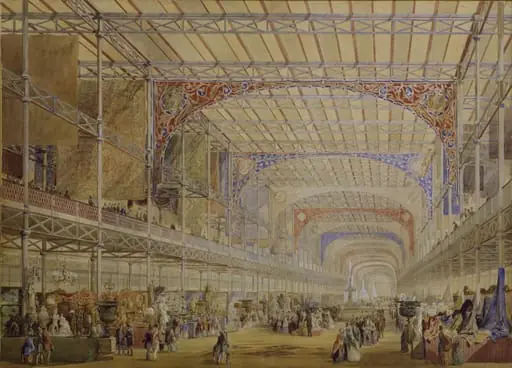
A View of Crystal Palace in Hyde Park
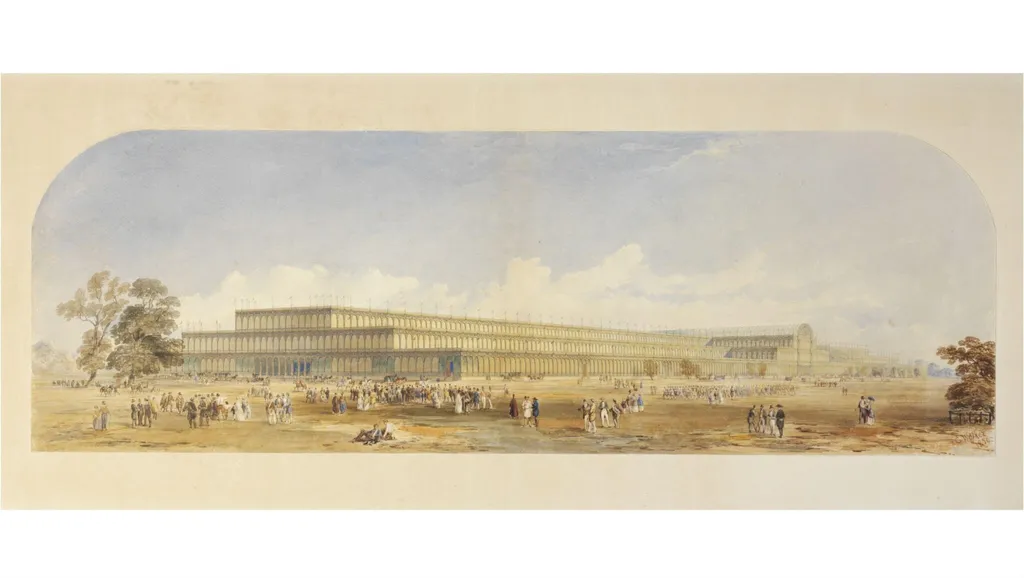
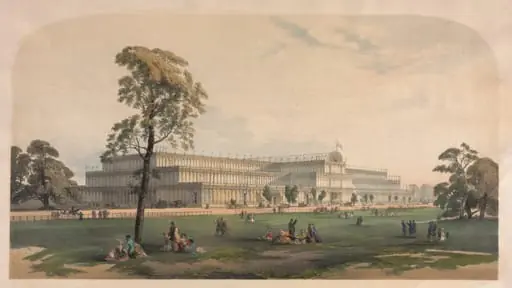
A View of Crystal Palace in Hyde Park is a watercolor work on paper by the British Romanticist artist Edmund Walker. It dates from 1850 and is held in the collection of the Victoria and Albert Museum.
About this work
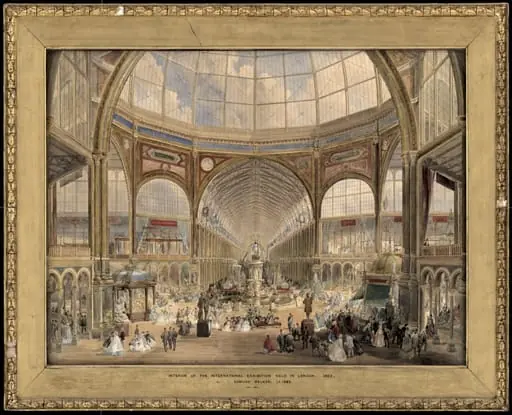
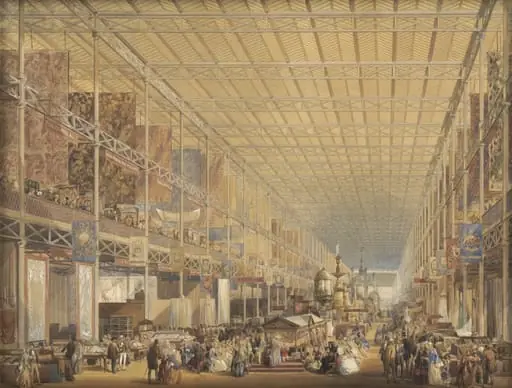
This watercolour shows a famous iron-and-glass building in London. Edmund Walker painted it in 1850, one year before the Great Exhibition opened inside.
The Crystal Palace was a wonder of early industry. Six million visitors walked through its enormous halls in 1851. After the show, the building was moved and later burned in 1936.
Look up the Victoria and Albert Museum online next.
Overview
A View of Crystal Palace in Hyde Park is a watercolour created by Edmund Walker in 1850, depicting the iconic Crystal Palace before its completion. The artwork captures the monumental structure designed by Joseph Paxton for the Great Exhibition of 1851.
Subject & Meaning
The subject is the Crystal Palace, a pioneering cast iron and glass building symbolizing industrial innovation. The watercolour serves as an artist's impression of the unfinished structure, highlighting its anticipated grandeur and significance as the centerpiece of the first World's Fair.
Technique & Style
Executed in watercolour, the piece reflects Edmund Walker's specialization in architectural views. The technique conveys the transparency and scale of the glass and iron framework, though the level of detail and accuracy in relation to the building's actual state at the time is speculative.
History & Provenance
Originally owned by Sir Charles Fox, a civil engineer whose firm played a crucial role in the palace's timely construction, the watercolour dates from 1850, a year before the Great Exhibition's opening. The palace itself was later relocated and destroyed by fire in 1936.
Context
Created on the cusp of the Great Exhibition, this work contextualizes the excitement and novelty of Paxton's design within the era's industrial and technological advancements. The Exhibition's success led to the founding of the Victoria and Albert Museum.
Artist & collection

Artist
Sir Byron Edmund Walker, CVO was a Canadian banker. He was the president of the Canadian Bank of Commerce from 1907 to 1924, and a generous patron of the arts, helping to found and nurture many of Canada's cultural and…