Artwork
Circulatory system
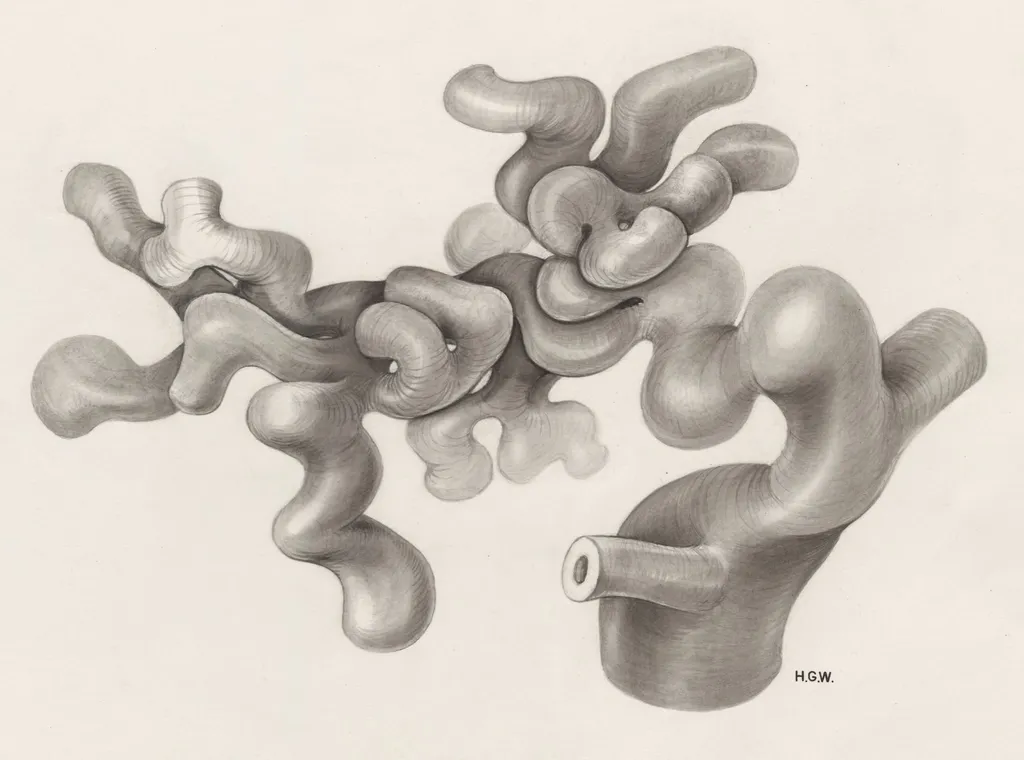
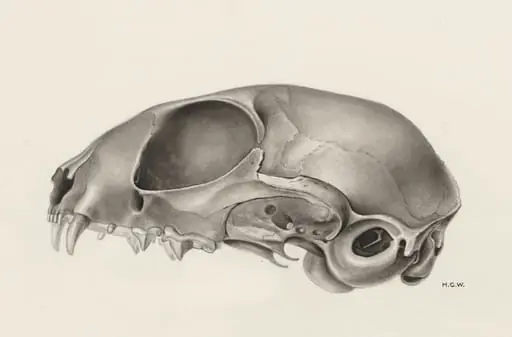
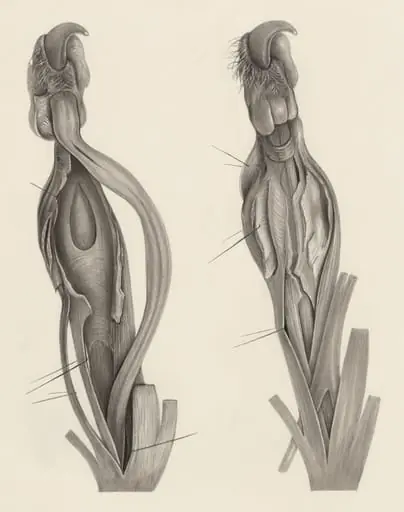
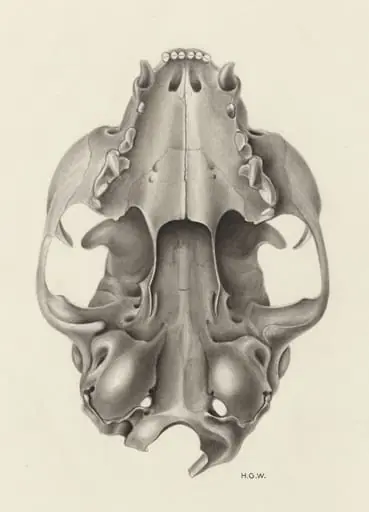
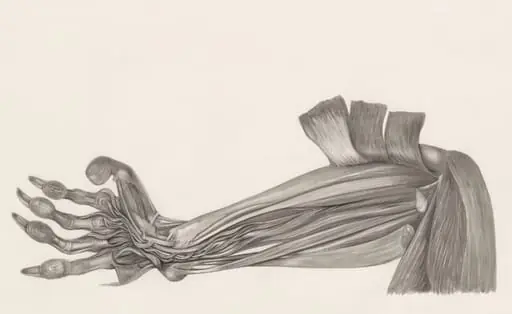
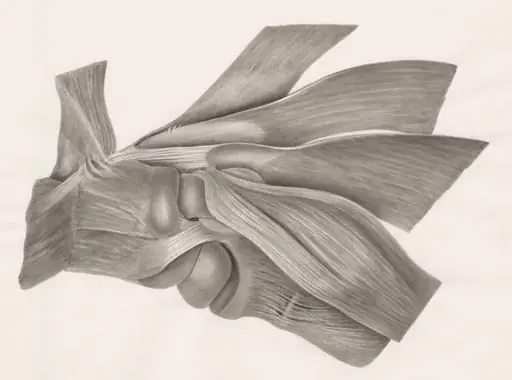
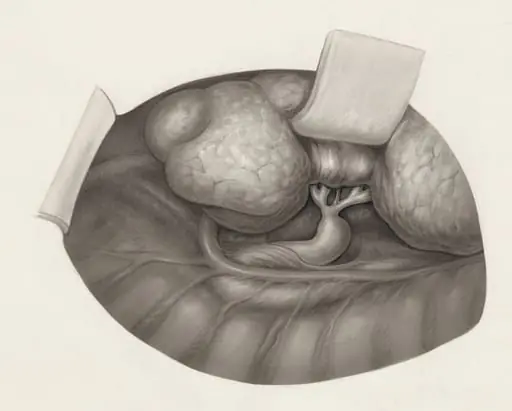
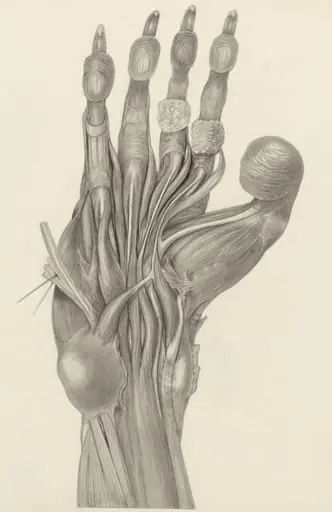
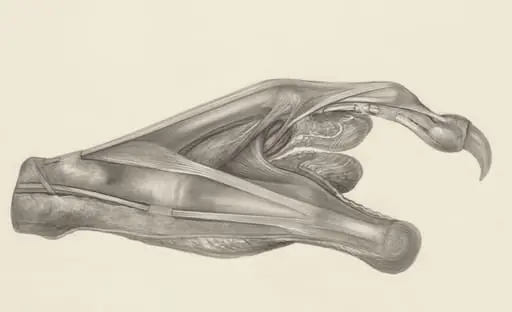
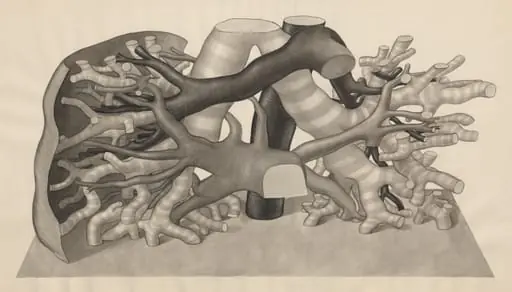
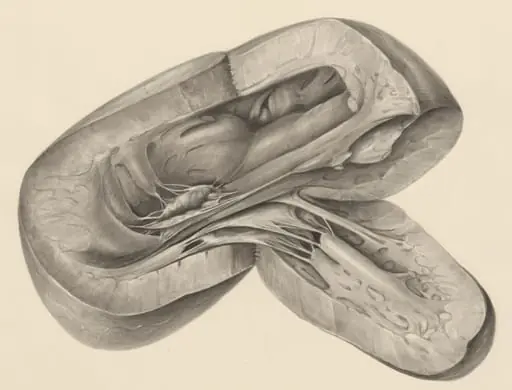
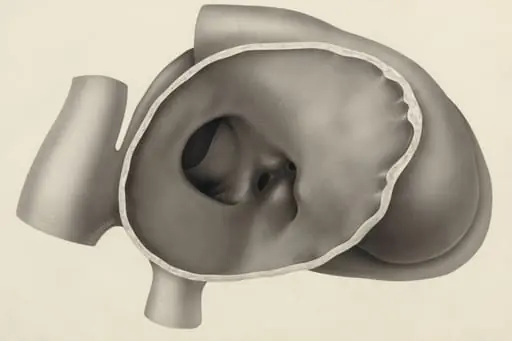
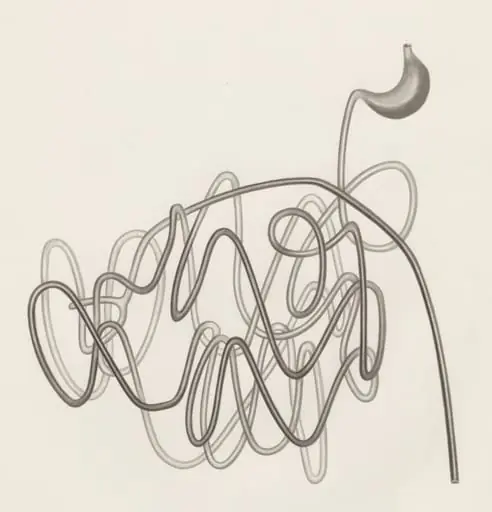
Circulatory system is a drawing by H.G, Wetselaar. It dates from 1970 and is held in the collection of the Leiden University Libraries. Created around 1970 by H.
About this work
Overview
Created around 1970 by H.G. Wetselaar, this drawing depicts an abstracted representation of the human circulatory system. Rendered in grayscale, the composition emphasizes interconnected, organic forms that suggest blood vessels and capillaries. The work is held in the collection of the Museum of Ethnography, where it is presented as a scientific illustration with artistic interpretation.
Subject & Meaning
The drawing conveys the complexity of internal bodily networks through non-literal forms. Rather than anatomical precision, it evokes the fluidity and density of vascular pathways. The tangled, overlapping shapes invite contemplation of the body as an intricate, hidden system—more felt than seen—blurring the line between biological accuracy and symbolic representation.
Technique & Style
Wetselaar employed dense shading and subtle gradations to model the forms, giving them a tactile, almost sculptural presence against the blank background. Lines curve and swell unpredictably, suggesting elasticity and pressure. Cross-hatching and layered tones create depth without outlines, emphasizing texture over structure, and reinforcing the sense of organic mass.
History & Provenance
The work entered the Museum of Ethnography’s collection in the early 1970s, likely acquired as part of a broader interest in visual interpretations of biological systems. Signed 'H.G.W.' in the lower corner, it remains one of few documented works by the artist, whose broader oeuvre is not widely recorded in public archives.
Context
Emerging during a period when scientific illustration was increasingly influenced by abstract and expressionist approaches, this piece reflects a shift away from clinical accuracy toward experiential representation. It aligns with contemporaneous explorations in art and medicine that sought to convey internal processes through intuitive, non-traditional forms.
Legacy
Though not widely reproduced, the drawing contributes to a niche tradition of artist-scientists who translated physiological knowledge into visual metaphors. Its presence in an ethnographic museum underscores how cultural institutions have historically engaged with bodily knowledge through both empirical and imaginative lenses.
Artist & collection
Artist
H.G. Wetselaar spent his days hunched over microscopes in a quiet Leiden lab, sketching what most people ignore. His pencil caught the raw architecture of bodies we pretend are smooth—like the knotted muscles of a…