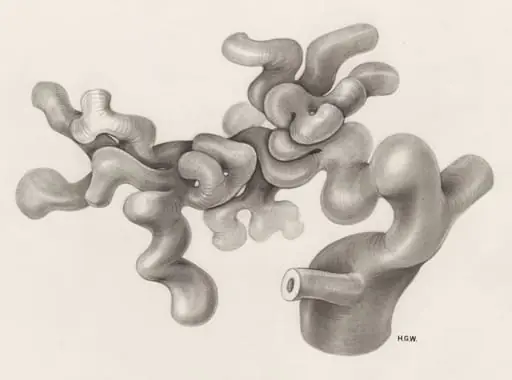
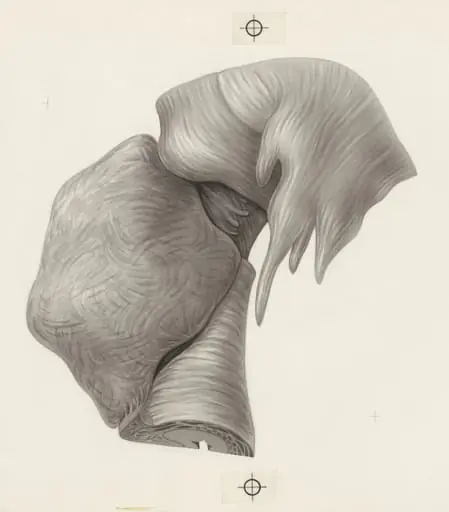
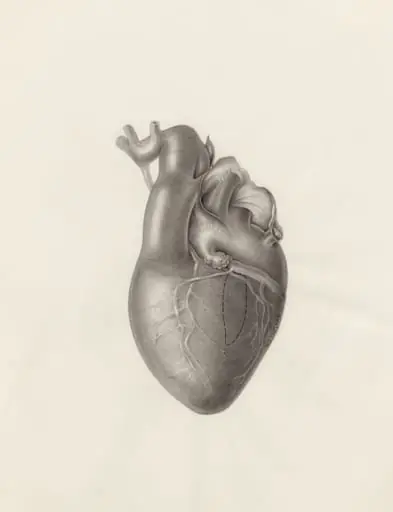
Artwork
Cross section of the cardiovascular system
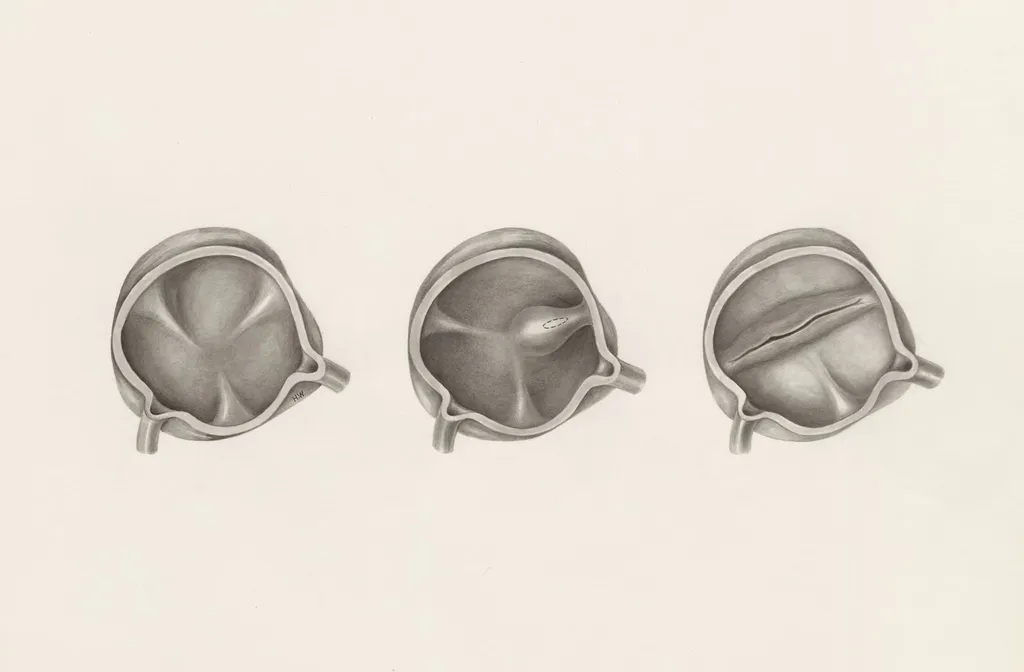
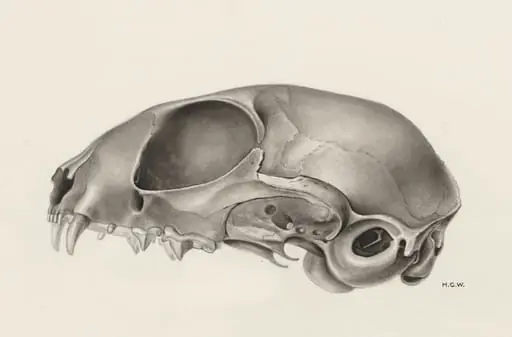
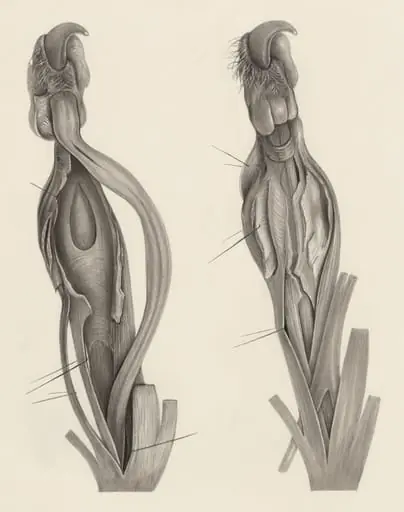
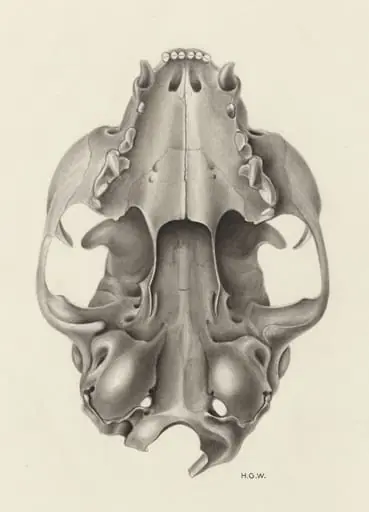
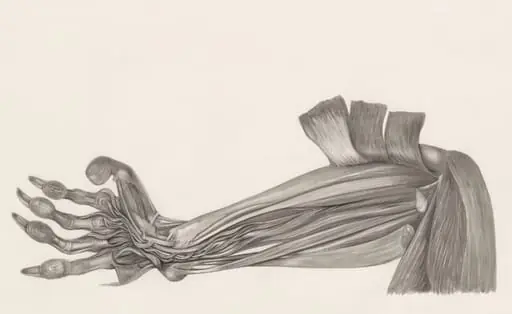
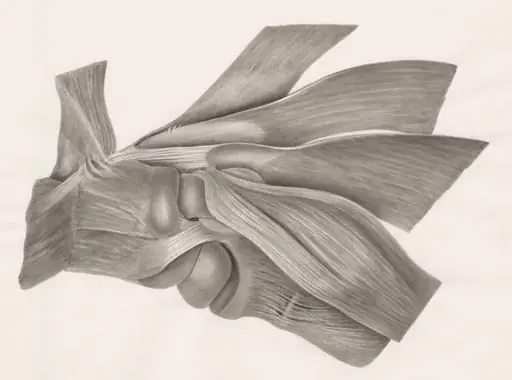
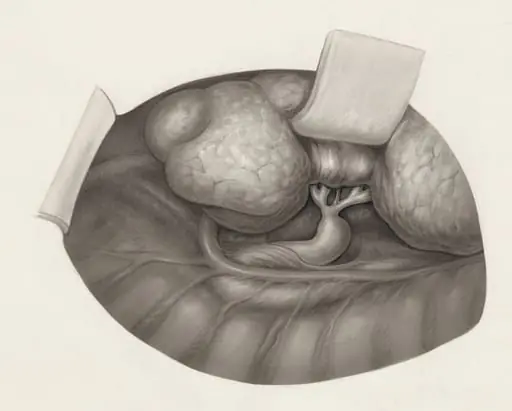
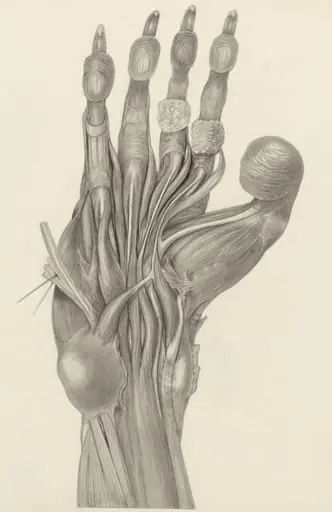
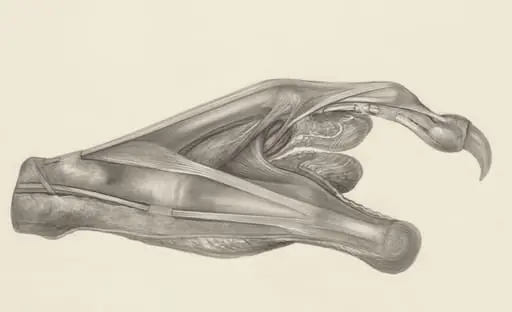
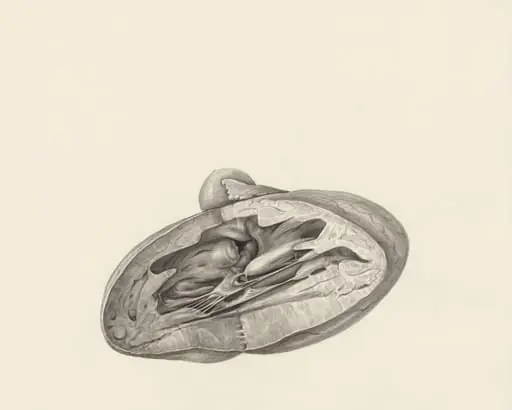
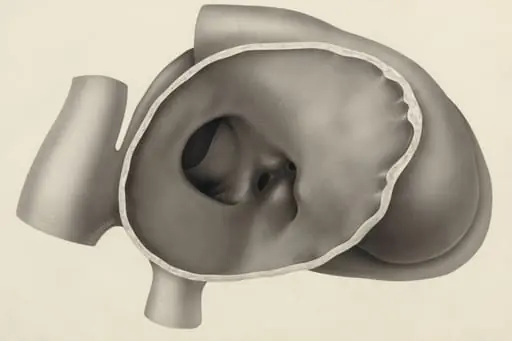
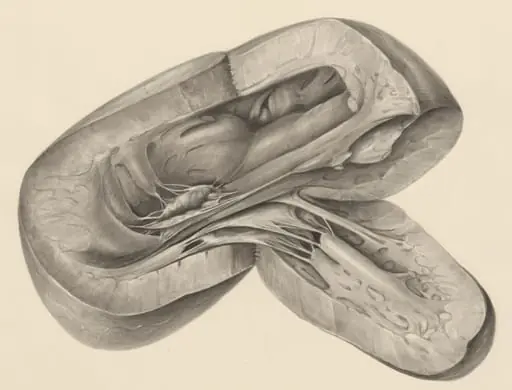
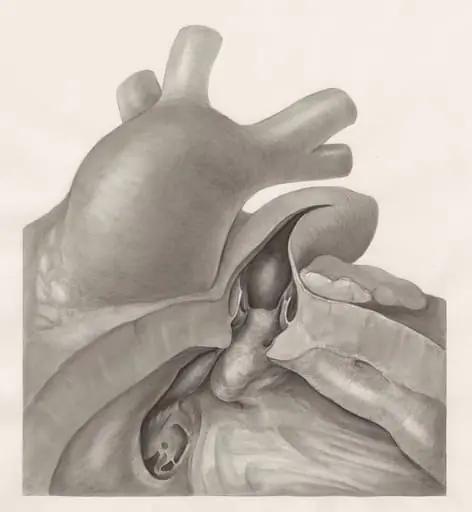
Cross section of the cardiovascular system is a drawing by H.G, Wetselaar. It dates from 1971 and is held in the collection of the Leiden University Libraries. Created in 1971 by H.
About this work
The use of cross-hatching and stippling techniques adds texture and depth to the drawings, making them visually interesting and engaging.
This painting shows three cross-sections of the cardiovascular system. The sections are drawn in a realistic style, with attention to detail and shading. They are arranged in a row, with the first section on the left and the third section on the right.
The sections show different parts of the cardiovascular system, including the heart and blood vessels. The drawings are highly detailed, with visible textures and structures. The artist has used a range of techniques to create depth and dimension in the drawings.
The level of detail and realism in the drawings suggests that the artist is highly skilled and knowledgeable about the subject matter. The use of cross-hatching and stippling techniques adds texture and depth to the drawings, making them visually interesting and engaging. If you're interested in learning more about the artist behind this piece, you might want to look up Wetselaar, H.G, (1926-).
Overview
Created in 1971 by H.G. Wetselaar, this image presents three adjacent cross‑sections of the human cardiovascular system. The work is part of the collection of the Museum of Ethnography. Each panel displays a distinct anatomical region, ranging from the heart to surrounding vessels, rendered in a continuous visual field that invites close inspection.
Subject & Meaning
The three panels function as an anatomical study, exposing the interior structures of the circulatory system. By slicing the body longitudinally, the artist reveals the spatial relationships between heart chambers, arteries, and veins, emphasizing the complexity and interdependence of the system that sustains life.
Technique & Style
Wetselaar employs a realistic drawing approach, using fine cross‑hatching and stippling to convey texture, volume, and depth. Careful shading creates a three‑dimensional impression of muscular tissue and vascular walls, while the consistent line work across the panels underscores a methodical, scientific precision.
History & Provenance
The piece was produced in the early 1970s, a period when detailed anatomical illustration was often used for educational purposes. It entered the Museum of Ethnography’s holdings shortly after its creation, where it remains accessible for study and public display.
Artist & collection
Artist
H.G. Wetselaar spent his days hunched over microscopes in a quiet Leiden lab, sketching what most people ignore. His pencil caught the raw architecture of bodies we pretend are smooth—like the knotted muscles of a…