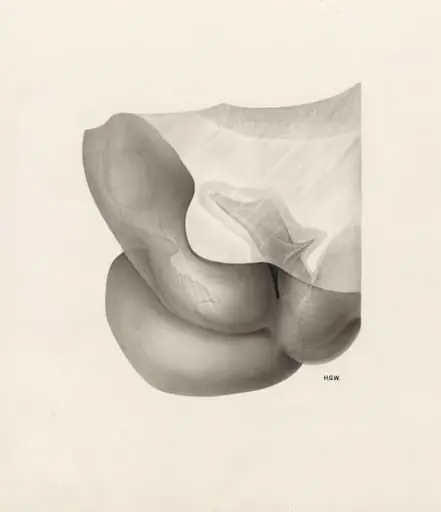
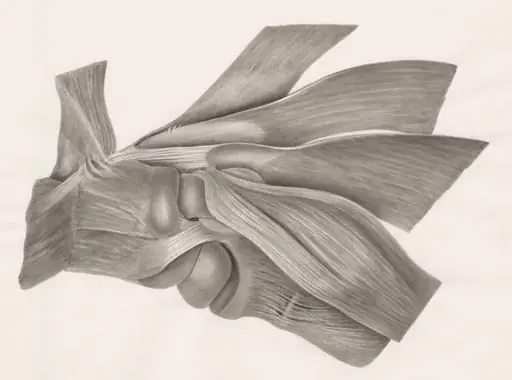
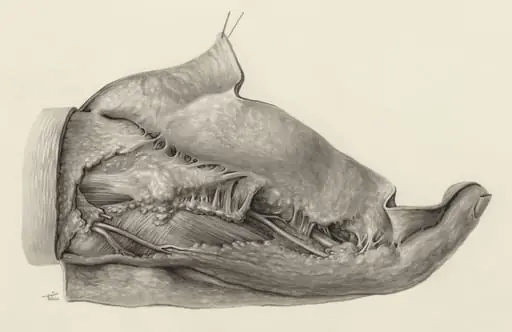
Artwork
Operation on human tissue
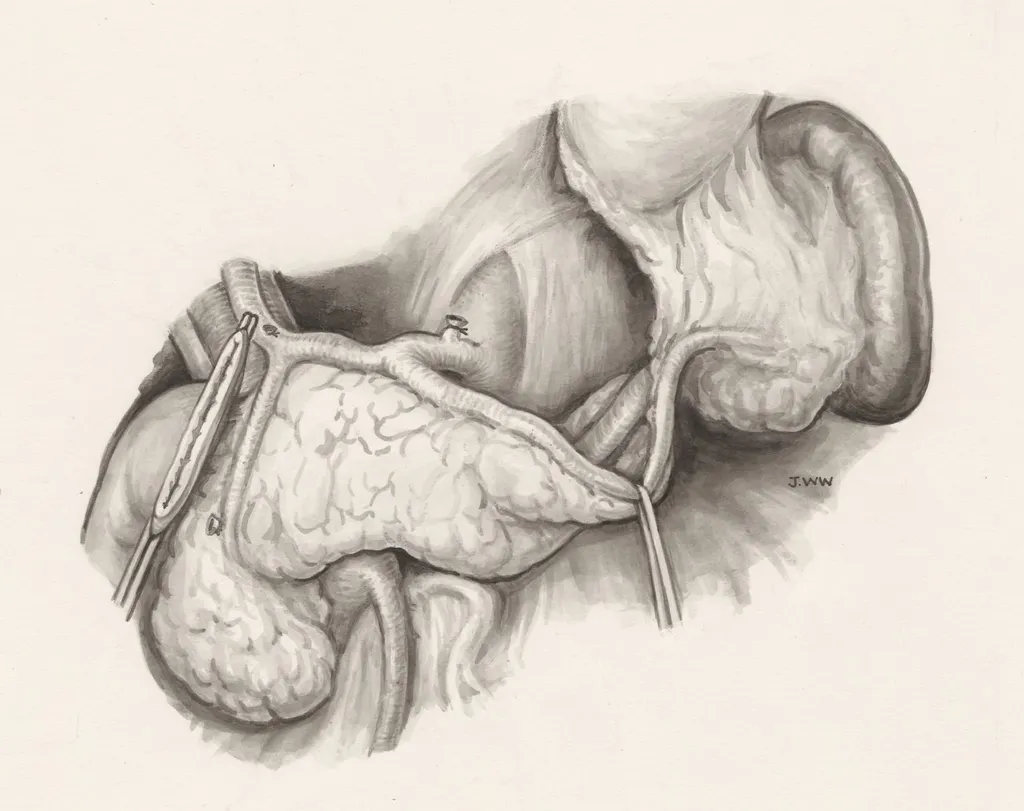
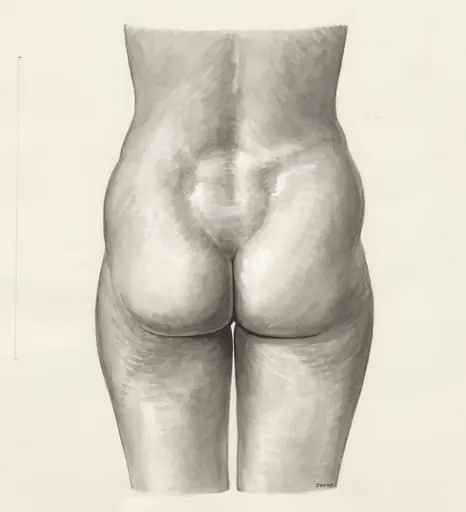
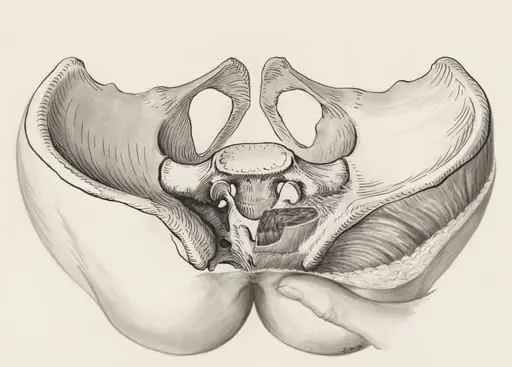
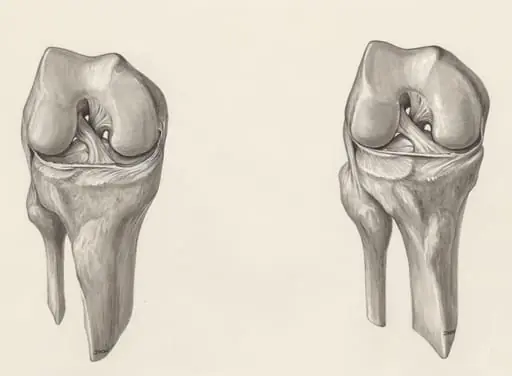
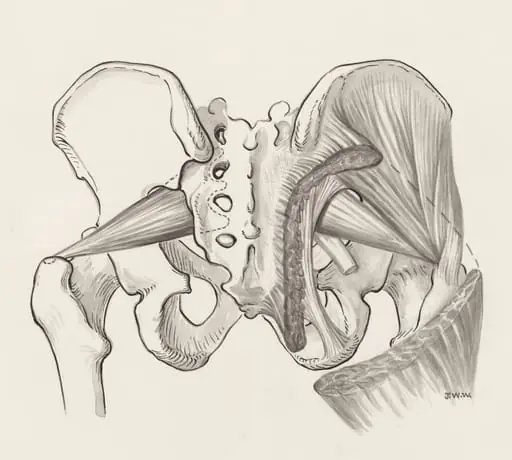
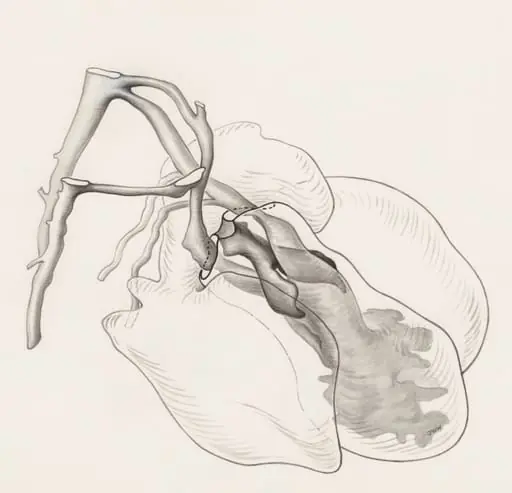
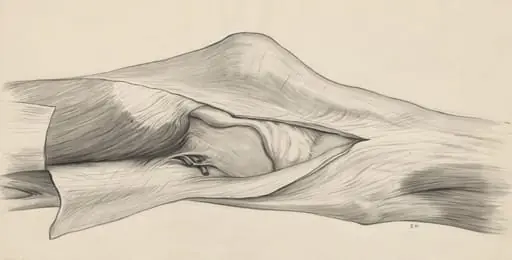
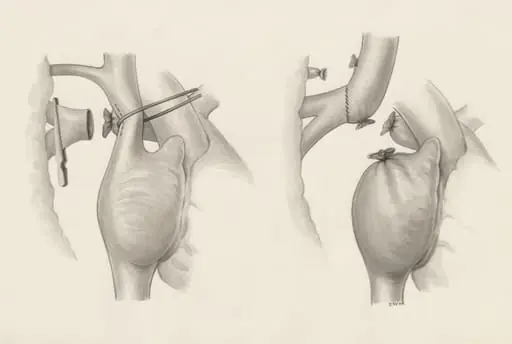
Operation on human tissue is a drawing by J Wetselaar-Whittaker. It dates from 1989 and is held in the collection of the Leiden University Libraries. Created in 1989 by J.
About this work
Overview
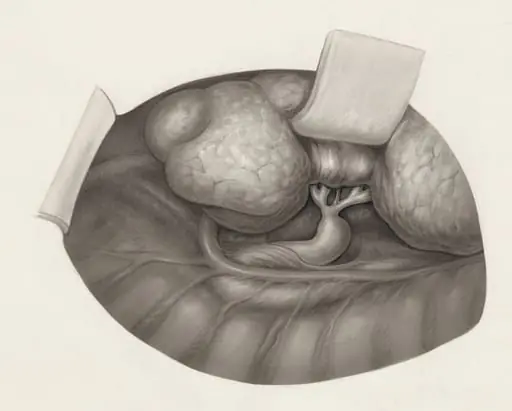
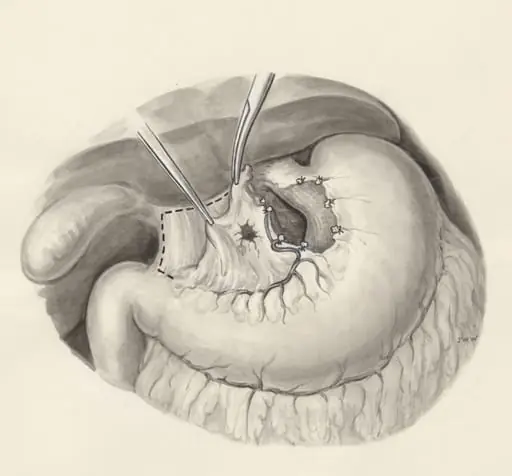
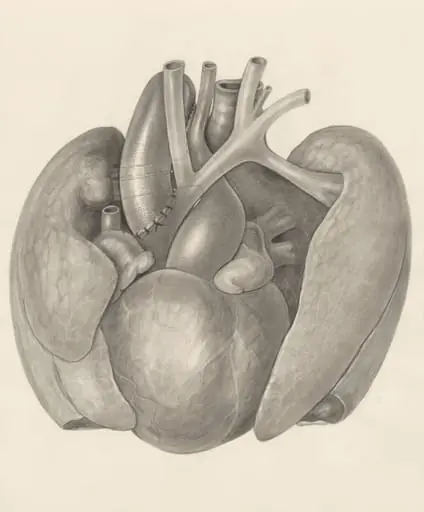
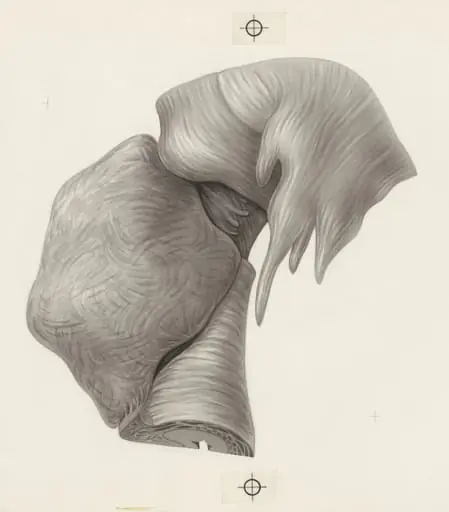
Created in 1989 by J. Wetselaar-Whittaker, this graphite drawing depicts a surgical intervention on human tissue. The work is part of the collection at the Museum of Ethnography. Rendered entirely in grayscale, it captures a moment of clinical intervention with intense focus on the physicality of the body. The composition avoids abstraction, presenting the scene with unflinching directness.
Subject & Meaning
The subject is not idealized; instead, it presents the raw reality of anatomical exploration without sentimentality.
The drawing portrays two hands carefully separating layers of tissue, revealing underlying structures. The hands appear sanitized and deliberate, contrasting with the irregular, organic surfaces beneath. This juxtaposition evokes the tension between medical control and bodily vulnerability. The subject is not idealized; instead, it presents the raw reality of anatomical exploration without sentimentality.
Technique & Style
The artist employs precise cross-hatching to model form and depth, using gradations of gray to suggest texture and shadow. Lines are tightly controlled, defining edges of skin, muscle, and tools with clinical clarity. The absence of color and the monochromatic palette reinforce the scientific tone, while the detailed rendering invites close, almost forensic observation.
History & Provenance
The work entered the Museum of Ethnography’s collection shortly after its creation. Its origin lies in the artist’s engagement with medical imagery and the ethics of representation. No public record of prior ownership exists, suggesting it was produced as a standalone piece intended for institutional context rather than commercial display.
Context
Made during a period of growing public interest in medical ethics and anatomical visualization, the drawing reflects broader cultural dialogues around the body as both object of study and site of lived experience. It aligns with contemporary artistic practices that interrogate the boundaries between science, art, and the human form.
Legacy
The drawing remains a quiet reference in discussions of medical art, noted for its restrained aesthetic and unembellished subject matter. It has not been widely reproduced but continues to inform exhibitions on the intersection of medicine and visual culture. Its enduring value lies in its unmediated portrayal of a moment rarely seen outside clinical settings.
Artist & collection
Artist
This artist made precise studies of the body—drawings and sculptures that cut straight to the bones, muscles, and tissues.