Artwork
Right foot
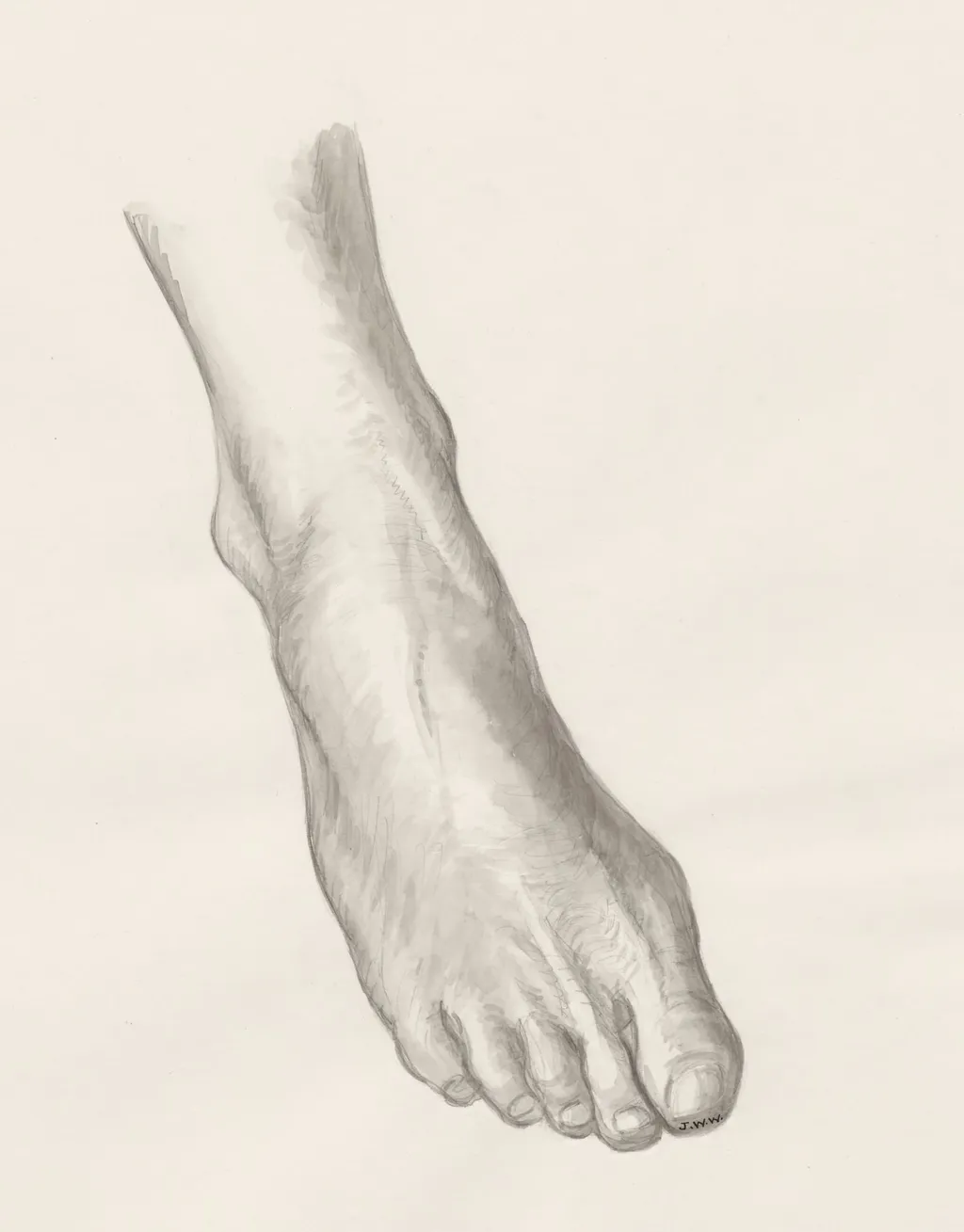
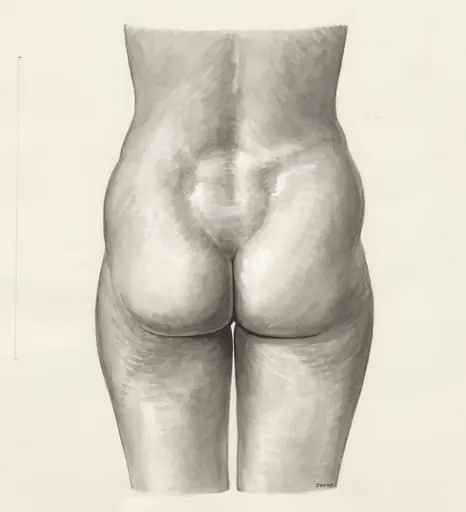
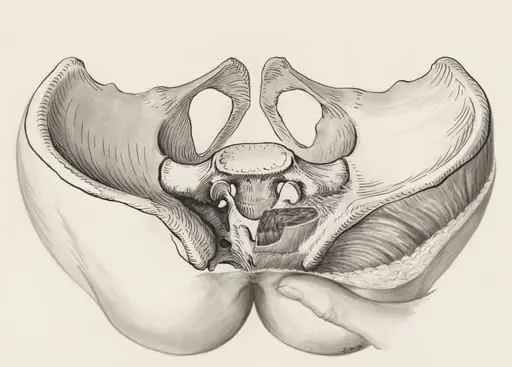
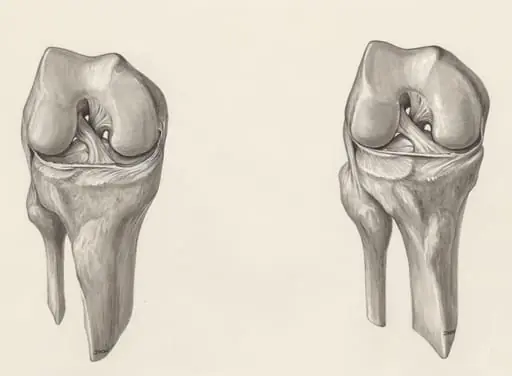
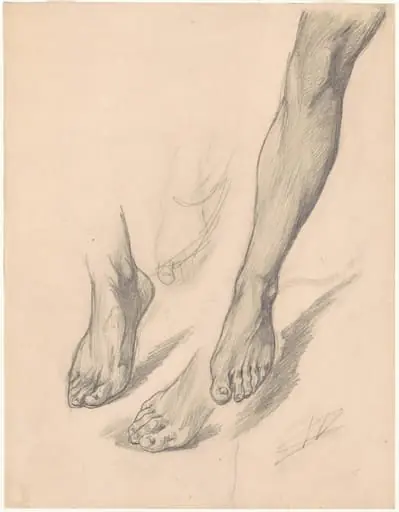
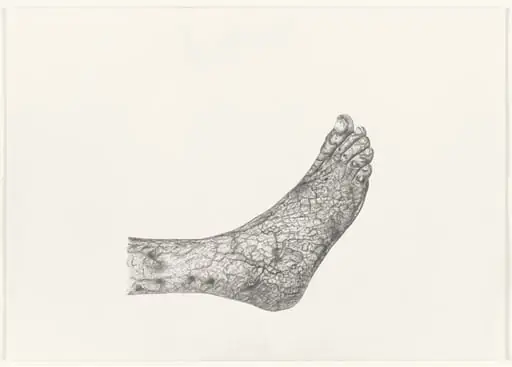
Right foot is a drawing by J Wetselaar-Whittaker. It dates from 1970 and is held in the collection of the Leiden University Libraries. Created around 1970 by J.
About this work
Overview
The composition eliminates context, isolating the foot against a blank surface to emphasize its physical presence.
Created around 1970 by J. Wetselaar-Whittaker, this drawing depicts a single bare right foot rendered in pencil or similar medium. It is part of the collection at the Museum of Ethnography. The composition eliminates context, isolating the foot against a blank surface to emphasize its physical presence. The work belongs to a quiet tradition of observational drawing that values detail over narrative.
Subject & Meaning
The subject is an ordinary human foot, shown in a natural, unposed stance with toes slightly splayed and the big toe angled downward. The focus on texture—creases, rough skin, minor blemishes—suggests an interest in the body as a record of lived experience. There is no symbolic or cultural reference; meaning arises from the quiet attention paid to an everyday anatomical form.
Technique & Style
The artist uses subtle light shading to suggest volume and surface variation, avoiding strong outlines or dramatic contrast. Lines are restrained, with cross-hatching employed sparingly to define creases and the contours of the sole. The absence of background and the intimate scale reinforce a sense of direct observation, prioritizing tactile realism over stylistic flourish.
History & Provenance
The work entered the Museum of Ethnography’s collection in the early 1970s, likely acquired directly from the artist. Its inclusion in an ethnographic institution, rather than a fine arts setting, reflects a broader interest in documenting human anatomy as a cultural and biological artifact. No earlier exhibition or publication history is documented.
Context
Made during a period when some artists turned away from abstraction toward intimate, realist studies of the body, this drawing aligns with a quieter current in postwar art. Its placement in an ethnographic museum suggests a conceptual link between the human form and cultural documentation, though the work itself avoids explicit cultural commentary.
Legacy
The drawing remains a modest but persistent example of close-looking in contemporary drawing practice. It has not been widely reproduced or cited, but its presence in the museum’s collection continues to invite viewers to consider the significance of ordinary bodily details. It serves as a quiet reference for those exploring the aesthetics of anatomical observation.
Artist & collection
Artist
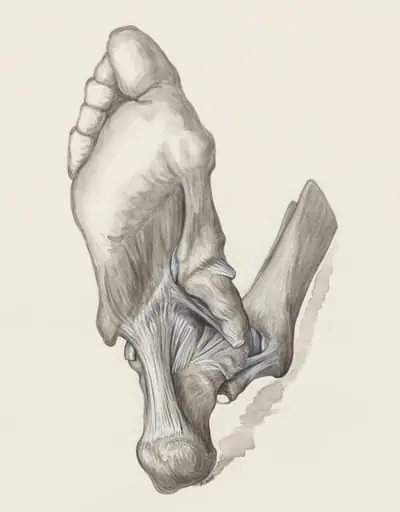
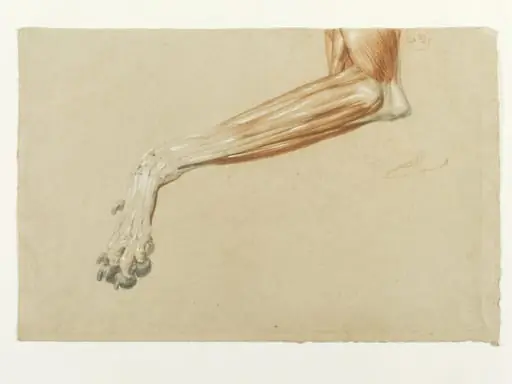
This artist made precise studies of the body—drawings and sculptures that cut straight to the bones, muscles, and tissues.