Artwork
Ecorche drawing of a dog's leg
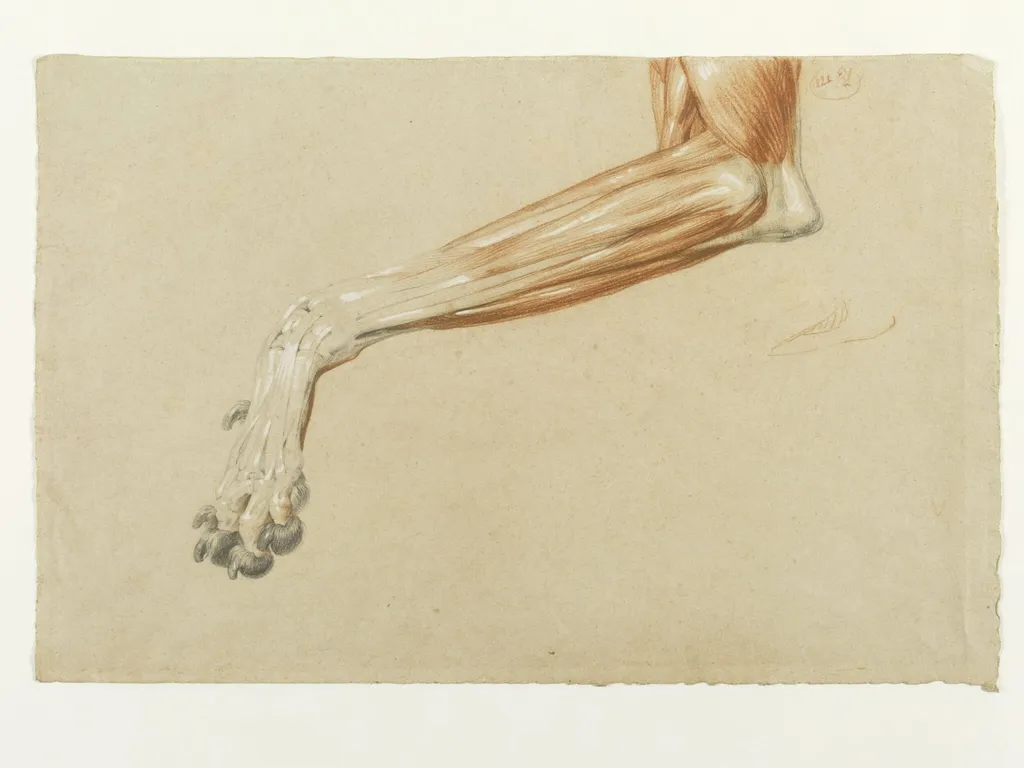
Ecorche drawing of a dog's leg is a drawing by the Romanticist artist Edwin Landseer. It dates from 1821 and is held in the collection of the Victoria and Albert Museum. This drawing presents a detailed, stripped‑down view of a dog’s hind leg, exposing the skeletal framework and muscular structure.
About this work
Overview
This drawing presents a detailed, stripped‑down view of a dog’s hind leg, exposing the skeletal framework and muscular structure. Executed as an écorché study, it functions as a visual guide to animal anatomy rather than a depiction of a living creature.
Subject & Meaning
The work isolates the leg of a canine, removing skin to reveal the underlying bones and muscles. By presenting the anatomy in this transparent manner, the drawing serves as an instructional reference for understanding the form and function of a dog’s locomotor system.
Technique & Style
Rendered in fine pen and ink, the drawing emphasizes precise line work to delineate each muscle and bone. The meticulous rendering reflects the artist’s commitment to anatomical accuracy, a hallmark of his early studies.
History & Provenance
Created between 1817 and 1821, the piece belongs to a series of eight anatomical studies of dogs and cats produced by the artist while still in his teens. The series is now part of the Victoria and Albert Museum’s collection.
Context
The artist’s interest in animal anatomy was nurtured through formal instruction with the eminent surgeon Sir Charles Bell and informal observation of live specimens at a London menagerie. These experiences informed the rigorous anatomical approach evident in this drawing.
Artist & collection

Artist
Sir Edwin Henry Landseer was an English painter and sculptor, well known for his paintings of animals – particularly horses, dogs, and stags. His best-known work is the lion sculptures at the base of Nelson's Column in Trafalgar Square.

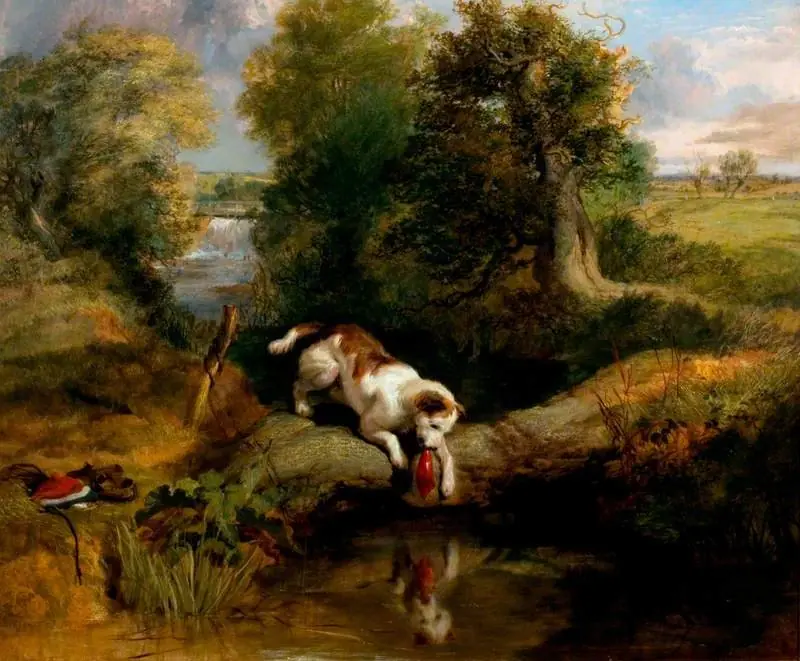
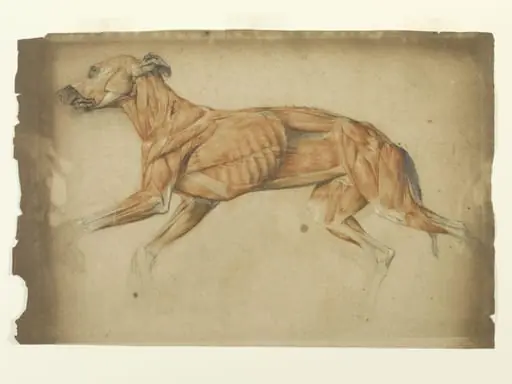 Ecorche drawing of a greyhound
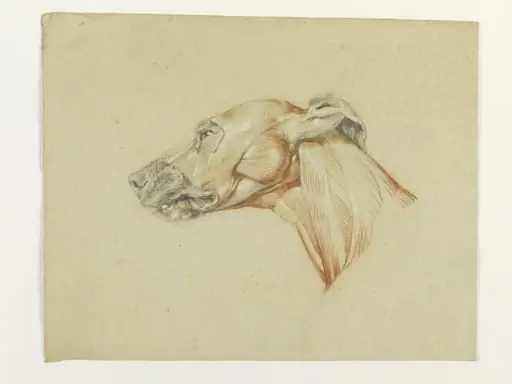 Ecorche drawing of the head of a greyhound
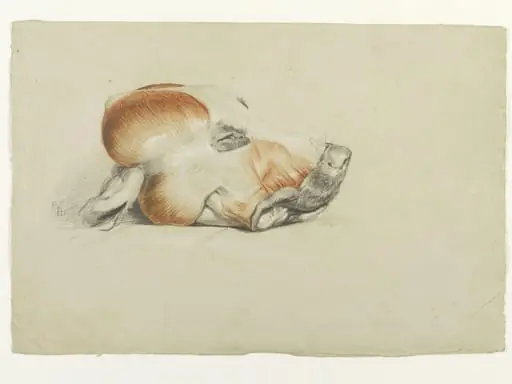 Ecorche drawing of the head of a dog
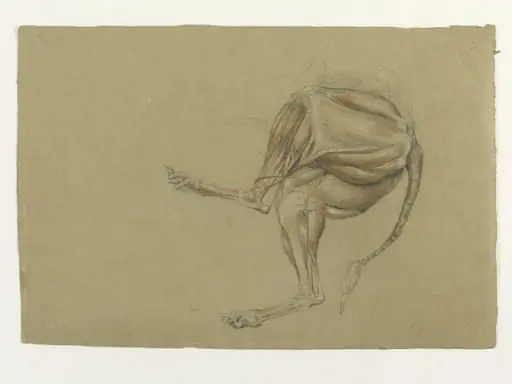 Ecorche drawing of the hind legs of a dog
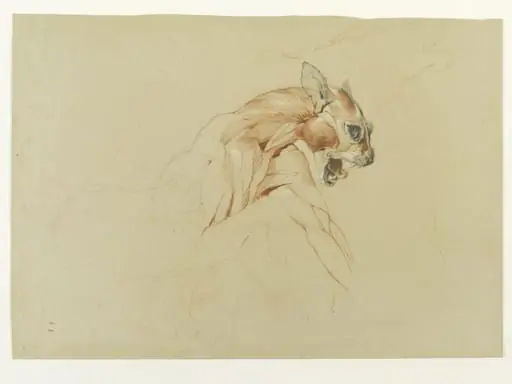 Ecorche drawing of the head and upper body of a wild cat
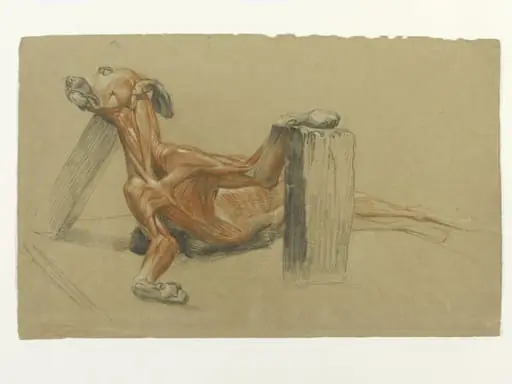 Ecorche drawing of a greyhound supported by planks
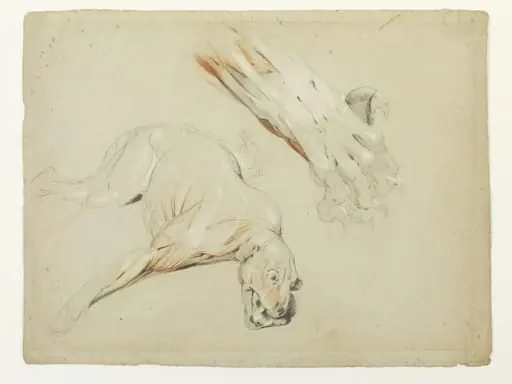 Ecorche drawing of a dog and enlarged detail of a paw
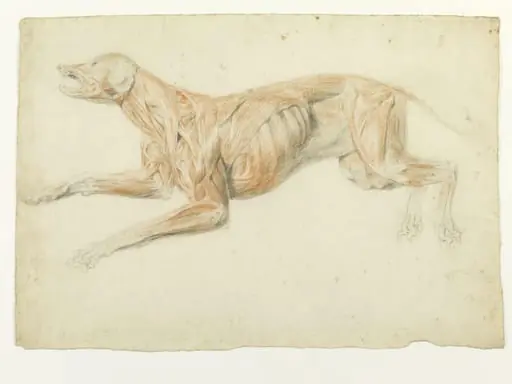 Ecorche drawing of a dog
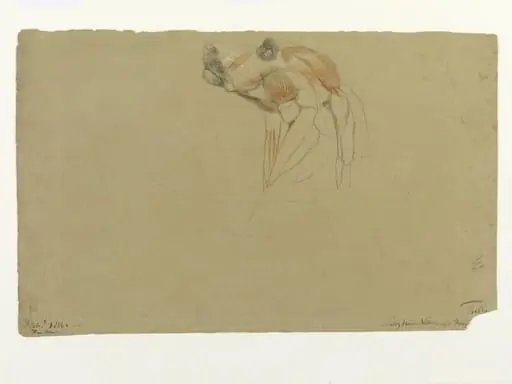 Ecorche drawing of the head of a dog
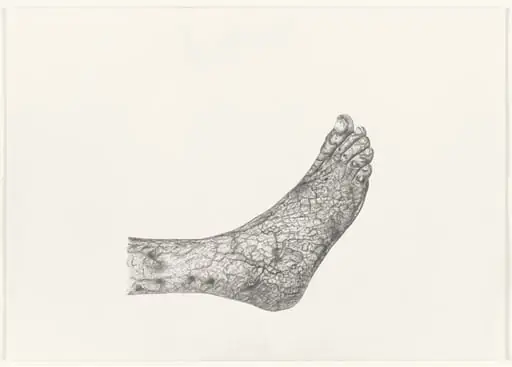 Untitled
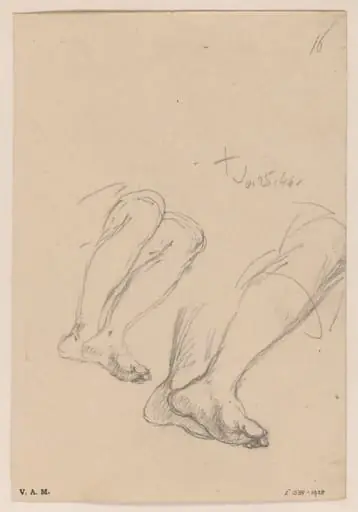 Two drawings of a pair of legs