Artwork
Merchandise on display for a shop
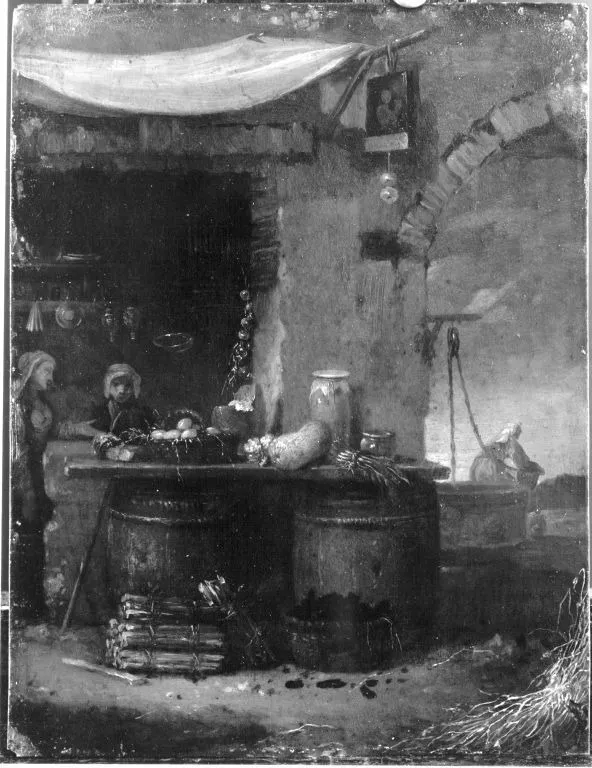
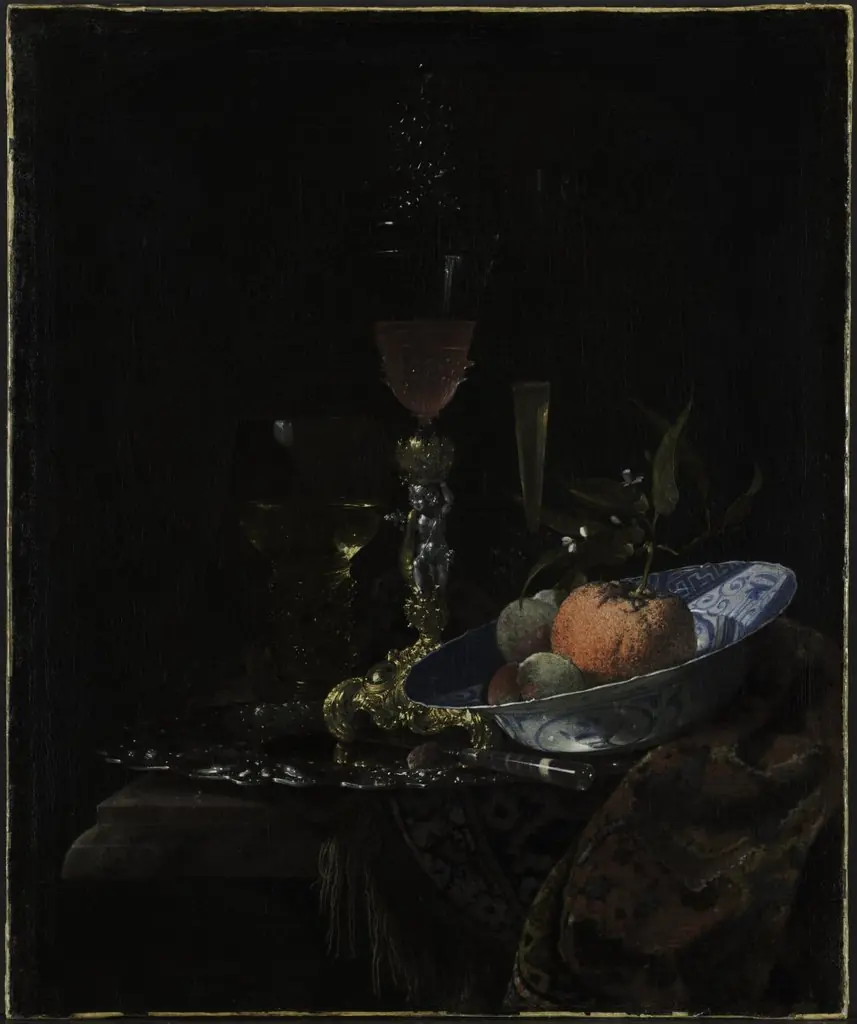
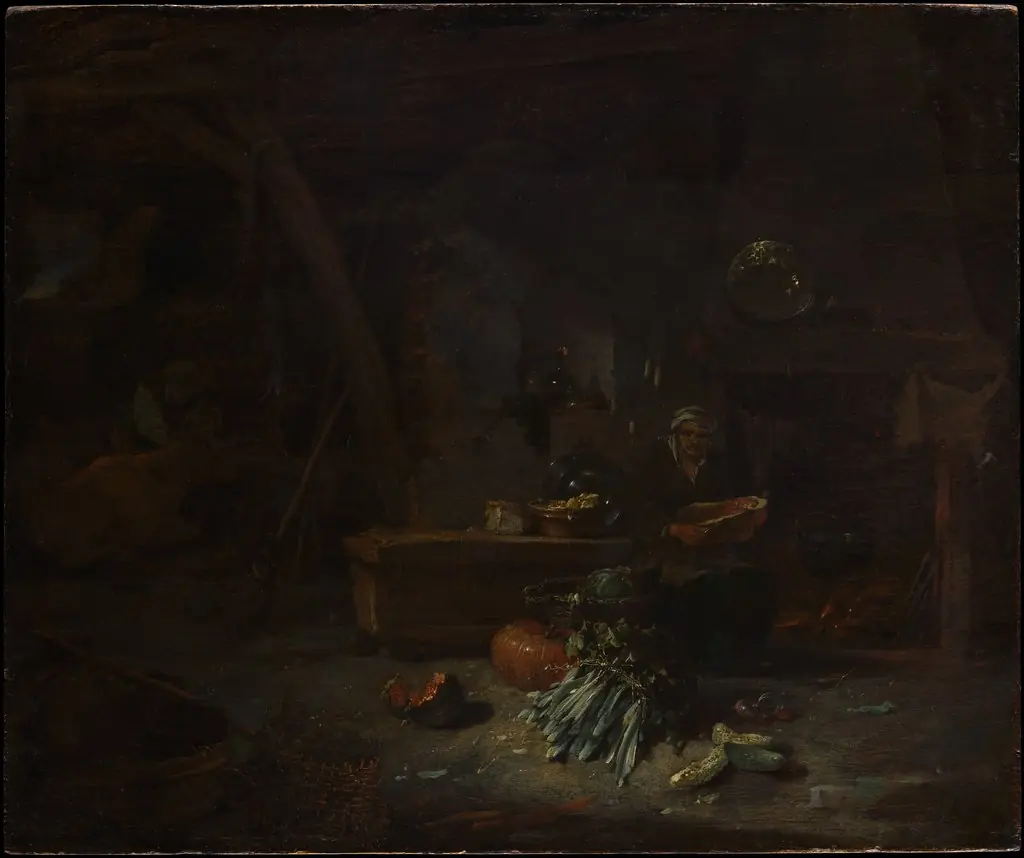
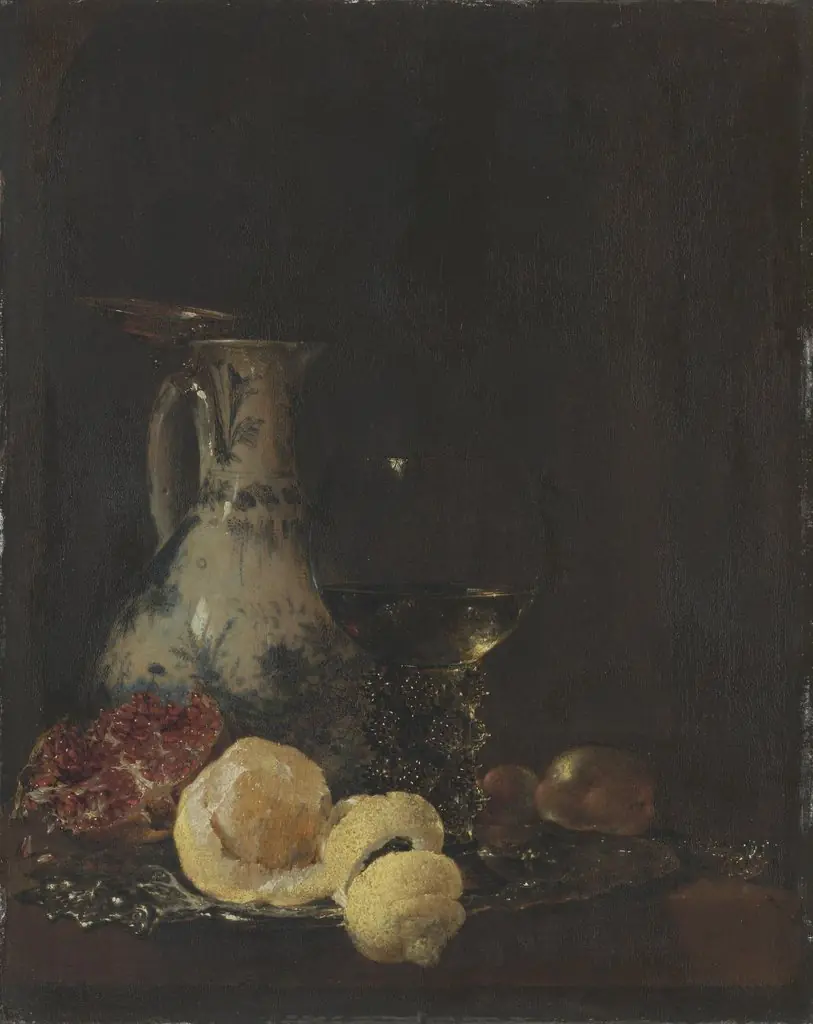
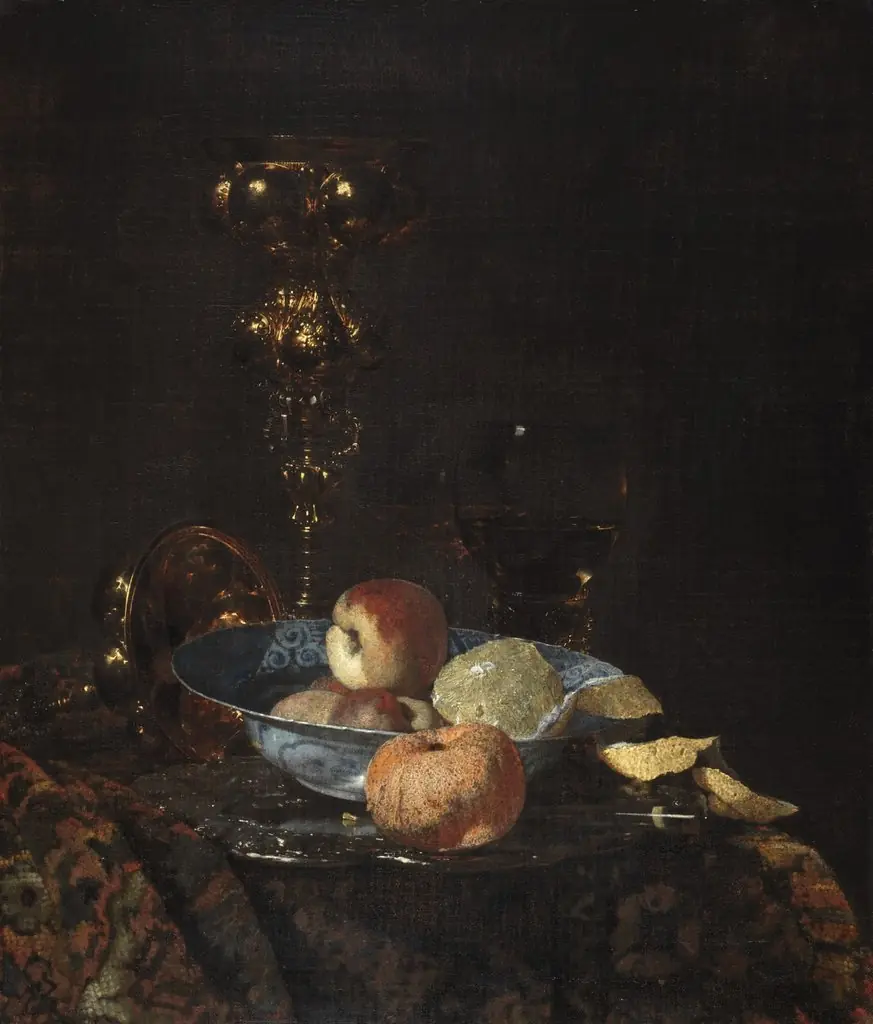
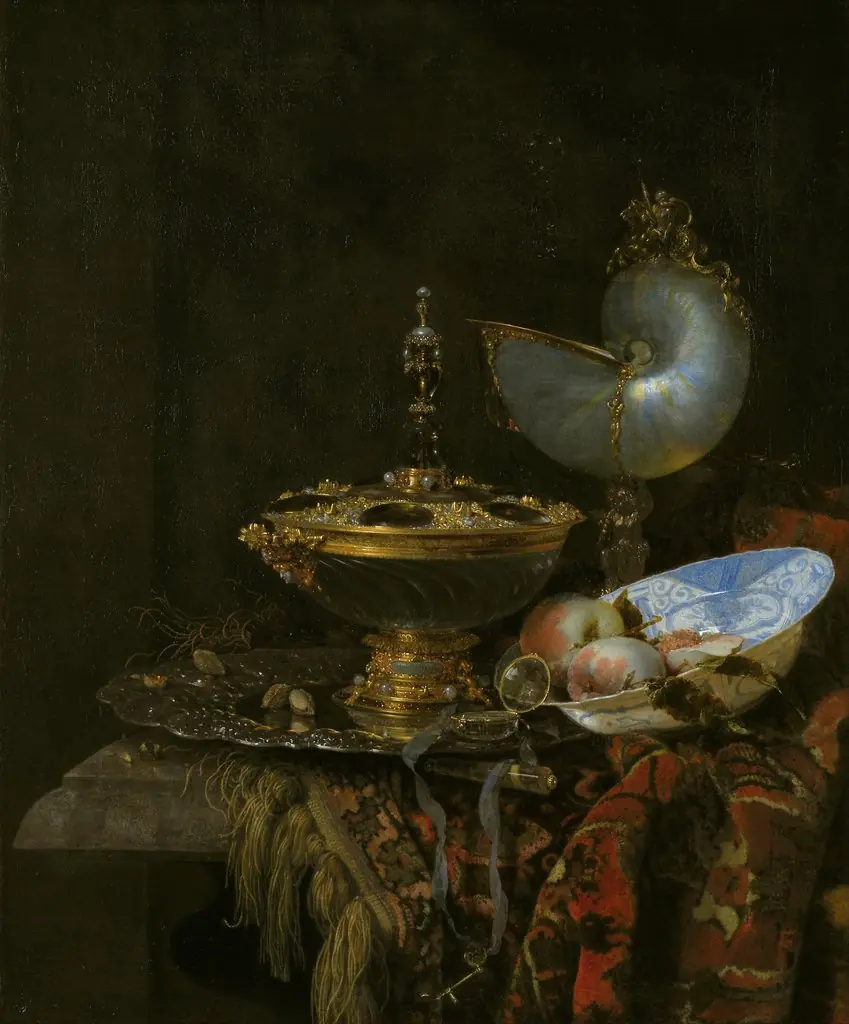
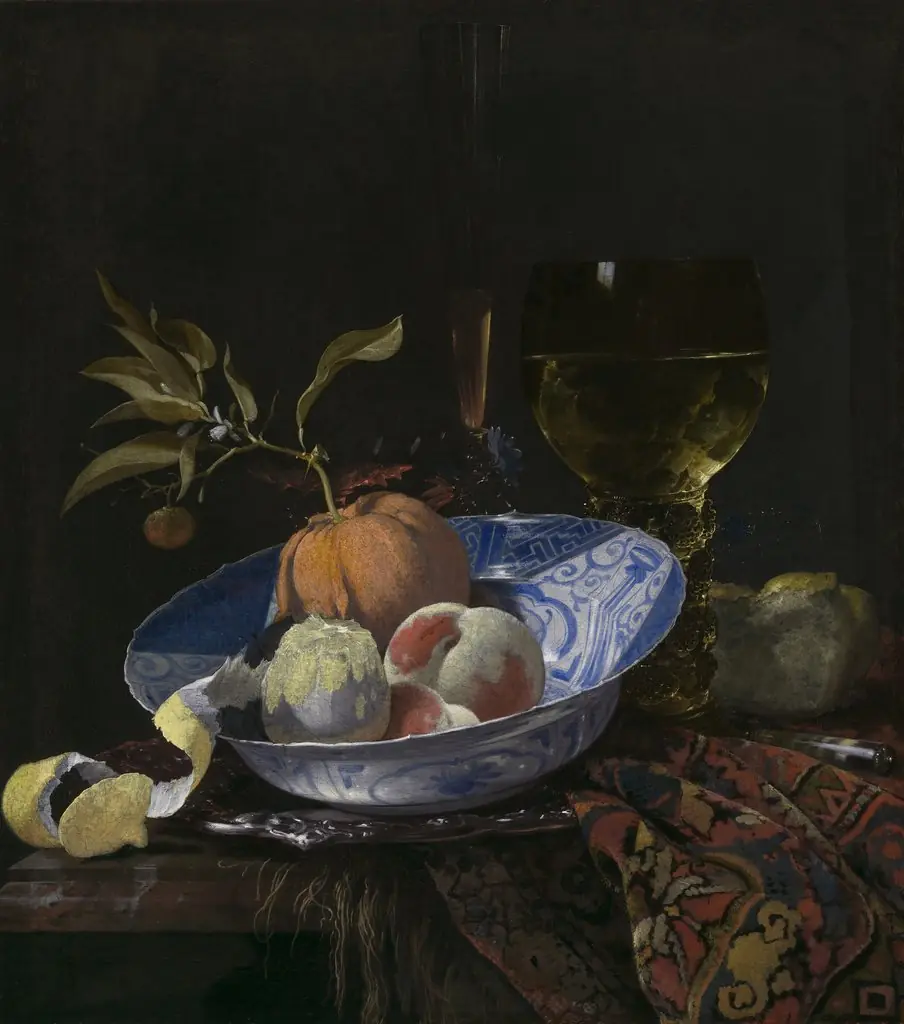
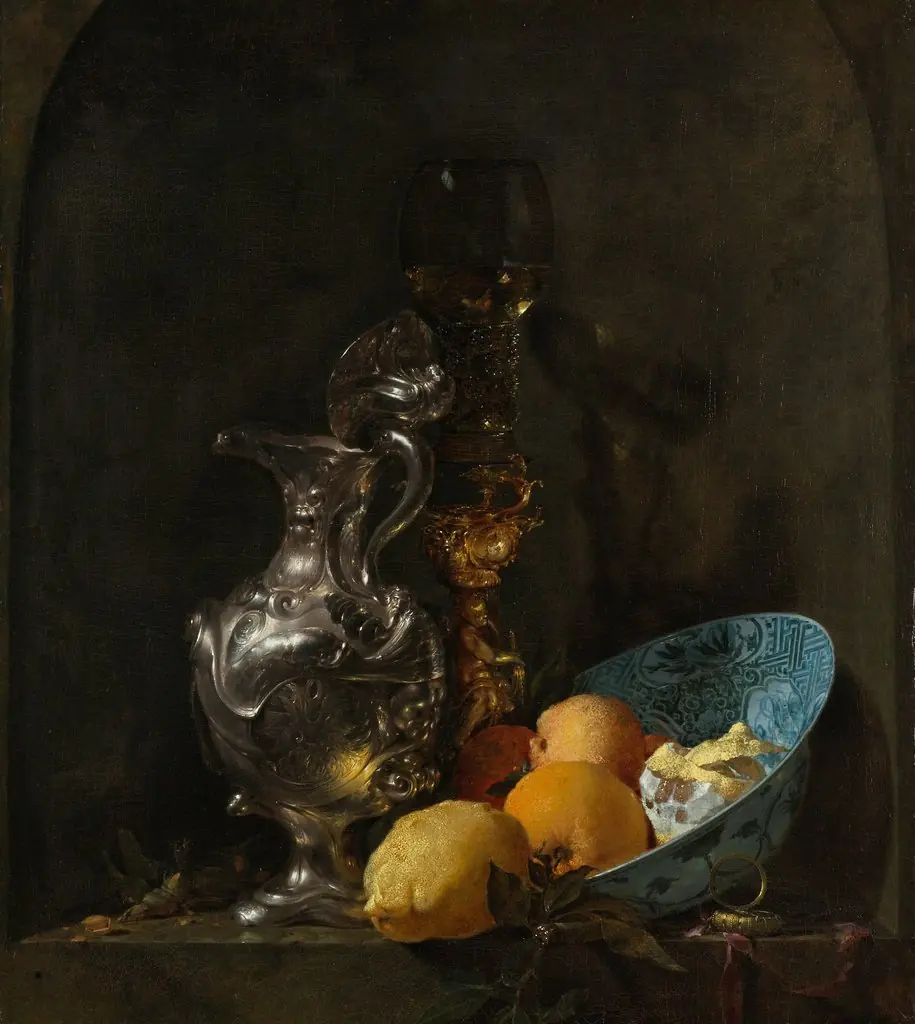
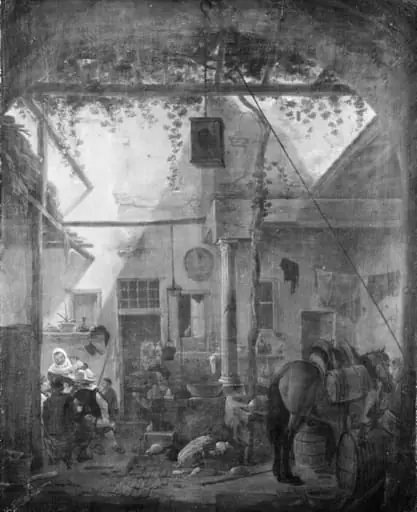
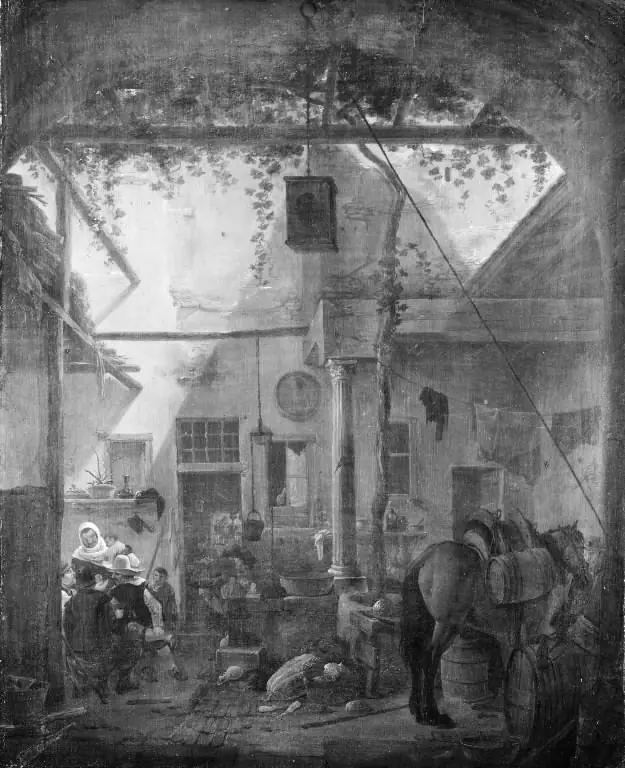
Merchandise on display for a shop is an oil painting by the Dutch Golden Age artist Willem Kalf. It dates from 1642 and is held in the collection of the Bavarian State Painting Collections.
About this work
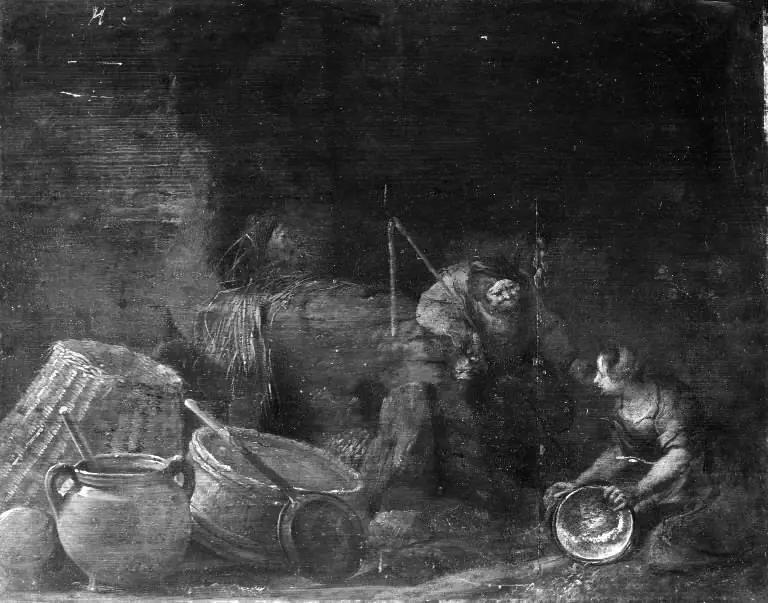
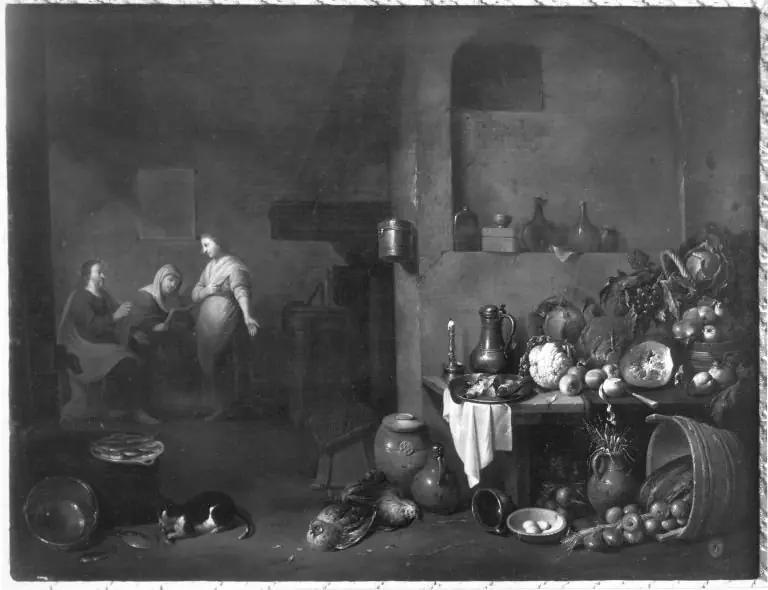
The artist, Willem Kalf, has depicted a shop with various items on display, including fruits, vegetables, and other goods.
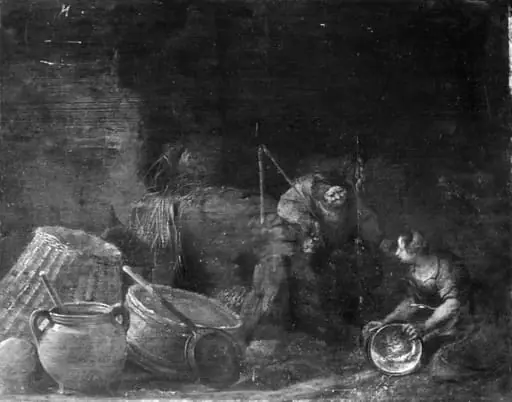
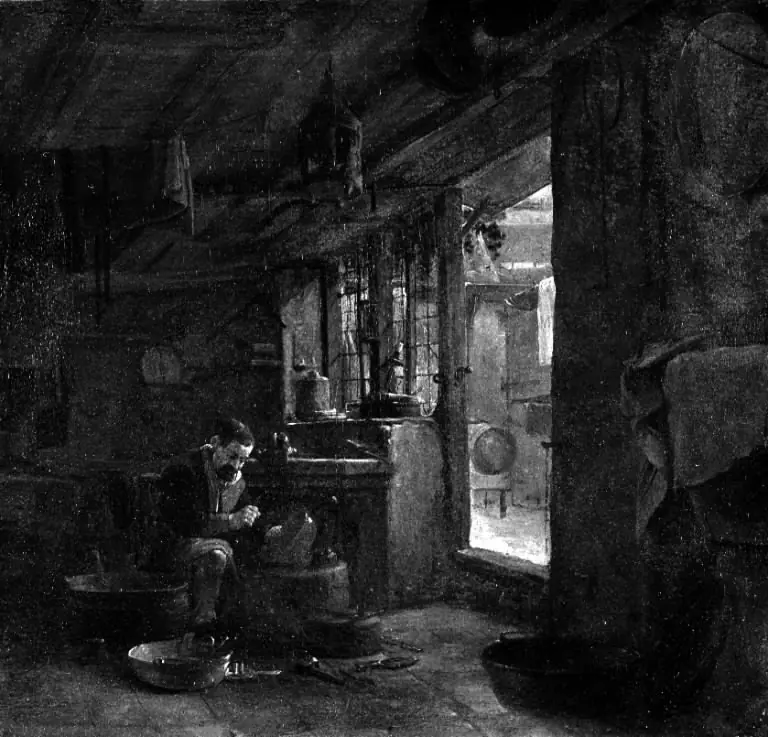
This painting, titled "Merchandise on display for a shop", showcases a scene of everyday life in the 17th century. The artist, Willem Kalf, has depicted a shop with various items on display, including fruits, vegetables, and other goods. The scene is set against a backdrop of a stone wall, with a few people visible in the distance.
The painting is rendered in a realistic style, with attention to detail and texture. The use of light and shadow adds depth and dimension to the scene, creating a sense of atmosphere and mood. The overall effect is one of quiet contemplation, inviting the viewer to step into the world of the painting.
To learn more about the artist behind this work, look up Willem Kalf.
Overview
Created in 1642, this copper painting by Willem Kalf presents a meticulously arranged shop interior. The composition centers on an assortment of produce and commodities displayed on a stone wall, with faint figures positioned in the background. The work exemplifies the Dutch Golden Age’s fascination with detailed, market‑scene still lifes, inviting viewers to observe the quiet rhythm of 17th‑century commerce.
Subject & Meaning
The canvas depicts a modest retail setting, where fruits, vegetables and assorted wares are laid out for potential buyers. By emphasizing the texture of each item and the subdued presence of shoppers, Kalf highlights the everyday luxury of abundant goods, suggesting both the prosperity of the period and the contemplative appreciation of material abundance.
Technique & Style
Executed on a copper support, the painting benefits from the metal’s smooth surface, allowing Kalf to render fine details with precise brushwork. His handling of light creates a subtle chiaroscuro, modeling the objects’ surfaces and giving depth to the stone backdrop. The realistic rendering aligns with the pronkstilleven tradition, where meticulous observation meets a polished, almost photographic clarity.
History & Provenance
Since its creation, the work has remained in European collections, eventually entering the holdings of Munich’s Alte Pinakothek. The museum acquired the piece as part of its extensive Dutch Golden Age assemblage, where it continues to be displayed among other works that illustrate the period’s commercial and artistic vitality.
Context
Kalf’s career flourished during a time when Dutch merchants amassed wealth from global trade, fueling a market for art that celebrated opulent still lifes. This painting reflects that cultural climate, portraying not only the goods themselves but also the material culture that defined mid‑17th‑century Dutch society.
Artist & collection
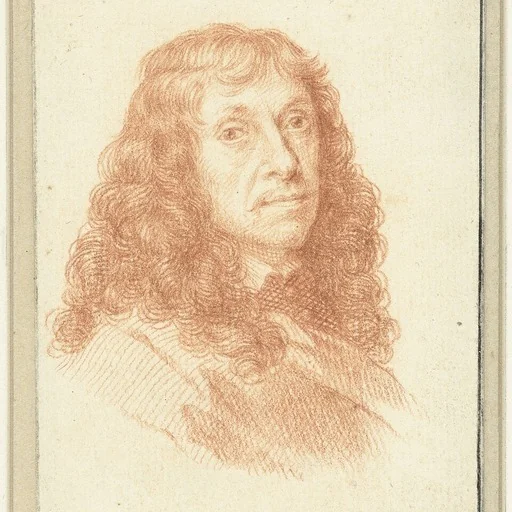
Artist
Willem Kalf (1619 – 31 July 1693) was one of the most prominent Dutch still-life painters of the 17th century, the Dutch Golden Age.