Artwork
The Combat: Woman Pleading for the Vanquished
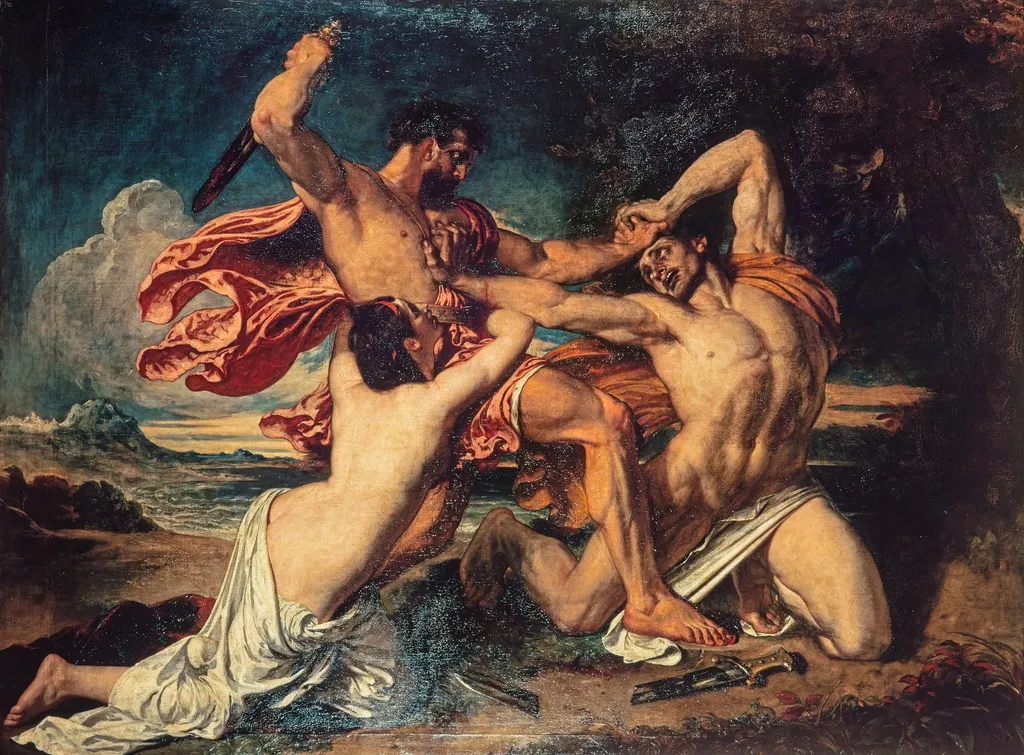
The Combat: Woman Pleading for the Vanquished is an oil painting by the British Romanticist artist William Etty. It dates from 1825 and is held in the collection of the National Galleries Scotland.
About this work
Overview
The work was widely acclaimed for its technical command and emotional gravity, though it initially lacked a buyer until acquired by fellow artist John Martin.
The Combat: Woman Pleading for the Vanquished is a large-scale oil painting by William Etty, first displayed in 1825. It depicts a moment of violent confrontation interrupted by an act of supplication. Unlike contemporary history paintings rooted in classical or biblical narratives, Etty conceived the scene entirely from imagination. The work was widely acclaimed for its technical command and emotional gravity, though it initially lacked a buyer until acquired by fellow artist John Martin.
Subject & Meaning
The painting portrays a defeated warrior on his knees, his weapon broken, as a victorious soldier raises his sword to strike. A woman, nearly nude and draped in white, clutches the victor’s arm in desperate plea. Etty intended the scene as a moral meditation on mercy, contrasting brutality with compassion. The absence of a known literary or historical source underscores the artist’s focus on universal human emotion rather than narrative tradition.
Technique & Style
Etty employed rich, saturated colors and precise anatomical rendering, drawing influence from Renaissance and Venetian traditions, as well as the sculptural forms of the Elgin Marbles. The figures are rendered with sculptural solidity, their musculature and drapery carefully modeled to convey tension and vulnerability. The rocky shoreline and distant sea provide a restrained backdrop, heightening the drama of the central figures through contrast and spatial clarity.
History & Provenance
After its debut at the Royal Academy Summer Exhibition in 1825, the painting remained unsold until acquired by John Martin, who found it too large for his residence. In 1831, Martin transferred it to the Royal Scottish Academy. It was later moved to the National Gallery of Scotland in 1910, where it has remained. Its journey reflects both its initial commercial unpopularity and its eventual recognition as a significant work within British art collections.
Context
In early 19th-century Britain, history painting typically drew from classical mythology, scripture, or literature. Etty’s decision to invent a scene without textual precedent was unconventional. His focus on nude figures in a non-religious, non-historical context also challenged prevailing norms, yet his technical rigor earned critical respect even as his subject matter provoked debate about propriety and artistic freedom.
Legacy
The Combat established Etty as a painter of moral and physical intensity, influencing later artists interested in the human form and emotional narrative. While not widely imitated, its bold departure from narrative conventions marked a shift toward personal, psychologically driven compositions in British art. Its continued presence in a national collection affirms its role as a pivotal, if controversial, work in the development of Victorian painting.
Own this work as a print
Artist & collection
Artist
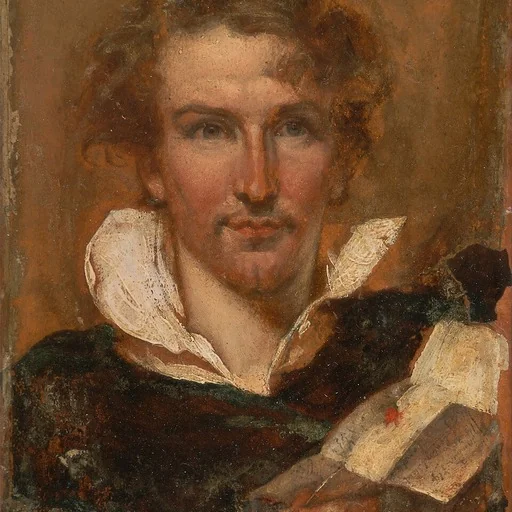
William Etty (10 March 1787 – 13 November 1849) was an English artist best known for his historical paintings containing nude figures.

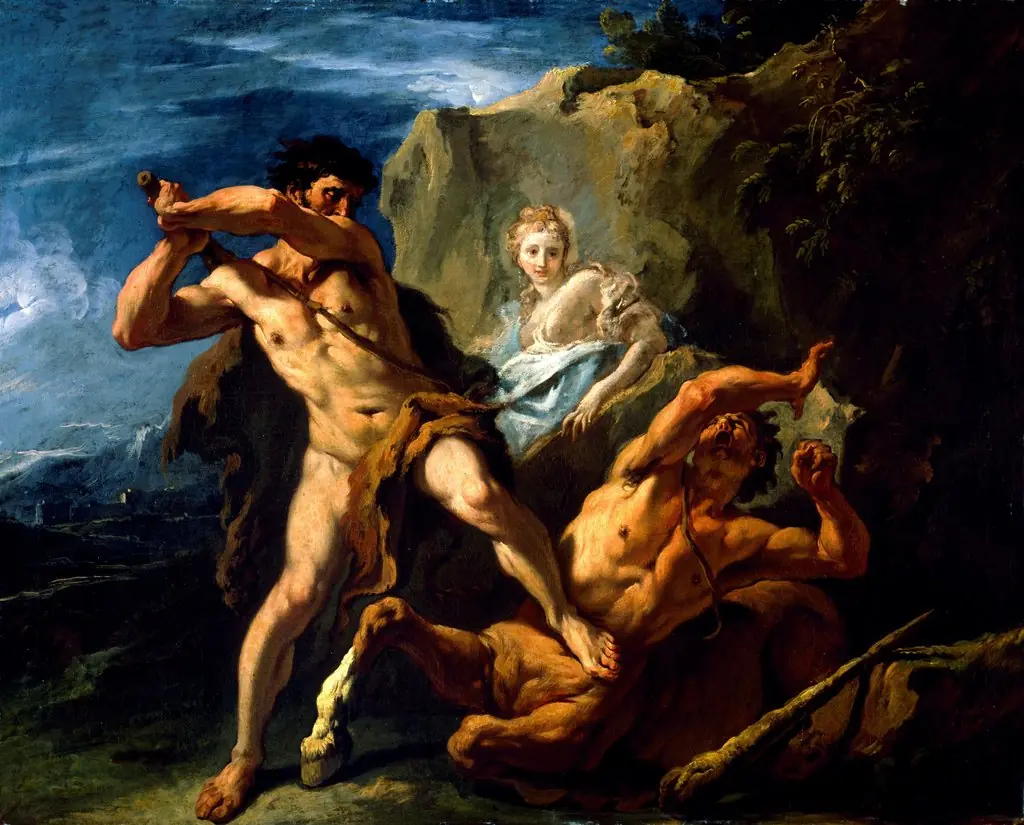 Hercules Killing the Centaur Nessus
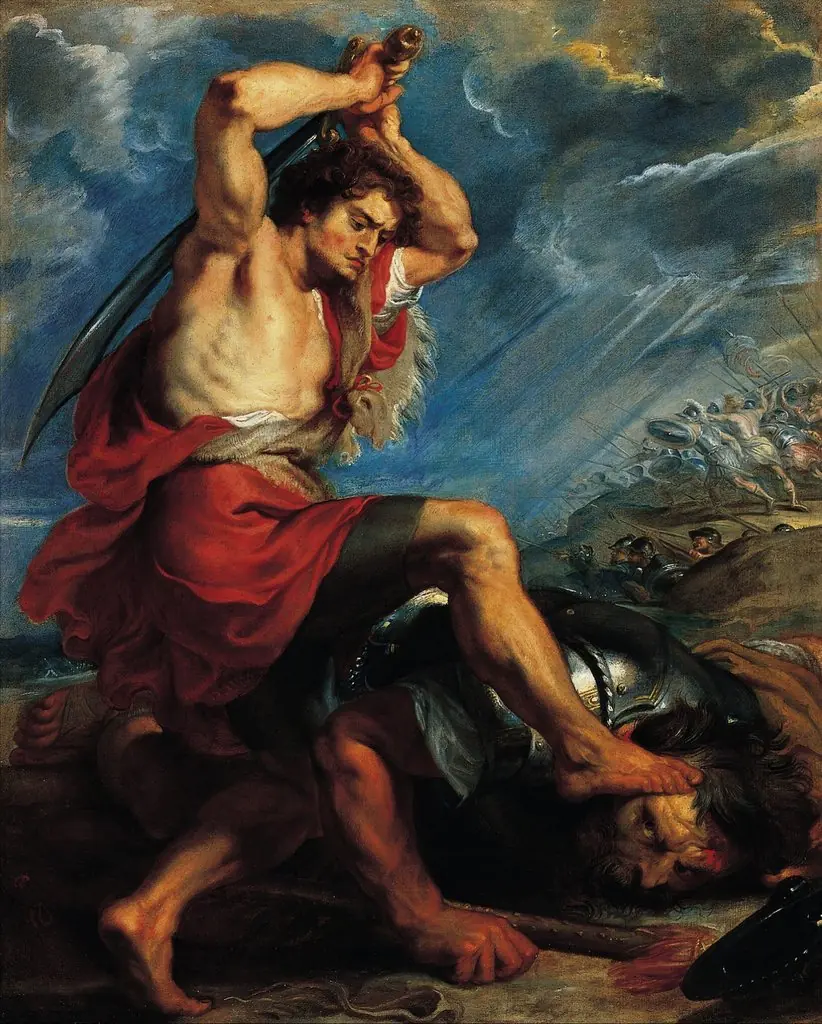 David Slaying Goliath
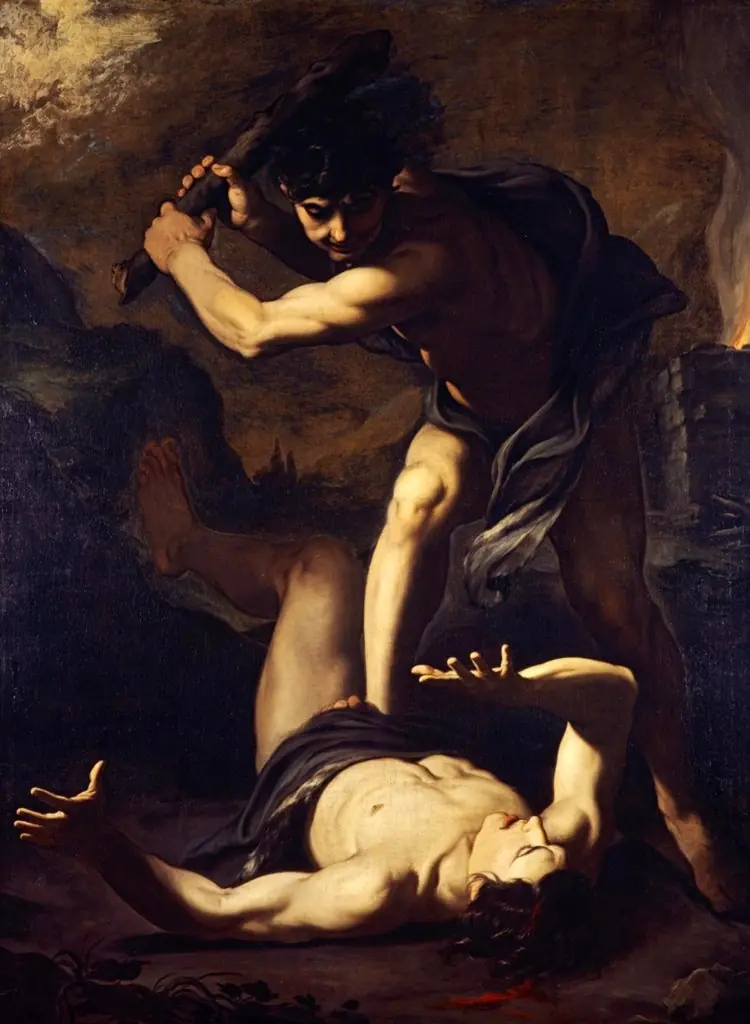 Cain Killing Abel
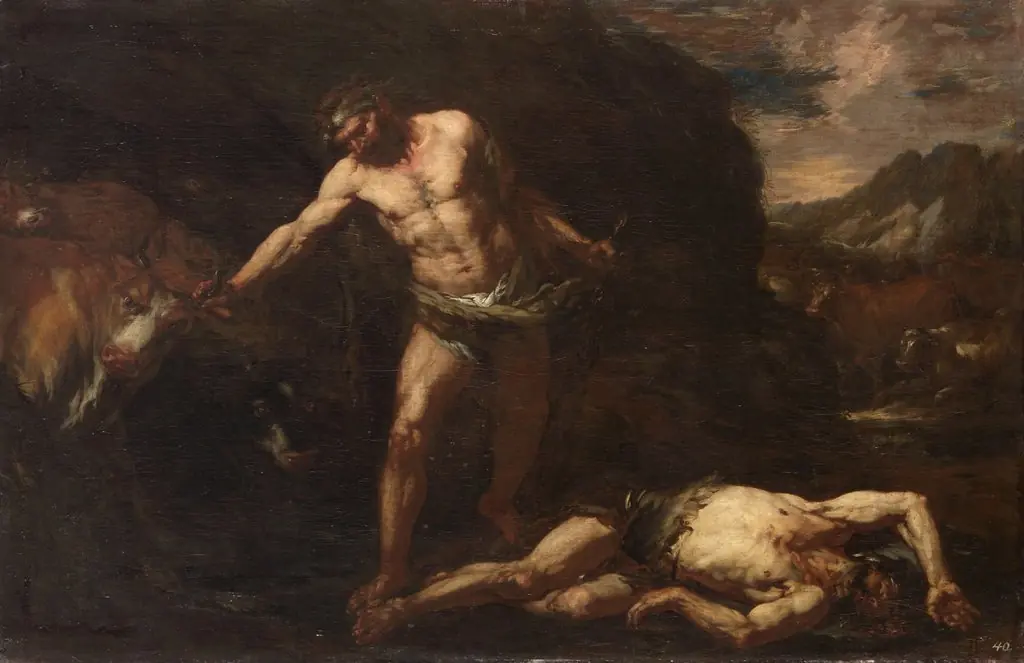 Hercules tötet den Riesen Cacus und raubt die Rinder des Geryoneus
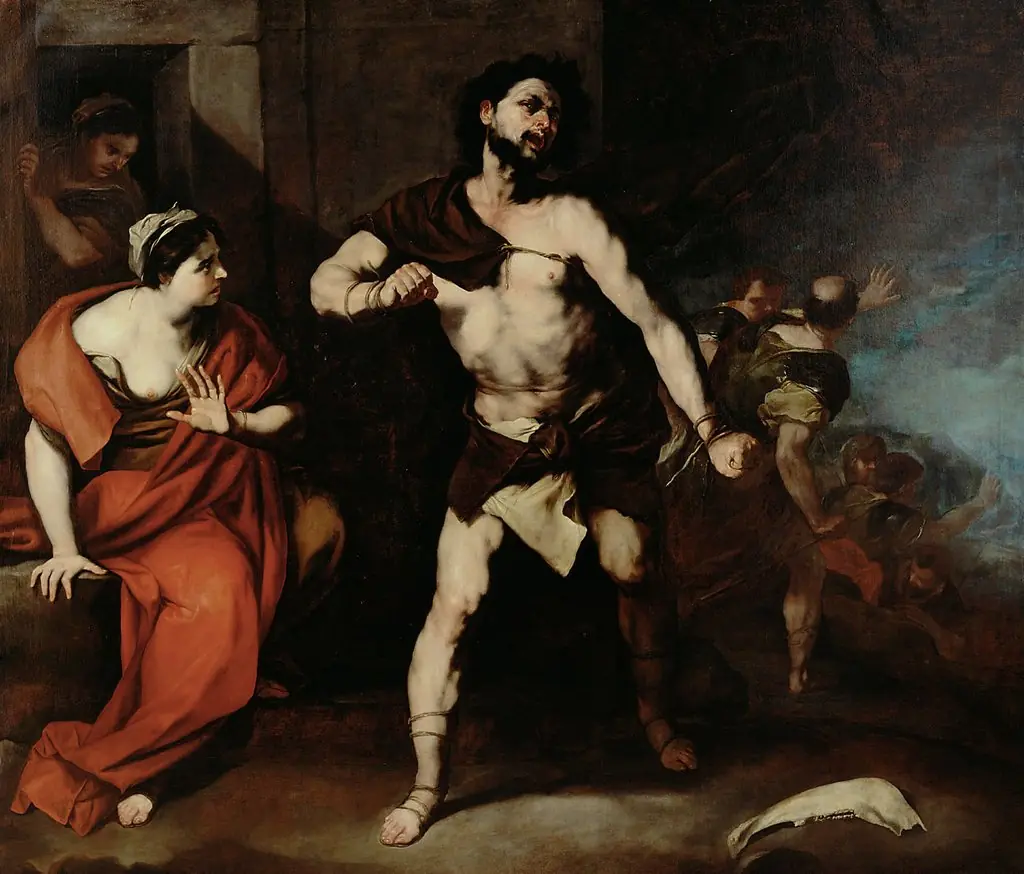 Samson breaks his fetters
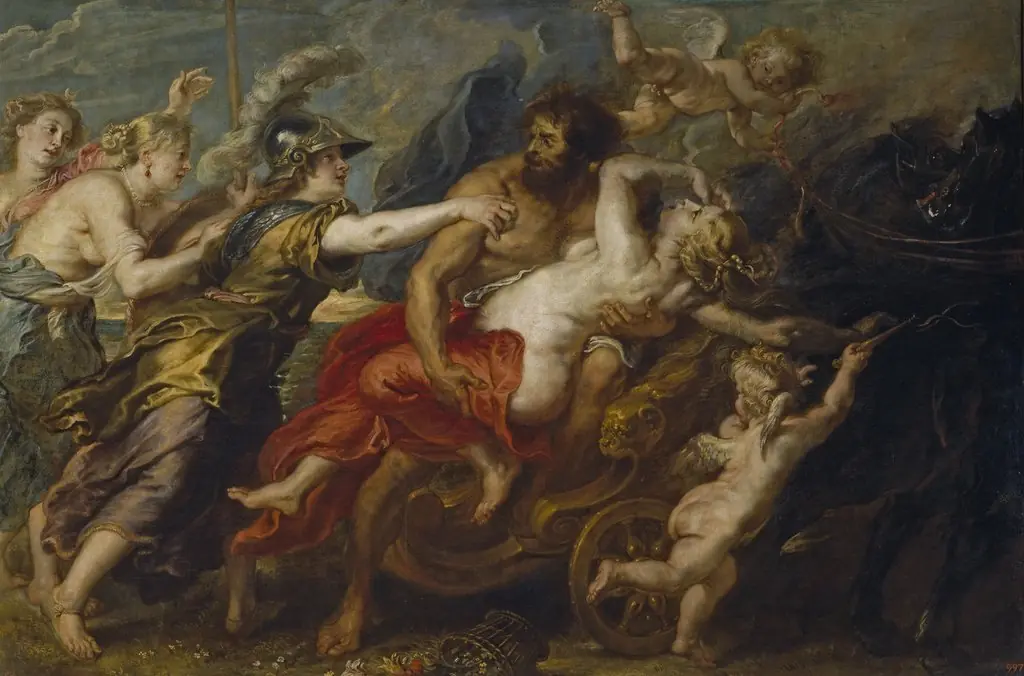 The Rape of Proserpine
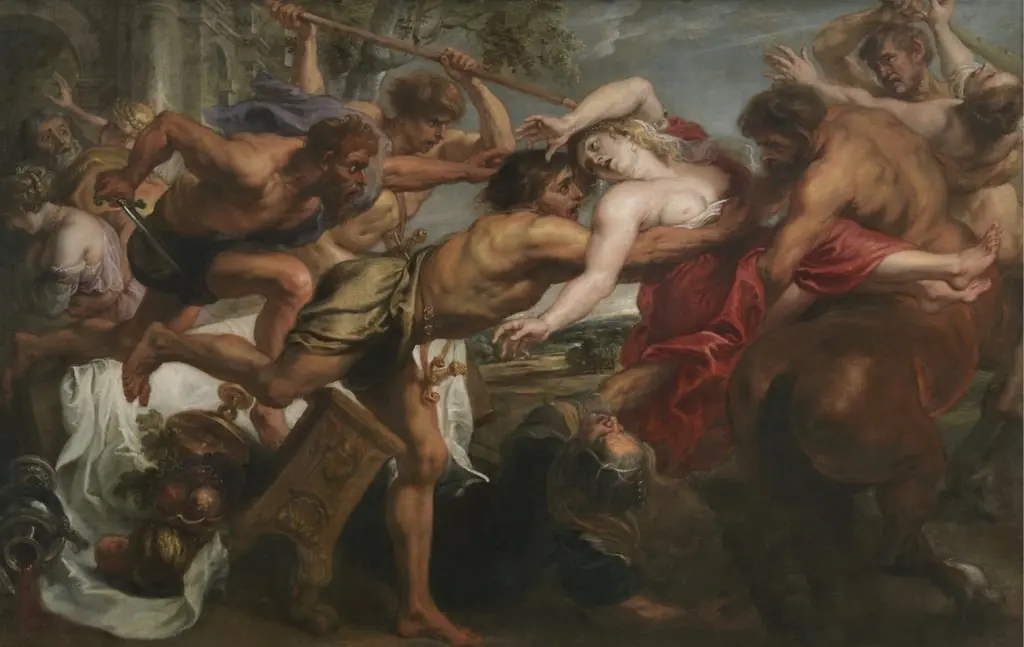 Rape of Hippodamia
 The Four Elements
 Judith and Holophernes
 Oedipus cursing his son Polynices
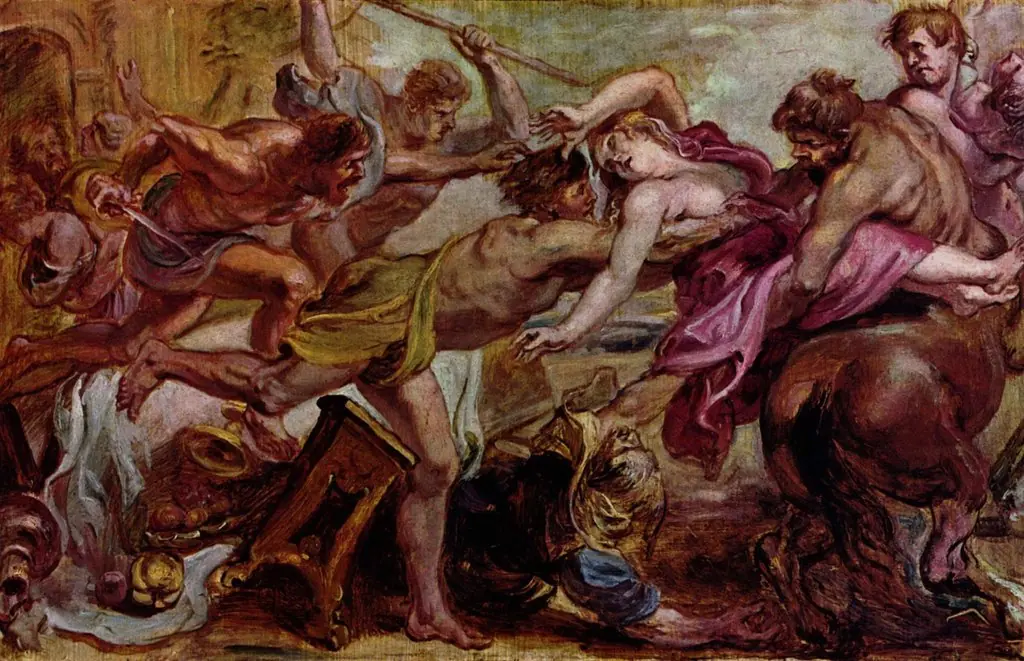 The Rape of Hippodamia
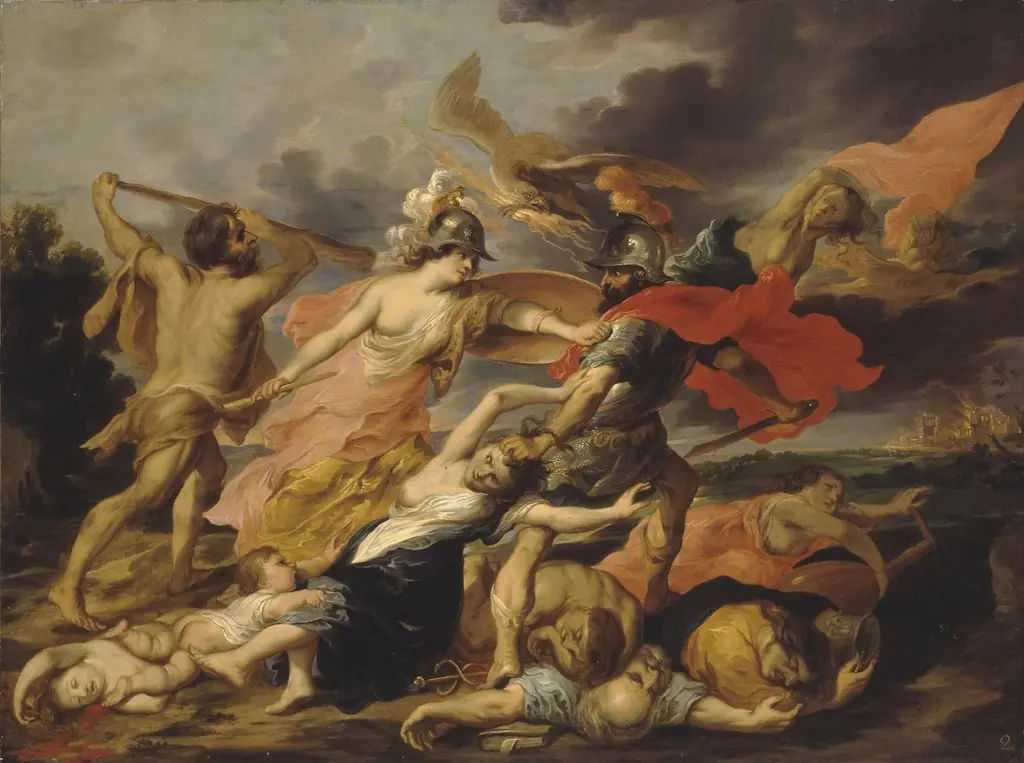 Hercules and Minerva Expelling Mars