Artwork
Arteries of Great Britain: The Mersey
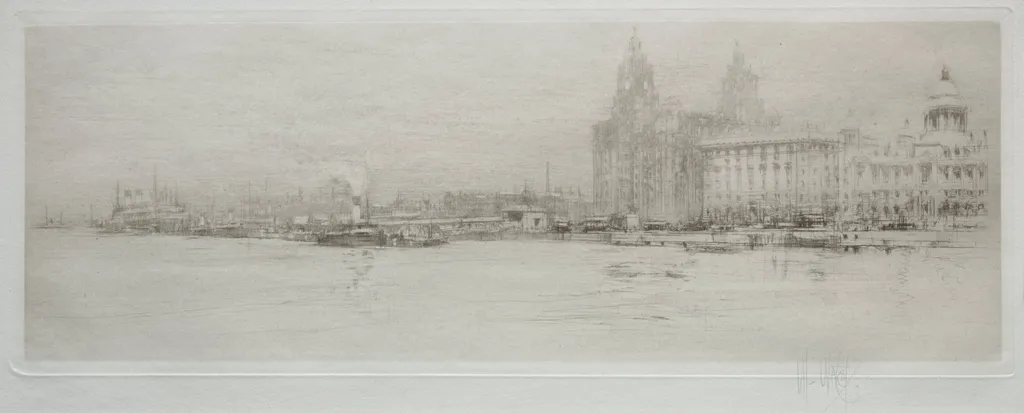
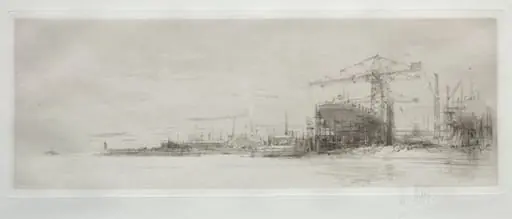
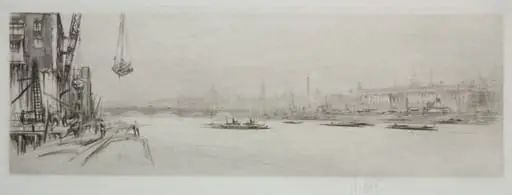
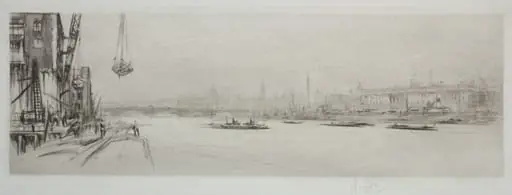
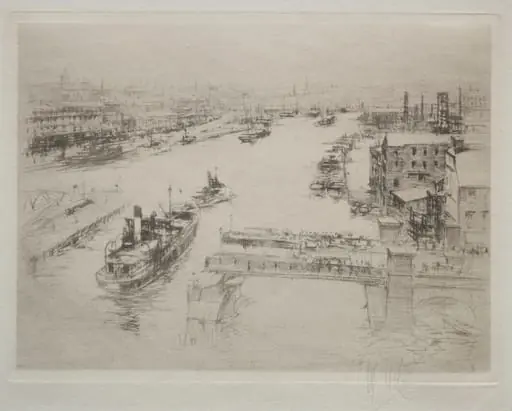
Arteries of Great Britain: The Mersey is a print by William Walcot. It dates from 1922 and is held in the collection of the Cleveland Museum of Art.
About this work
Overview
The work is held in the collection of The Cleveland Museum of Art, acquired as part of its broader interest in early 20th-century British graphic art.
Created in 1922 by British artist William Walcot, this print is part of a series titled Arteries of Great Britain, which examines key waterways shaping the nation’s infrastructure. The Mersey, a major river in northwest England, is the subject of this lithograph. The work is held in the collection of The Cleveland Museum of Art, acquired as part of its broader interest in early 20th-century British graphic art.
Subject & Meaning
The Mersey River is depicted not as a natural landscape but as a conduit of industrial activity. Walcot emphasizes the river’s role in commerce and transport, framing its flow through urban and port environments. The composition suggests movement and connectivity, reflecting the river’s function as a vital artery for trade and regional development during the early 20th century.
Technique & Style
Walcot employed lithography to achieve precise lines and tonal contrasts, characteristic of his architectural and topographical approach. The print features clean, geometric forms and a restrained palette, emphasizing structure over atmosphere. His style blends documentary precision with a modernist sensibility, reducing the scene to essential elements without romanticizing the industrial setting.
History & Provenance
The print was produced in 1922 as part of a limited series commissioned to document Britain’s transportation networks. It entered the Cleveland Museum of Art’s collection in the decades following its creation, likely through a donation or acquisition focused on British graphic arts of the interwar period. Its presence in the museum underscores its significance in the history of printmaking.
Context
During the 1920s, British artists increasingly turned to industrial subjects as symbols of national identity. Walcot’s series aligned with broader cultural efforts to record and interpret the nation’s infrastructure. The Mersey, as a commercial lifeline to Liverpool and beyond, represented both economic progress and the transformation of the English landscape by human activity.
Legacy
Arteries of Great Britain: The Mersey remains a representative example of early 20th-century British printmaking that prioritized functional landscapes over picturesque ones. Walcot’s work contributed to a shift in artistic focus toward modern infrastructure, influencing later generations interested in documenting the relationship between environment and industry.
Artist & collection

Artist
William Walcot RE was a Russian-Scottish architect, graphic artist and etcher, notable as a architect of refined Art Nouveau in Moscow, Russia.

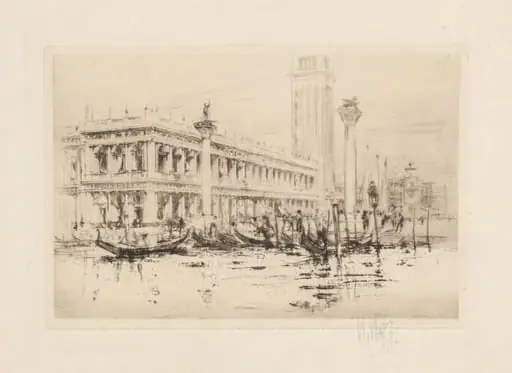 The Venice Set: The Library of St. Mark’s
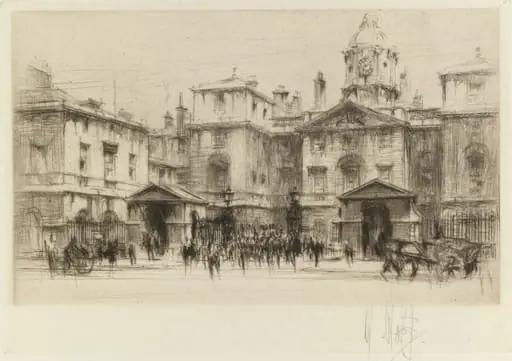 London Set: Horseguards
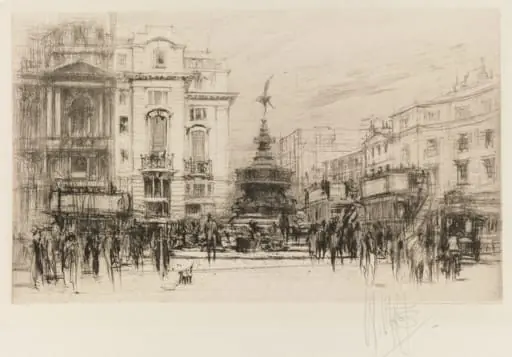 London Set: Piccadilly Circus (with Criterion Theatre)
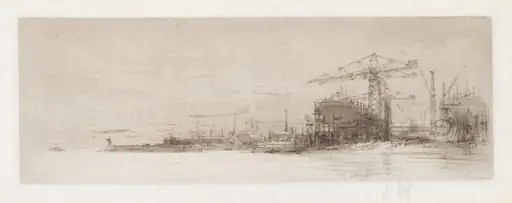 The Clyde from the series The Arteries of Great Britain
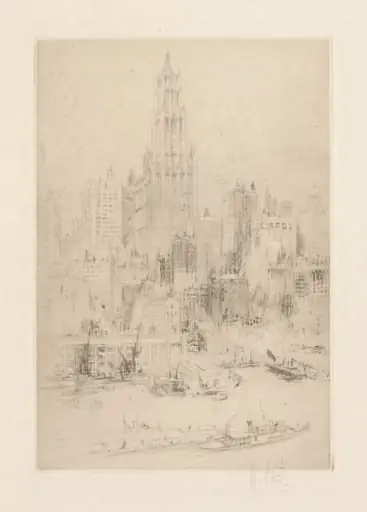 Downtown Manhattan from the East River, with the Woolworth Building
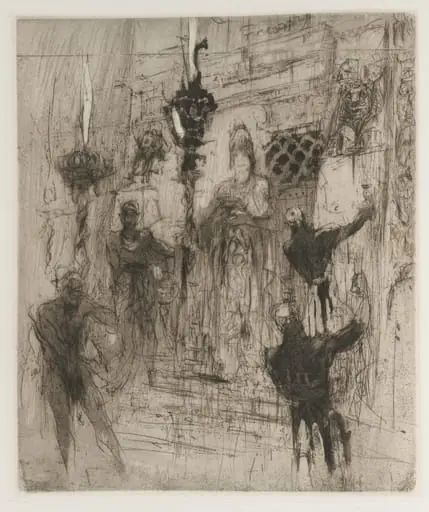 Herodias
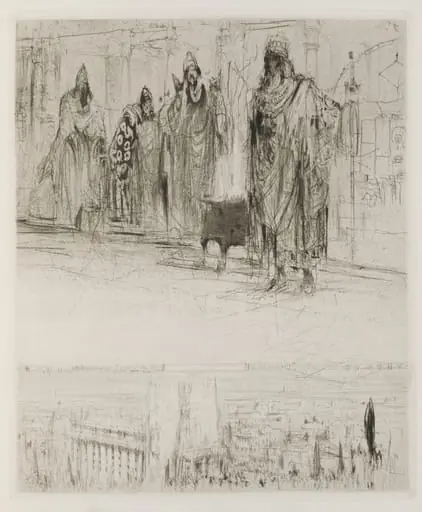 Herodias: Page 13, The tetrarch was awaited by several Galileans, the master of scribes, the chief of the land steward, the manager of the salt mines, and a Jew from Babylon commanding his troops on horse
 Forty-second Street NY