Artwork
Francoys de Scepeaulx
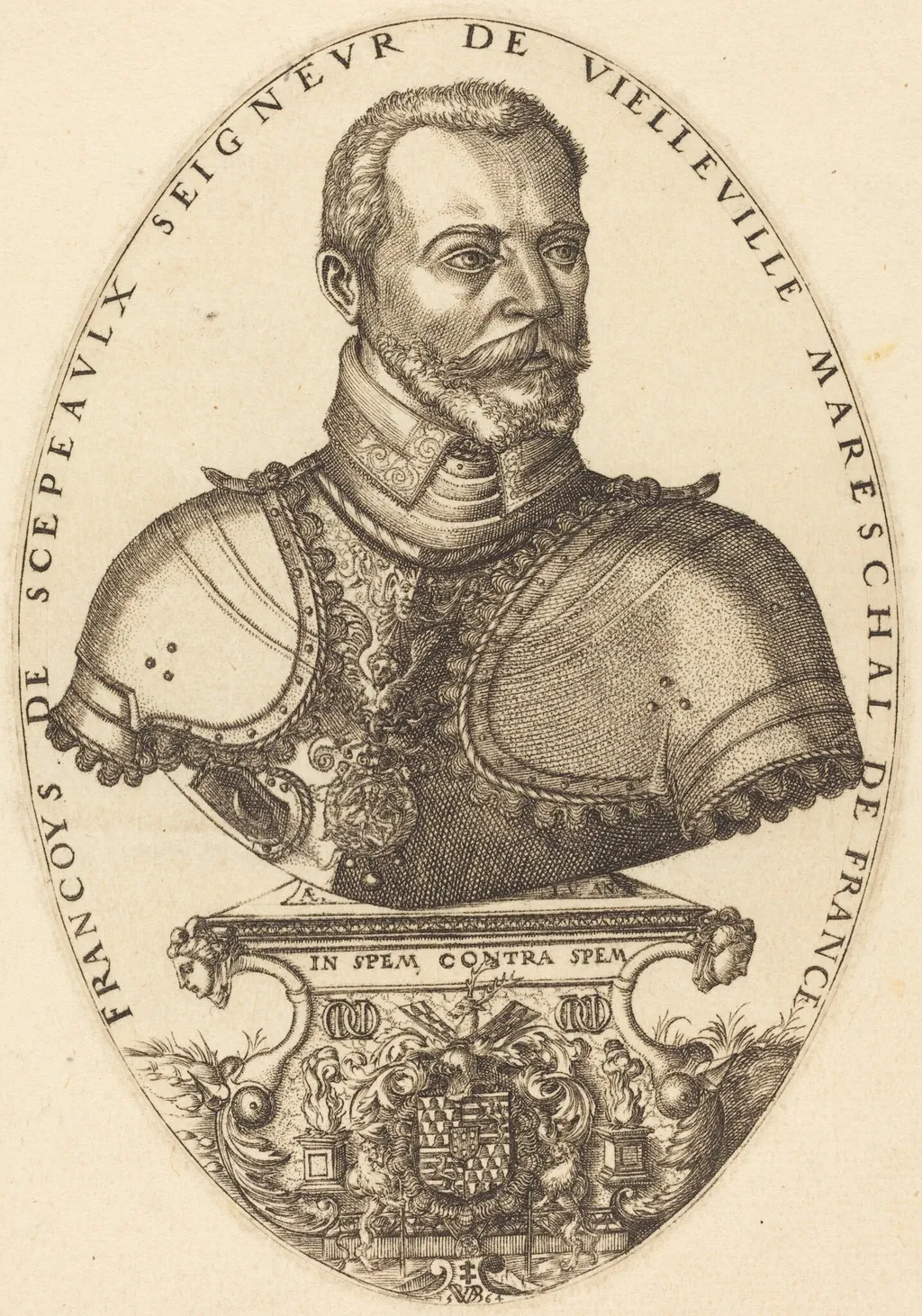
Francoys de Scepeaulx is an ink print by the Renaissance artist Pierre II Woeiriot de Bouzey. It dates from 1564 and is held in the collection of the National Gallery of Art.
About this work
Overview
This engraving, produced in 1564 by Pierre II Woeiriot de Bouzey, depicts Francoys de Scepeaulx, a figure of modest social standing.
This engraving, produced in 1564 by Pierre II Woeiriot de Bouzey, depicts Francoys de Scepeaulx, a figure of modest social standing. Rendered on laid paper, the work belongs to the printmaking tradition of 16th-century France. Its small scale and precise execution suggest it was intended for private circulation rather than public display, reflecting the era’s growing interest in individual portraiture through reproductive techniques.
Subject & Meaning
Francoys de Scepeaulx is portrayed in attire that appears deliberately archaic, possibly signaling personal identity, familial pride, or a deliberate contrast with contemporary fashion. The absence of symbolic objects or elaborate background focuses attention on the sitter’s expression and demeanor. The portrait conveys quiet dignity rather than status, emphasizing individuality over social performance.
Technique & Style
The image was created using the engraving technique, in which fine lines are incised into a metal plate and inked to transfer the design onto paper. Woeiriot employed controlled, deliberate strokes to model facial features and fabric textures, using cross-hatching and fine parallel lines to suggest volume and surface. The precision of the lines reveals a mastery of the medium and a commitment to lifelike representation.
History & Provenance
The print originates from a period when engraving was increasingly used to circulate portraits among educated elites. While specific early ownership records are scarce, the work’s survival in institutional collections indicates its recognition as a refined example of French Renaissance printmaking. Its attribution to Pierre II Woeiriot de Bouzey is supported by stylistic analysis and period documentation.
Context
In mid-16th-century France, engraved portraits served as both personal mementos and demonstrations of technical skill. Artists like Woeiriot operated at the intersection of fine art and craft, often working for patrons interested in humanist ideals. The choice to depict a non-noble subject in such detail reflects broader cultural shifts toward valuing individual character over aristocratic lineage.
Legacy
This engraving remains a representative example of French Renaissance portraiture in print. Though not widely known outside specialist circles, it contributes to the understanding of how ordinary individuals were visually documented during a time when the medium was expanding beyond religious and royal themes. Its preservation underscores the historical value placed on intimate, handcrafted images.
Artist & collection


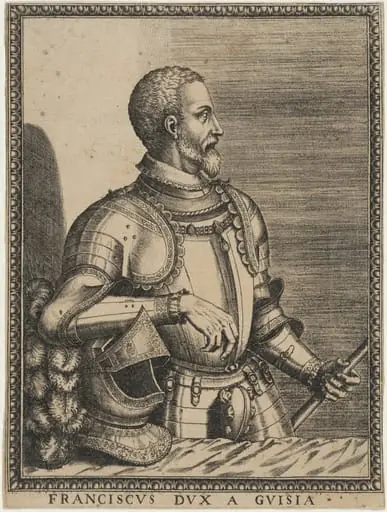 Francis de Lorraine, Second Duc de Guise
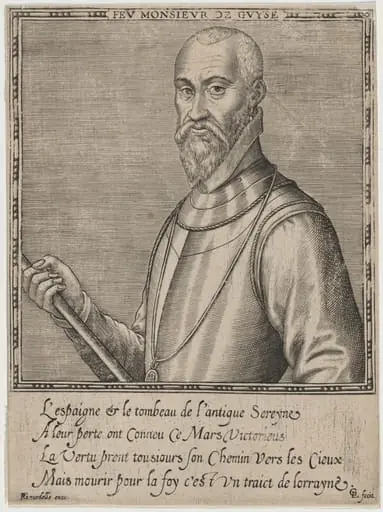 Francis de Lorraine, Second Duc de Guise
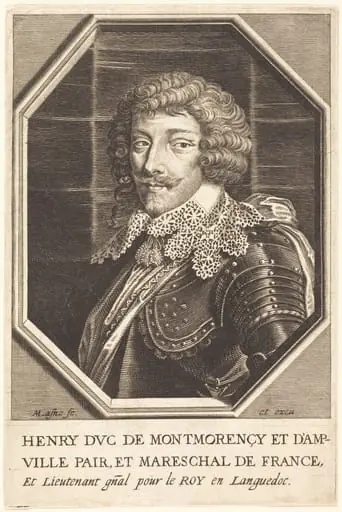 Henry II, Duke of Montmorency
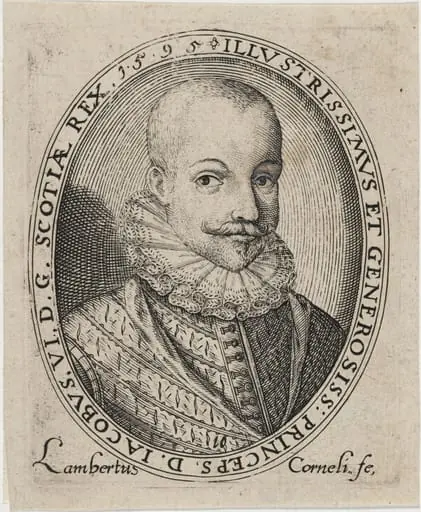 James I, as James VI of Scotland
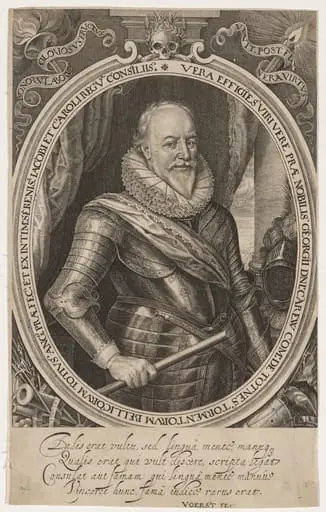 George Carew, Earl of Totnes
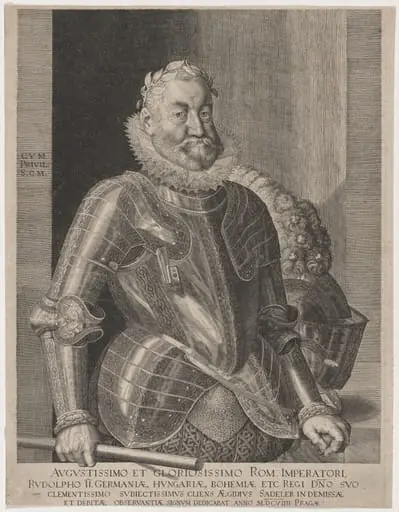 Emperor Rudolph II
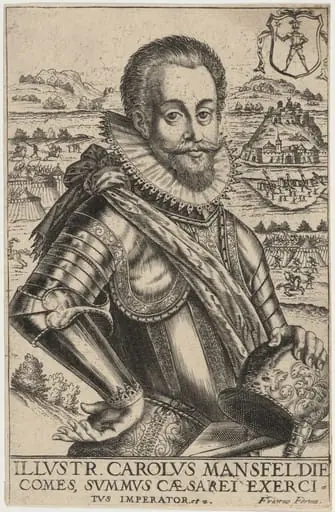 Charles von Mansfeld
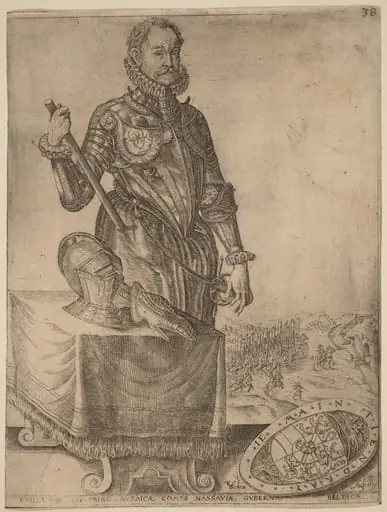 William of Nassau, Prince of Orange
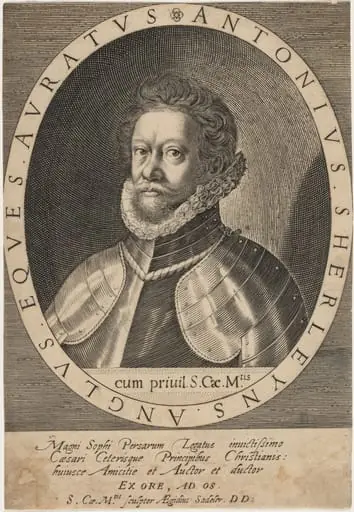 Sir Anthony Shirley
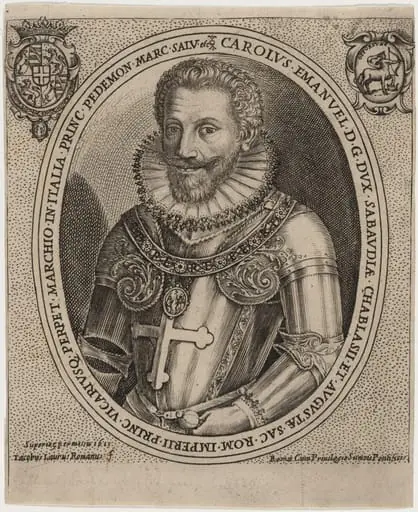 Charles Emmanuel I, Prince of Piedmont
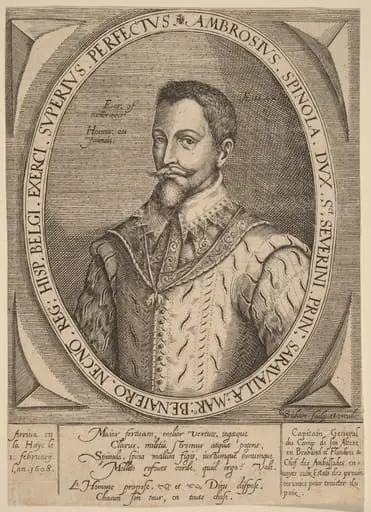 Ambrosius Spinola
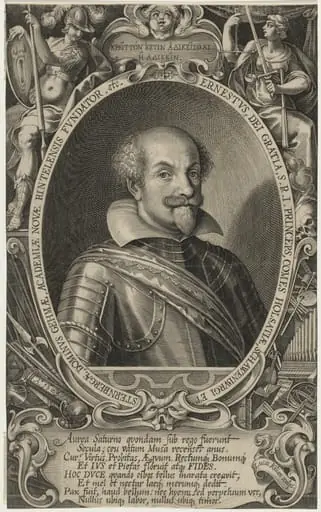 Ernest of Holstein, Schawenburg and Sternberg, Prince of Holy Roman Empire