Artwork
The "Farnese Flora" at Stourhead
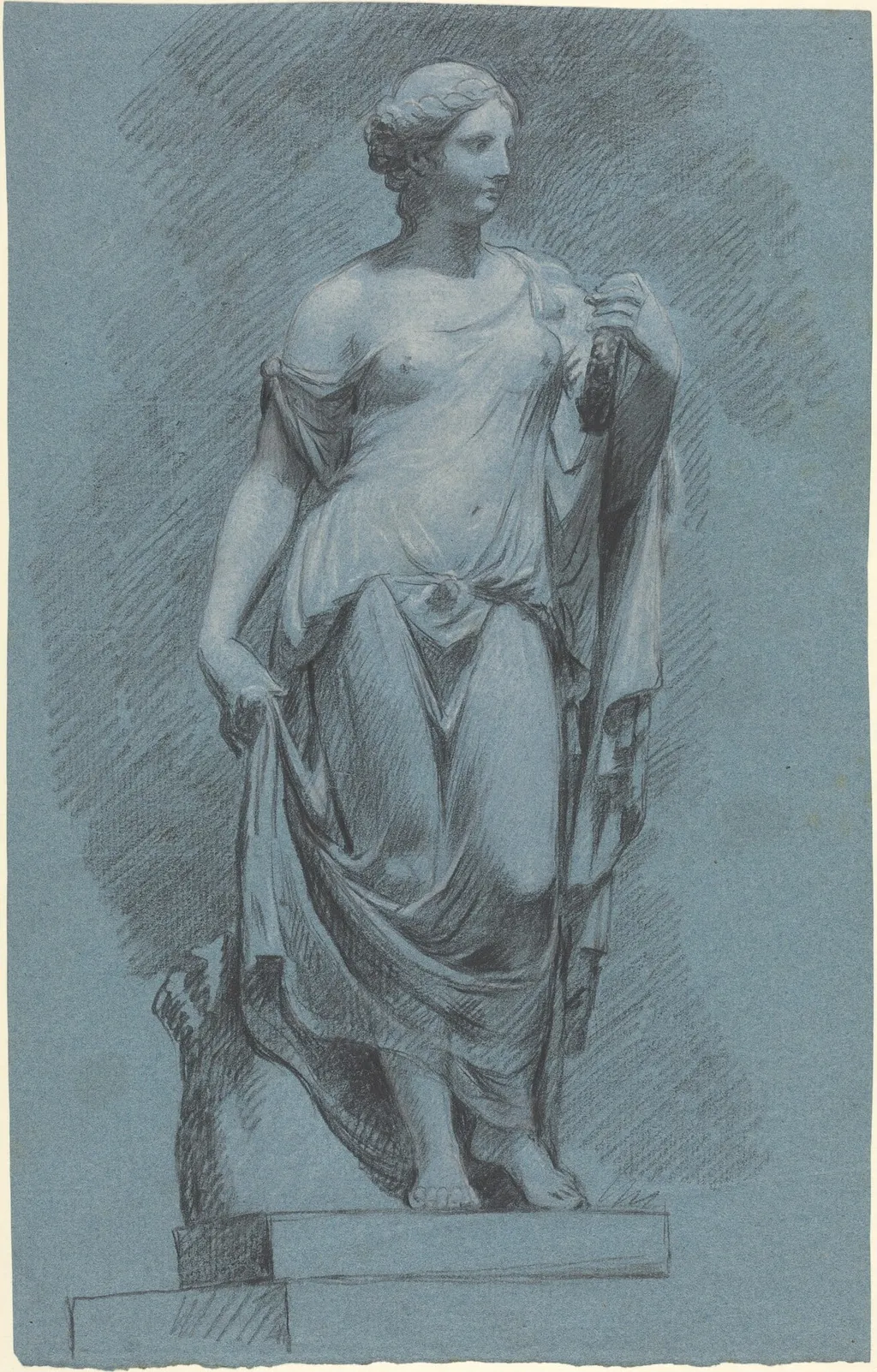
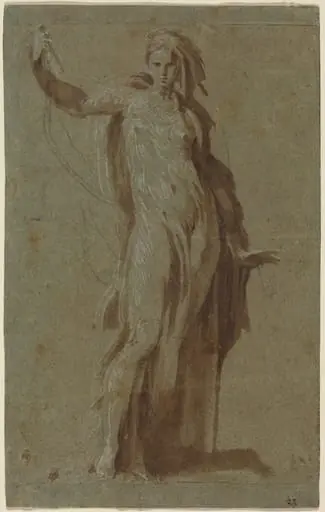
The "Farnese Flora" at Stourhead is a chalk drawing by the Romanticist artist Samuel Woodforde. It dates from 1790 and is held in the collection of the National Gallery of Art.
About this work
Overview
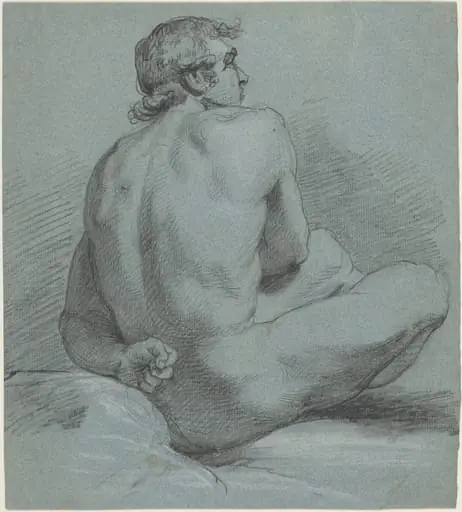
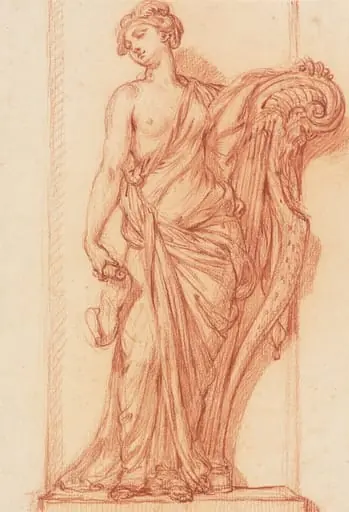
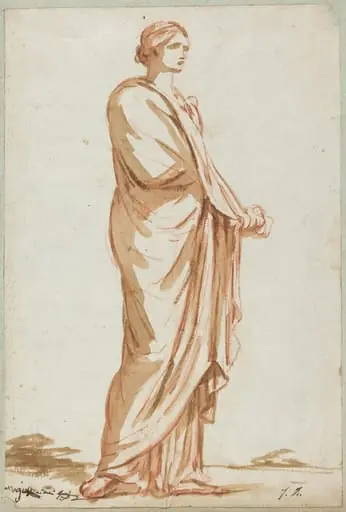
Samuel Woodforde's drawing, known as the 'Farnese Flora' at Stourhead, dates to 1790. Executed in black chalk with white highlights on blue laid paper, it showcases the artist's rendering of a classical figure.
Subject & Meaning
The subject, Flora, is depicted in a manner inspired by classical antiquity, reflecting 18th-century artistic fascination with ancient Roman and Greek themes. The work likely symbolizes the season of spring, as Flora is the Roman goddess of flowers and blossoms.
Technique & Style
Woodforde utilized black chalk for the primary drawing, enhancing key areas with white chalk to achieve contrast and depth on the blue-toned paper. This technique, common in 18th-century draftsmanship, allowed for expressive line work and subtle highlighting.
History & Provenance
Created in 1790, the drawing's early history and ownership before its presence at Stourhead are not detailed here. It is currently part of the Stourhead collection, suggesting a connection to the estate's historical holdings.
Context
The 'Farnese Flora' reflects the Neoclassical movement prevalent in late 18th-century Europe, where artists drew inspiration from classical antiquity. The work's execution and subject matter align with the era's aesthetic values.
Artist & collection