Artwork
The Crucified Christ in a Decorated Niche
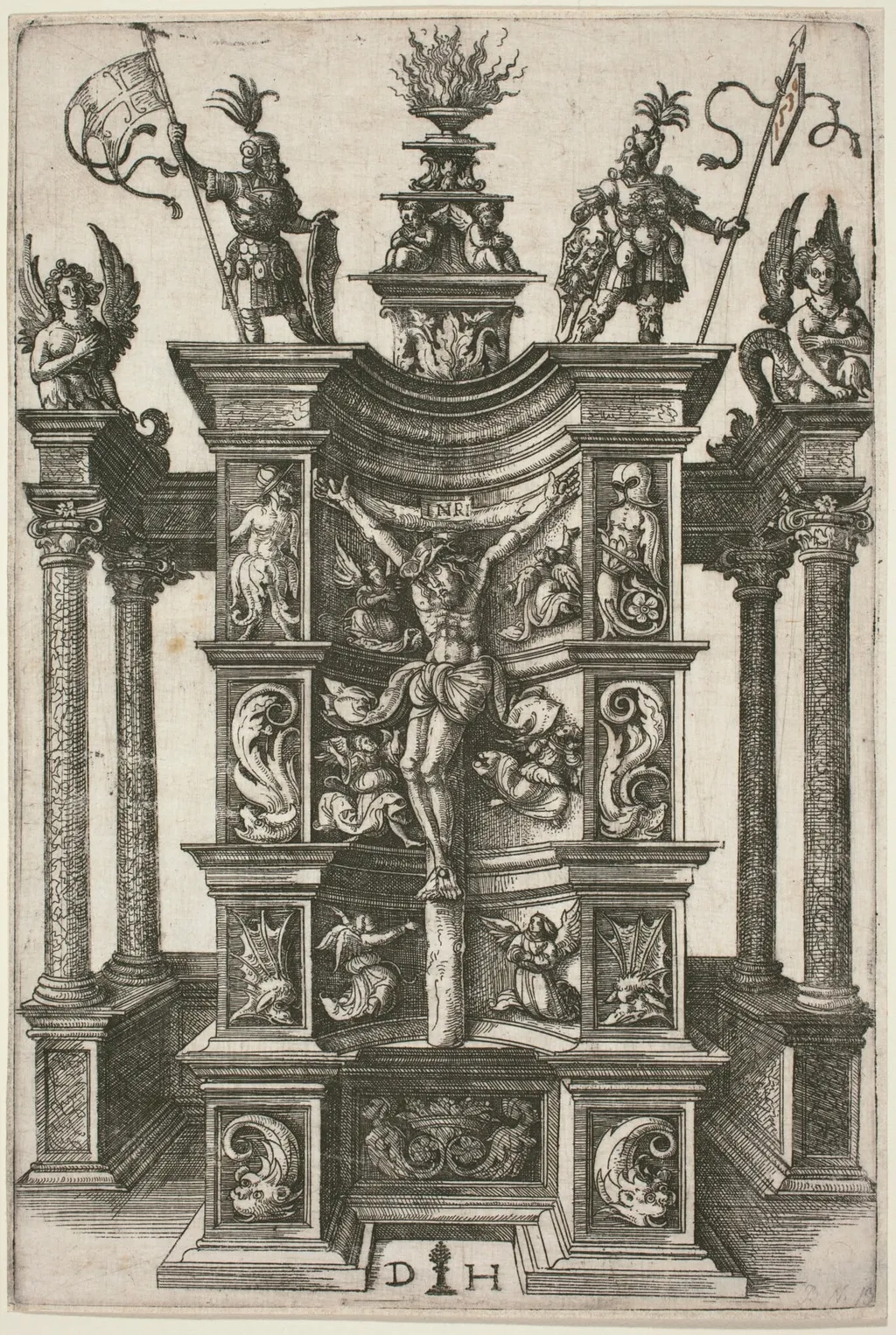
The Crucified Christ in a Decorated Niche is an ink print by the Renaissance artist Daniel Hopfer. It dates from 1524 and is held in the collection of the National Gallery of Art.
About this work
Overview
The Crucified Christ in a Decorated Niche is an etching on laid paper, created by German artist Daniel Hopfer around 1524. This religious print showcases Hopfer's pioneering work in etching techniques.
Subject & Meaning
At the center of an ornate niche, the crucified Christ is depicted, surrounded by intricate carvings, statues, and various figures and creatures, evoking depth and religious reverence.
Technique & Style
Executed as an iron etching, this piece highlights Hopfer's distinctive use of iron plates, differing from the later prevalent copper etchings, and demonstrating his innovative approach to the medium.
History & Provenance
Created circa 1524, this etching exemplifies Hopfer's contributions to the development of etching as a viable commercial printmaking method, paving the way for the print publishing industry.
Context
Within the early 16th-century European artistic landscape, Hopfer's work bridged late medieval traditions with emerging Renaissance printmaking techniques, influencing the broader adoption of etching.
Legacy
Through innovations like those seen in *The Crucified Christ*, Hopfer played a pivotal role in establishing etching as a central printmaking technique, impacting the future of print production and publishing.
Artist & collection

Artist
Daniel Hopfer (c. 1470 – 1536) was a German artist who is widely believed to have been the first to use etching in printmaking, at the end of the 15th century. He also worked in woodcut. Although his etchings were…

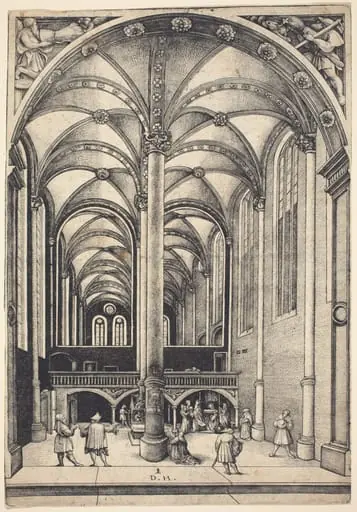 Interior of the Church of Saint Maria Magdalena with the Parable of the Offering of the Widow
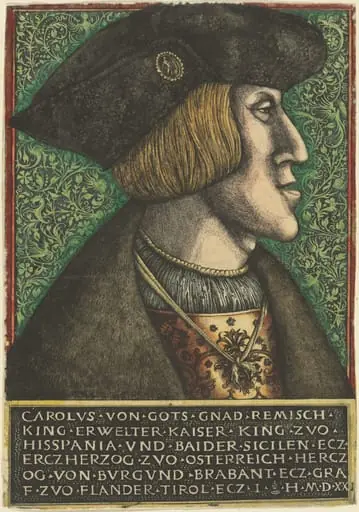 Emperor Charles V
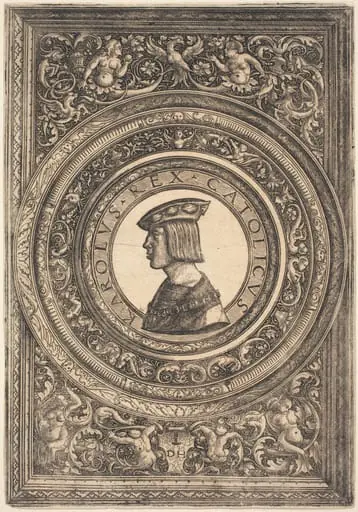 Emperor Charles V
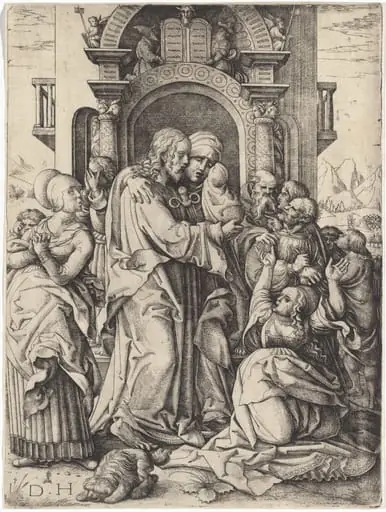 The Virgin Mary Taking Leave of Christ
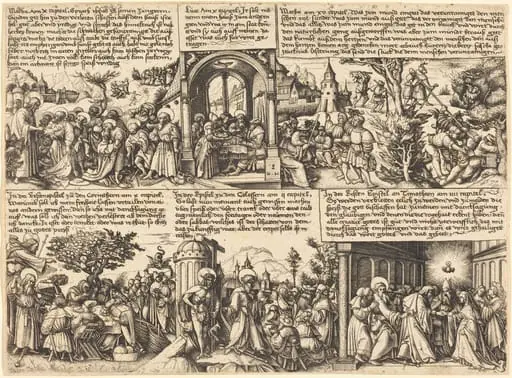 Jesus Christ Giving the Mission to the Apostles and Other New Testament Scenes
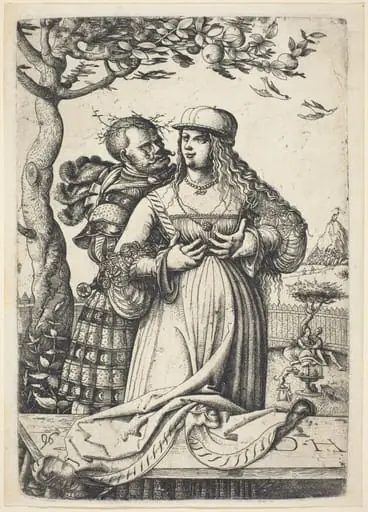 Soldier Embracing a Woman
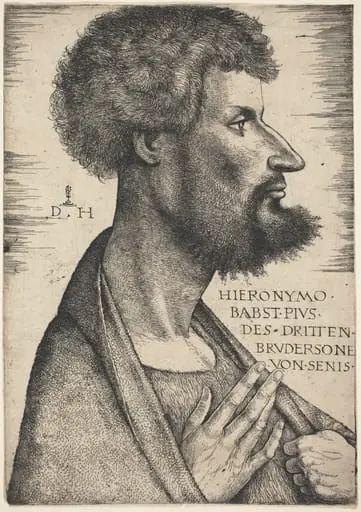 Girolamo da Siena
 The Virgin and Child with Saint Anne by a Portal
 Triumphal Altar with Stages in the Life of Christ
 Triumphal Doorway
 Passion Set
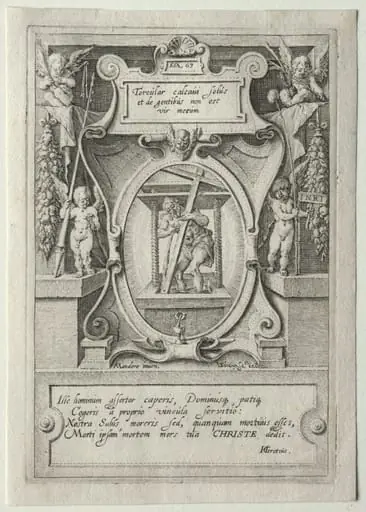 Passion Set: Title Page
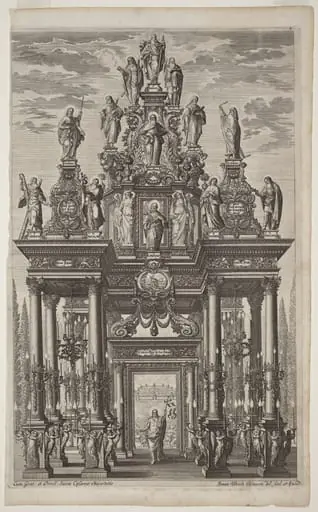 Frontispiece with Triumphal Arch with Christ and the Apostles
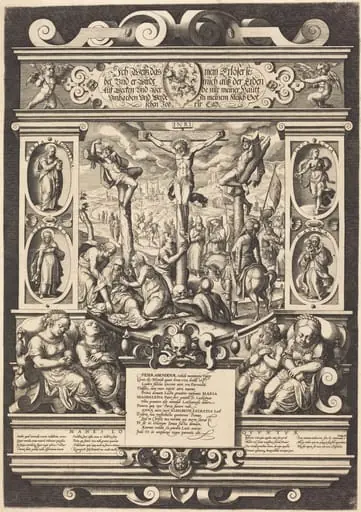 Funeral Monument to the Daughters of Feuerabend
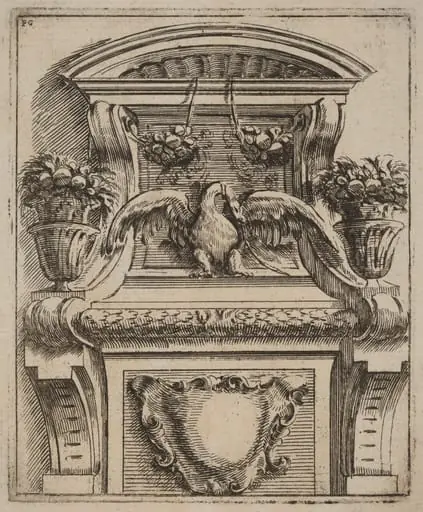 Architectural Motif with a Bird
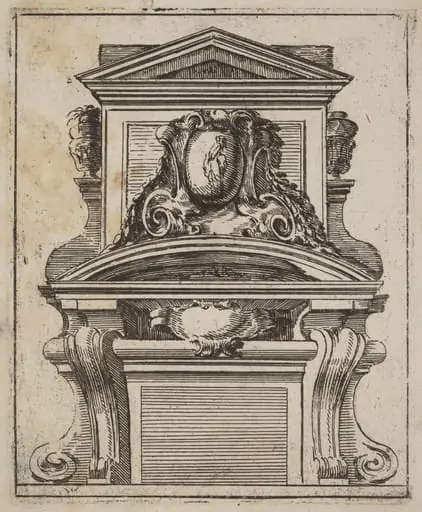 Architectural Motif with a Figure
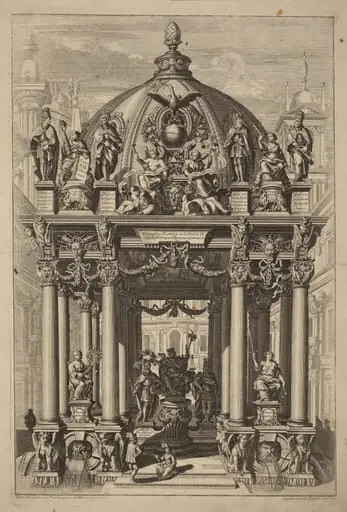 Triumphal Arch for Lotharius II
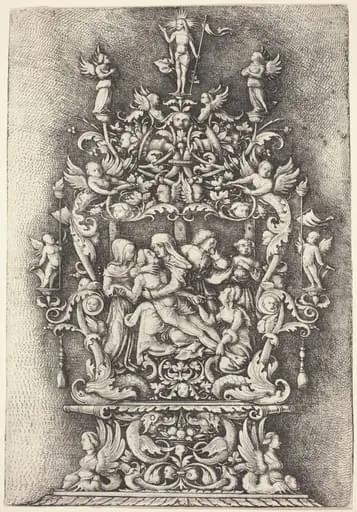 Reliquary with Pietà
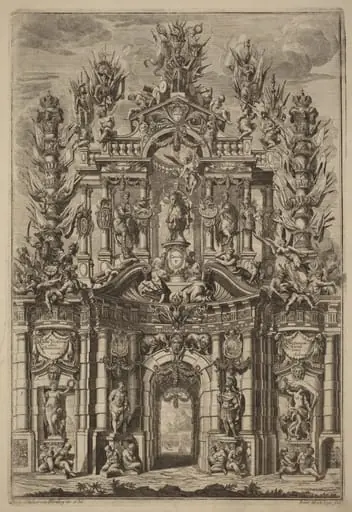 Triumphal Arch for Charles V
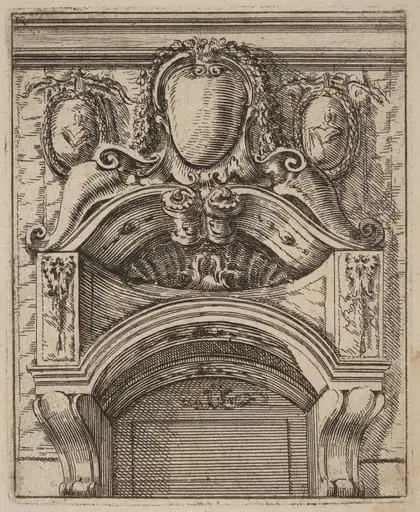 Architectural Motif with Three Shields, Two with Figures