Artwork
Închinarea magilor
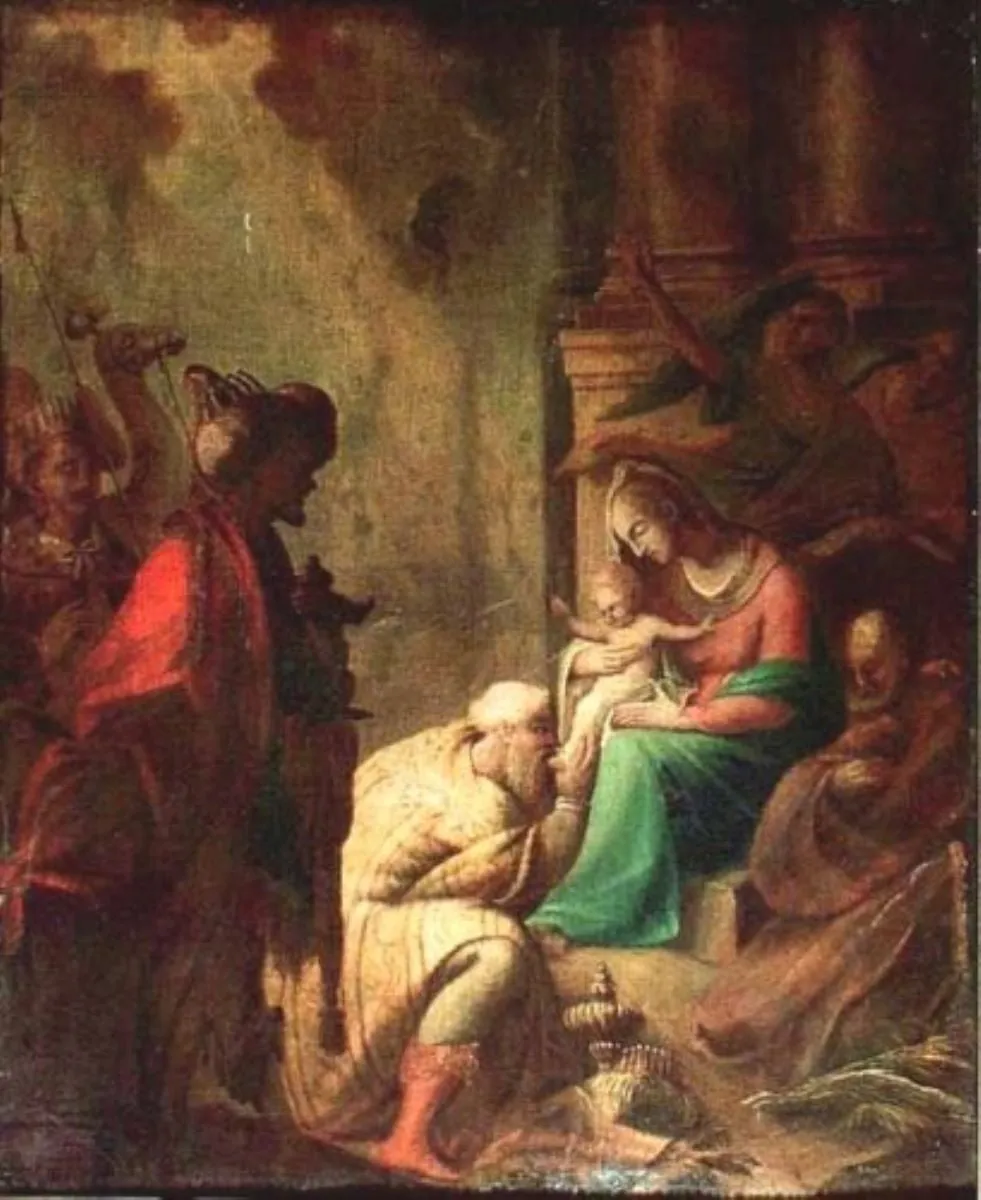
Închinarea magilor is an unspecified painting by the Barbizon school artist Januarius Zick. It dates from 1750 and is held in the collection of the National Museum of Art of Romania.
About this work
Overview
Created circa 1750 by Johann Rasso Januarius Zick, a German painter and architect, *Închinarea magilor* presents a nocturnal tableau of the biblical adoration of the infant Christ. The composition centers on a woman cradling the newborn, surrounded by figures offering gifts, rendered in a palette of muted earth tones that emphasize the solemnity of the moment.
Subject & Meaning
The work illustrates the traditional episode of the Magi’s homage, though the figures are depicted as humble travelers rather than regal envoys. By focusing on the intimate act of presenting gifts, Zick underscores themes of devotion and the universal acknowledgment of the child's significance, inviting contemplation of spiritual reverence across social strata.
Technique & Style
Zick employs a pronounced chiaroscuro, allowing shafts of light to illuminate the mother’s face and the swaddled infant while the surrounding darkness recedes into deep shadow. This dramatic contrast, characteristic of Late‑Baroque sensibilities, coexists with a nascent Romantic inclination toward emotional depth and naturalistic detail, evident in the textured fabrics and nuanced expressions.
History & Provenance
The painting emerged during Zick’s mature period, when he was active as both a court painter and an architect in the German states. Though originally intended for a devotional setting, the piece later entered a private collection before being acquired by a regional museum in the early twentieth century, where it remains displayed as part of the Baroque religious repertoire.
Artist & collection
Artist
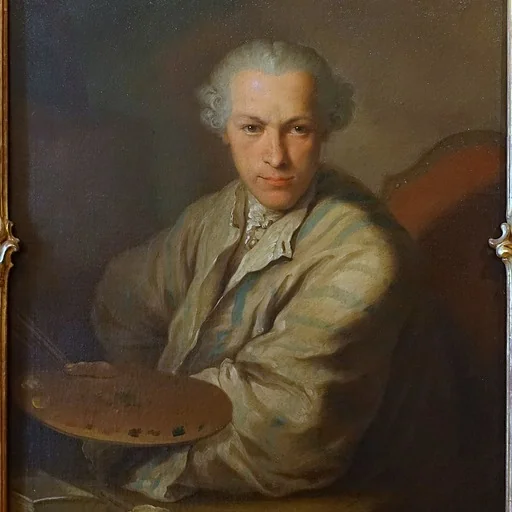
Johann Rasso Januarius Zick (6 February 1730 – 14 November 1797) was a German painter and architect. He is considered to be one of the main masters of the Late-Baroque.

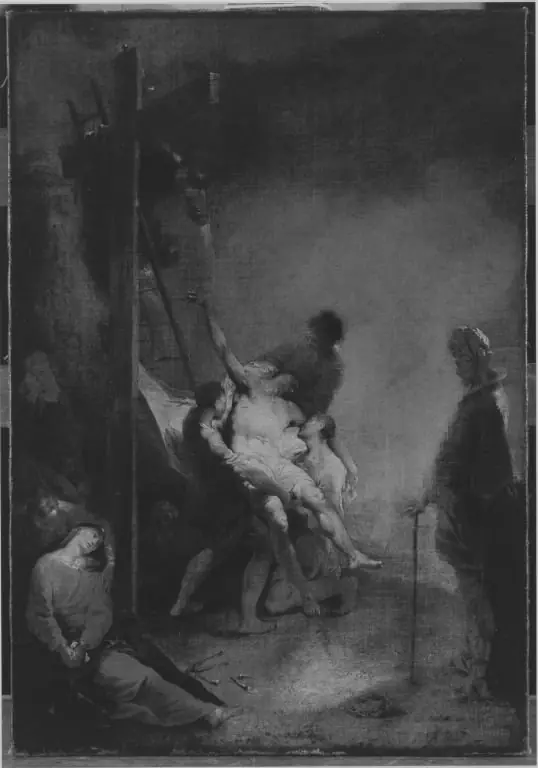
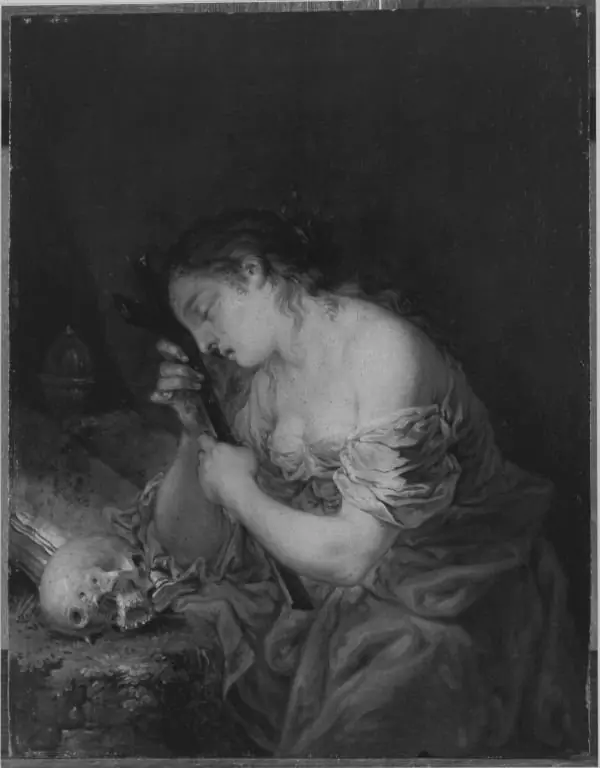
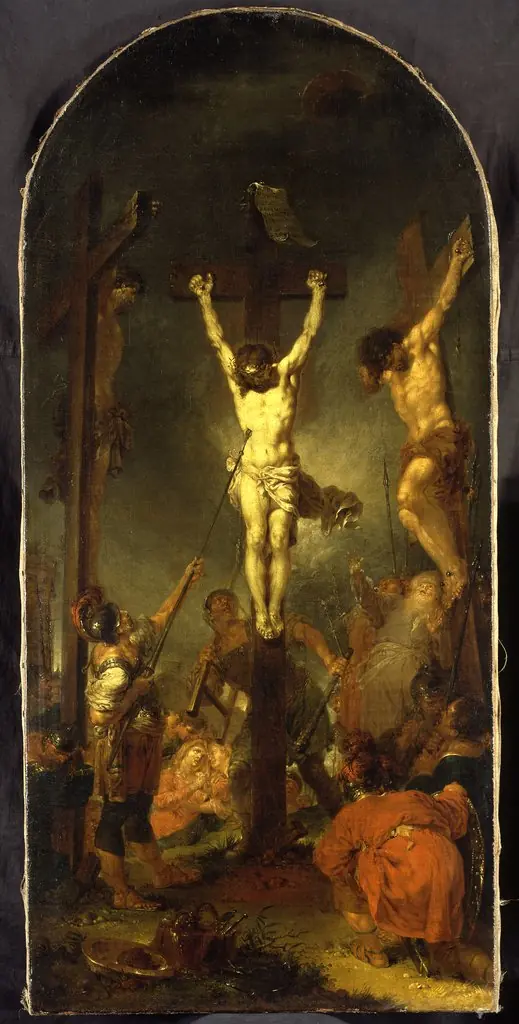
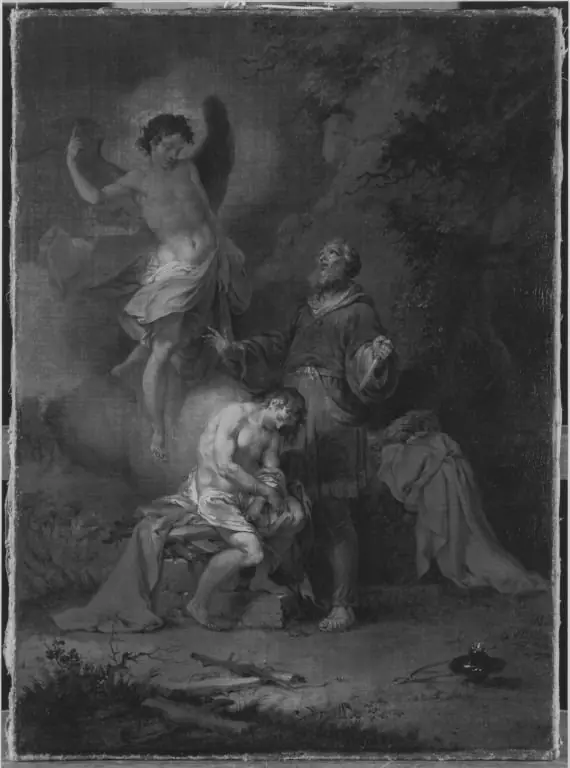
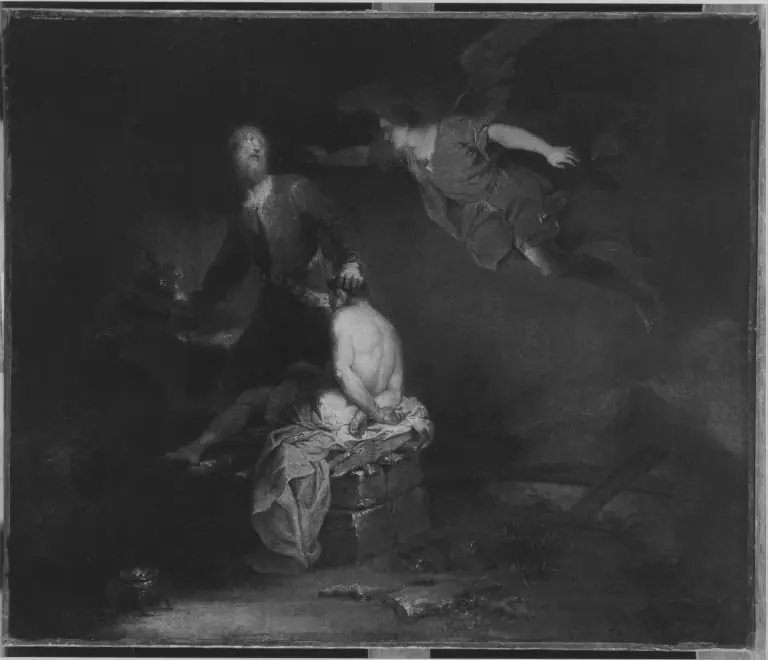
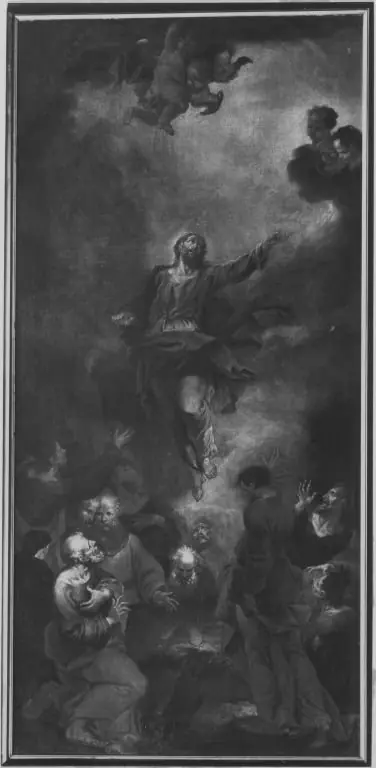
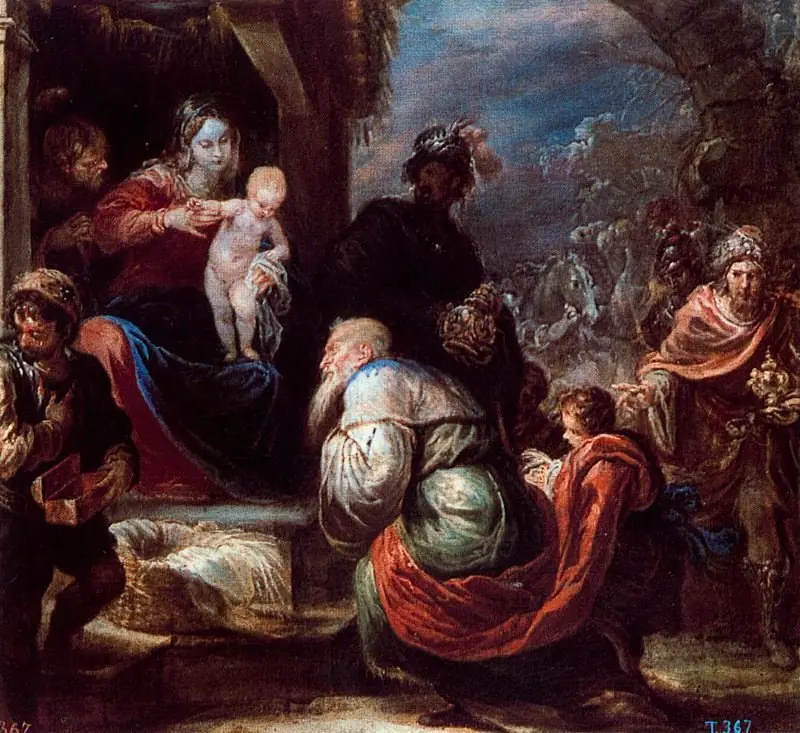 The Adoration of the Magi
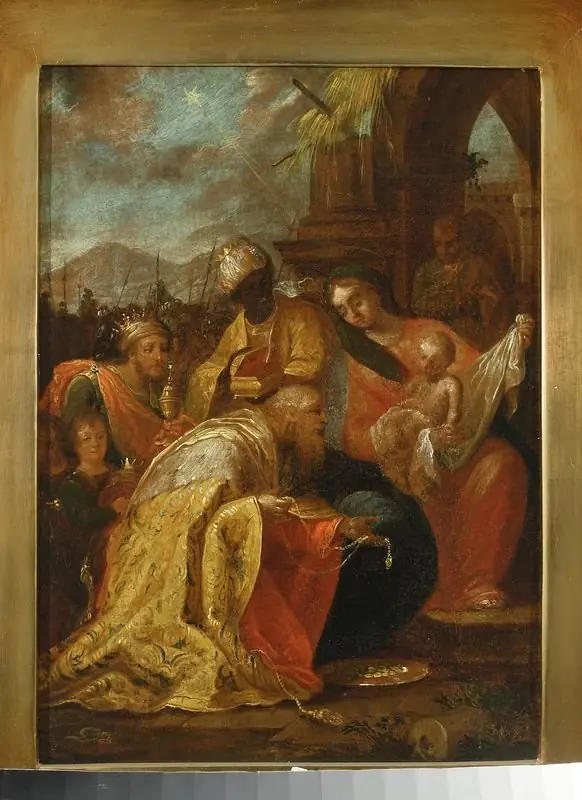 Adoration of the Magi
 The Adoration of the Magi
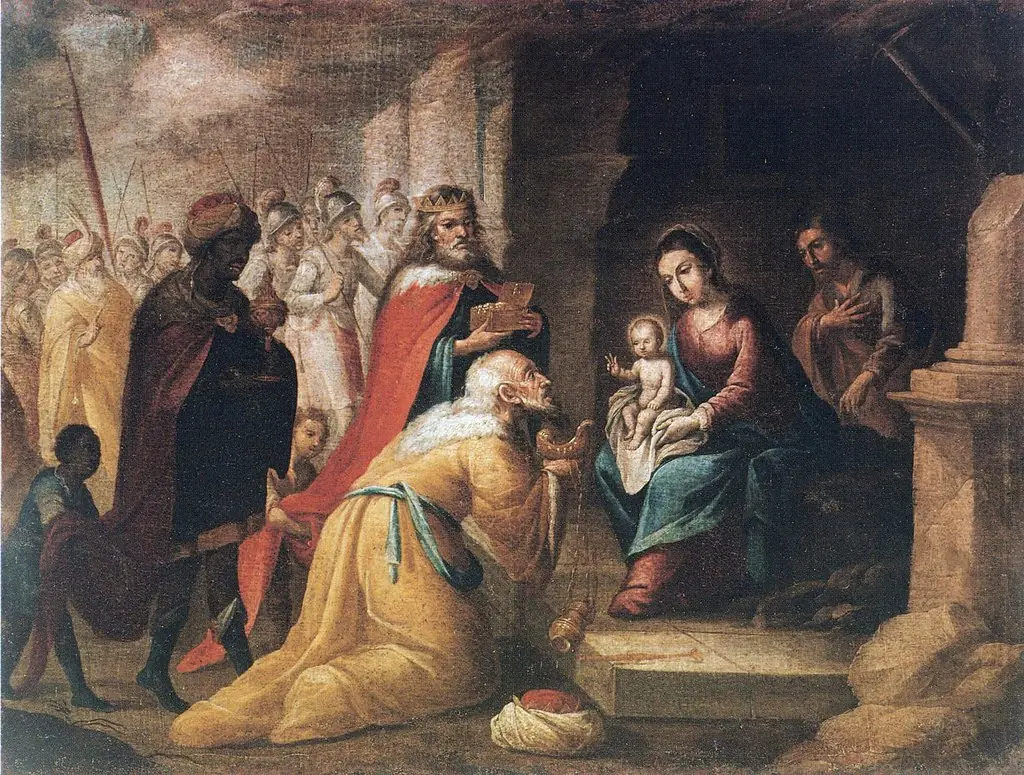 The Adoration of the Magi
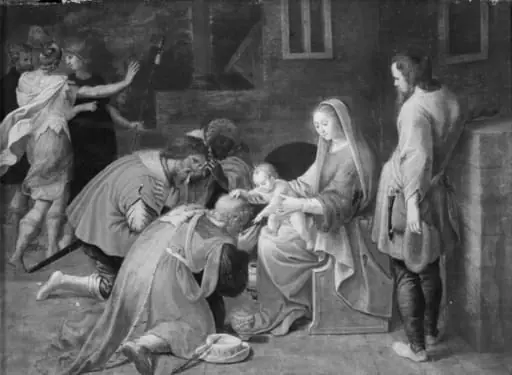 The Adoration of the Kings
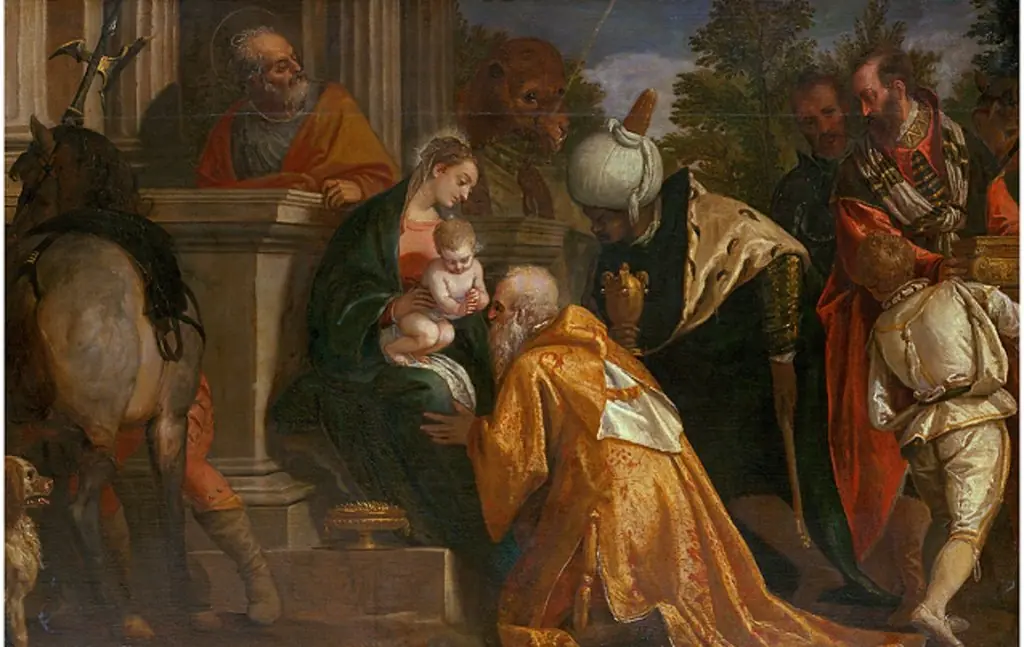 Adoration of the Kings
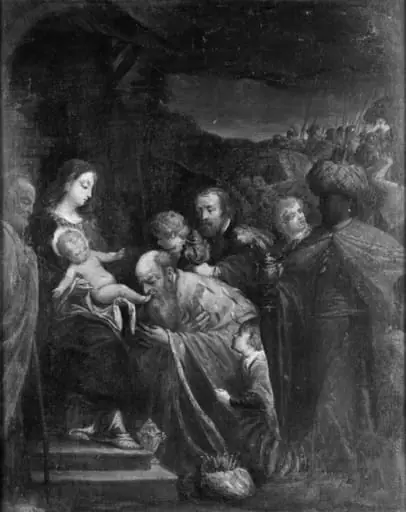 The Adoration of the Kings
 The Adoration of the Kings
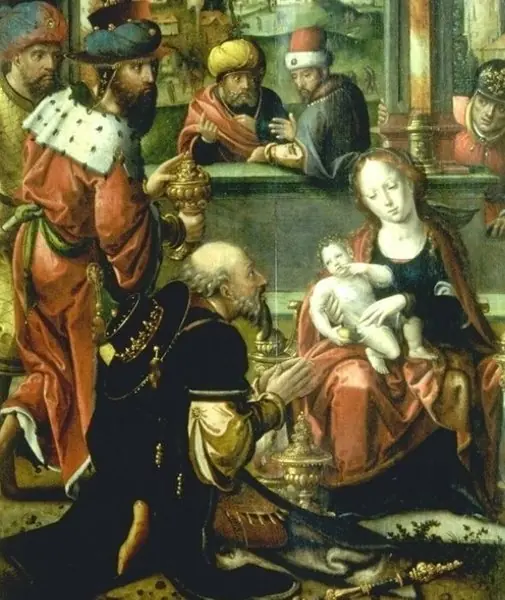 Triptychon mit der Anbetung der Könige (3 Tafeln)
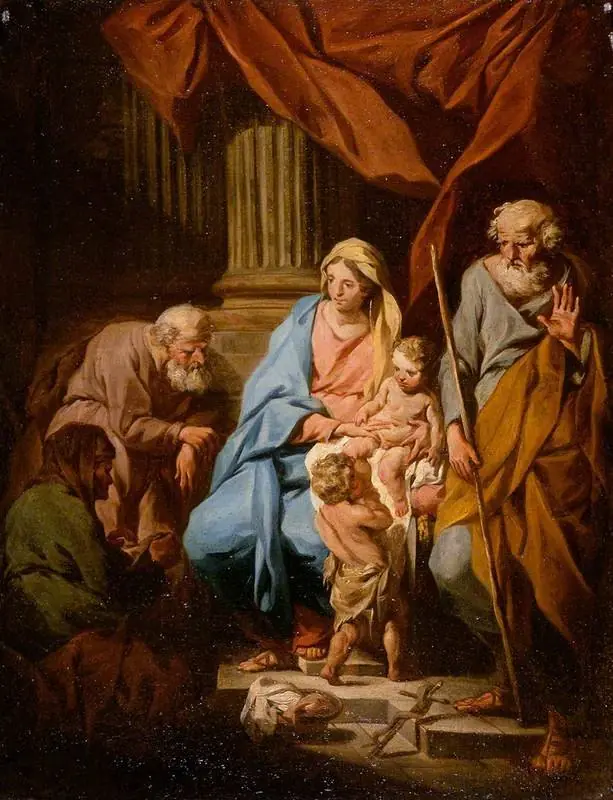 The Holy Family with Saints Elisabeth and Zaccharias and the Infant Saint John
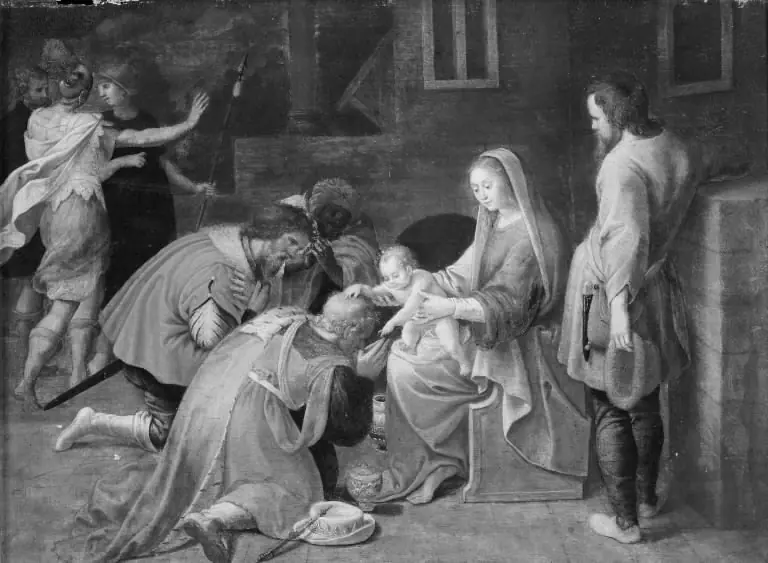 The Adoration of the Kings
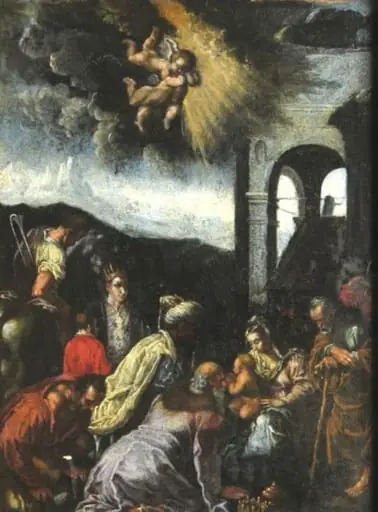 Închinarea Magilor