Artwork
The Fall and Redemption of Man: Ecco Homo
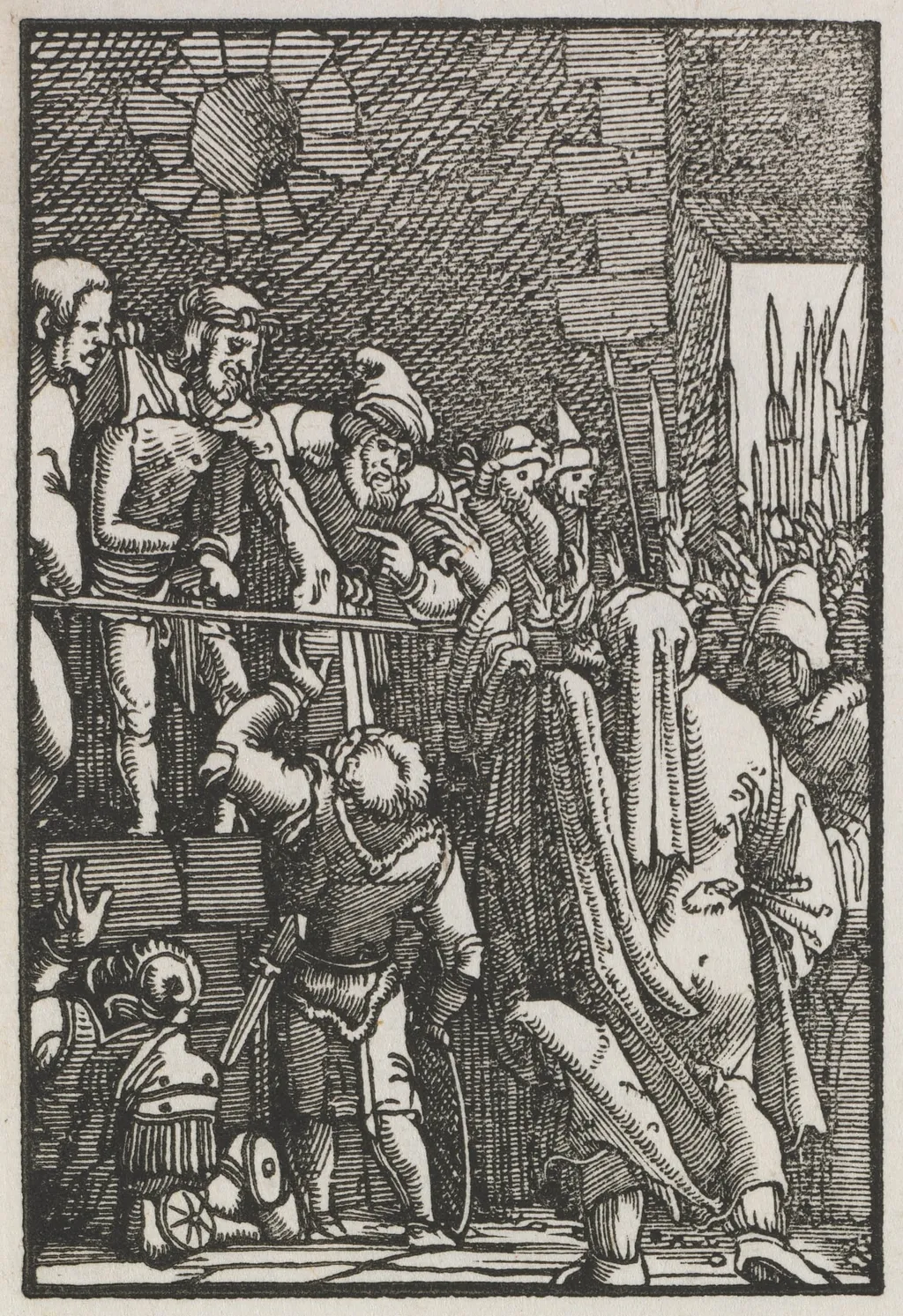
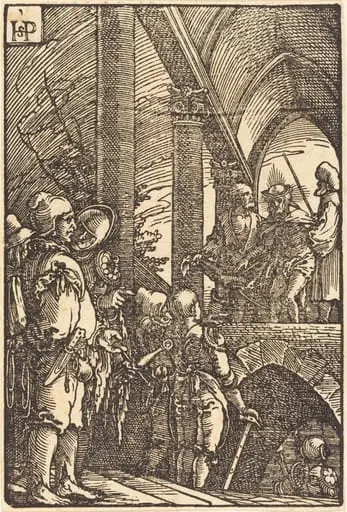
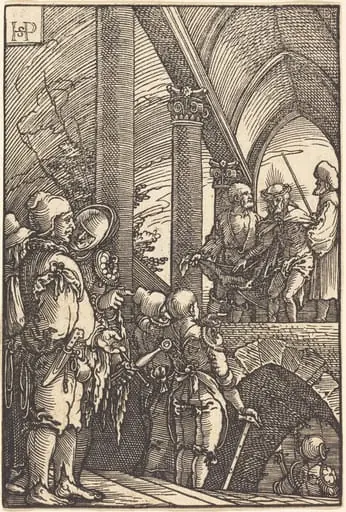
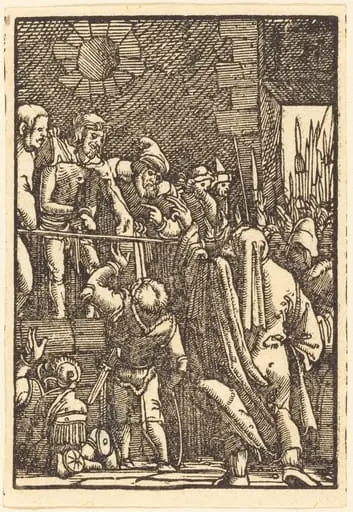
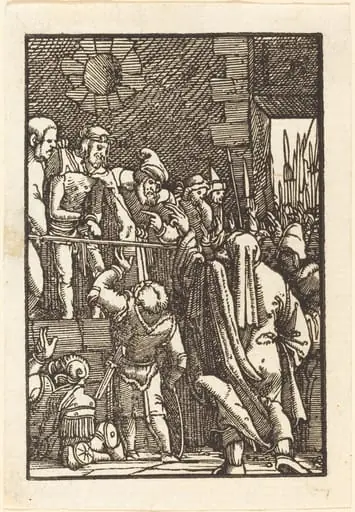
The Fall and Redemption of Man: Ecco Homo is a print by the Renaissance artist Albrecht Altdorfer. It dates from 1515 and is held in the collection of the Cleveland Museum of Art.
About this work
Overview
Created around 1515 by Albrecht Altdorfer, this woodcut depicts the moment of Christ’s presentation before the crowd, known as Ecce Homo.
Created around 1515 by Albrecht Altdorfer, this woodcut depicts the moment of Christ’s presentation before the crowd, known as Ecce Homo. As a key figure in the Danube School, Altdorfer merged religious themes with dynamic natural environments. The print reflects his dual role as painter and printmaker, showcasing his skill in translating complex narratives into the medium of woodcut with heightened emotional intensity.
Subject & Meaning
The scene captures Christ, bound and elevated, as he is presented to a tumultuous assembly. Figures surround him in varied postures—some in agitation, others in stillness—emphasizing the tension between judgment and compassion. The title and composition point to a moment of suffering that precedes redemption, aligning with Christian theology’s narrative arc. The crowd’s chaos underscores the human role in divine sacrifice.
Technique & Style
Altdorfer employed sharp chiaroscuro to define forms against a dense, textured background of jagged lines suggesting stormy skies or rugged terrain. The woodcut’s high contrast isolates the central figure, drawing focus to his outstretched arms. His use of intricate linework and layered shadows reflects both technical precision and a desire to evoke emotional atmosphere, distinguishing his prints from more linear contemporary styles.
History & Provenance
Produced during Altdorfer’s active years in Regensburg, the print emerged from a period when German artists were refining woodcut as a vehicle for religious and moral storytelling. Though specific early owners are unrecorded, it aligns with the broader circulation of devotional prints in early 16th-century Central Europe, likely used for private contemplation or educational purposes within religious communities.
Context
In the years before the Reformation, visual depictions of Christ’s Passion were widely produced to engage lay audiences. Altdorfer’s version diverges from traditional iconography by embedding the scene in an overwhelming, almost apocalyptic landscape. This reflects a broader shift in Northern Renaissance art toward immersive, emotionally charged environments that mirror inner spiritual states.
Legacy
Altdorfer’s integration of landscape as a psychological and symbolic element influenced later generations of printmakers and painters. His bold use of chiaroscuro and atmospheric depth in woodcuts helped expand the expressive potential of the medium beyond mere illustration. Though not widely reproduced in his lifetime, his approach became a reference point for artists seeking to convey spiritual gravity through environment.
Artist & collection
Artist
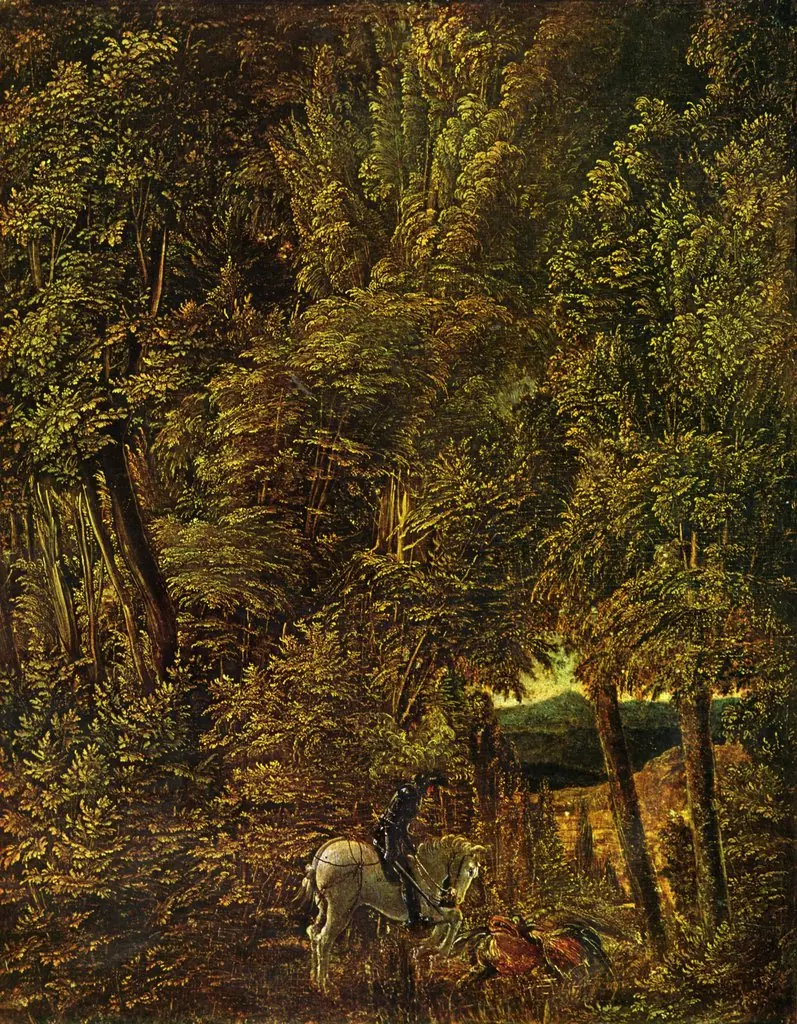
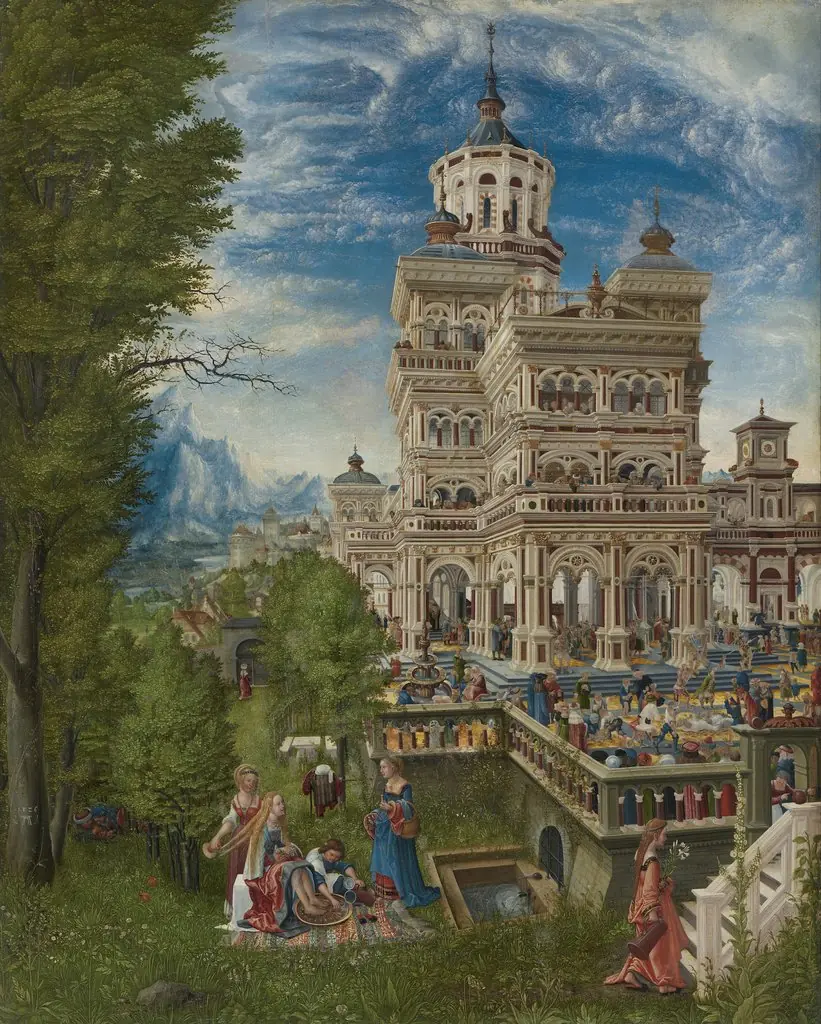
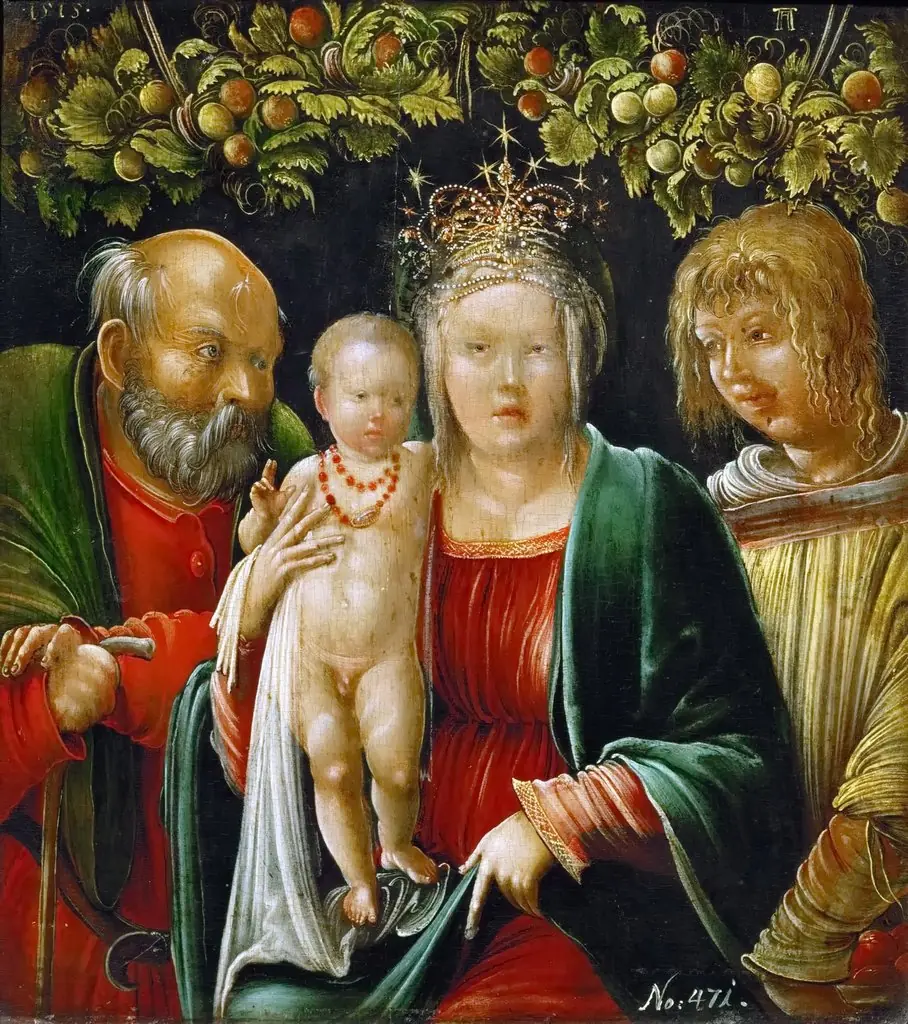
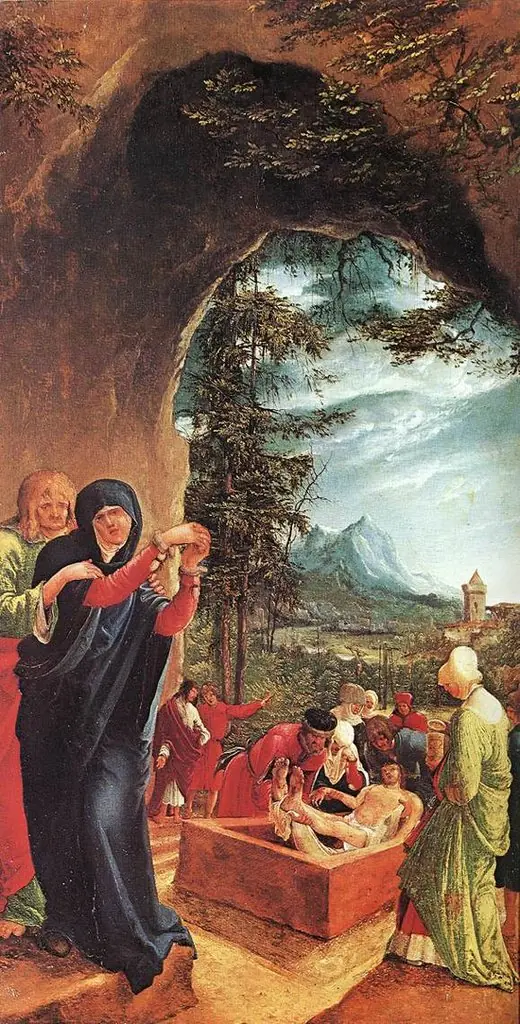
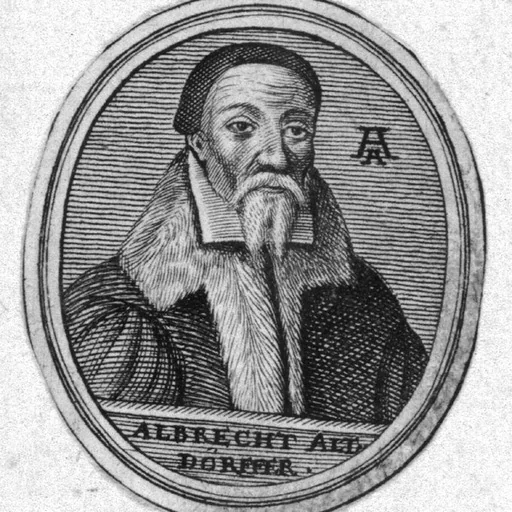
Albrecht Altdorfer (c. 1480 – 12 February 1538) was a German painter, engraver and architect of the Renaissance working in Regensburg. Along with Lucas Cranach the Elder and Wolf Huber he is regarded to be the main…