Artwork
Graces and Cupids
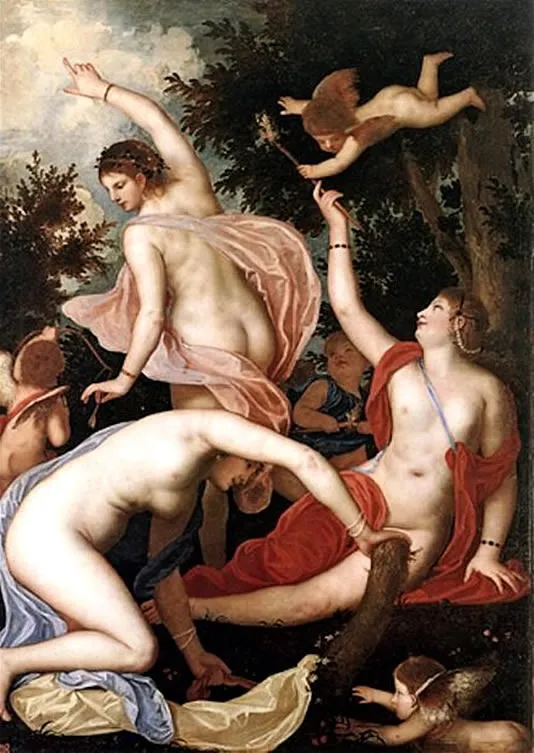
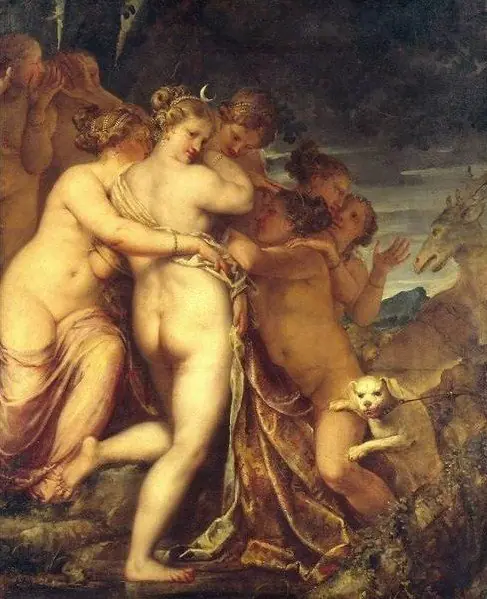
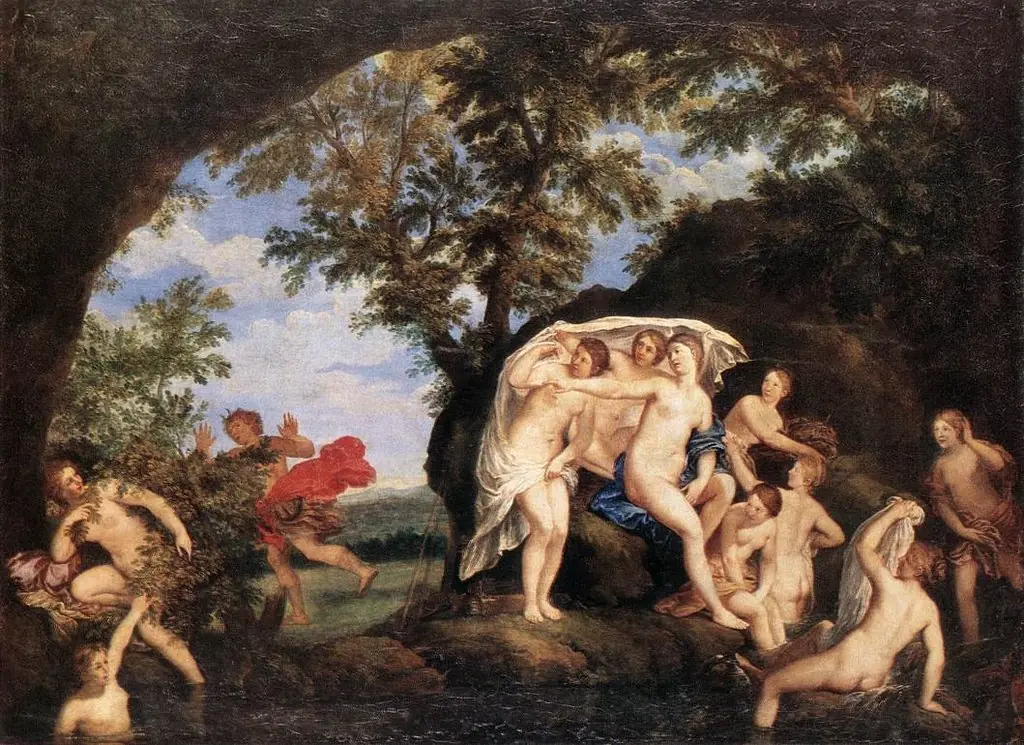
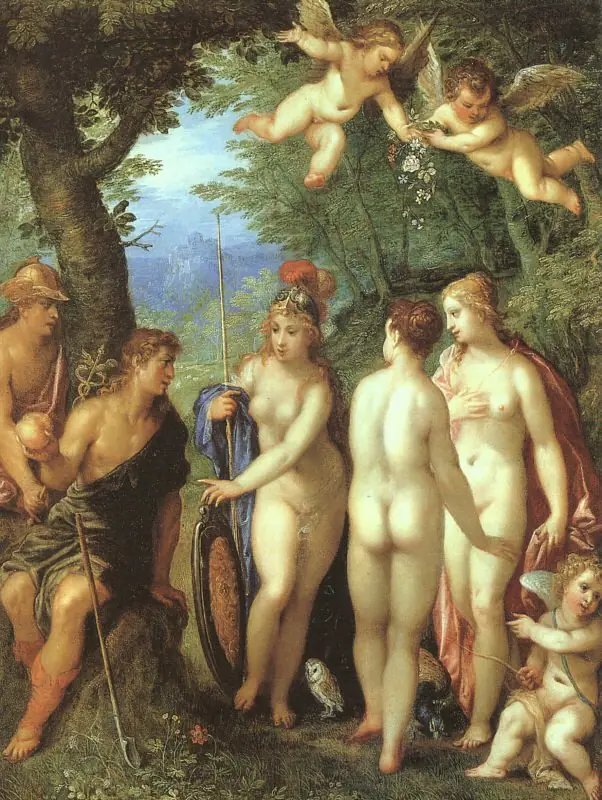
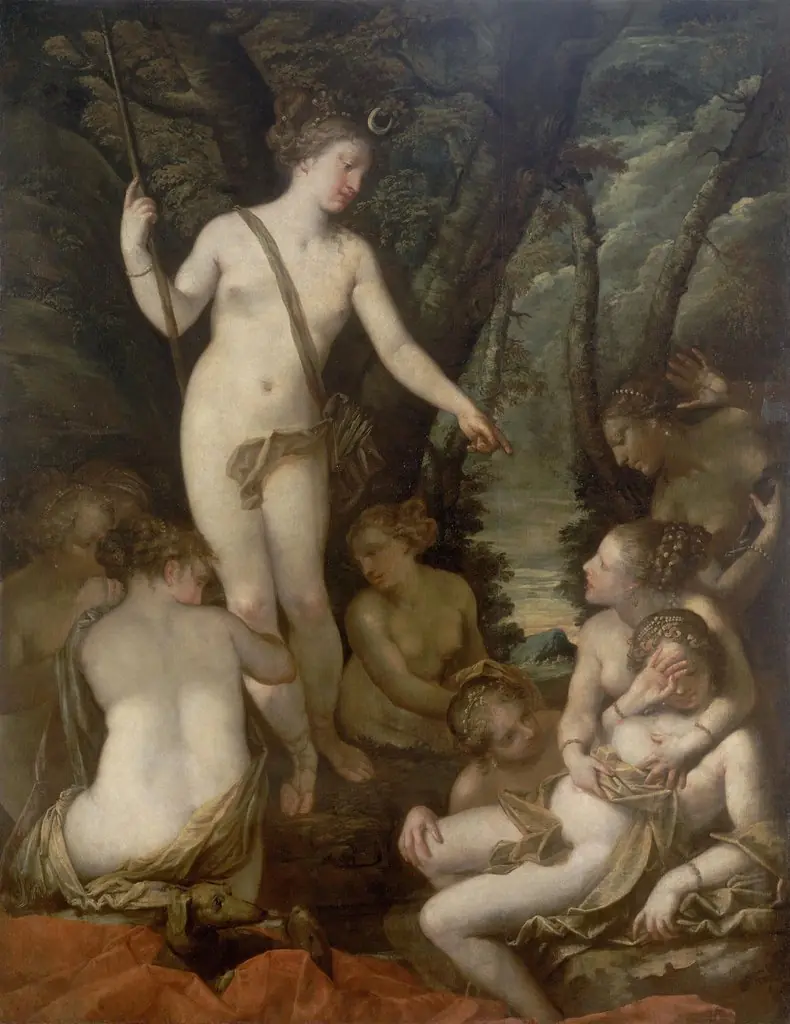
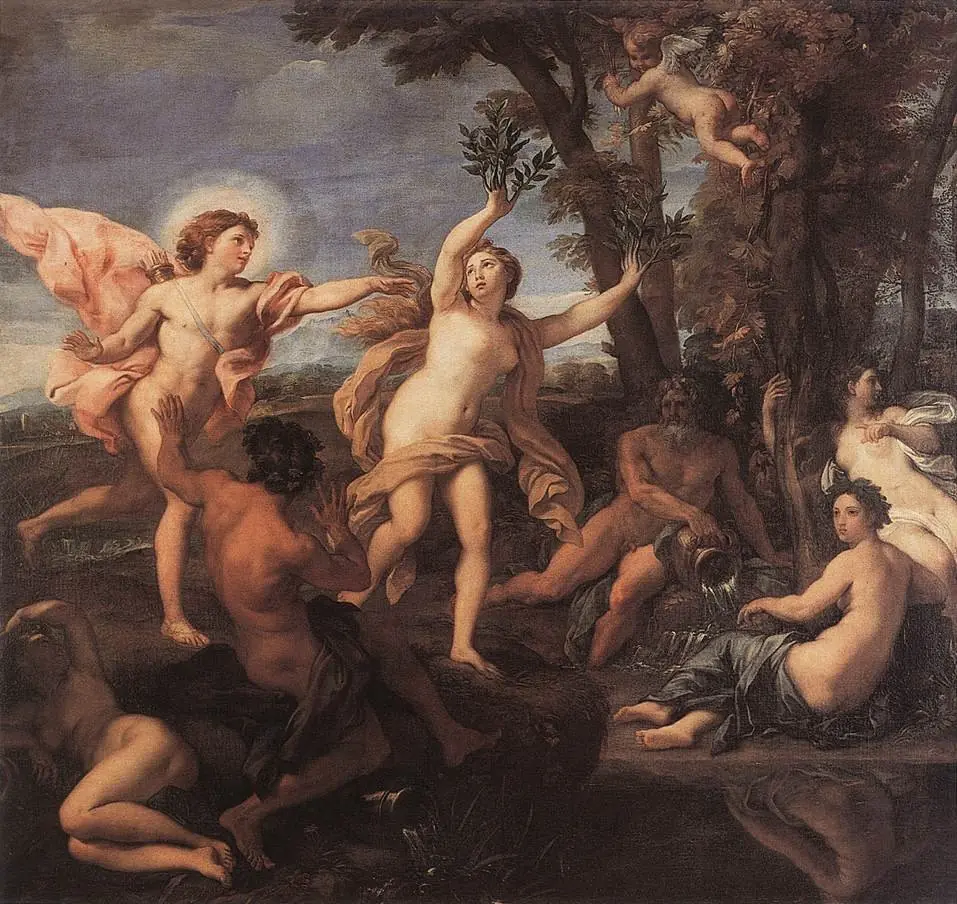
Graces and Cupids is an oil painting by the Early Baroque Italian artist Alessandro Varotari. It dates from 1620 and is held in the collection of the Hermitage Museum.
About this work
Overview
Painted in 1620 by Alessandro Varotari, known as Il Padovanino, this oil-on-canvas work presents a mythological grouping of figures within a natural setting.
Painted in 1620 by Alessandro Varotari, known as Il Padovanino, this oil-on-canvas work presents a mythological grouping of figures within a natural setting. A Venetian artist trained in the transitional style between Mannerism and early Baroque, Varotari rendered the scene with attention to anatomical grace and atmospheric light. The painting is now part of the State Hermitage Museum’s collection in Saint Petersburg.
Subject & Meaning
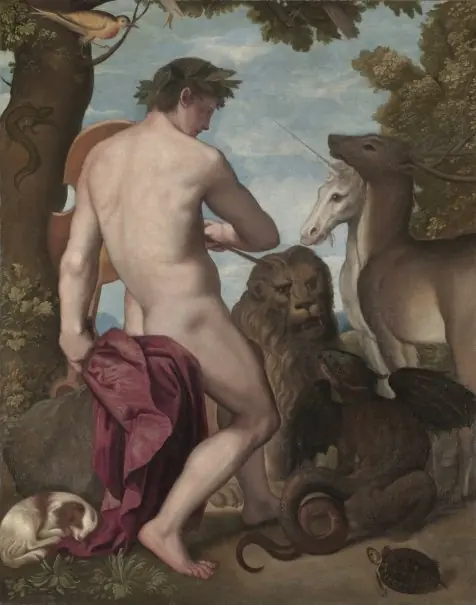
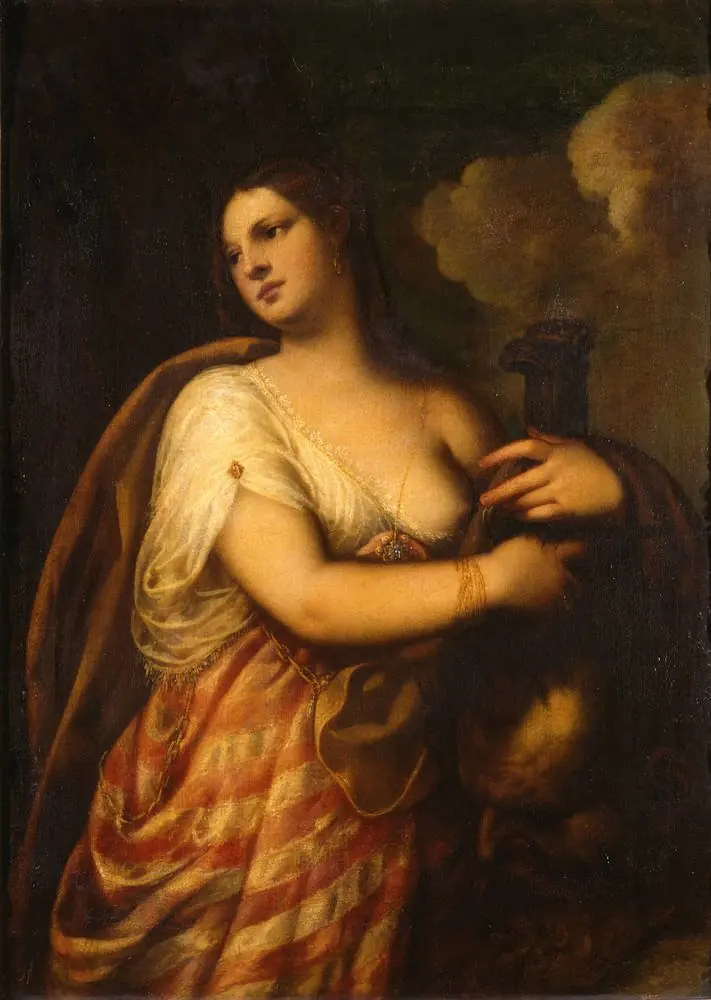
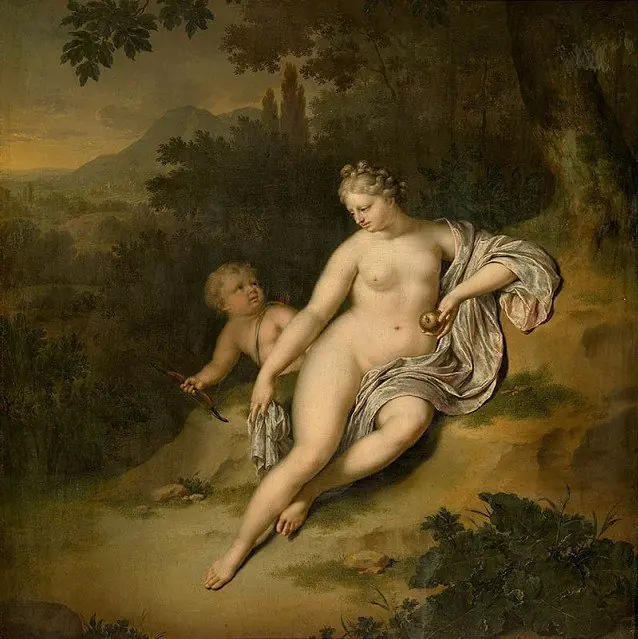
The composition features three nude female figures, traditionally interpreted as the Graces, accompanied by winged Cupids in a wooded landscape. One figure raises her arms, holding a draped fabric; another reclines near a small creature, while the third gazes upward. The scene evokes classical ideals of harmony and beauty, though without overt narrative, inviting contemplation rather than storytelling.
Technique & Style
Varotari employed chiaroscuro to model the figures with subtle gradations of light and shadow, enhancing their three-dimensionality against the dappled forest backdrop. The skin tones catch ambient light with soft transitions, while the drapery and foliage are rendered with loose, fluid brushwork. The style reflects Venetian traditions of color and texture, tempered with the emerging naturalism of the early Baroque.
History & Provenance
The painting was created during Varotari’s mature period in Venice, where he was influenced by Titian and Veronese. It remained in private collections in northern Italy before entering the Hermitage’s holdings in the 19th century. Its attribution has been consistently accepted by scholars, though its exact early ownership remains undocumented.
Context
In early 17th-century Venice, mythological subjects remained popular among patrons seeking refined, allegorical imagery. Varotari’s approach diverged from the theatricality of Roman Baroque, favoring a quieter, more lyrical tone rooted in Venetian colorism. This work aligns with a regional preference for poetic, intimate mythologies over grand narratives.
Legacy
Though less widely known than his contemporaries, Varotari’s *Graces and Cupids* exemplifies the quiet evolution of Venetian painting into the Baroque era. Its restrained composition and sensitive handling of light contributed to a local tradition that valued subtlety over spectacle, influencing later artists who sought to blend classical themes with naturalistic observation.
Artist & collection
Artist
Alessandro Leone Varotari (4 April 1588 – 20 July 1649), also commonly known as Il Padovanino, was a Venetian painter of the late-Mannerist and early-Baroque Venetian school, best known for having mentored Pietro…