Artwork
Art of the Lithograph: Madonna and Child on the Clouds, Plate II
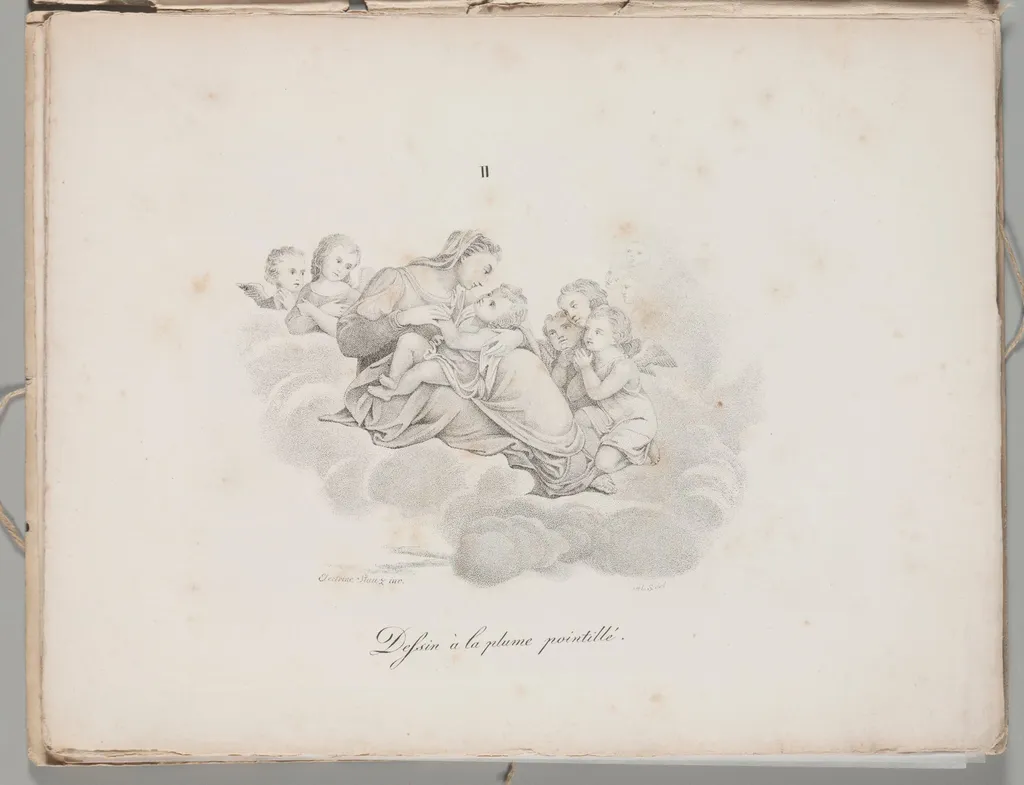
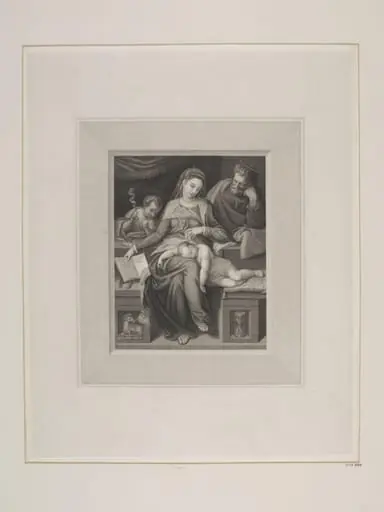
Art of the Lithograph: Madonna and Child on the Clouds, Plate II is a work on paper by the Romanticist artist Alois Senefelder. It dates from 1819 and is held in the collection of the Cleveland Museum of Art. Created in 1819, this lithographic plate is part of a portfolio titled Art of the Lithograph.
About this work
Overview
This work represents one of the earliest artistic applications of the technique, intended to showcase its potential for fine art reproduction.
Created in 1819, this lithographic plate is part of a portfolio titled Art of the Lithograph. It was produced by Alois Senefelder, the inventor of lithography, as a demonstration of the new printing method. Unlike traditional engraving or woodcut, lithography relied on the chemical repulsion of oil and water on a stone surface. This work represents one of the earliest artistic applications of the technique, intended to showcase its potential for fine art reproduction.
Subject & Meaning
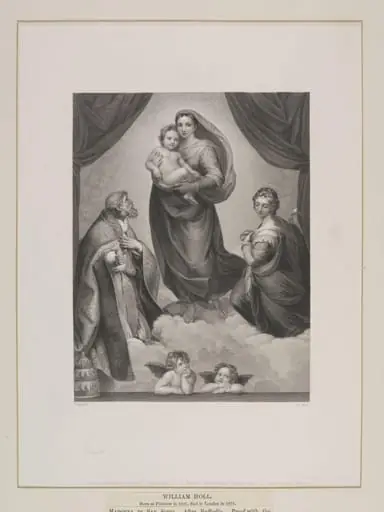
The image depicts the Virgin Mary cradling the infant Jesus amid soft, floating clouds. The composition conveys quiet reverence rather than dramatic grandeur. The figures are rendered with gentle contours and minimal detail, emphasizing serenity over theological complexity. This choice of subject reflects the enduring cultural resonance of the Madonna and Child, adapted here to suit the intimate, tonal qualities of the lithographic medium.
Technique & Style
Senefelder employed lithography’s unique capacity for subtle gradations of tone, using a greasy crayon to draw directly on limestone. The soft lines and muted contrasts suggest a delicate chiaroscuro, though without the heavy shadows of Baroque painting. The print’s delicacy arises from the stone’s ability to hold fine, hand-drawn marks, allowing for a fluidity unattainable in relief or intaglio methods. The result is a quiet, atmospheric rendering suited to devotional contemplation.
History & Provenance
The plate was produced as part of Senefelder’s effort to promote lithography as a viable fine art medium. It entered the collection of The Cleveland Museum of Art through documented acquisitions in the 20th century, likely as part of a broader interest in early printmaking innovations. Its survival in good condition reflects its significance as a foundational example of the technique, preserved not as a commercial product but as a technical and artistic milestone.
Context
In the early 19th century, printmaking was undergoing rapid transformation. Senefelder’s invention offered artists a way to bypass the labor-intensive processes of engraving. This lithograph emerged during a period when religious imagery remained popular, yet new technologies were reshaping how such images were produced and distributed. The work sits at the intersection of tradition and innovation, using a sacred subject to validate a revolutionary method.
Legacy
This plate helped establish lithography as a legitimate medium for artistic expression, influencing generations of printmakers. Its success demonstrated that fine detail and tonal nuance could be achieved without traditional engraving tools. Though Senefelder’s primary goal was technical demonstration, the work’s aesthetic restraint contributed to the medium’s acceptance in both religious and secular contexts, paving the way for later artists like Goya and Toulouse-Lautrec.
Artist & collection

Artist
Johann Alois Senefelder was a German actor and playwright who invented the printing technique of lithography in the 1790s.

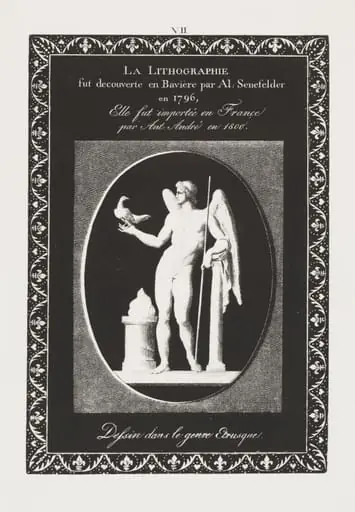 Art of the Lithograph: Dedication Sheet, Plate VII
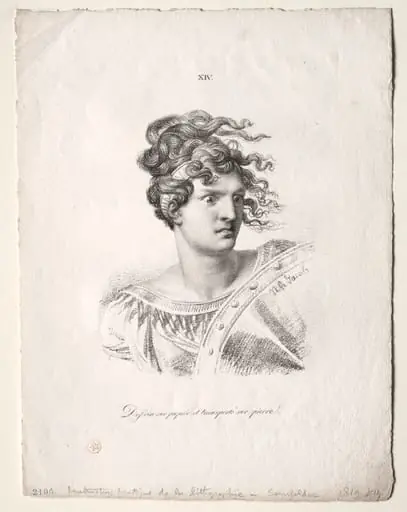 L'art de la lithographie: Head of an Amazon
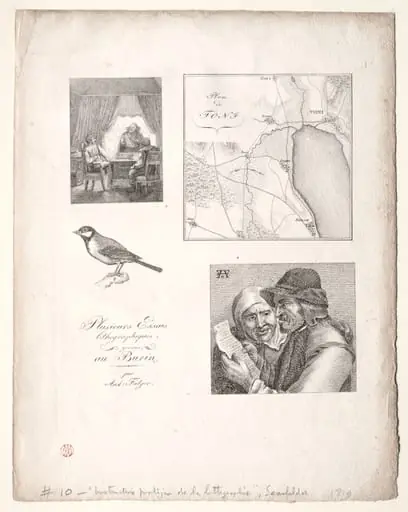 L'art de la litographie:Four Subjects after Falger
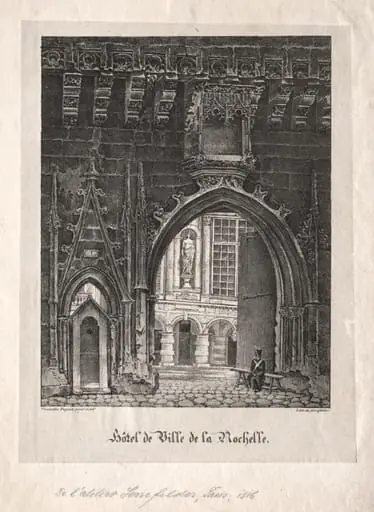 Hotel da Ville de la Rochelle, France
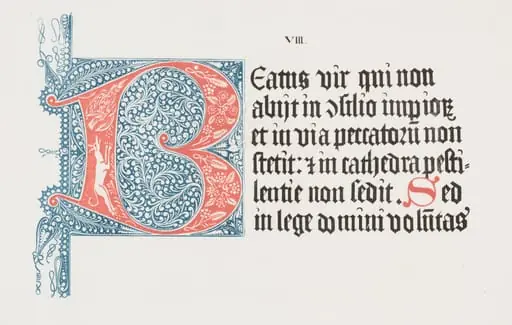 Art of the Lithograph: Psalter- Initial B, Plate VIII
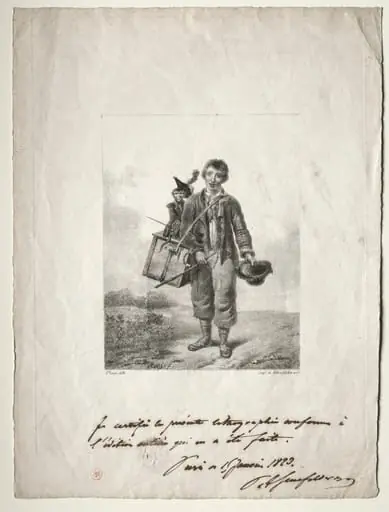 Organ-Grinder Boy
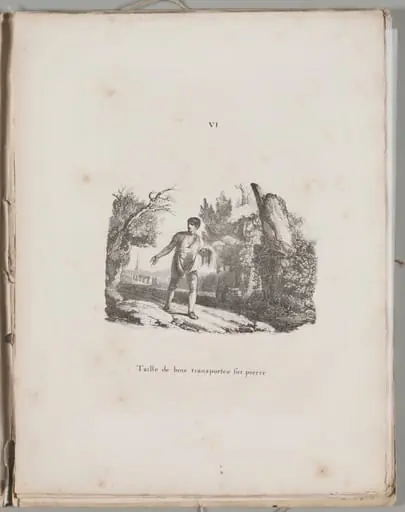 Art of the Lithograph: Transfer of a Wood Engraving, Plate VI
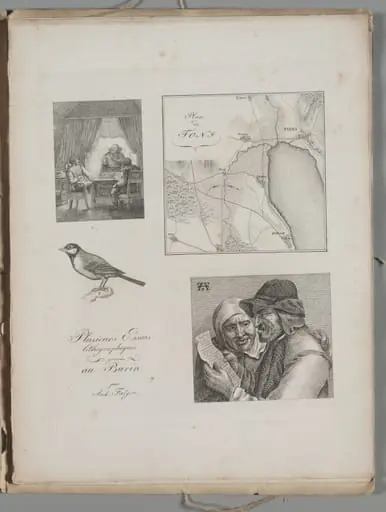 Art of the Lithograph: Four Engraving Samples, War Tent, Map of Toni, Bird, Dutch Farmer and Woman