Artwork
The Triumph of Julius Caesar: Procession of Men, Women and Children
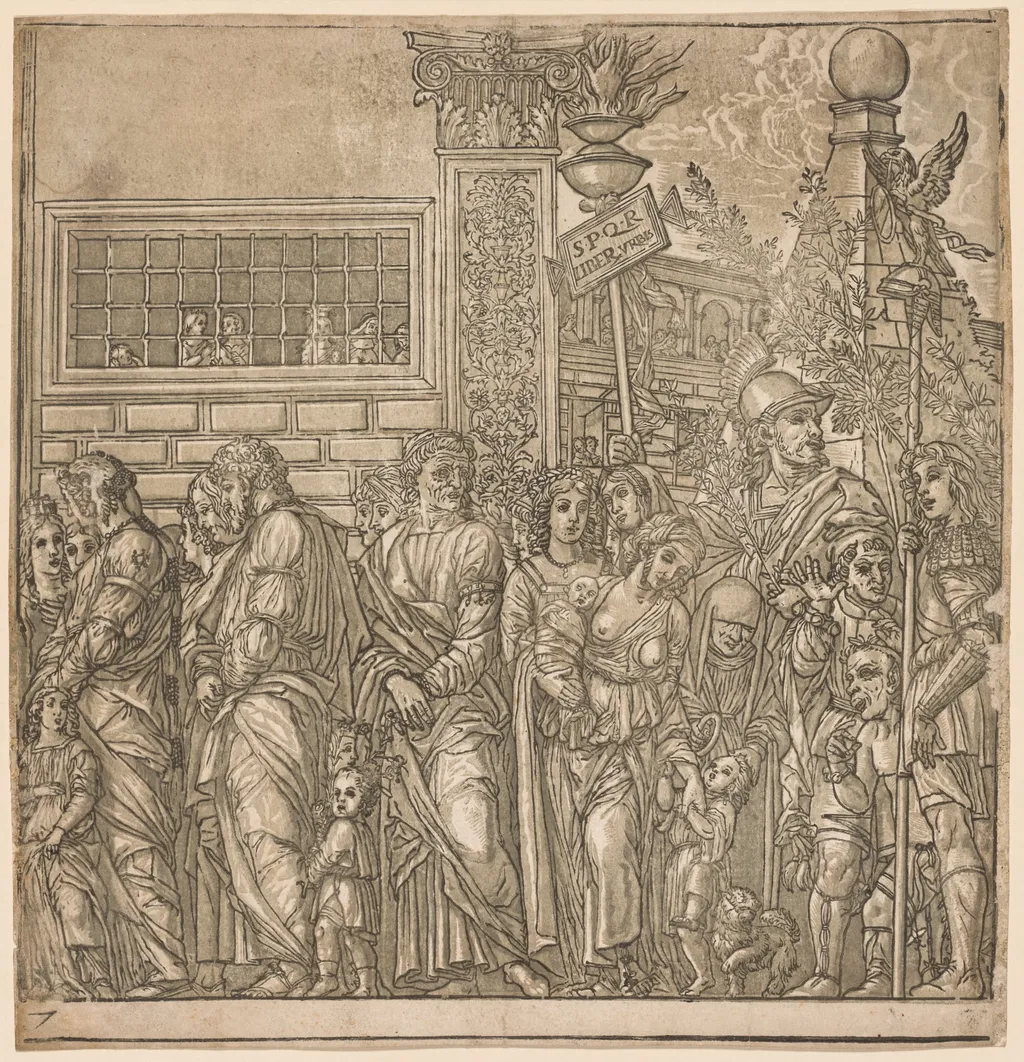
The Triumph of Julius Caesar: Procession of Men, Women and Children is a print by the Renaissance artist Andrea Andreani. It dates from 1596 and is held in the collection of the Cleveland Museum of Art. The work is a set of chiaroscuro woodcuts that reproduce Andrea Mantegna’s early sixteenth‑century painting of Julius Caesar’s triumph.
About this work
Overview
The work is a set of chiaroscuro woodcuts that reproduce Andrea Mantegna’s early sixteenth‑century painting of Julius Caesar’s triumph. Commissioned by Duke Vincenzo Gonzaga, the prints present a continuous frieze‑like procession of men, women and children celebrating Caesar’s victory in Gaul in 52 BC.
Subject & Meaning
The imagery follows the traditional Roman triumph, a ceremonial parade sanctioned by the Senate. Each panel depicts elements described in ancient accounts—captured spoils, victorious soldiers, and celebratory civilians—conveying the public glorification of Caesar’s military success.
Technique & Style
The prints employ the chiaroscuro woodcut method, using multiple blocks to achieve tonal contrast and a sense of depth. A decorative frontispiece bears a bust of Mantegna, and the suite includes detachable column fragments that could be inserted between scenes to enhance the frieze effect.
History & Provenance
Issued by the printer Andreani, the series was intended for collectors who often assembled the individual sheets into a continuous decorative band. Surviving examples retain orange‑coloured column fragments flanking the fourth scene, indicating the original presentation format.
Context
The commission reflects early‑seventeenth‑century ducal patronage, where aristocratic clients sought to disseminate celebrated Renaissance compositions through reproducible media, extending the reach of Mantegna’s celebrated narrative beyond its original fresco setting.
Artist & collection

Artist
Andrea Andreani (1540–1623) was an Italian engraver on wood, who was among the first printmakers in Italy to use chiaroscuro, which required multiple colours.

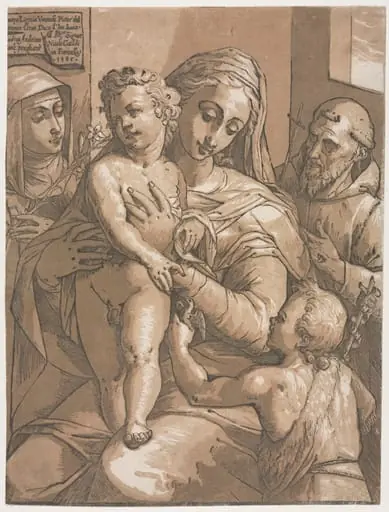 Virgin and Child with St. John, St. Catherine of Siena and St. Francis
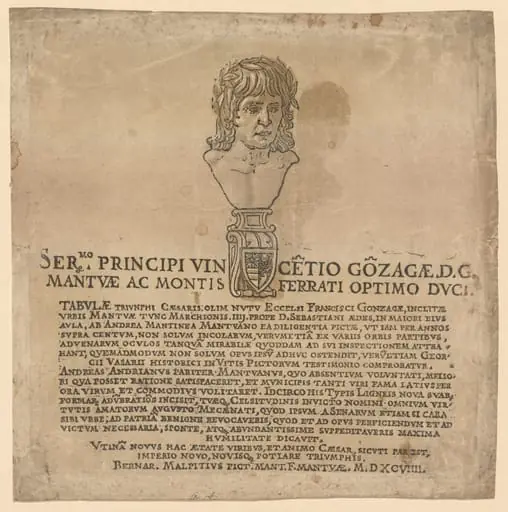 The Triumph of Julius Caesar
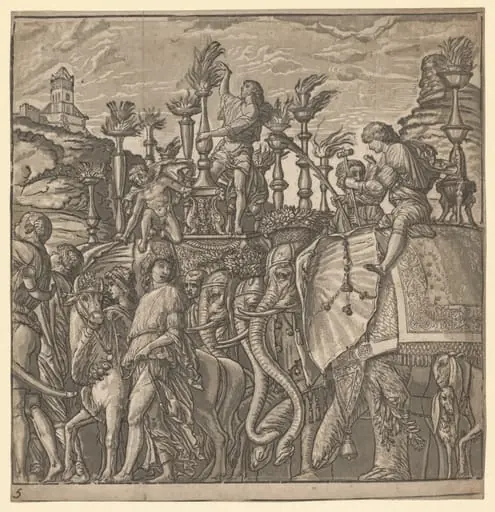 The Triumph of Julius Caesar: Elephants Carrying Torches
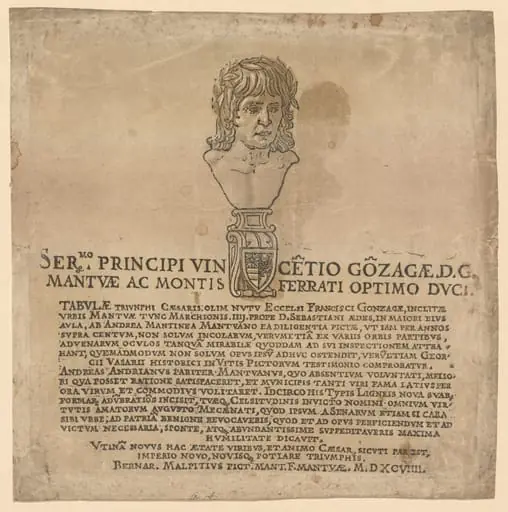 The Triumph of Julius Caesar: Frontispiece
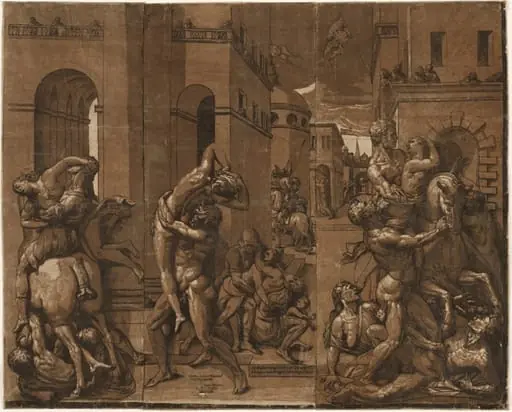 The Abduction of the Sabine Women
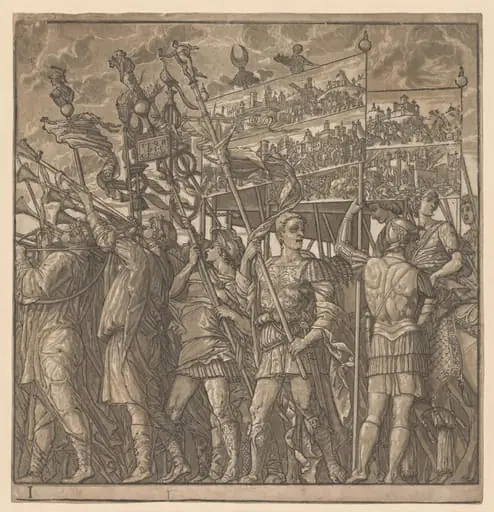 The Triumph of Julius Caesar: Soldiers Carrying the Pictures of War
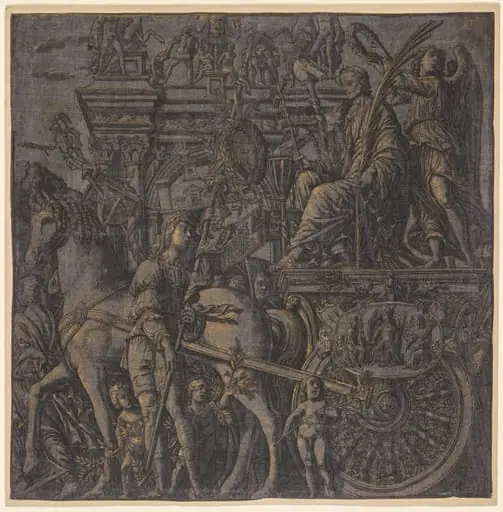 The Triumph of Julius Caesar: Caesar Triumphant
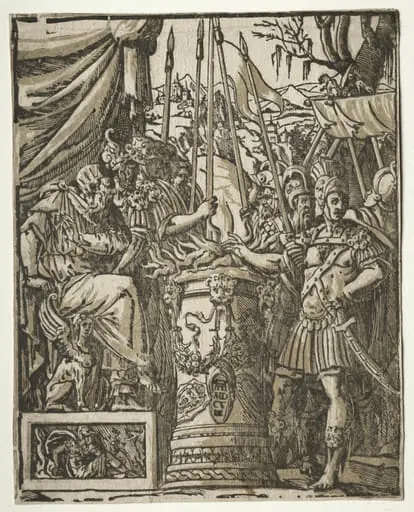 Mucius Scaevola
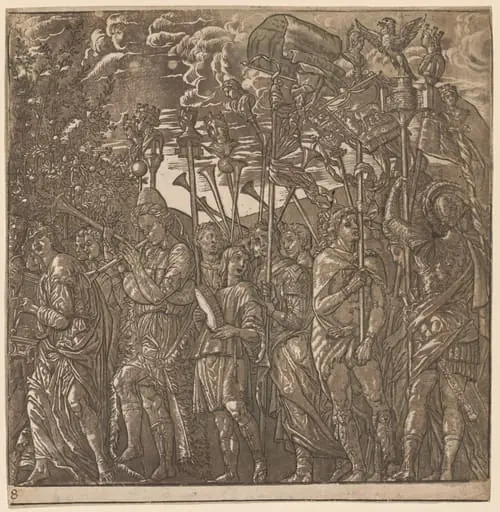 The Triumph of Julius Caesar: Soldiers Carrying Banners and Standards
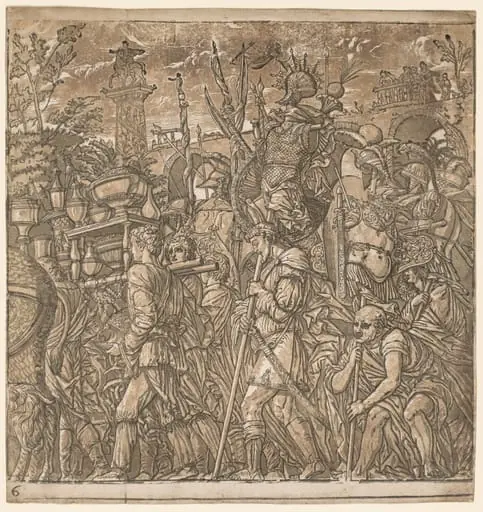 The Triumph of Julius Caesar: Soldiers Carrying Vases and Trophies of War
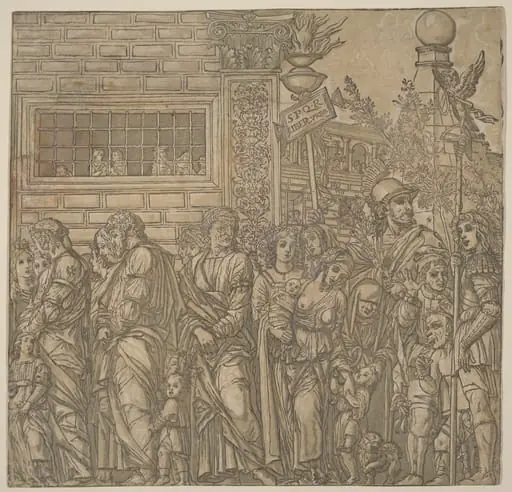 The Triumph of Julius Caesar
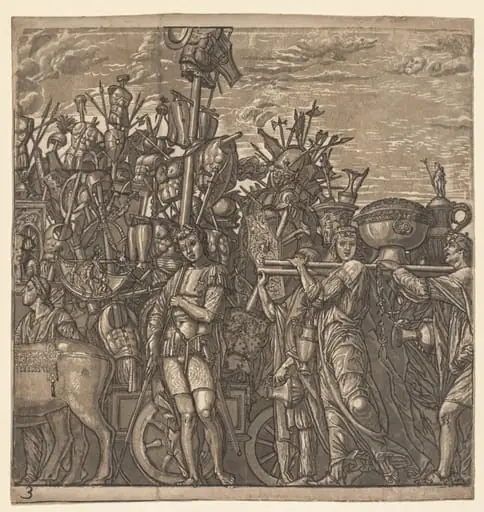 The Triumph of Julius Caesar: Soldiers Marching with Trophies of War
![The Triumph of Julius Caesar [no.1 and 2 plus 2 columns], by Andrea Andreani](https://artifactworldgallery.com/img/andrea-andreani--the-triumph-of-julius-caesar-no-1-and-2-plus-2-columns--72fc49376c9f9633-w320.webp) The Triumph of Julius Caesar [no.1 and 2 plus 2 columns]
The Triumph of Julius Caesar [no.1 and 2 plus 2 columns]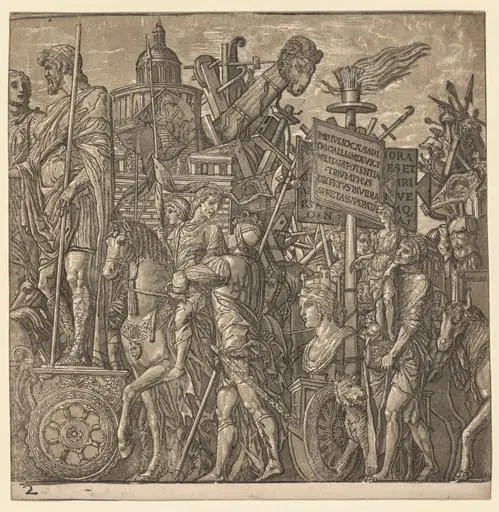 The Triumph of Julius Caesar: Colossal Statues and Siege Equipment
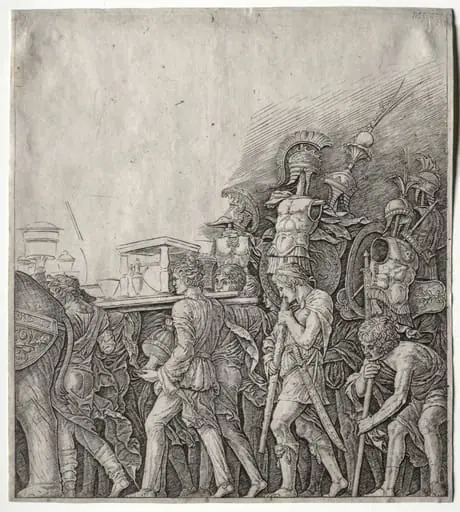 The Triumphs of Caesar: The Corselet Bearers
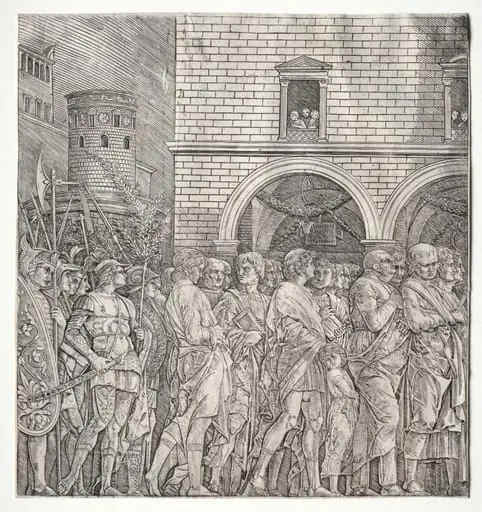 The Triumphs of Caesar: The Senators
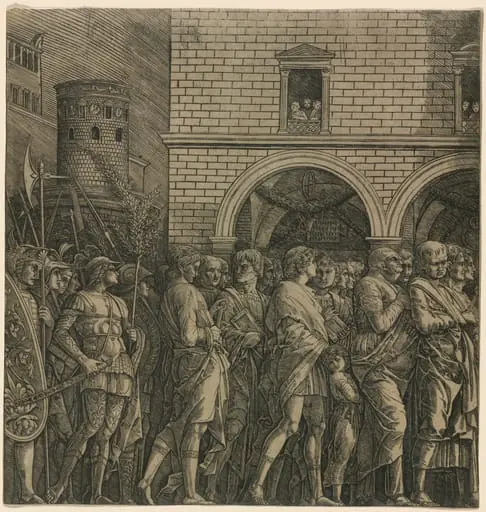 The Triumph of Caesar: The Senators
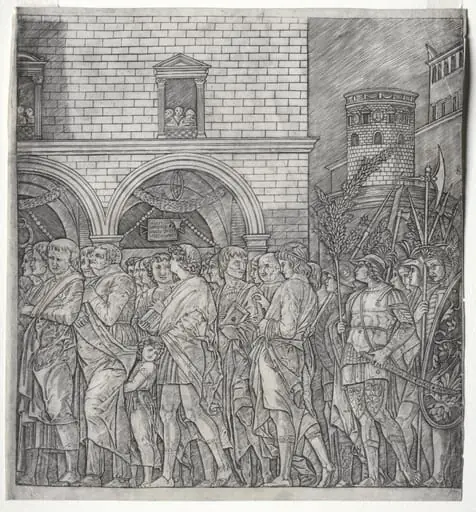 Triumph of Caesar: The Senators
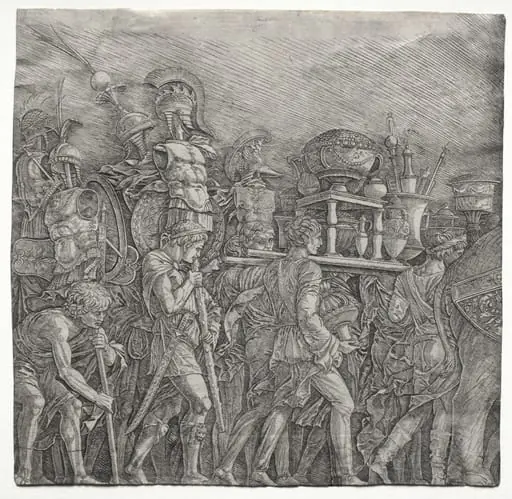 The Triumphs of Caesar: The Corselet Bearers