Artwork
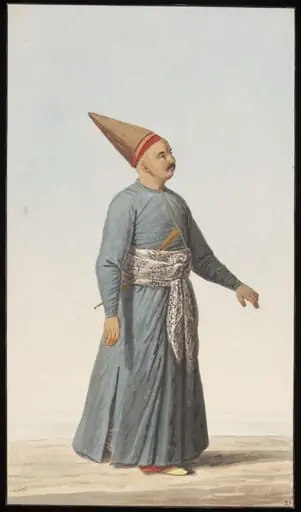
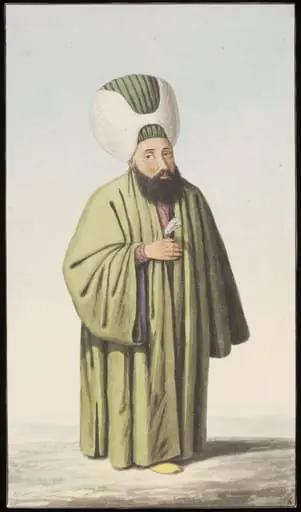
Sarayoglan, or page to the Sultan
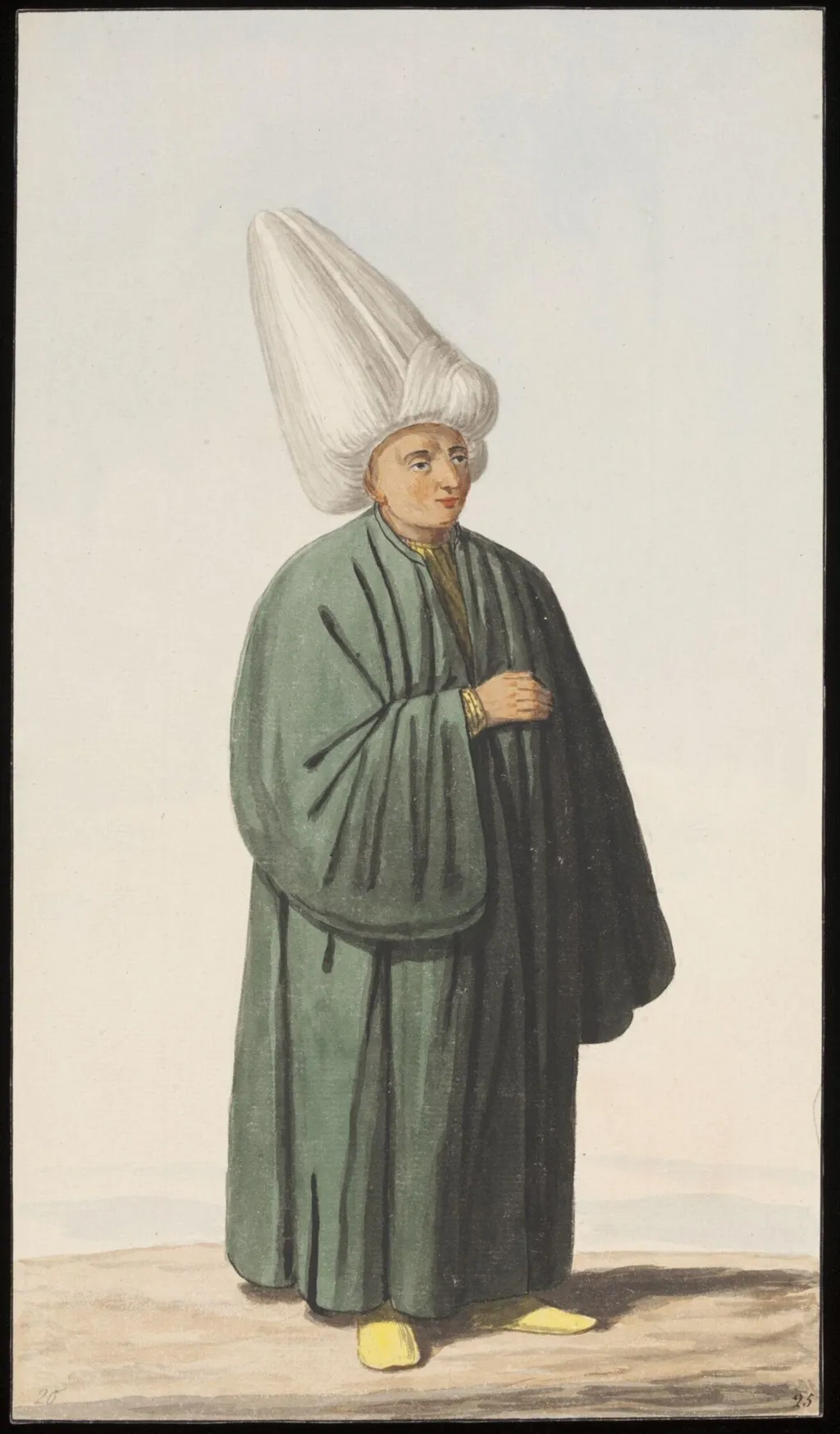
Sarayoglan, or page to the Sultan is a watercolor work on paper by the Romanticist artist Anonymous Greek artist. It dates from 1809 and is held in the collection of the Victoria and Albert Museum.
About this work
This watercolour portrait is titled *Sarayoglan, or page to the Sultan*. It was made around 1809 by an unknown Greek artist.
The work came from a big set of pictures ordered by a British diplomat, Stratford Canning. He was curious about Ottoman life and hired local artists to record what they saw.
Look up the Victoria and Albert Museum next.
Overview
Sarayoglan, or page to the Sultan, is a watercolour portrait created circa 1809 by an unidentified Greek artist. It originated from a substantial series of artworks commissioned by Stratford Canning, a British diplomat, to document Ottoman life and institutions during his time in Istanbul.
Subject & Meaning
The portrait depicts a *Sarayoglan*, a page serving the Sultan, offering a glimpse into the inner workings of the Ottoman court. The subject reflects Canning's broader interest in comprehensively understanding and visually recording Ottoman customs, buildings, and institutions.
Technique & Style
The artwork combines traditional Ottoman watercolour and bodycolour techniques, characterized by dense, brilliant hues, with European perspectives on representation and spatial organization, indicative of the cultural exchange influencing the artist's circle.
History & Provenance
Commissioned by Stratford Canning in the early 19th century, the piece was later acquired by the Victoria and Albert Museum in 1895 from Canning's daughter, Charlotte. Notably, Charles Cockerell, a visitor to the embassy, interacted with the artist (possibly this one) and created copies of architectural views, now housed in the British Museum.
Context
Created during Canning's diplomatic mission to Istanbul (starting in 1808), the work is part of a larger project to visually document Ottoman life, reflecting the era's diplomatic and cultural exchanges between East and West.
Legacy
While the artist remains anonymous, the piece contributes significantly to the historical record of Ottoman court life and the artistic fusion of Ottoman and European styles during the early 19th century.
Artist & collection

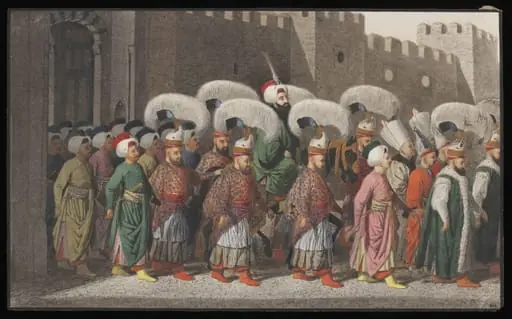
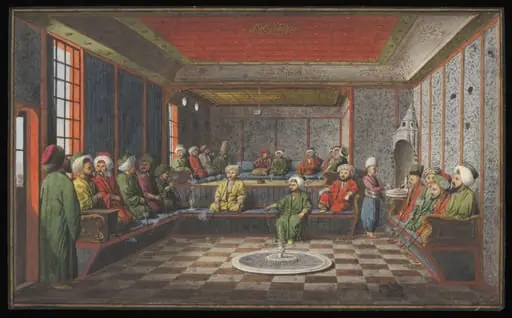
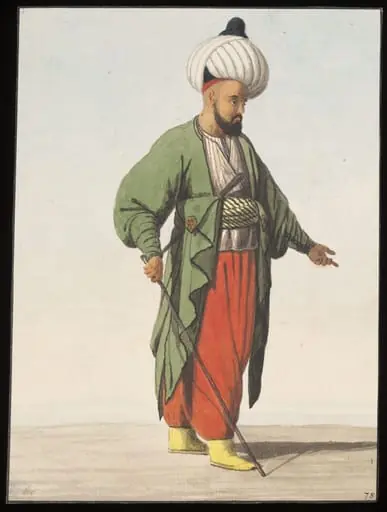
![A Pasha travelling with his escort[?], by Anonymous Greek artist](https://artifactworldgallery.com/img/anonymous-greek-artist--a-pasha-travelling-with-his-escort--01de32b8fcf30843-w320.webp)
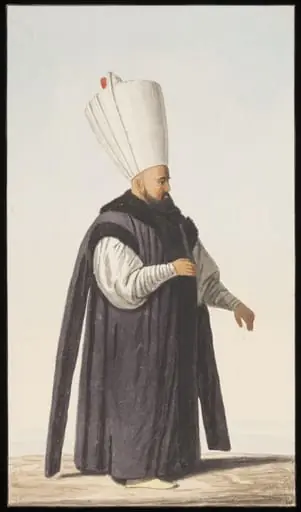
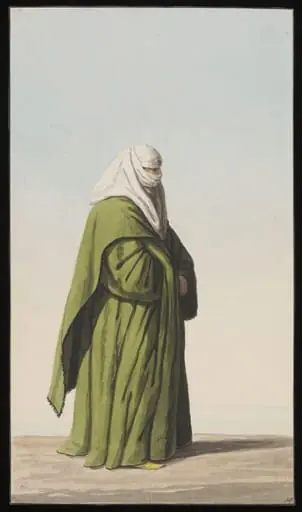
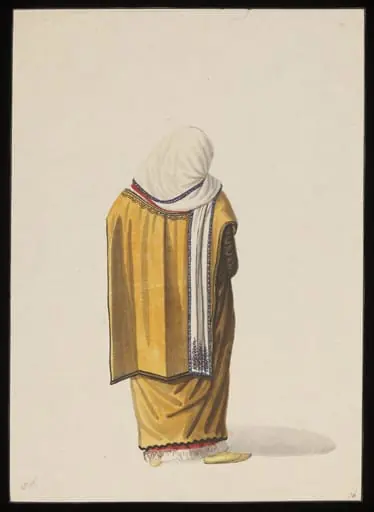
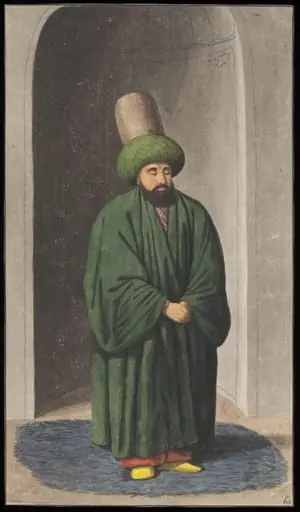
![A Dervish[?], by Anonymous Greek artist](https://artifactworldgallery.com/img/anonymous-greek-artist--a-dervish--3c8916f5a95abb6a-w320.webp)
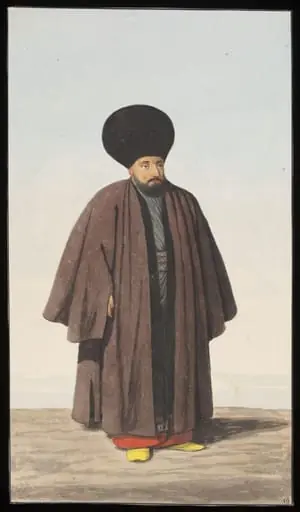
![An Armenian[?], by Anonymous Greek artist](https://artifactworldgallery.com/img/anonymous-greek-artist--an-armenian--8a9ee8f2d8733d94-w320.webp)