Artwork
Paulus Pontius
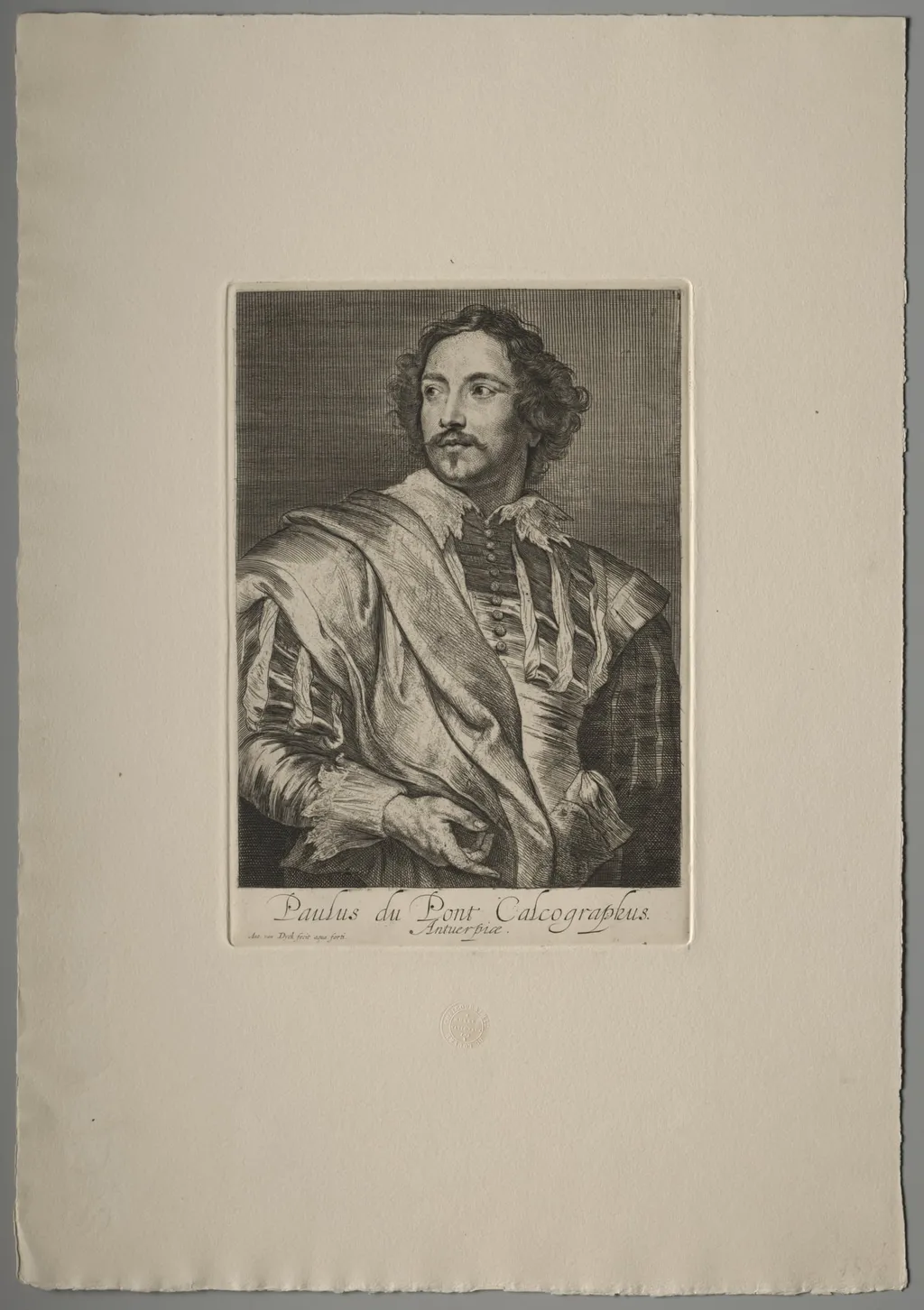
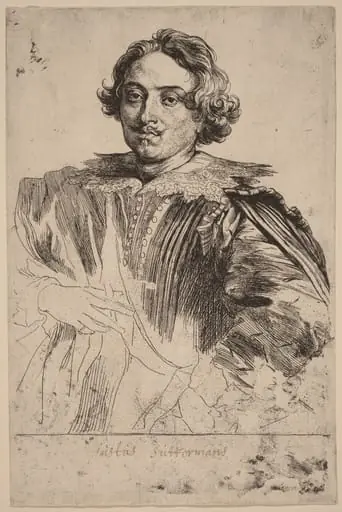
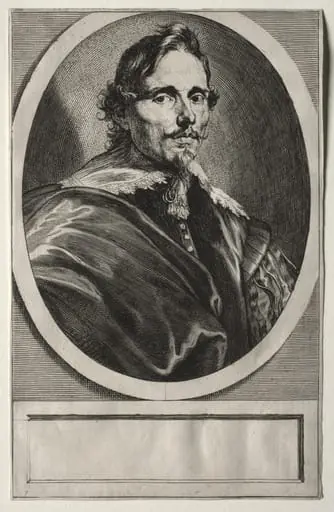
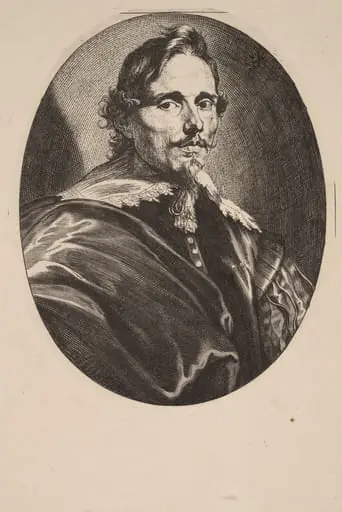
Paulus Pontius is a print by the Baroque artist Anthony van Dyck. It dates from 1632 and is held in the collection of the Cleveland Museum of Art.
About this work
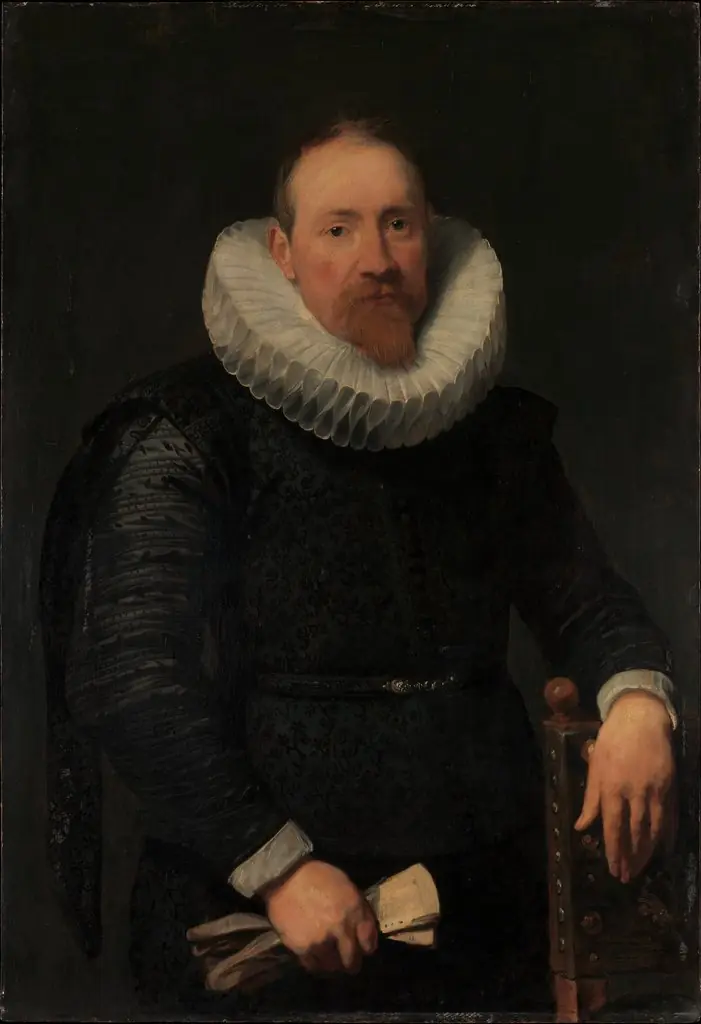
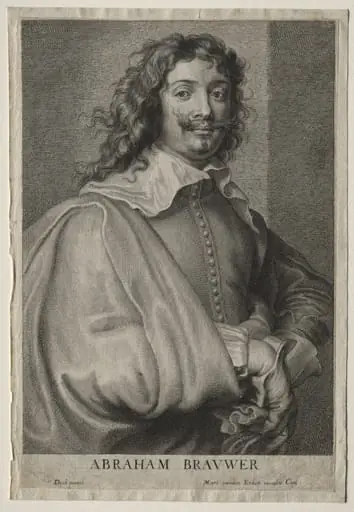
The image shows a man with curly hair and a mustache, wearing a white shirt with a high collar and a dark vest.
The image shows a man with curly hair and a mustache, wearing a white shirt with a high collar and a dark vest. He is looking to the right, and his hands are clasped in front of him. The background is a dark color.
The man's clothing and hairstyle suggest that he is from the 17th century. The artist has used chiaroscuro to create a sense of depth and volume in the painting.
This painting is a portrait of Paulus Pontius, created by Anthony van Dyck in the Baroque style. If you're interested in learning more about this style, you could explore the Baroque movement.
Overview
Anthony van Dyck painted Paulus Pontius in 1632, during his mature phase as a portraitist. The work is a black-and-white etching, not a painting, produced as a reproductive print to disseminate van Dyck’s likeness of Pontius. Though van Dyck is best known for oil portraits, this print reflects his engagement with printmaking as a medium for documenting contemporaries, particularly those connected to his artistic circle in Antwerp.
Subject & Meaning
Paulus Pontius was a skilled engraver who worked closely with Peter Paul Rubens, translating paintings into printed form. Van Dyck’s portrait captures Pontius as a quiet, composed figure, his clasped hands and direct gaze suggesting professionalism and introspection. The image does not idealize but presents him as a respected artisan within the Antwerp art world, emphasizing his role as a collaborator rather than a celebrated painter.
Technique & Style
Van Dyck employed fine, controlled lines to model Pontius’s face and clothing, using chiaroscuro to suggest volume through contrast between light and shadow. The high collar and dark vest are rendered with precision, while the curls of hair and mustache are delicately etched. The dark, unmodeled background focuses attention on the figure’s form and expression, a hallmark of van Dyck’s portraiture that prioritizes psychological presence over elaborate setting.
History & Provenance
The print was made shortly after van Dyck’s return to Antwerp from Italy, during a period when he was actively documenting fellow artists. It was likely produced for distribution among collectors and fellow engravers. The work remained within artistic circles in the Low Countries and later entered public collections, where it is now recognized as part of van Dyck’s significant contribution to print culture in the early 17th century.
Context
In early 17th-century Antwerp, collaboration between painters and engravers was essential for spreading artistic reputations. Pontius’s role in reproducing Rubens’s compositions made him a key figure in the city’s visual economy. Van Dyck’s portrait of him reflects the mutual respect among artists in this network, where printmaking served both commercial and commemorative functions within a thriving artistic community.
Legacy
This portrait stands as one of the few engraved likenesses van Dyck made of his peers, offering insight into the professional relationships that sustained the Flemish art world. It influenced later portrait engravers by demonstrating how subtle line work could convey character and status. The image remains a valuable document of artistic collaboration in the Baroque era, preserving the face of a craftsman whose work helped define the era’s visual legacy.
Artist & collection
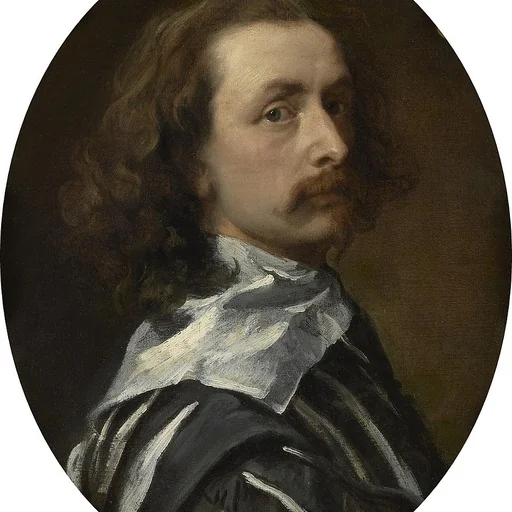
Artist
Sir Anthony van Dyck (; Dutch: Antoon van Dijck ; 22 March 1599 – 9 December 1641) was a Flemish Baroque artist, who became the leading court painter in England after success in the Spanish Netherlands and Italy.