Artwork
San Alberto de Sicilia
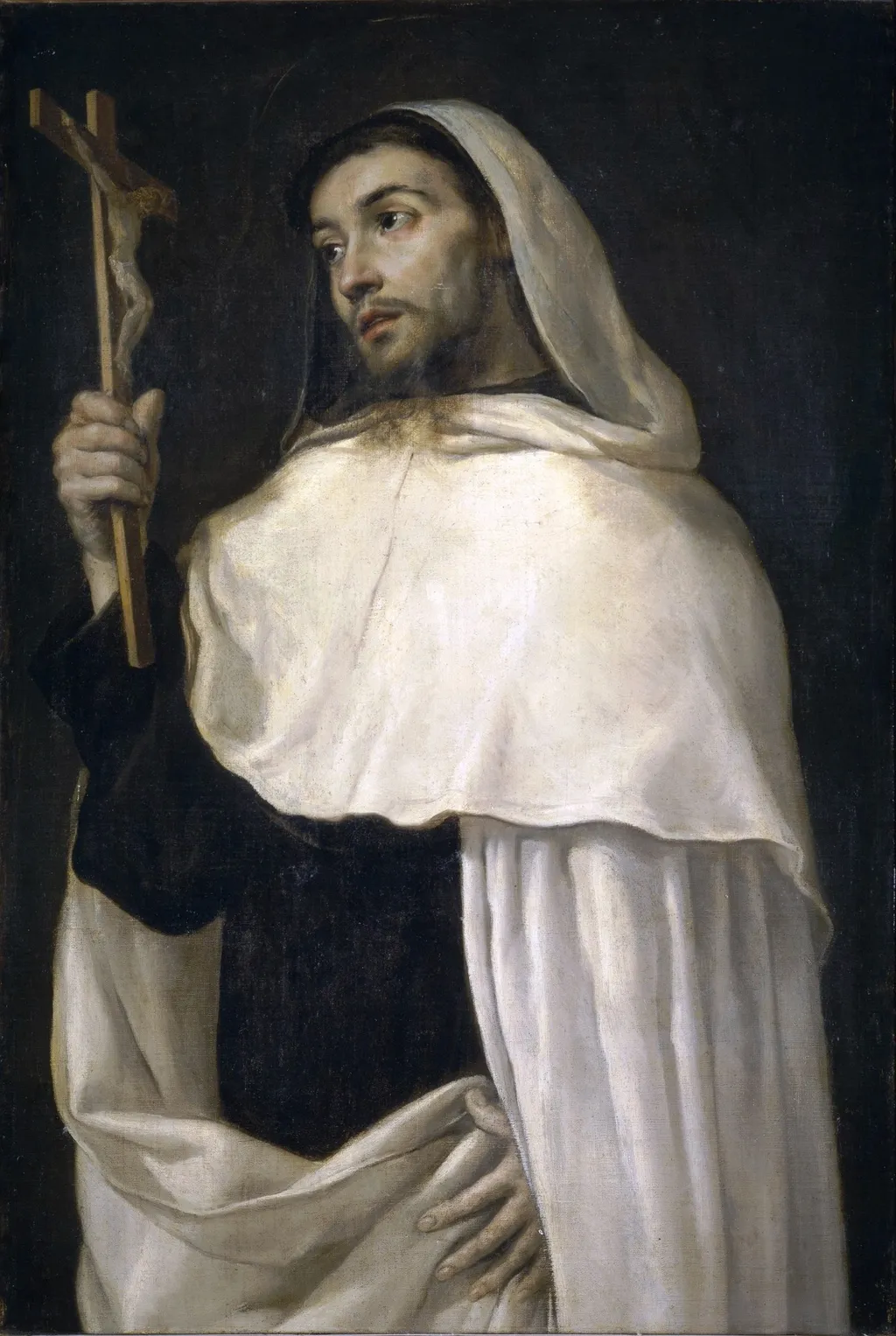
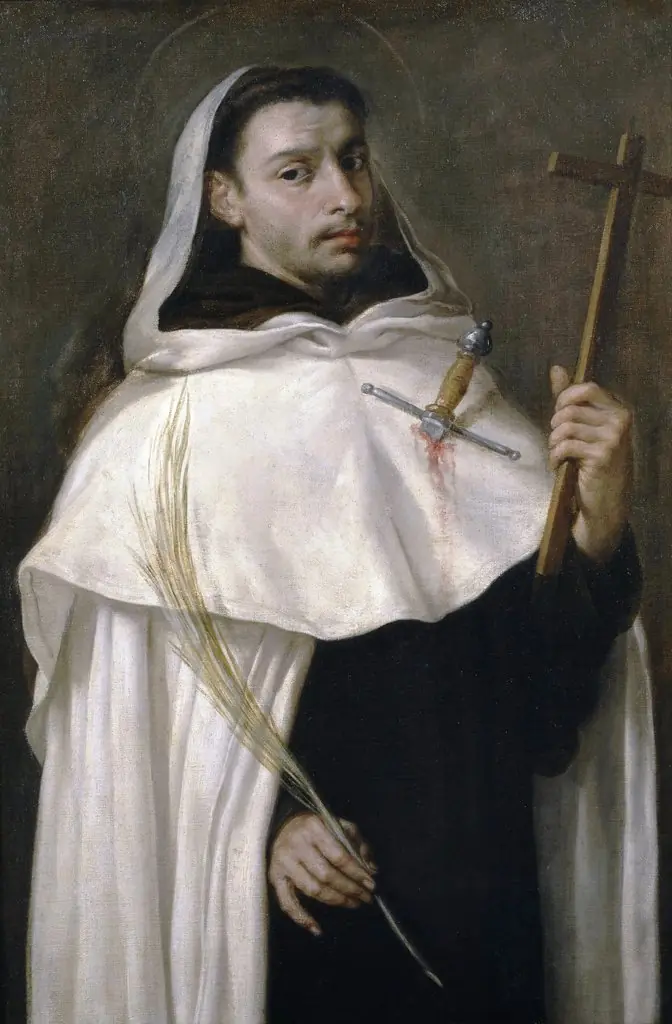
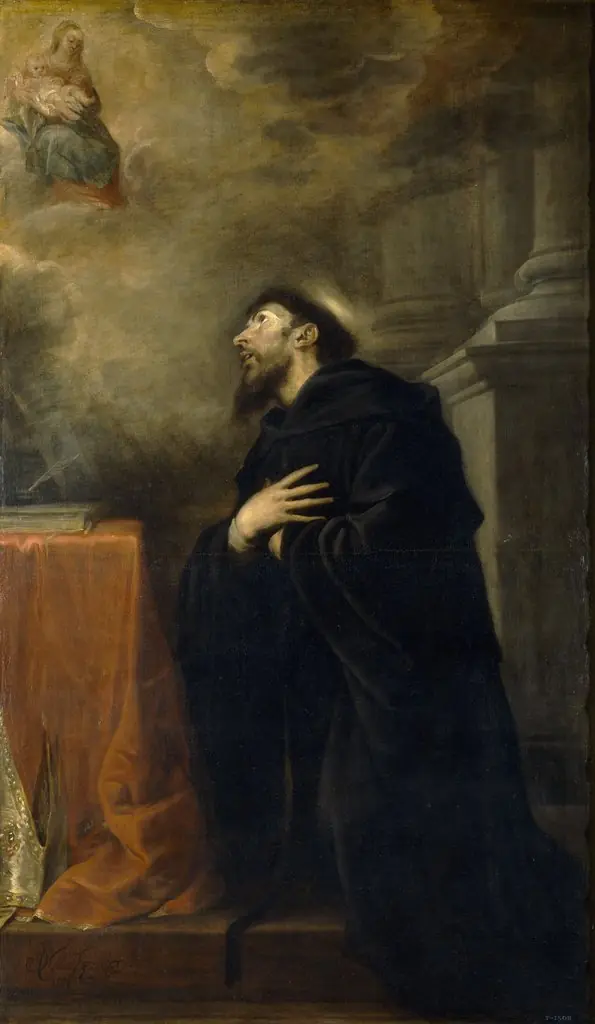
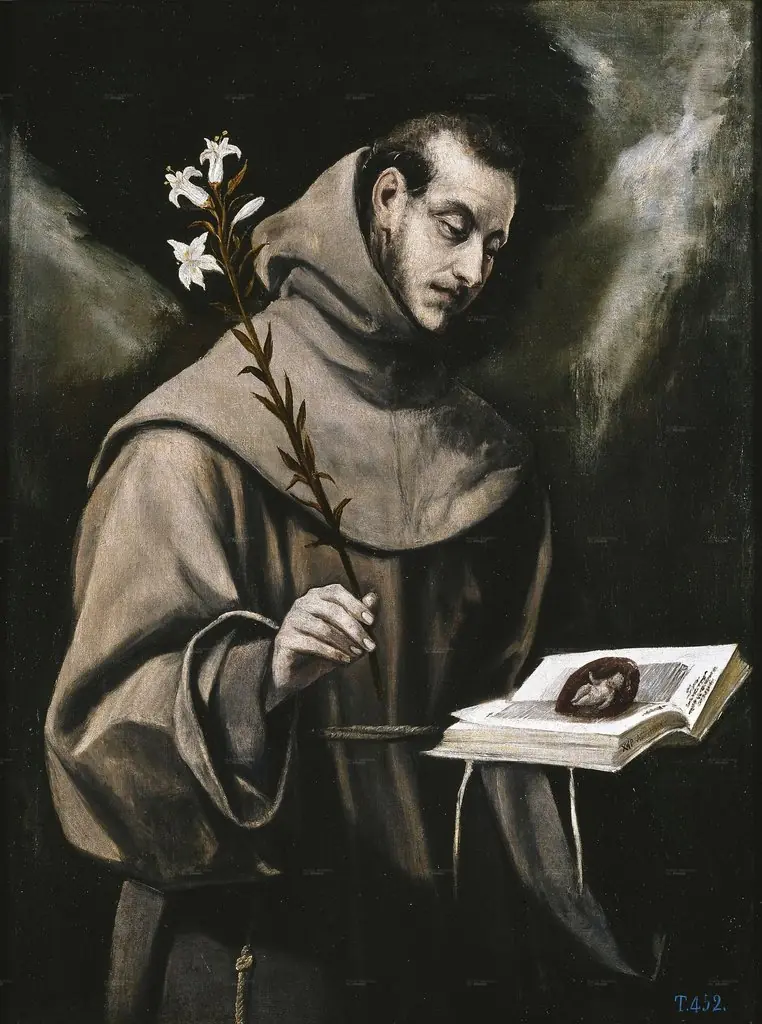
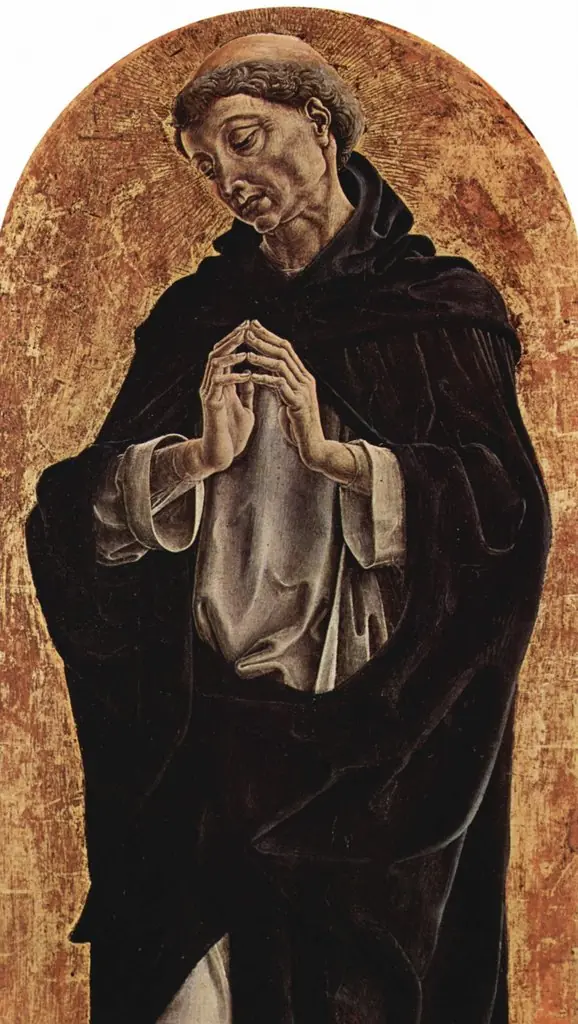
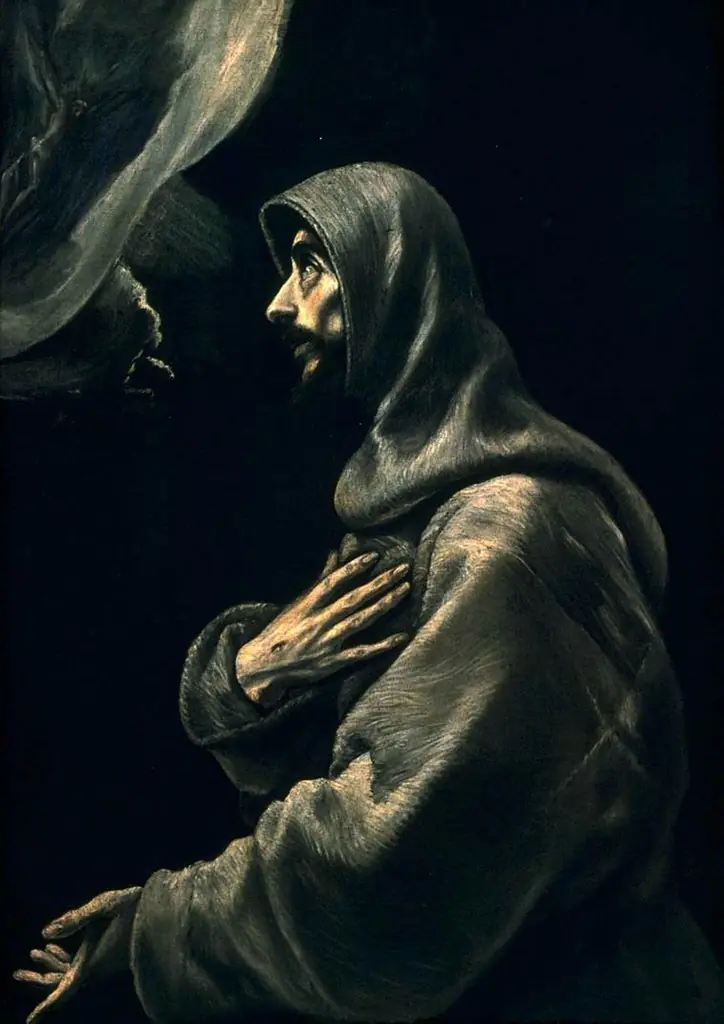
San Alberto de Sicilia is an oil painting by the Early Baroque Italian artist Antonio de Pereda. It dates from 1670 and is held in the collection of the Museo del Prado.
About this work
Overview
Antonio de Pereda’s *San Alberto de Sicilia* (1670) is an oil painting that portrays a solitary figure clutching a wooden cross. The subject stands in a darkened space, his white robe illuminated by a focused light source, creating a stark contrast between illuminated flesh and shadowed fabric. The work is part of the Museo del Prado’s permanent collection.
Subject & Meaning
The composition presents a man in a white habit, his head covered by a hood, holding a simple crucifix with one hand while the other rests on his chest. The solemn expression and restrained gesture suggest contemplation of martyrdom or devotion, aligning the figure with the saintly identity of Saint Albert of Sicily.
Technique & Style
Pereda employs a chiaroscuro scheme typical of early Baroque Italian painting, using strong light to model the folds of the robe and the texture of the cross against a deep, unlit background. The careful rendering of fabric movement and the tactile quality of the wooden crucifix demonstrate the artist’s skill in manipulating light and shadow to convey volume.
History & Provenance
Although Pereda is best known for his still‑life compositions, this religious work reflects his versatility within the Spanish Baroque. Created in the 1670s, the painting entered the Museo del Prado’s collection, where it remains displayed as an example of his lesser‑known figurative output.
Own this work as a print
Artist & collection
Artist
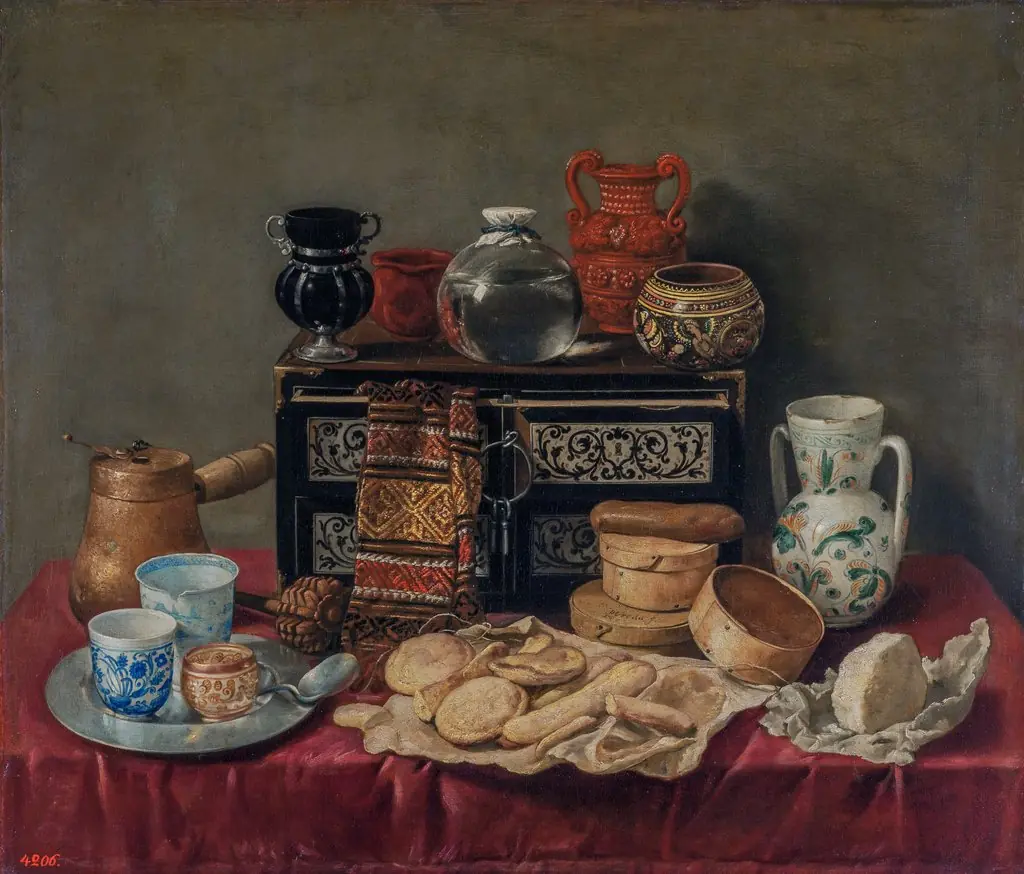
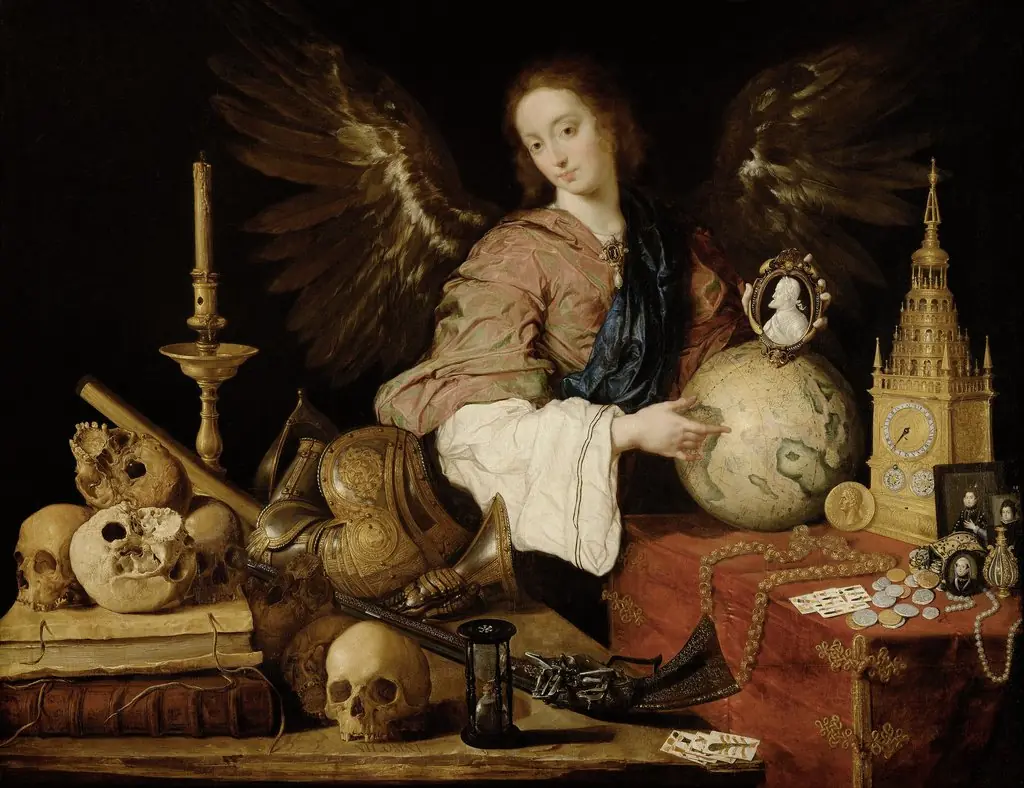
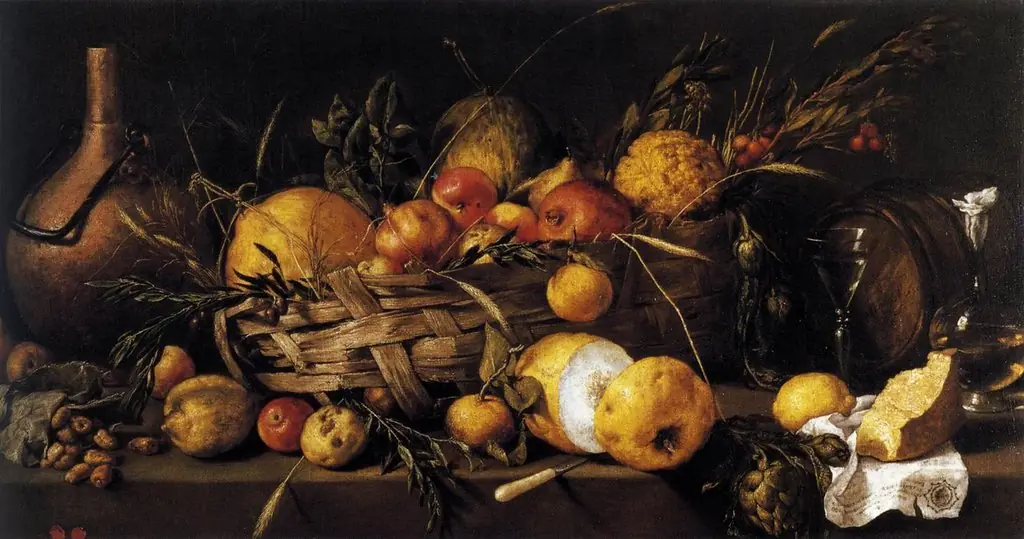
Antonio de Pereda y Salgado (c. 1611 – January 30, 1678) was a Spanish Baroque-era painter, best known for his still lifes.