Artwork
Christ as the Man of Sorrows
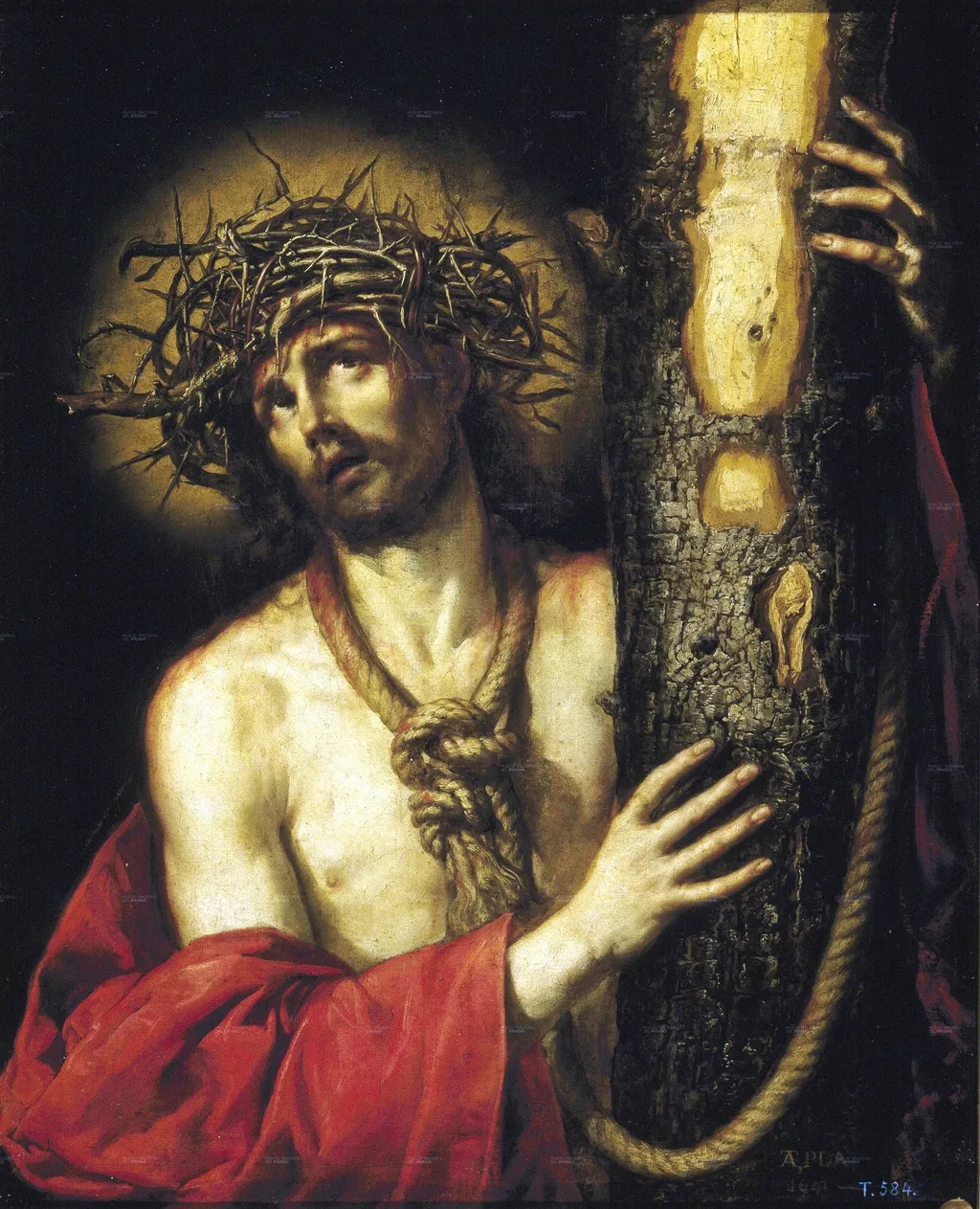
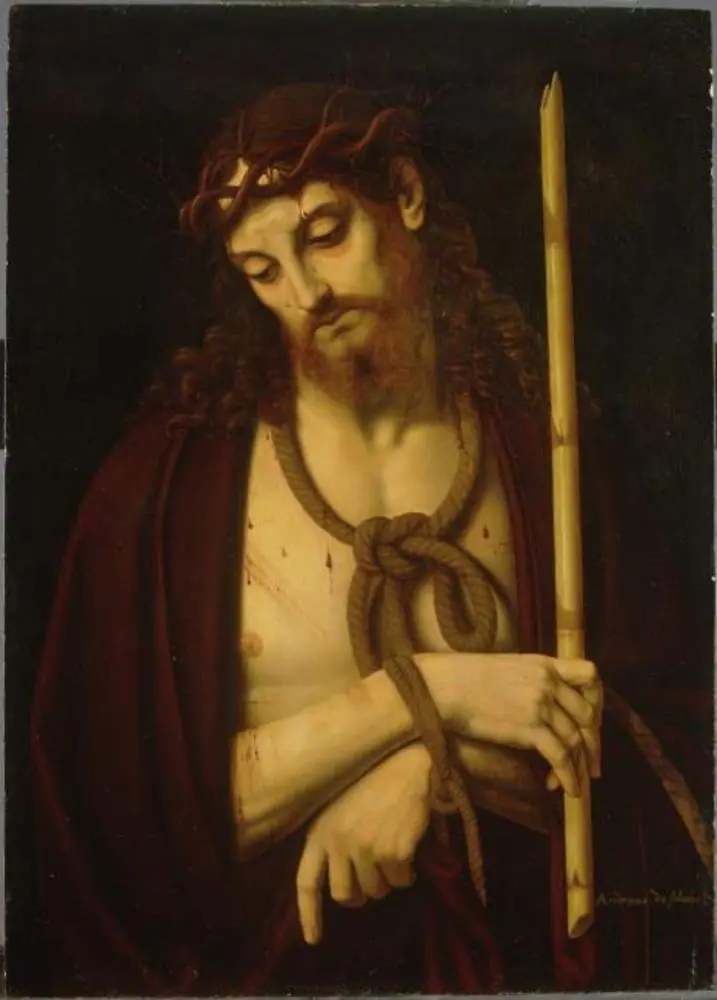
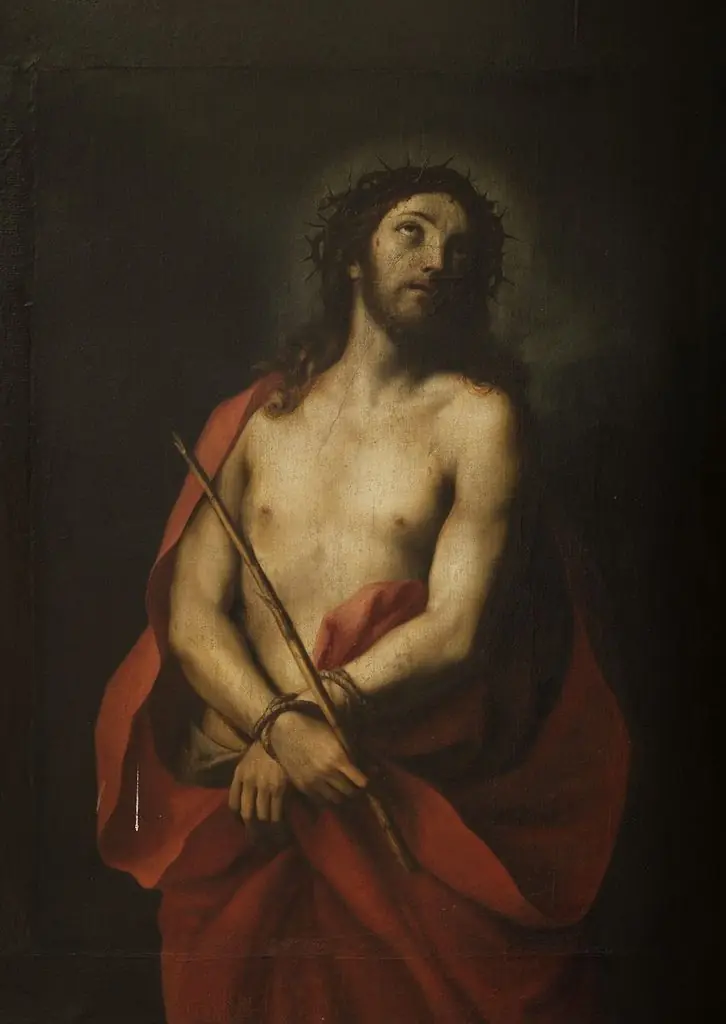
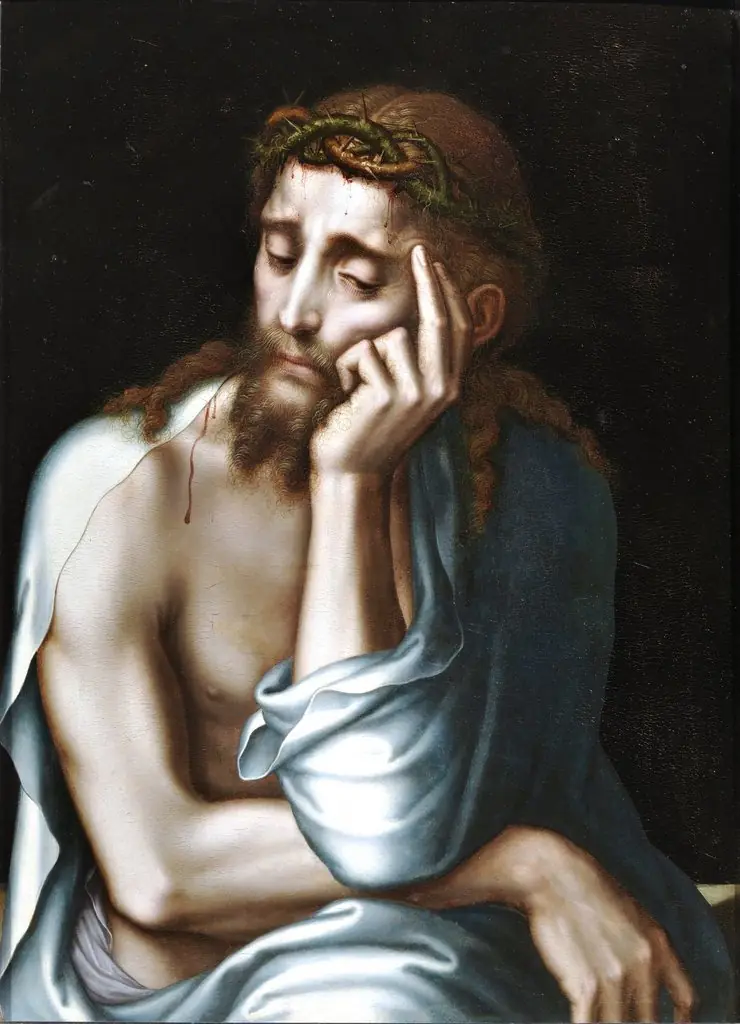
Christ as the Man of Sorrows is an oil painting by the Early Baroque Italian artist Antonio de Pereda. It dates from 1641 and is held in the collection of the Museo del Prado.
About this work
Overview
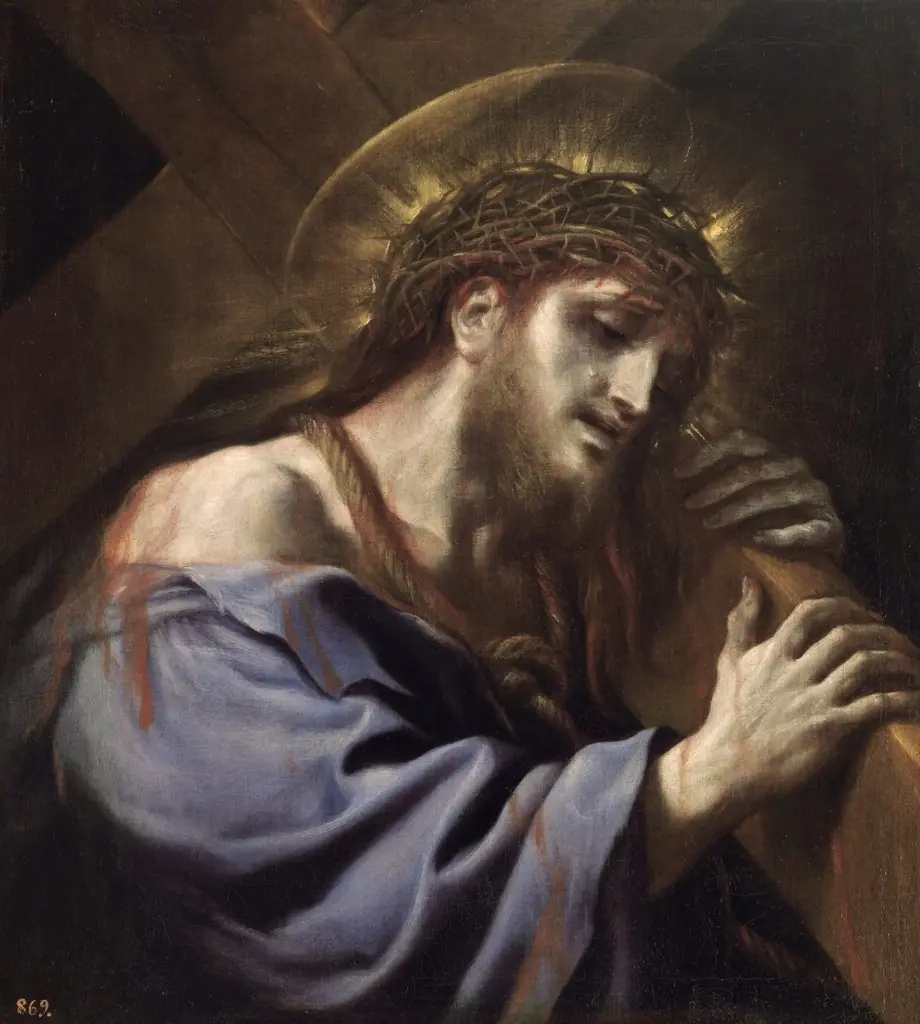
Antonio de Pereda’s 1641 oil painting *Christ as the Man of Sorrows* presents a solitary figure of Jesus in a stark, dark setting. The composition centers on the suffering Christ, whose downcast gaze and somber expression convey a mood of contemplation and grief. The work is part of the Prado Museum’s collection in Madrid.
Subject & Meaning
The image portrays the crucifixion’s aftermath: Christ wears a red mantle draped over his left shoulder, a crown of thorns rests on his head, and his bare torso is exposed. He clutches a wooden post bound with rope, emphasizing his physical torment and spiritual sacrifice.
Technique & Style
Pereda employs pronounced chiaroscuro, allowing the illuminated skin and the red fabric to emerge from a deep, shadowed background. This contrast creates a three‑dimensional effect and focuses attention on the face and the wooden instrument, reinforcing the dramatic intensity typical of early Baroque religious art.
History & Provenance
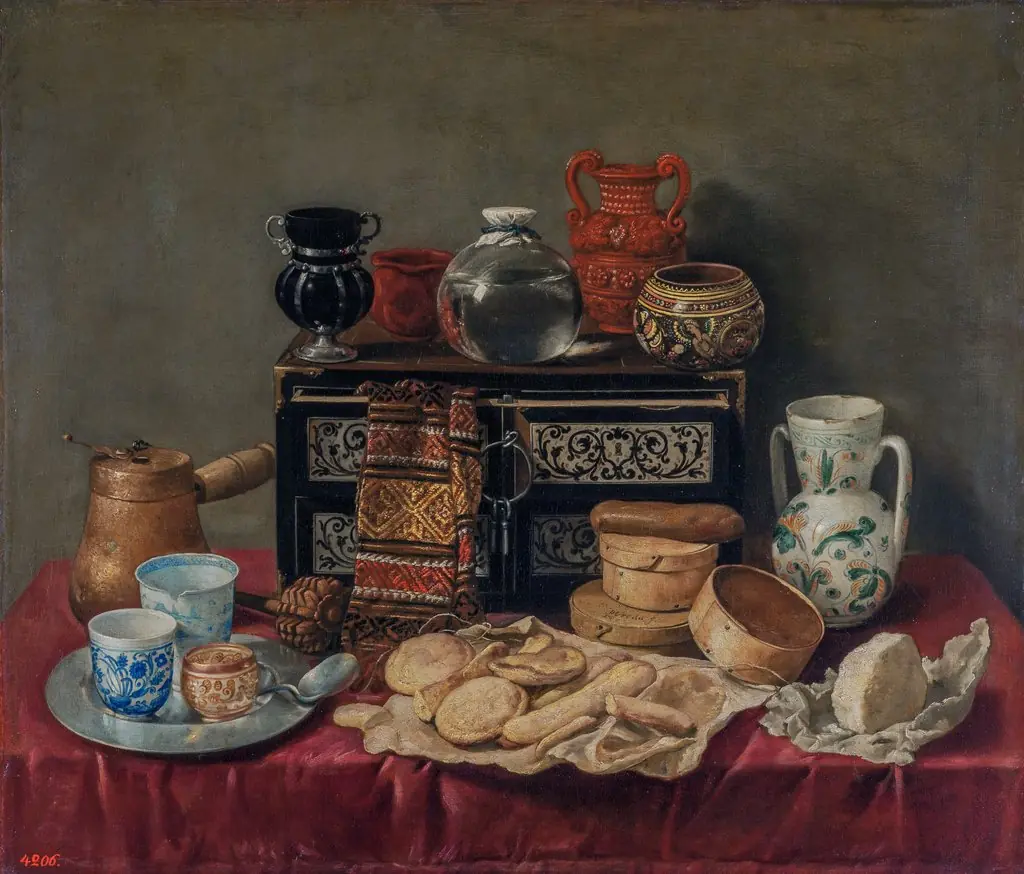
Although primarily known for still‑life compositions, Pereda produced this religious genre piece during his early career. The painting entered the Museo del Prado’s holdings, where it remains on display as part of the museum’s Spanish Baroque collection.
Own this work as a print
Artist & collection
Artist
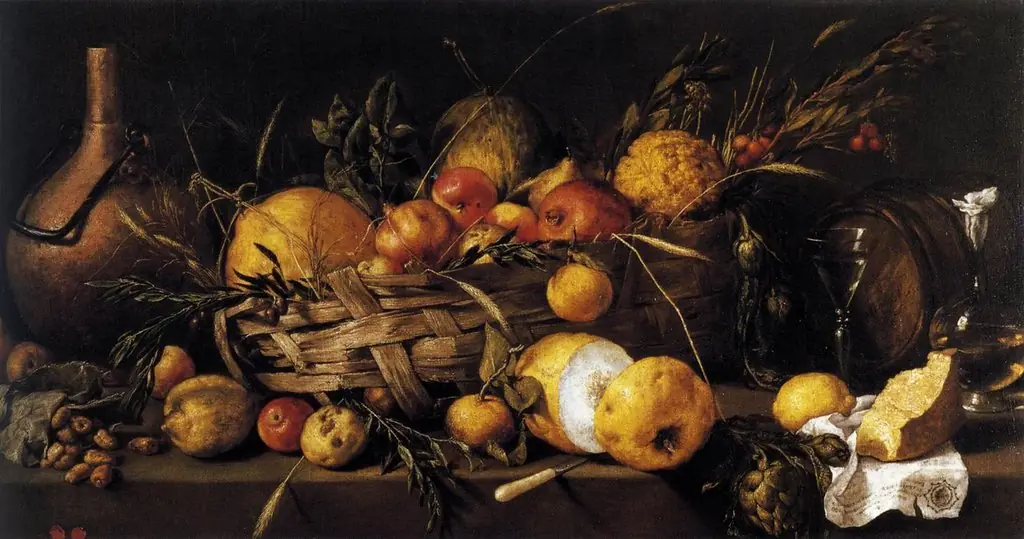
Antonio de Pereda y Salgado (c. 1611 – January 30, 1678) was a Spanish Baroque-era painter, best known for his still lifes.