Artwork
Postscript from “Reverberations of Taiga”
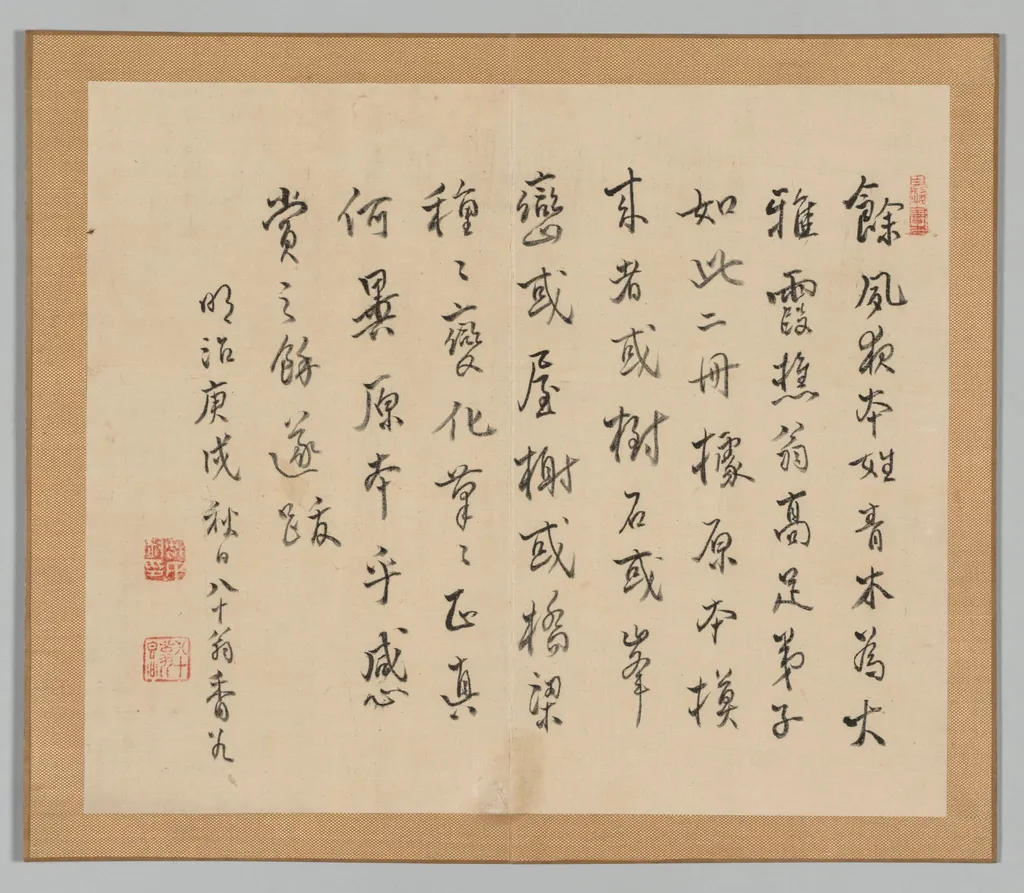
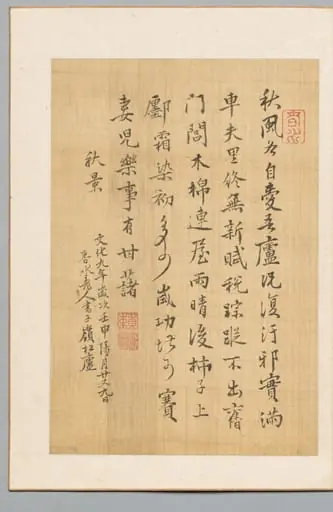
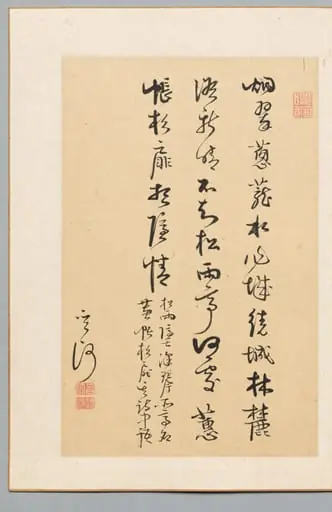
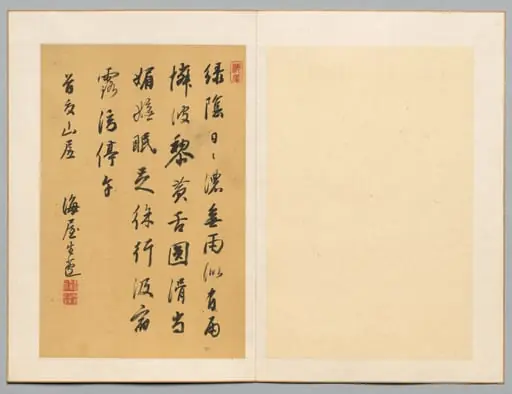
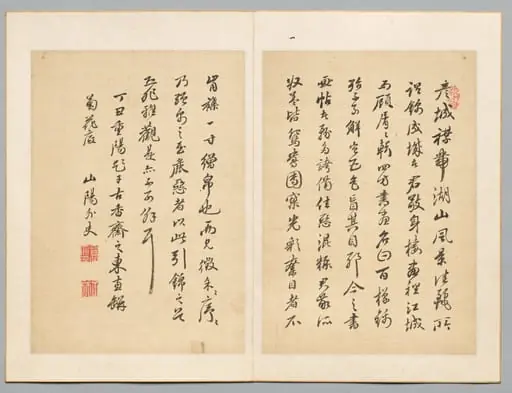
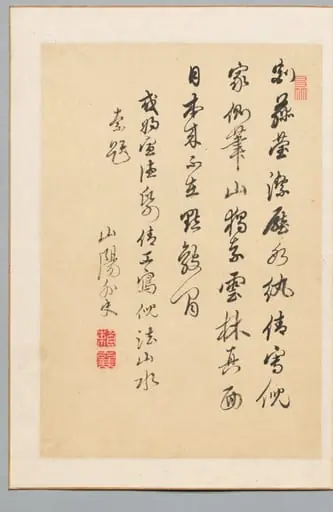
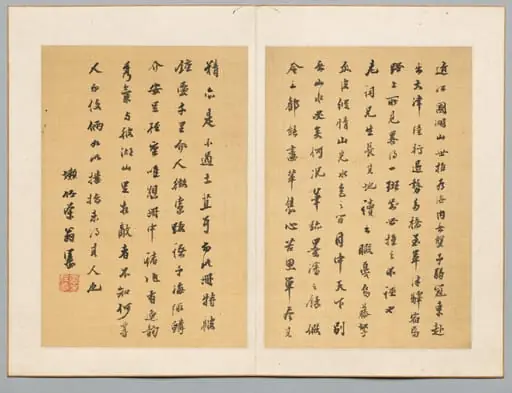
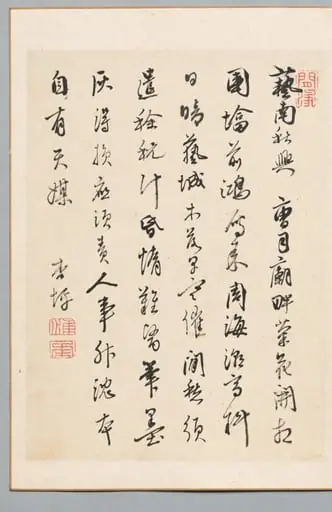
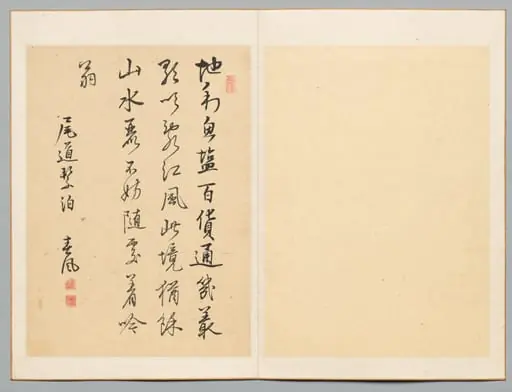
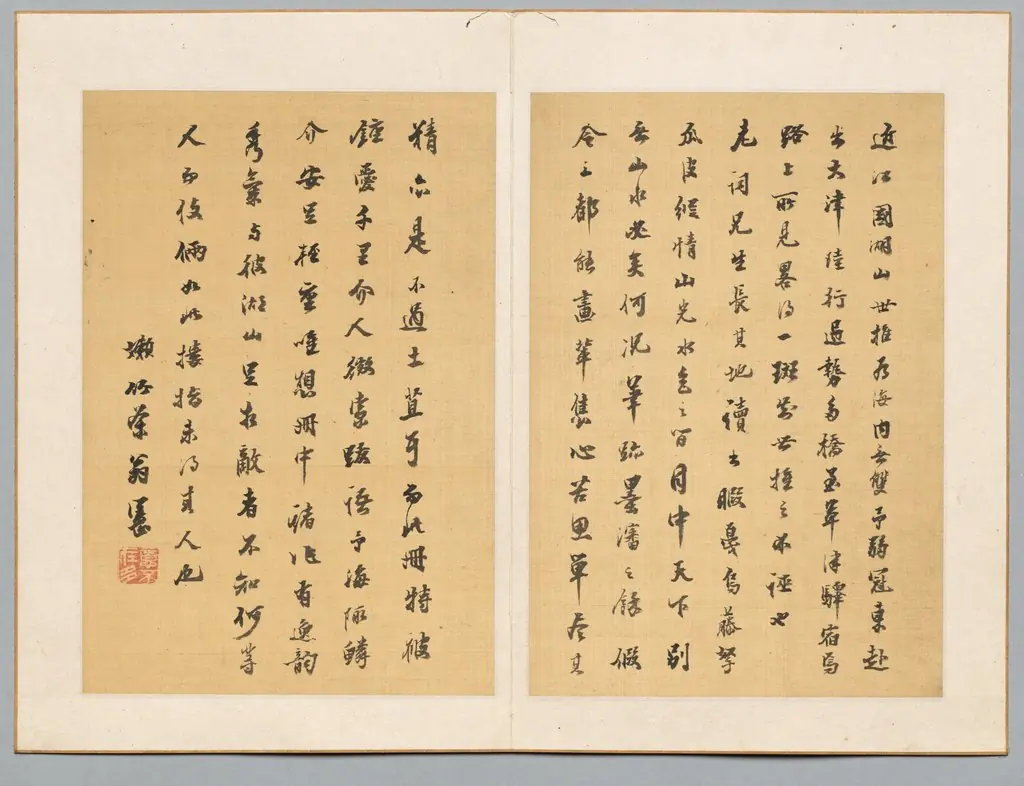
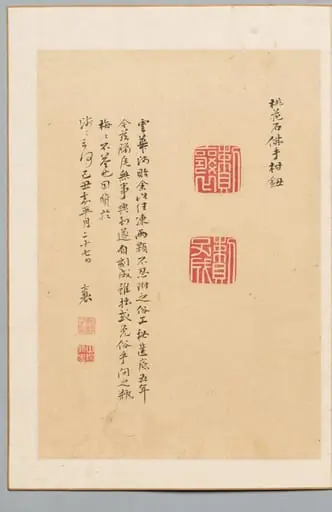
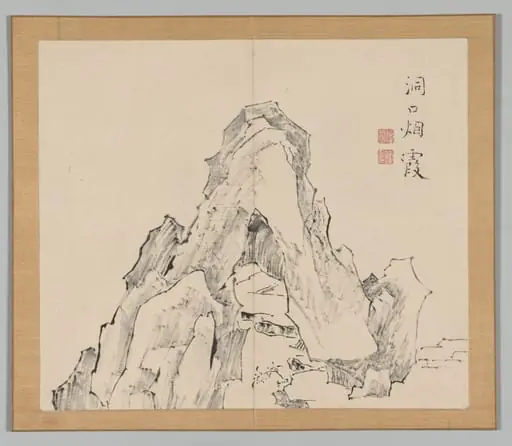
Postscript from “Reverberations of Taiga” is a work on paper by Aoki Shukuya. It dates from 1910 and is held in the collection of the Cleveland Museum of Art.
About this work
This painting shows a scene from Japan's past.
It's a copy of a work by Ike Taiga, made by his student Aoki Shukuya. The copy is faithful, which is interesting because it shows how artists learned from each other back then.
You can learn more about the style of this painting by looking at the work of artist: Aoki Shukuya (Japanese, d. 1802)
Overview
The work reflects a tradition of scholarly emulation in Japanese ink painting, where copying served as both pedagogy and tribute.
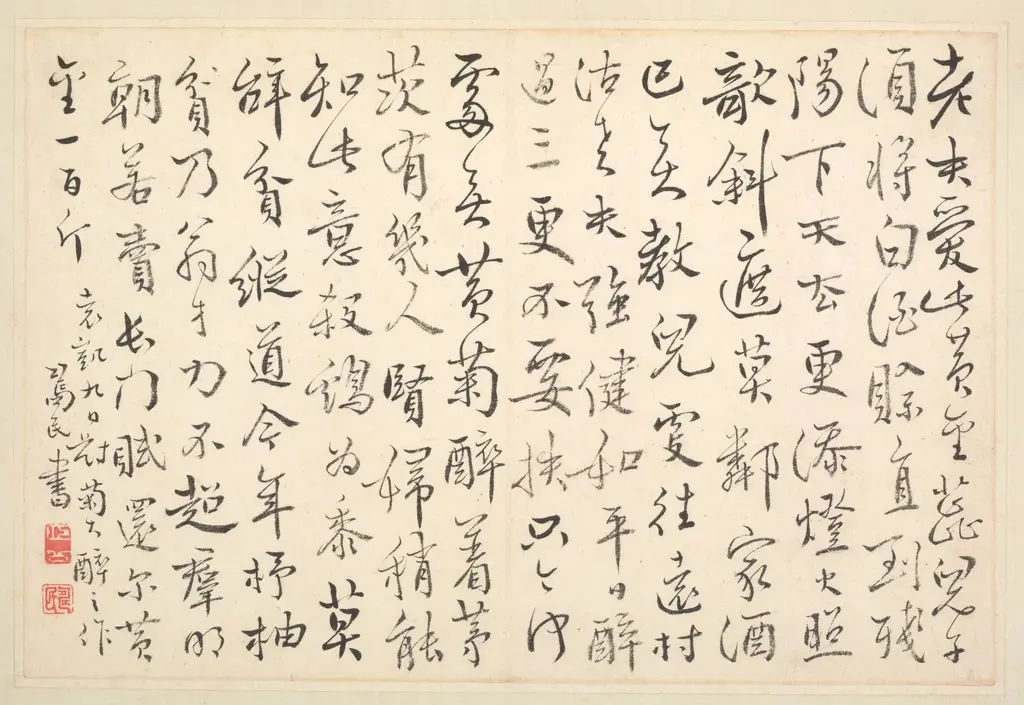
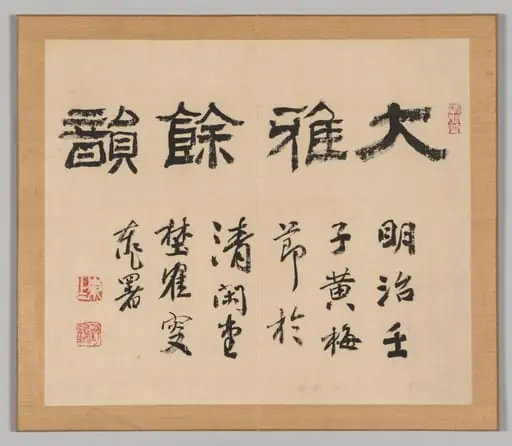
This portfolio leaf is part of a pair of albums containing painted copies after Ike Taiga, executed by his student Aoki Shukuya. The title page was calligraphed by Kusakabe Meikaku, a leading calligrapher of the period. A postscript by Murata Kōkoku, written over a century after Shukuya’s death, affirms the fidelity of these reproductions. The work reflects a tradition of scholarly emulation in Japanese ink painting, where copying served as both pedagogy and tribute.
Subject & Meaning
The paintings depict landscapes and architectural scenes originally rendered by Ike Taiga—rocks, mountains, and dwellings rendered in ink wash. These were not mere reproductions but deliberate acts of preservation and study. By faithfully recreating Taiga’s compositions, Shukuya honored his teacher’s vision while internalizing his compositional logic. The postscript underscores the cultural value placed on accurate transmission of artistic lineage.
Technique & Style
The works employ the ink-wash technique characteristic of literati painting, with subtle gradations and restrained brushwork. Shukuya’s copies adhere closely to Taiga’s forms, avoiding personal embellishment. The calligraphic title and postscript, executed in refined semi-cursive script, complement the paintings’ quiet austerity. Together, they form a cohesive object where text and image reinforce each other’s scholarly intent.
History & Provenance
The albums were assembled in the late 18th century by Aoki Shukuya, a student of Ike Taiga. More than a century later, Murata Kōkoku added his postscript, and Kusakabe Meikaku provided the title leaf, both figures respected in artistic circles. The portfolio remained in private collections until entering the Cleveland Museum of Art’s holdings in 1979, preserving its layered history of attribution and reverence.
Context
In 18th-century Japan, copying revered masters was a standard practice among literati painters, not seen as derivative but as a form of intellectual engagement. Taiga’s style, blending Chinese Song and Yuan traditions with Japanese sensibility, attracted devoted followers. Shukuya’s albums reflect this pedagogical culture, where artists learned through meticulous replication, and later scholars authenticated and contextualized their work.
Legacy
The portfolio stands as a testament to the enduring influence of Ike Taiga and the disciplined transmission of his aesthetic. The late additions by Kōkoku and Meikaku reveal how later generations actively curated and validated earlier artistic efforts. This layered documentation exemplifies how Japanese ink painting traditions sustained continuity through careful record-keeping and scholarly acknowledgment.
Artist & collection

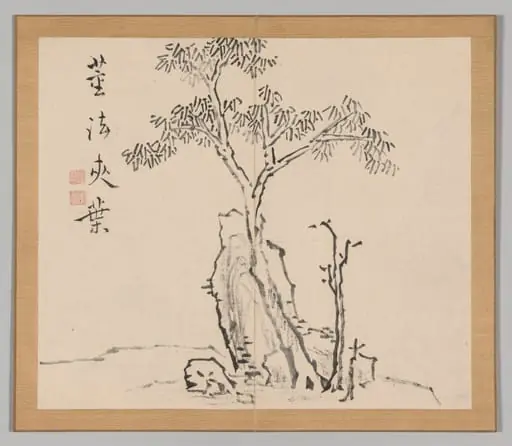 Reverberations of Taiga, Volume 1 (leaf 4)
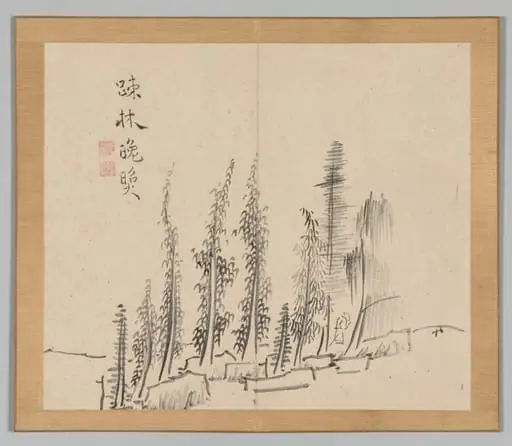 Reverberations of Taiga, Volume 2 (leaf 30)
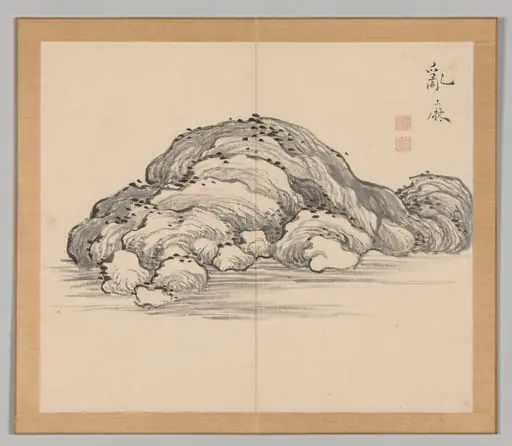 Reverberations of Taiga, Volume 1 (leaf 12)
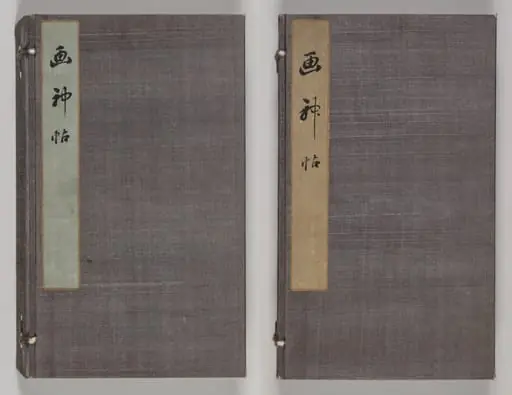 Reverberations of Taiga
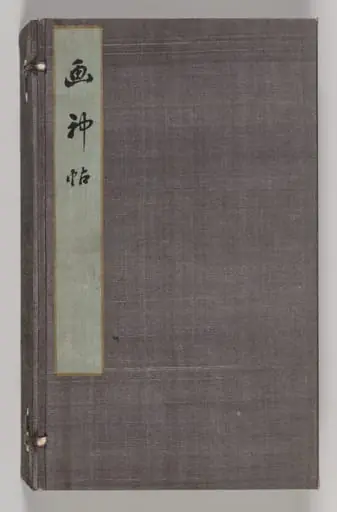 Reverberations of Taiga (Volume 1)
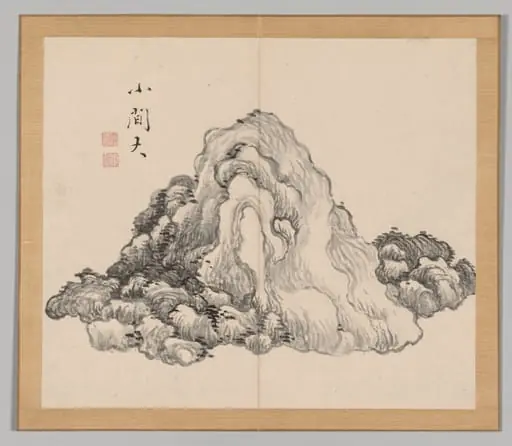 Reverberations of Taiga, Volume 1 (leaf 7)
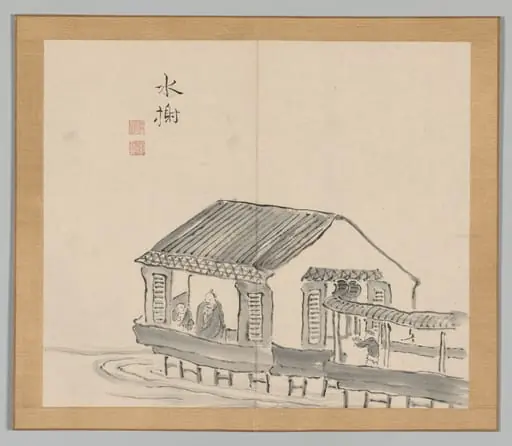 Reverberations of Taiga, Volume 2 (leaf 29)
 Reverberations of Taiga, Volume 2 (leaf 20)