Artwork
Reverberations of Taiga, Volume 2 (leaf 16)
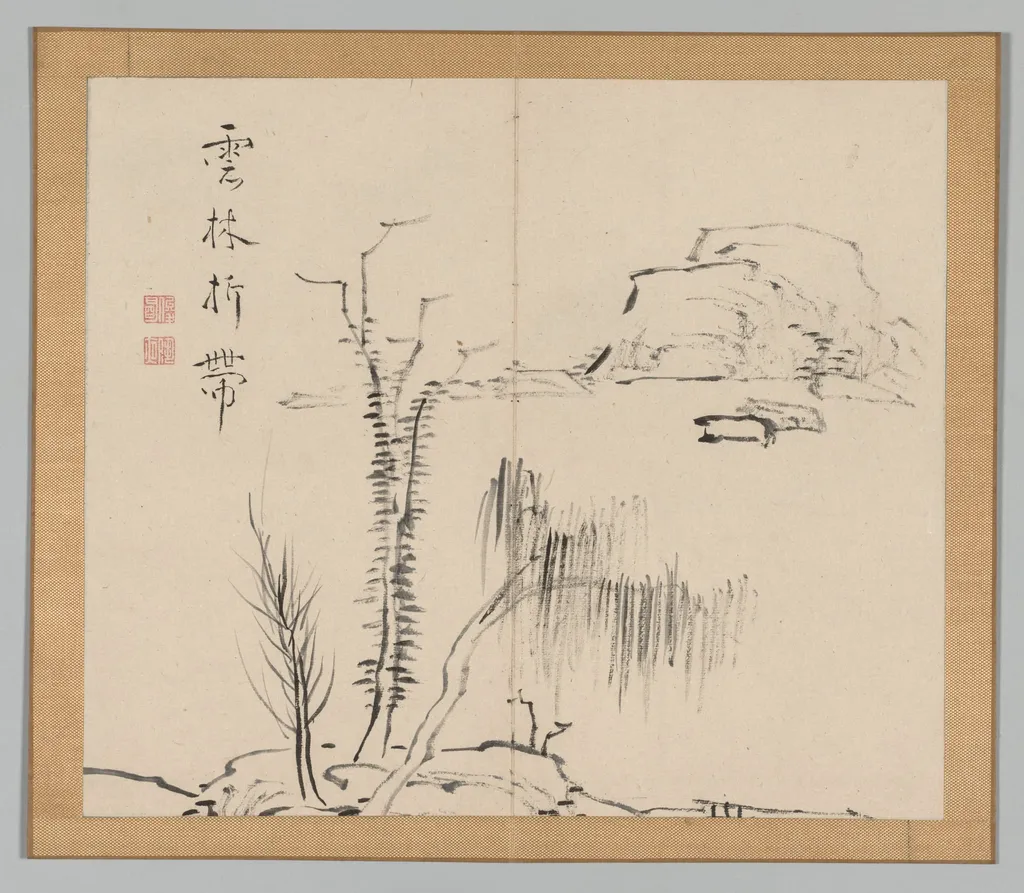
Reverberations of Taiga, Volume 2 (leaf 16) is a work on paper by the Baroque artist Aoki Shukuya. It dates from 1704 and is held in the collection of the Cleveland Museum of Art.
About this work
Overview
The work is not a finished composition but a collection of observational studies, likely made in private for technical development rather than public display.
This leaf is part of a larger album or folding screen created during Japan’s Edo period, containing a series of ink sketches by the artist Shukuya. Each page reflects the disciplined practice of a student absorbing the methods of his teacher, Ikeno Taiga. The work is not a finished composition but a collection of observational studies, likely made in private for technical development rather than public display.
Subject & Meaning
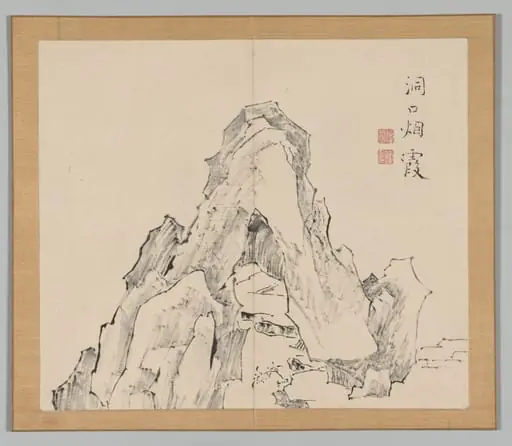
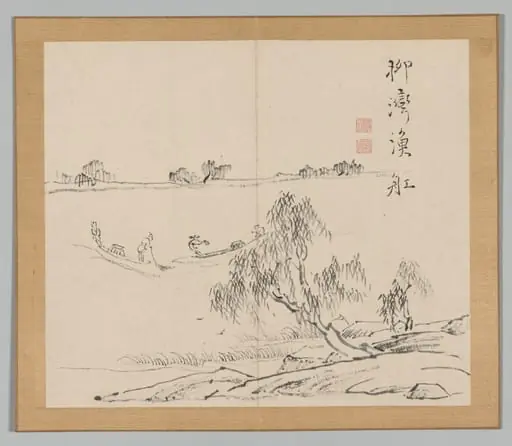
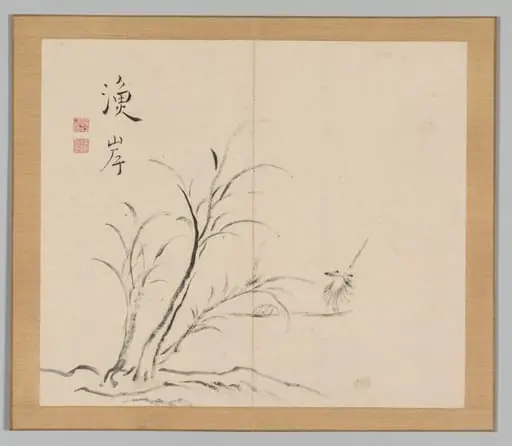
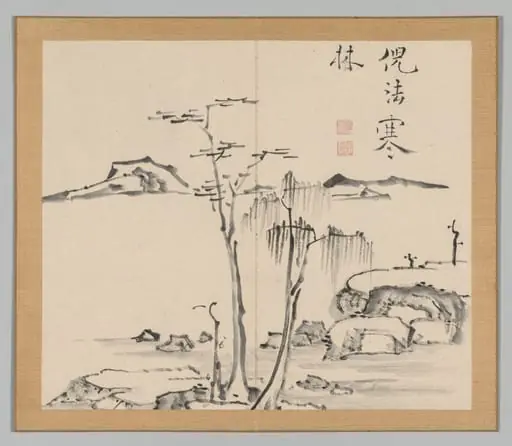
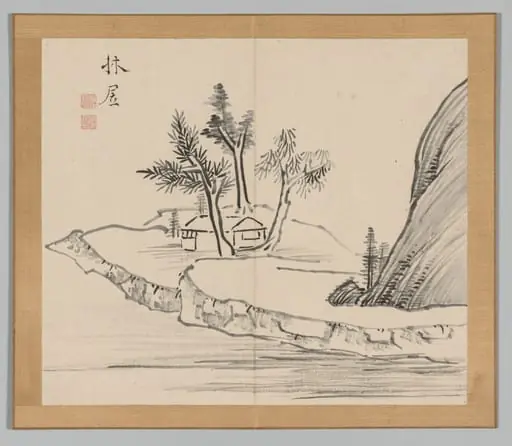
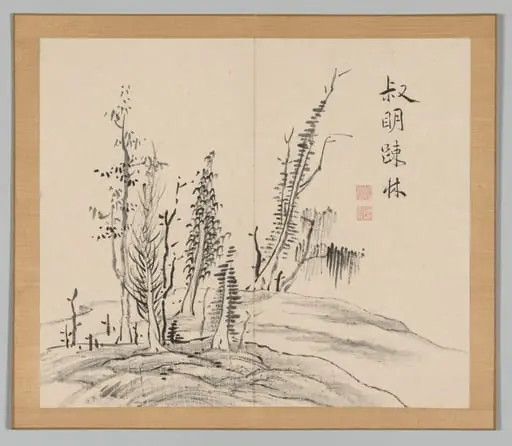
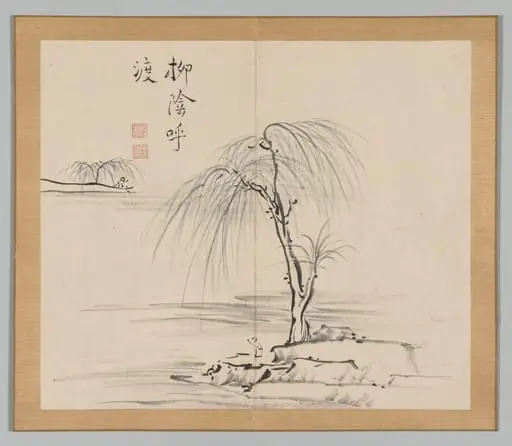
The sketches depict natural elements—jagged rocks, slender trees, and distant mountain forms—rendered with minimal strokes. These are not idealized landscapes but direct responses to observed nature, capturing fleeting impressions. The subject matter reflects the Zen-influenced aesthetic of the time, valuing simplicity and the quiet presence of the natural world over ornamentation or narrative.
Technique & Style
Shukuya employed loose, rapid brushwork with diluted ink, allowing for subtle gradations of tone and texture. The lines are light and unforced, suggesting movement and spontaneity. This approach mirrors Taiga’s influence, who favored expressive, almost calligraphic brushstrokes over rigid formalism. The technique reveals the artist’s focus on gesture and rhythm rather than precise detail.
History & Provenance
Created in the 18th century, this leaf belongs to a portfolio produced during Shukuya’s training under Ikeno Taiga in Kyoto. Such albums were common among students as tools for learning and memory. The work entered the collection of the Cleveland Museum of Art, where it is preserved as an example of Edo-period artistic pedagogy and the transmission of stylistic traditions within Japanese ink painting.
Context
In Edo-period Japan, artistic training followed a master-apprentice model, with students copying their teacher’s works to internalize technique. Taiga, known for blending Chinese literati traditions with Japanese sensibilities, encouraged expressive freedom within structure. Shukuya’s sketches exemplify this pedagogical system, where observation and repetition were pathways to artistic voice.
Legacy
These sketches endure as quiet records of artistic growth, offering insight into the private process behind public works. They illustrate how mastery in Japanese ink painting was cultivated through disciplined practice rather than innate genius. Today, they remain valuable for understanding the transmission of aesthetic values across generations in pre-modern Japan.
Artist & collection

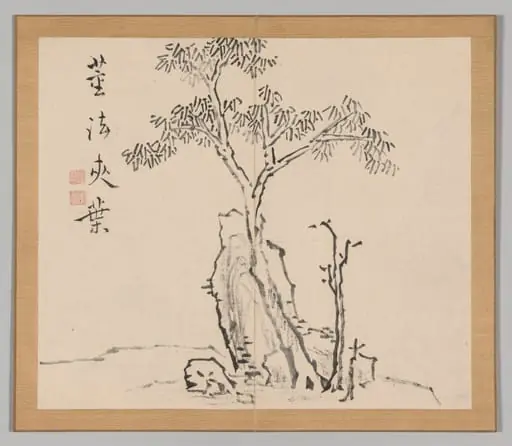 Reverberations of Taiga, Volume 1 (leaf 4)
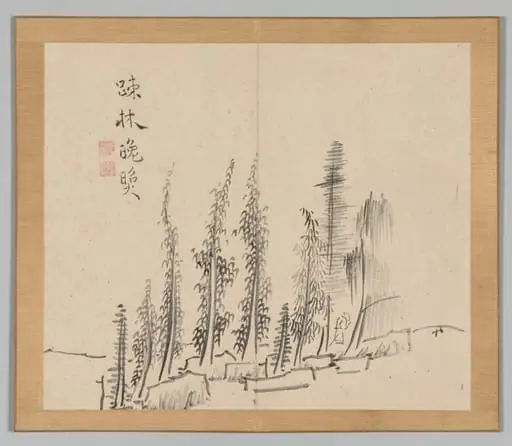 Reverberations of Taiga, Volume 2 (leaf 30)
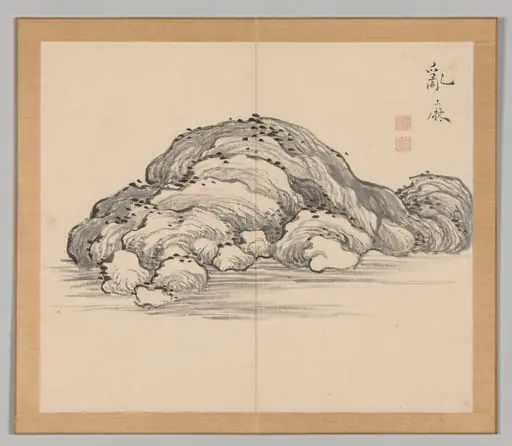 Reverberations of Taiga, Volume 1 (leaf 12)
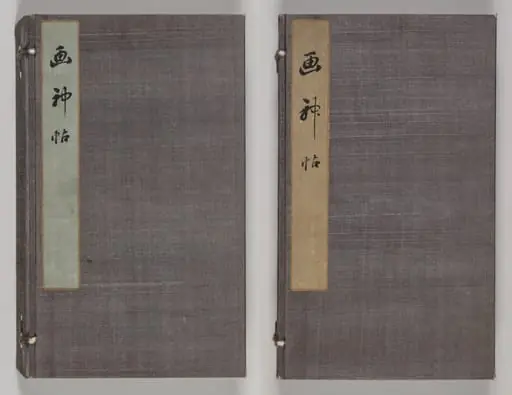 Reverberations of Taiga
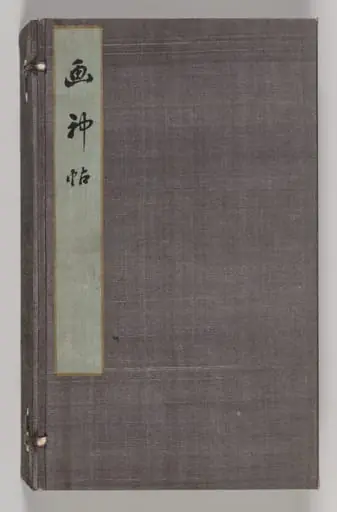 Reverberations of Taiga (Volume 1)
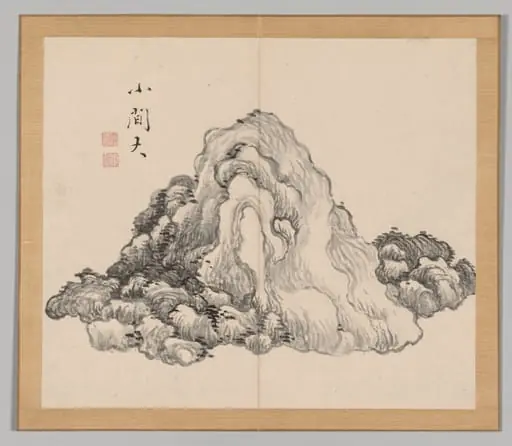 Reverberations of Taiga, Volume 1 (leaf 7)
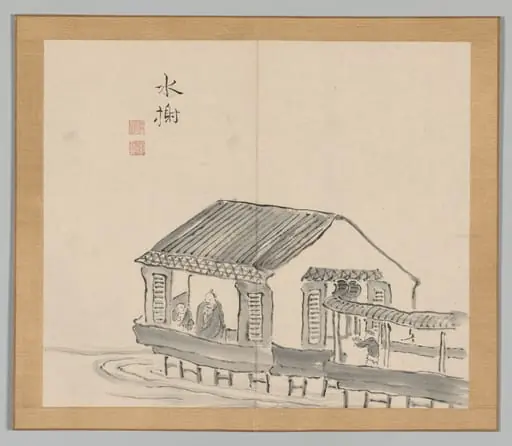 Reverberations of Taiga, Volume 2 (leaf 29)
 Reverberations of Taiga, Volume 2 (leaf 20)
 Reverberations of Taiga, Volume 2 (leaf 27)
 Reverberations of Taiga, Volume 2 (leaf 26)
 Reverberations of Taiga, Volume 2 (leaf 15)
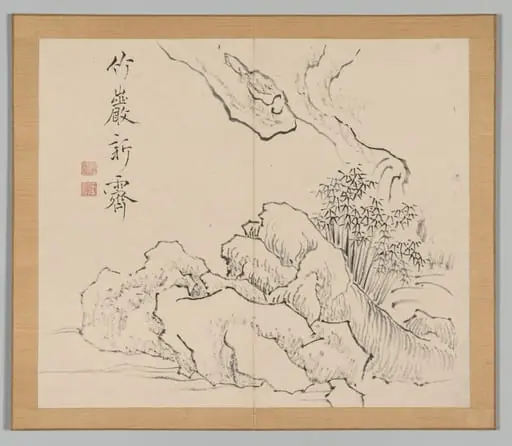 Reverberations of Taiga, Volume 2 (leaf 19)
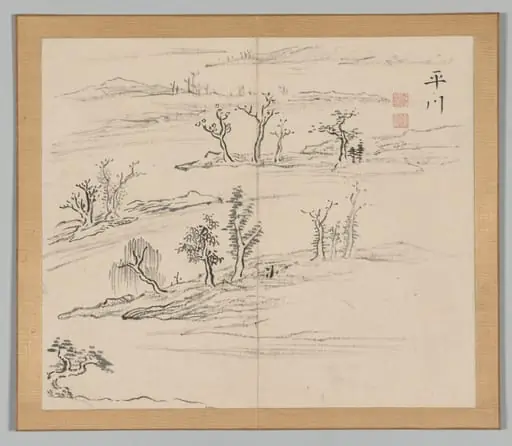 Reverberations of Taiga, Volume 2 (leaf 9)
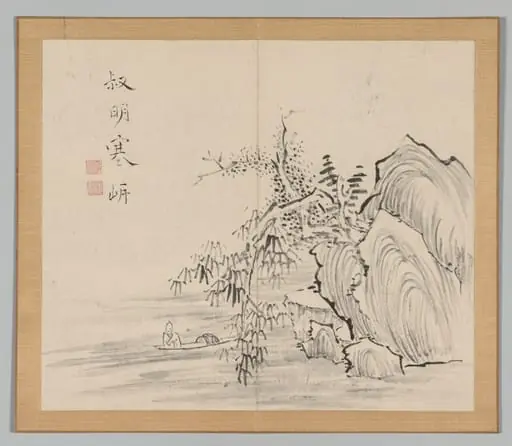 Reverberations of Taiga, Volume 2 (leaf 10)
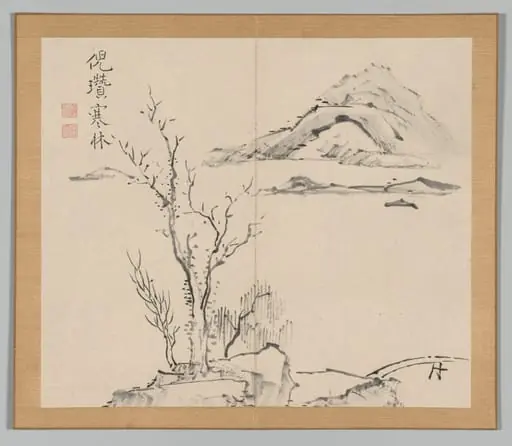 Reverberations of Taiga, Volume 2 (leaf 11)
 Reverberations of Taiga, Volume 2 (leaf 22)
 Reverberations of Taiga, Volume 2 (leaf 17)
 Reverberations of Taiga, Volume 2 (leaf 18)