Artwork
Reverberations of Taiga, Volume 2 (leaf 6)
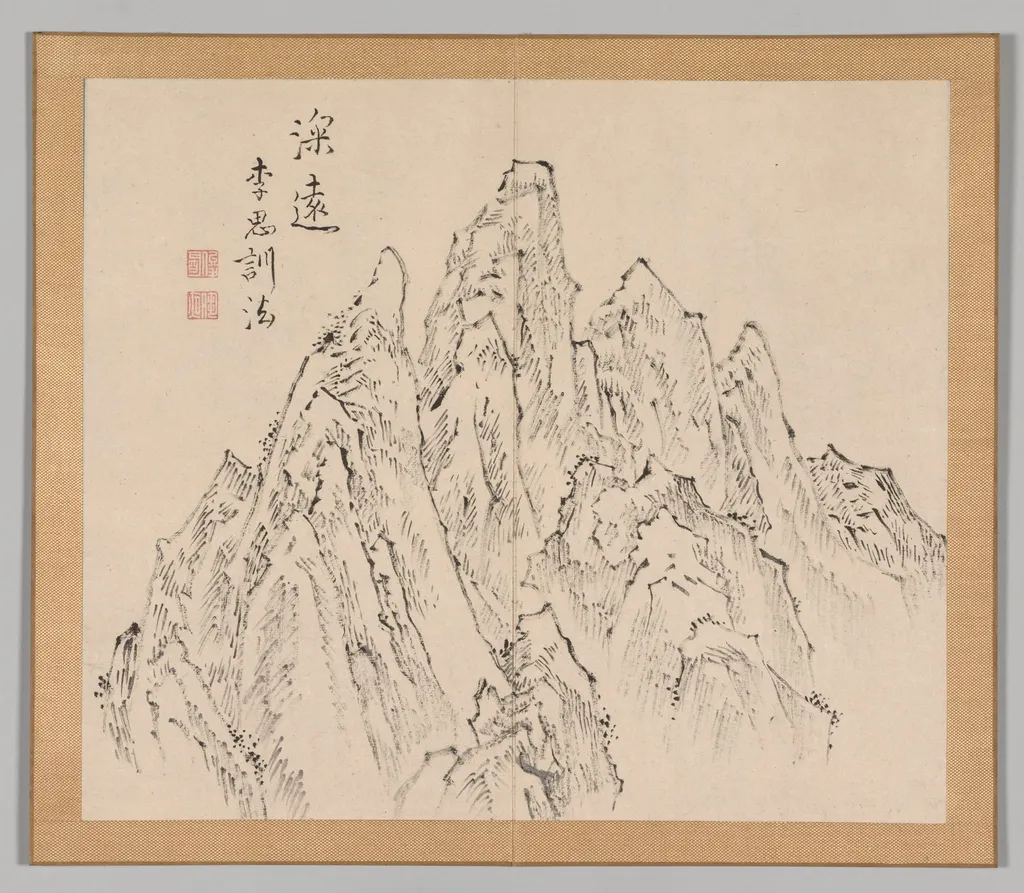
Reverberations of Taiga, Volume 2 (leaf 6) is a work on paper by the Baroque artist Aoki Shukuya. It dates from 1704 and is held in the collection of the Cleveland Museum of Art.
About this work
Overview
These works were produced during his training under the Kyoto-based artist Ikeno Taiga, reflecting the traditional Japanese method of artistic apprenticeship.
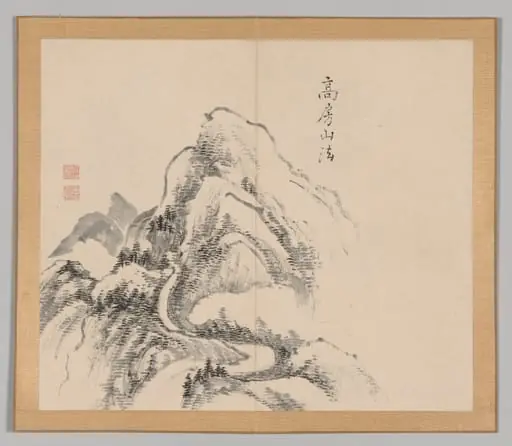
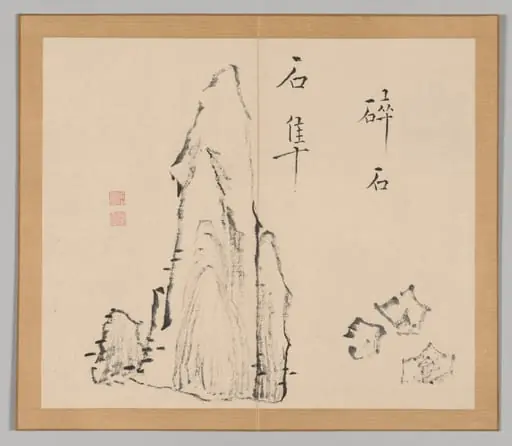
Reverberations of Taiga, Volume 2 (leaf 6) is one of a series of ink sketches by Aoki Shukuya, created as part of a pedagogical portfolio. These works were produced during his training under the Kyoto-based artist Ikeno Taiga, reflecting the traditional Japanese method of artistic apprenticeship. Each leaf serves as both study and tribute, capturing natural forms through disciplined repetition of the master’s compositional language.
Subject & Meaning
The image depicts a minimalist arrangement of rocks, trees, and distant mountains, rendered without narrative or symbolic intent. Rather than conveying a specific story, the subject functions as a vehicle for technical mastery. The forms are reduced to essential lines and tonal contrasts, emphasizing the artist’s engagement with nature as a framework for learning rather than expression.
Technique & Style
Shukuya employed ink wash and brushwork in the manner taught by Taiga, favoring controlled, economical strokes to suggest texture and depth. The style avoids ornamentation, relying on gradations of black ink and negative space to define form. This restrained approach reflects the influence of Chinese literati traditions, filtered through Taiga’s reinterpretation and transmitted to his pupil through direct emulation.
History & Provenance
Created in the mid-18th century, this leaf belongs to a portfolio assembled during Shukuya’s apprenticeship, likely intended for internal review rather than public display. Such collections were preserved within artistic lineages, passed from master to student as instructional tools. Its survival offers rare insight into the private learning processes of Edo-period painters outside formal academies.
Context
In 18th-century Japan, artistic training was structured around master-apprentice relationships, particularly in ink painting. Kyoto’s intellectual circles valued scholarly engagement with Chinese models, and Taiga’s circle was known for reviving literati aesthetics. Shukuya’s sketches sit within this milieu, where copying was not imitation but a rigorous path to developing personal fluency in a shared visual language.
Legacy
Though Shukuya did not achieve the same prominence as his teacher, his surviving works document the transmission of Taiga’s style through disciplined practice. These sketches contribute to understanding how artistic knowledge was preserved and adapted in pre-modern Japan, illustrating that innovation often emerged from deep engagement with established forms rather than their rejection.
Own this work as a print
Artist & collection

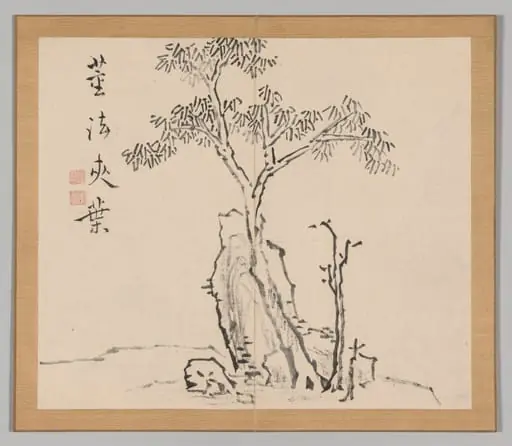 Reverberations of Taiga, Volume 1 (leaf 4)
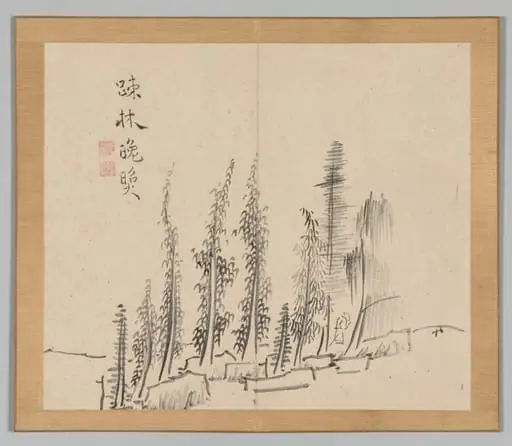 Reverberations of Taiga, Volume 2 (leaf 30)
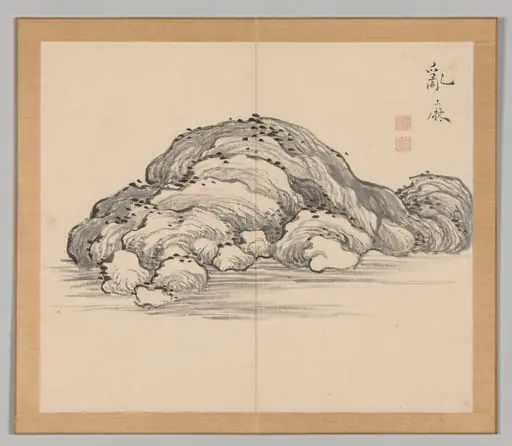 Reverberations of Taiga, Volume 1 (leaf 12)
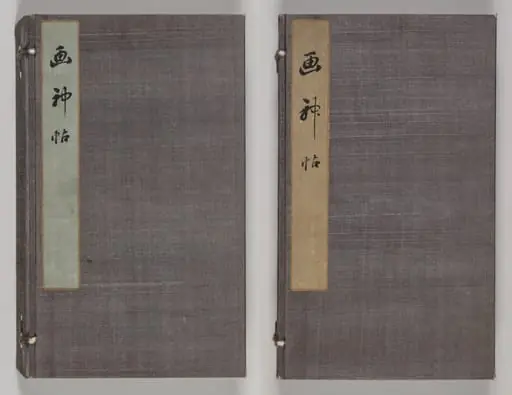 Reverberations of Taiga
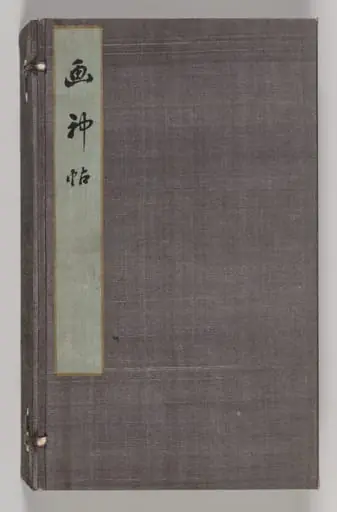 Reverberations of Taiga (Volume 1)
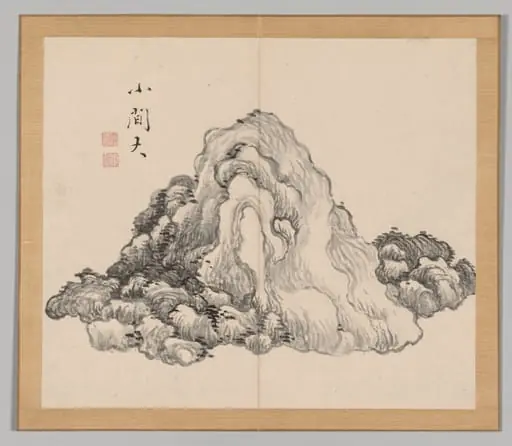 Reverberations of Taiga, Volume 1 (leaf 7)
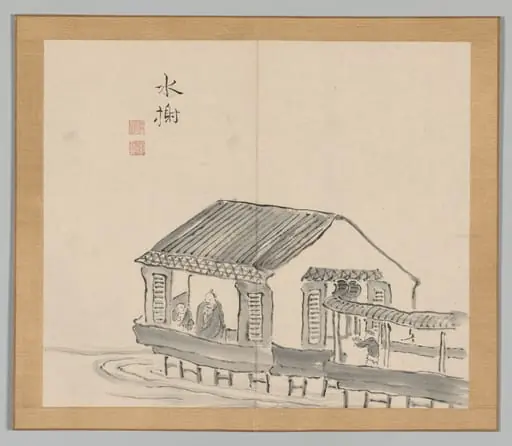 Reverberations of Taiga, Volume 2 (leaf 29)
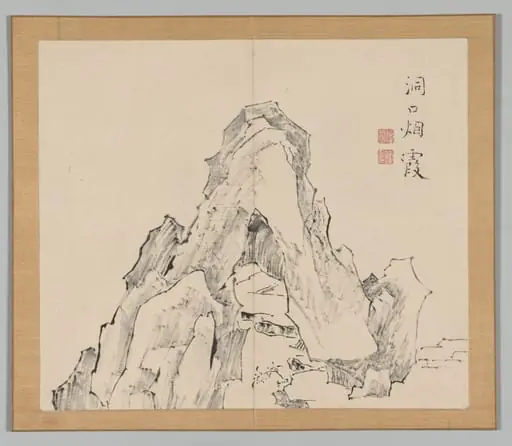 Reverberations of Taiga, Volume 2 (leaf 20)
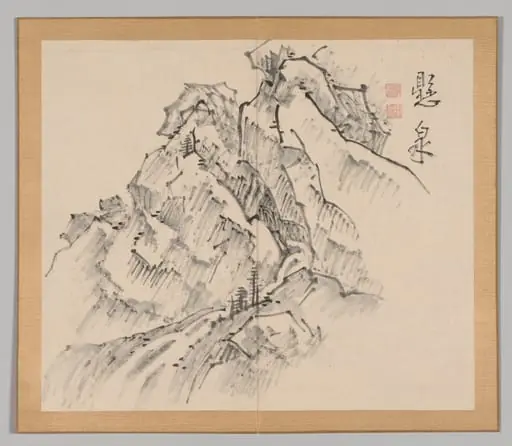 Reverberations of Taiga, Volume 1 (leaf 26)
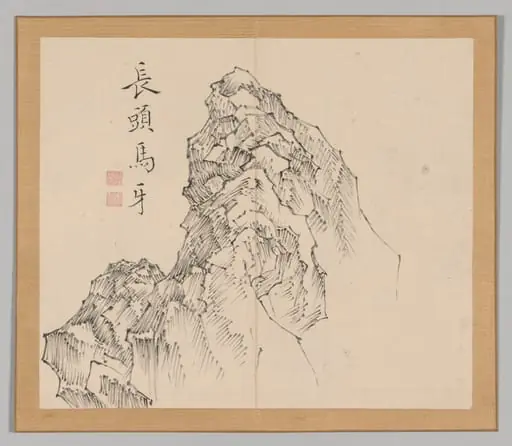 Reverberations of Taiga, Volume 1 (leaf 17)
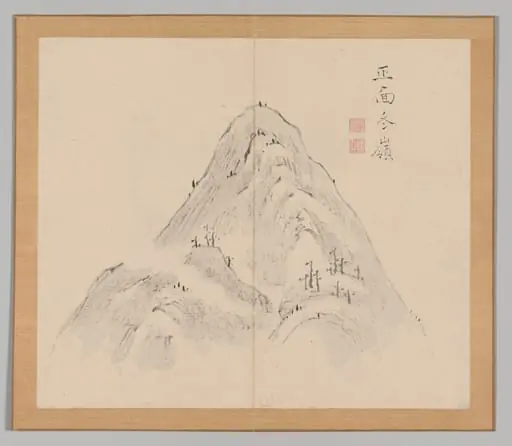 Reverberations of Taiga, Volume 1 (leaf 24)
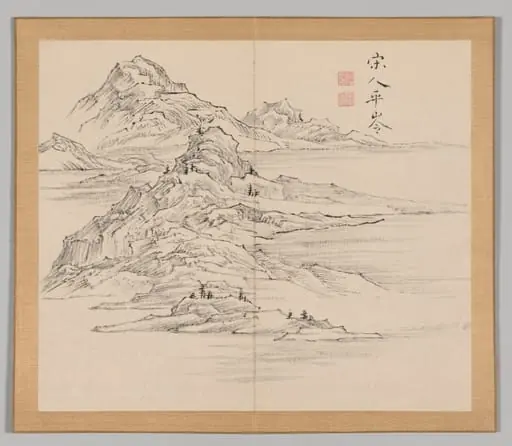 Reverberations of Taiga, Volume 1 (leaf 35)
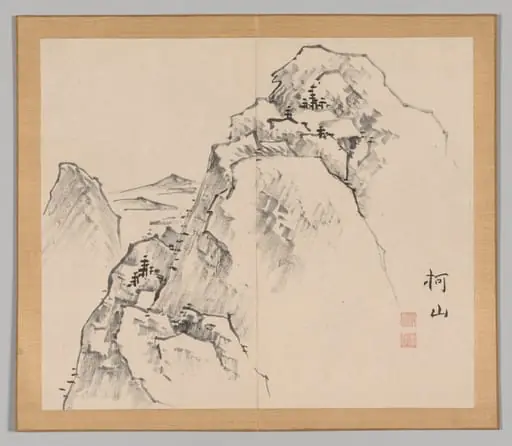 Reverberations of Taiga, Volume 1 (leaf 27)
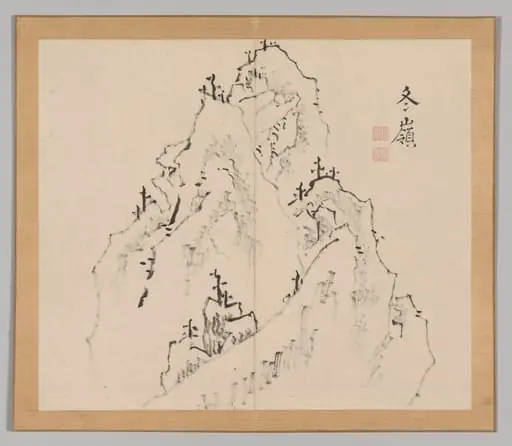 Reverberations of Taiga, Volume 1 (leaf 25)
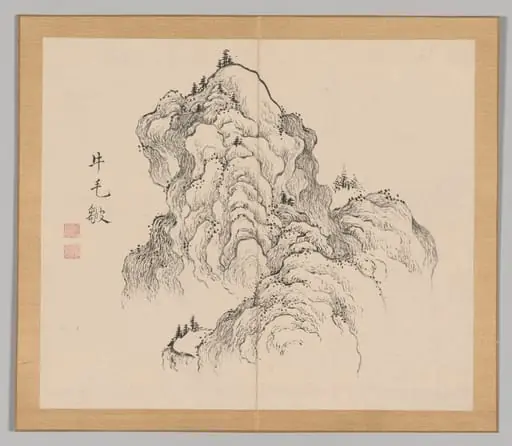 Reverberations of Taiga, Volume 1 (leaf 16)
 Reverberations of Taiga, Volume 1 (leaf 34)
 Reverberations of Taiga, Volume 1 (leaf 18)