Artwork
Reverberations of Taiga, Volume 2 (leaf 28)
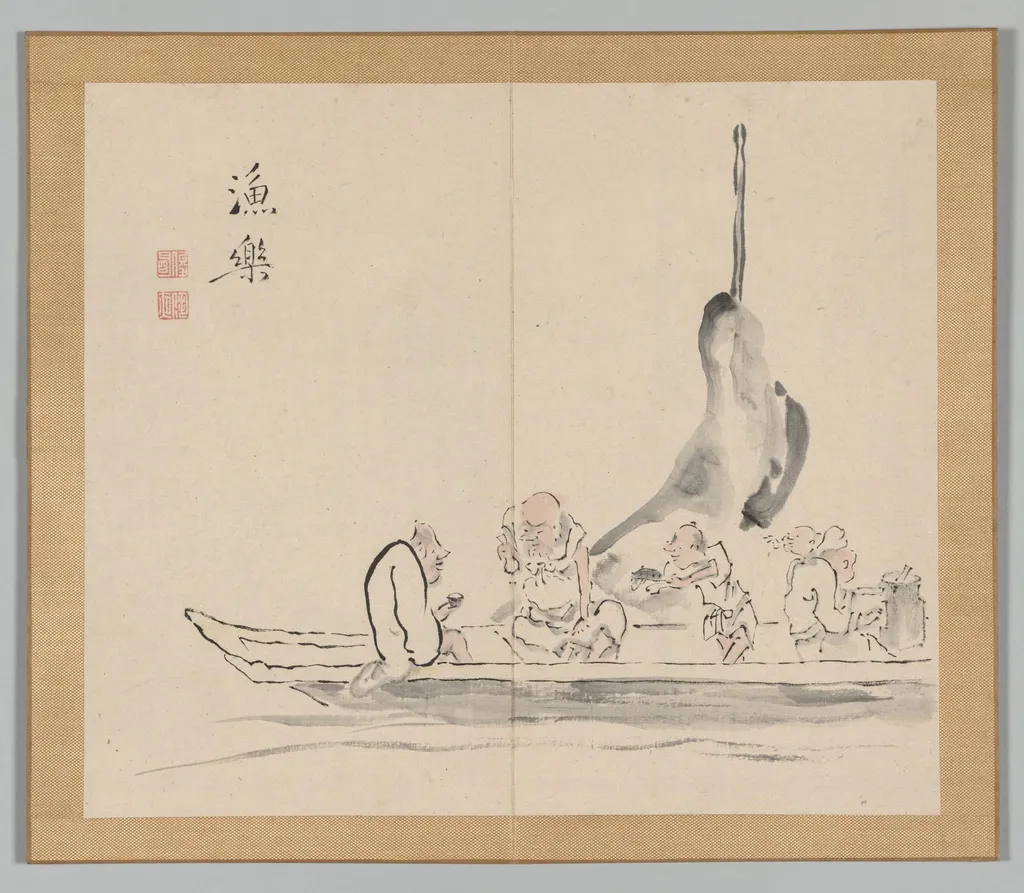
Reverberations of Taiga, Volume 2 (leaf 28) is a work on paper by the Baroque artist Aoki Shukuya. It dates from 1704 and is held in the collection of the Cleveland Museum of Art.
About this work
You can see the artist’s rapid brushwork best in the quick, scratchy strokes that make the trees look alive.
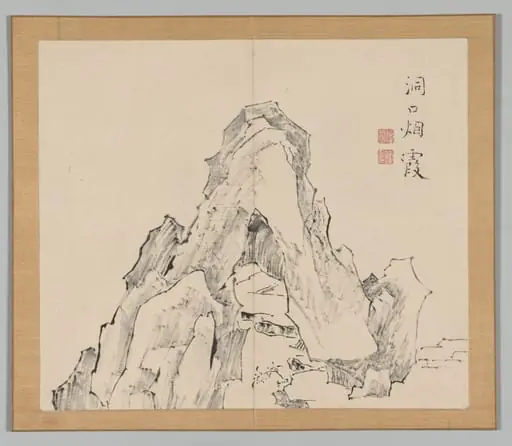
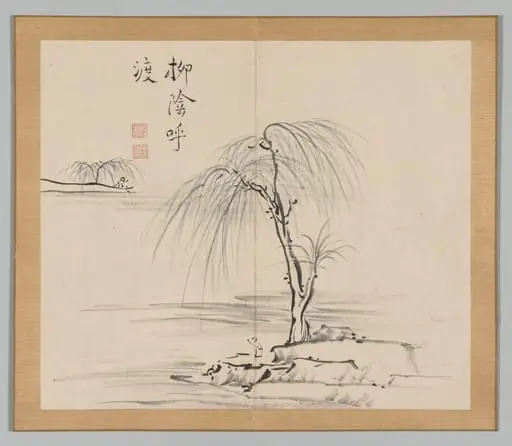
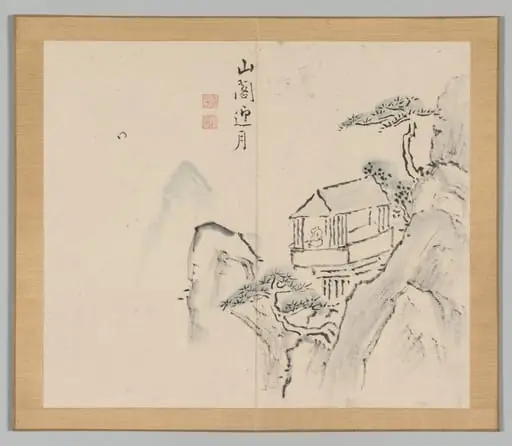
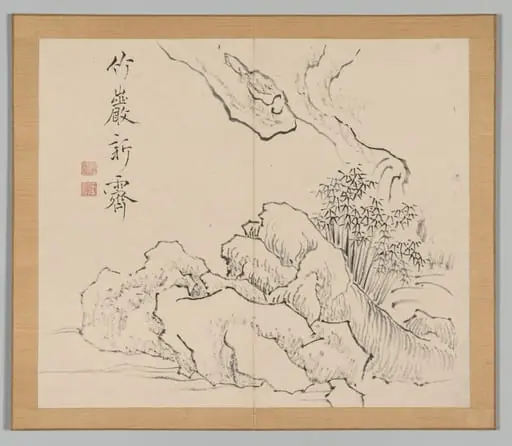
This ink sketch shows jagged rocks, thin pines, and misty peaks in soft black lines. You can see the artist’s rapid brushwork best in the quick, scratchy strokes that make the trees look alive. These weren’t meant to be final pictures—just practice pages for a student making copies.
Aoki Shukuya trained under Ikeno Taiga, a big name in Kyoto at the time. His teacher’s bold freehand style shows up in these loose, expressive marks. Think of it as homework that turned into art you can still see today.
Check out the artist himself: Aoki Shukuya (Japanese, d. 1802).
Overview
This ink sketch is one leaf from a portfolio of practice drawings by Aoki Shukuya, a student of the Kyoto painter Ikeno Taiga. Created as part of formal training, the work captures natural elements—rocks, pines, and distant peaks—rendered with swift, unrefined brushwork. Though not intended as finished art, the sheet preserves the immediacy of the apprentice’s learning process.
Subject & Meaning
The scene depicts rugged terrain softened by atmospheric mist, with slender pines clinging to rocky outcrops. These motifs reflect traditional Chinese-inspired landscape ideals valued in Japanese ink painting. The subject matter served not as a personal expression but as a technical exercise, training the hand to respond to nature’s forms through disciplined repetition.
Technique & Style
Shukuya employed rapid, scratchy strokes to suggest texture and movement, particularly in the pine needles and rock contours. Ink tones vary from pale washes to dense, dry brush marks, demonstrating control over ink consistency and pressure. The looseness of the lines reveals the spontaneity encouraged in Taiga’s method, contrasting with more polished academic styles.
History & Provenance
Aoki Shukuya studied under Ikeno Taiga in Kyoto during the 18th century, a period when master-apprentice lineages defined artistic transmission. This leaf likely originated from a bound album used for daily practice. Its survival suggests later recognition of its value, possibly preserved by collectors interested in the pedagogical traces of renowned artists.
Context
In Edo-period Japan, artistic training relied heavily on copying a master’s compositions to internalize brushwork and compositional principles. Taiga’s influence extended through his students, who adapted his expressive, freehand approach. Such portfolios were common among literati painters, serving as both instructional tools and records of stylistic development.
Legacy
Though created as exercises, these sketches now offer insight into the unseen labor behind professional ink painting. Shukuya’s work, preserved in collections, illustrates how artistic mastery was cultivated through repetition and observation. The leaf stands as a quiet testament to the transmission of technique across generations.
Artist & collection

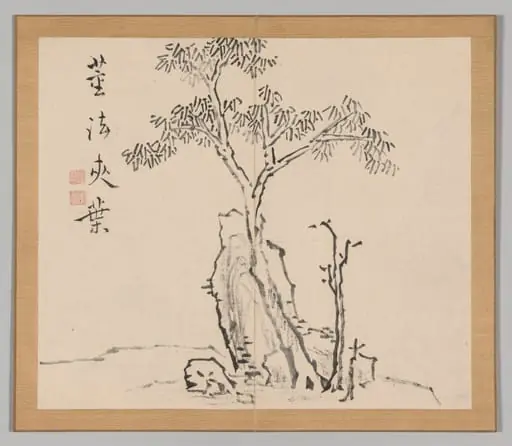 Reverberations of Taiga, Volume 1 (leaf 4)
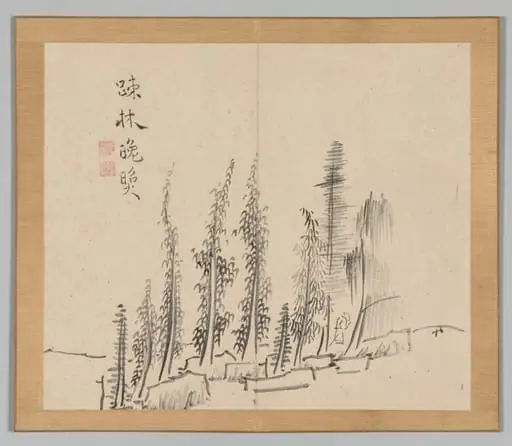 Reverberations of Taiga, Volume 2 (leaf 30)
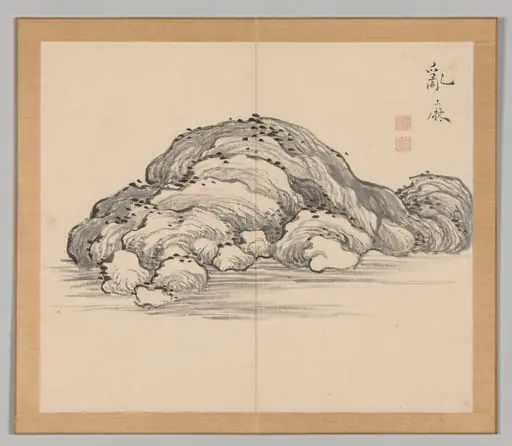 Reverberations of Taiga, Volume 1 (leaf 12)
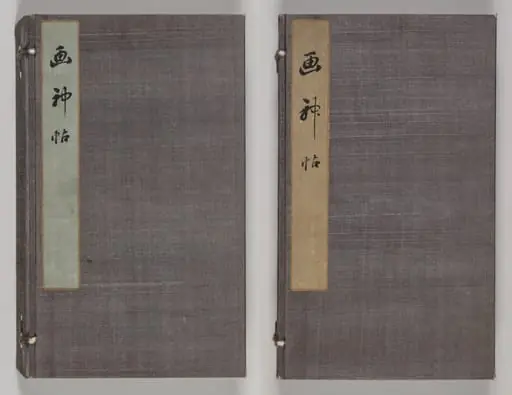 Reverberations of Taiga
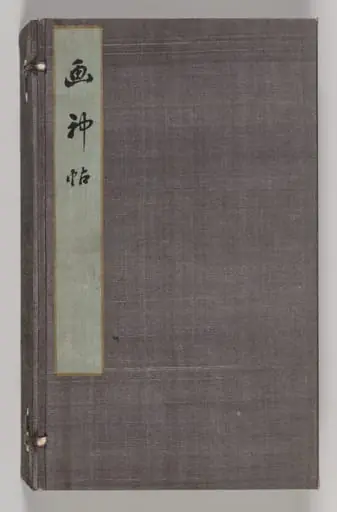 Reverberations of Taiga (Volume 1)
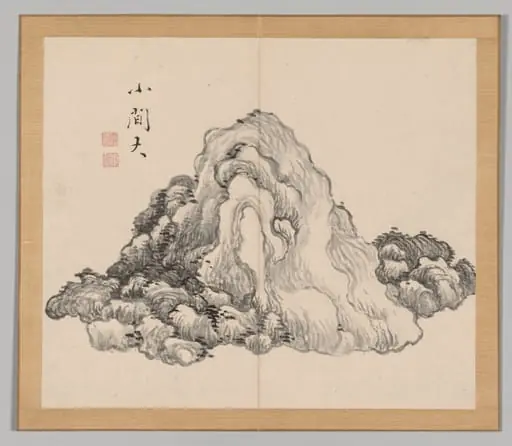 Reverberations of Taiga, Volume 1 (leaf 7)
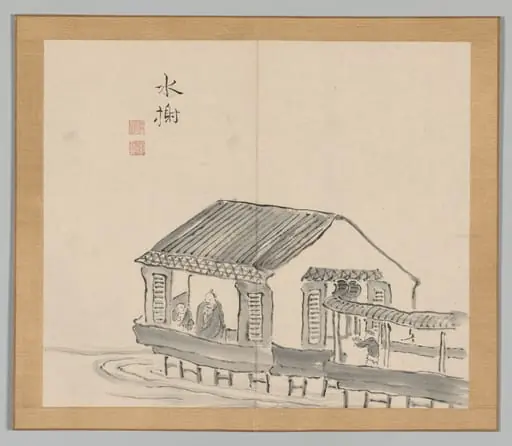 Reverberations of Taiga, Volume 2 (leaf 29)
 Reverberations of Taiga, Volume 2 (leaf 20)
 Reverberations of Taiga, Volume 2 (leaf 18)
 Reverberations of Taiga, Volume 2 (leaf 31)
 Reverberations of Taiga, Volume 2 (leaf 19)
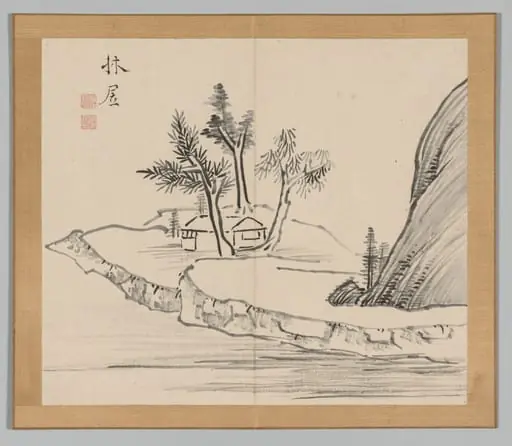 Reverberations of Taiga, Volume 2 (leaf 22)
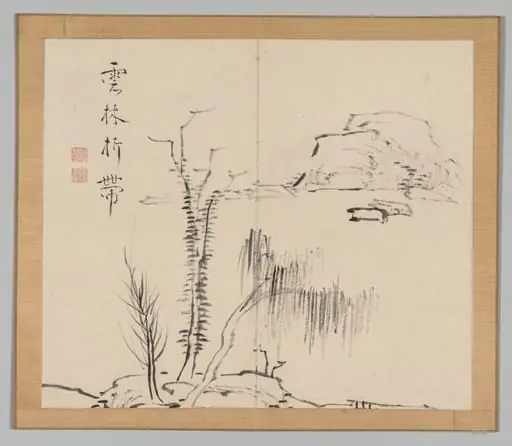 Reverberations of Taiga, Volume 2 (leaf 16)
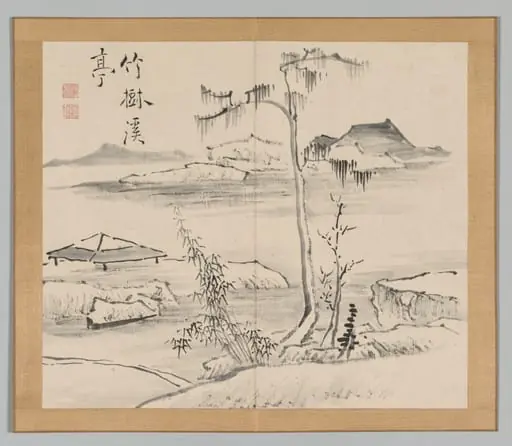 Reverberations of Taiga, Volume 2 (leaf 24)
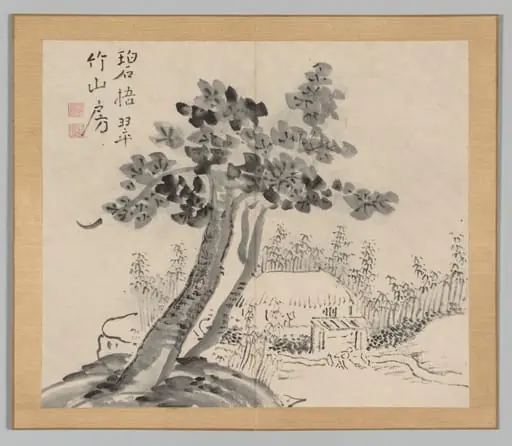 Reverberations of Taiga, Volume 2 (leaf 32)