Artwork
Reverberations of Taiga, Volume 2 (leaf 31)
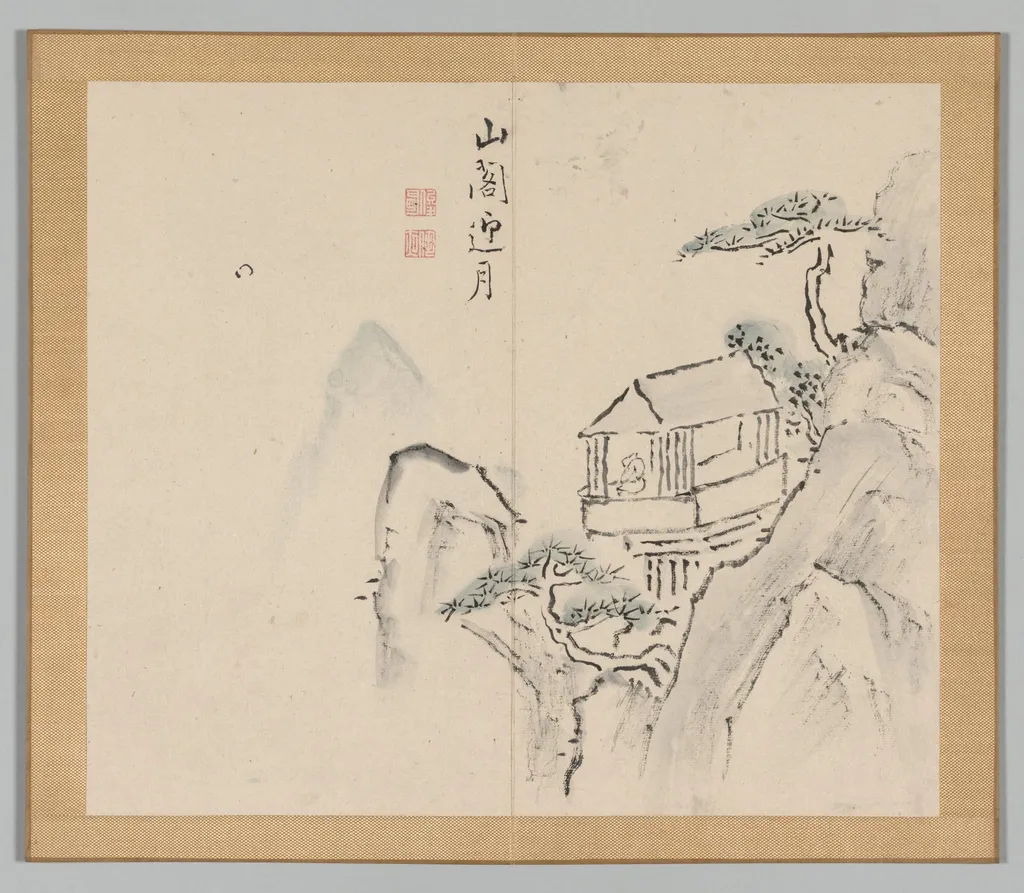
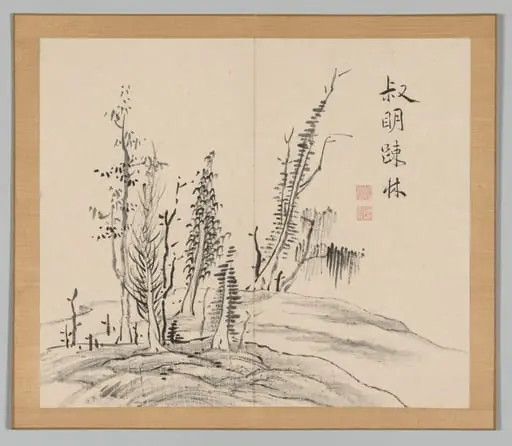
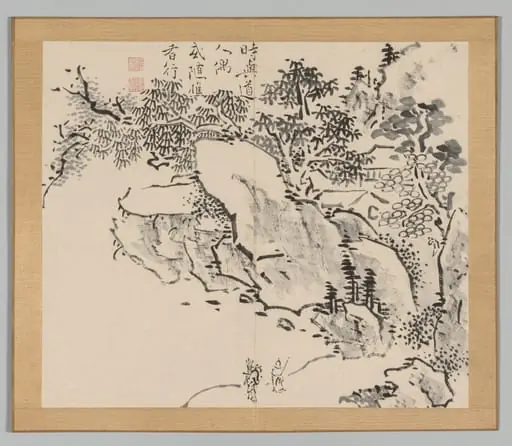
Reverberations of Taiga, Volume 2 (leaf 31) is a work on paper by the Baroque artist Aoki Shukuya. It dates from 1704 and is held in the collection of the Cleveland Museum of Art. This leaf is part of a portfolio titled Reverberations of Taiga, Volume 2, created as a study exercise by a student of Ikeno Taiga.
About this work
Overview
This leaf is part of a portfolio titled Reverberations of Taiga, Volume 2, created as a study exercise by a student of Ikeno Taiga.
This leaf is part of a portfolio titled Reverberations of Taiga, Volume 2, created as a study exercise by a student of Ikeno Taiga. It contains ink-on-paper sketches of natural elements—rocks, trees, and mountains—executed in a restrained, monochromatic style typical of Japanese ink painting pedagogy. Such portfolios were not intended as finished artworks but as instructional records of technical training.
Subject & Meaning
The subject matter consists of simplified landscapes drawn from nature, not as idealized scenes but as formal exercises in observation and brush control. These elements—rocks, trees, mountains—were standard motifs in East Asian ink painting, chosen for their structural clarity and expressive potential. Their repetition in student work served to internalize compositional principles rather than convey narrative or emotion.
Technique & Style
The work employs ink wash and fine brushwork in a minimalist aesthetic, emphasizing tonal variation over detail. Brushstrokes are deliberate yet economical, reflecting the apprentice’s effort to replicate Taiga’s handling of texture and form. The absence of color and the focus on line and gradation align with the literati tradition, where restraint was valued over ornamentation.
History & Provenance
Created during the Edo period, this leaf belongs to a series produced by Shukuya, a documented pupil of Ikeno Taiga. Such portfolios were often compiled over years of study and preserved as personal records. The work entered the collection of The Cleveland Museum of Art, where it is held as an example of traditional Japanese artistic apprenticeship.
Context
In 18th-century Japan, artistic training followed a master-apprentice model, with students copying their teacher’s compositions to internalize technique. Taiga, a leading figure in the literati movement, encouraged personal expression within established forms. His students’ copies, like this one, reveal both adherence to his style and the gradual emergence of individual voice through repetition.
Legacy
These student exercises, though once considered preparatory, are now recognized as vital documents of artistic transmission. They illustrate how technical discipline and observational rigor formed the foundation of Japanese ink painting. Shukuya’s work, like others in the series, contributes to understanding the pedagogical systems that sustained the tradition into the modern era.
Artist & collection

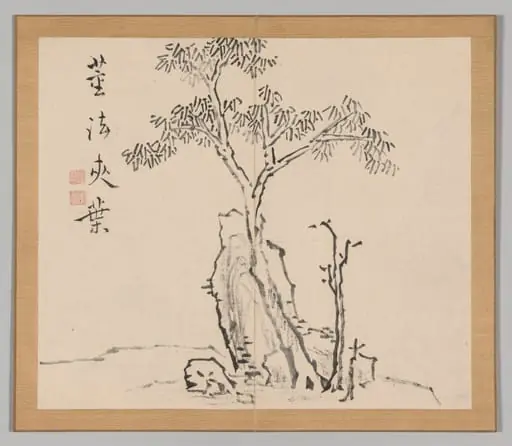 Reverberations of Taiga, Volume 1 (leaf 4)
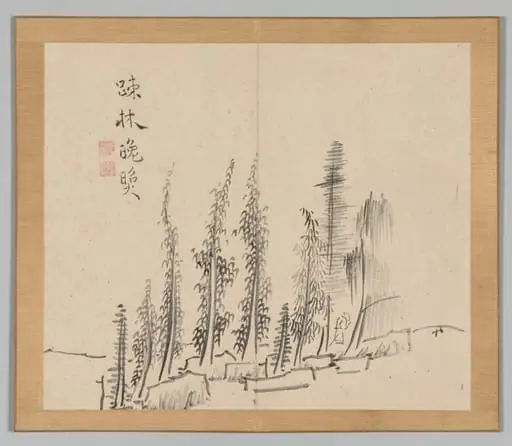 Reverberations of Taiga, Volume 2 (leaf 30)
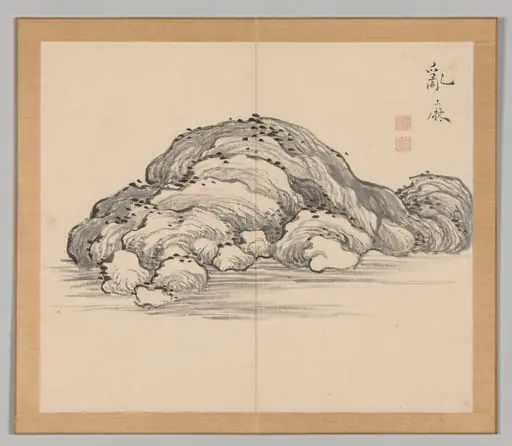 Reverberations of Taiga, Volume 1 (leaf 12)
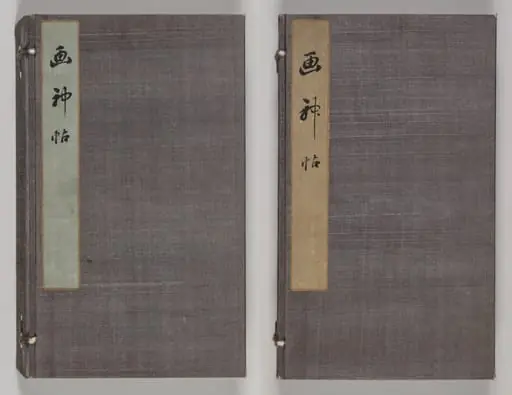 Reverberations of Taiga
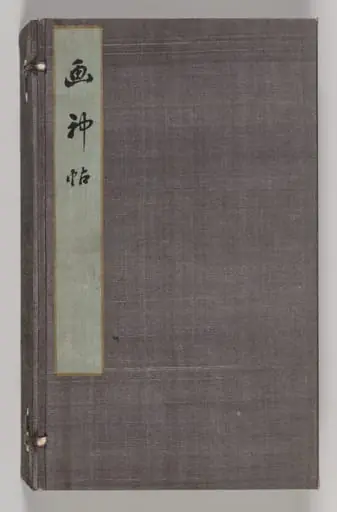 Reverberations of Taiga (Volume 1)
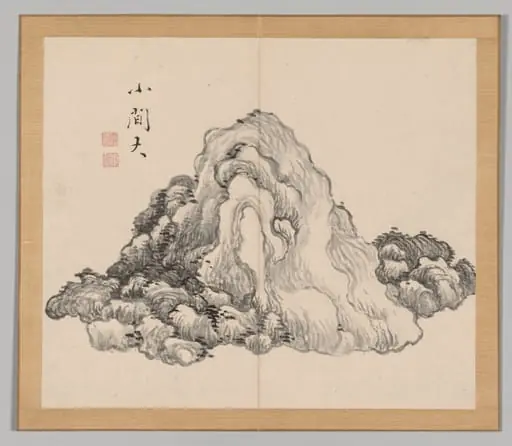 Reverberations of Taiga, Volume 1 (leaf 7)
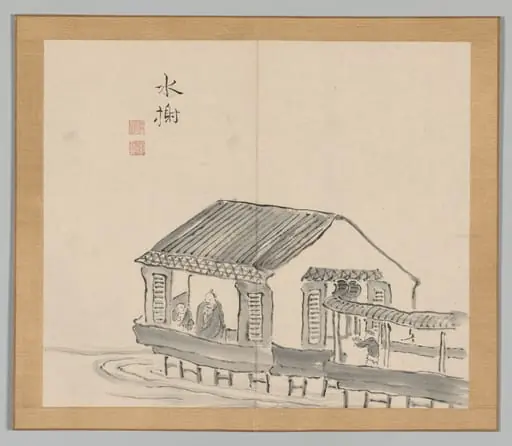 Reverberations of Taiga, Volume 2 (leaf 29)
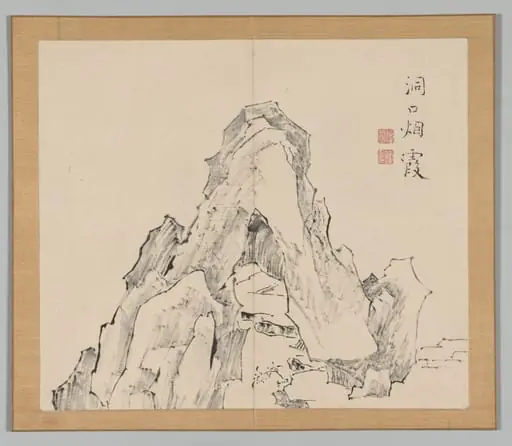 Reverberations of Taiga, Volume 2 (leaf 20)
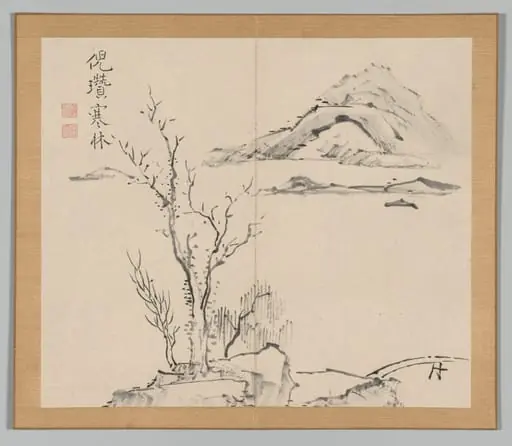 Reverberations of Taiga, Volume 2 (leaf 11)
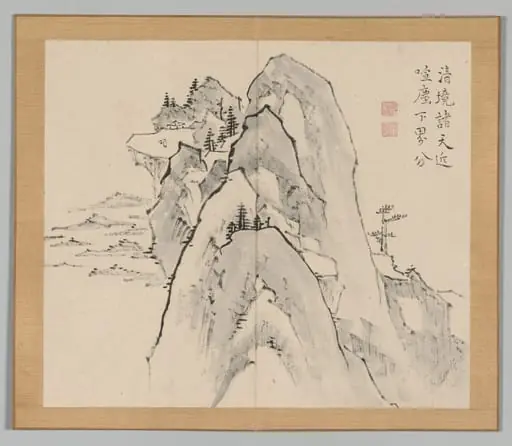 Reverberations of Taiga, Volume 2 (leaf 33)
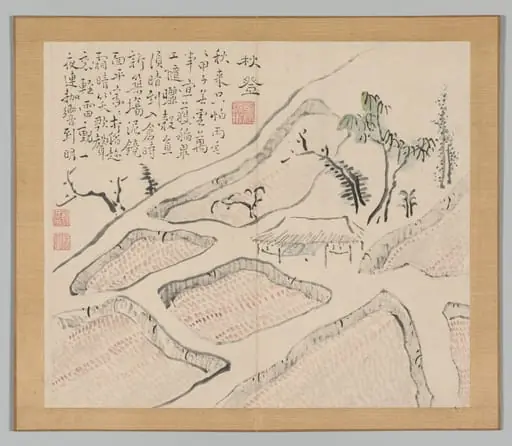 Reverberations of Taiga, Volume 2 (leaf 35)
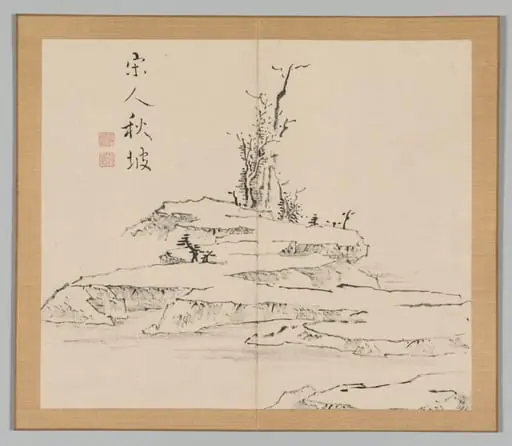 Reverberations of Taiga, Volume 2 (leaf 12)
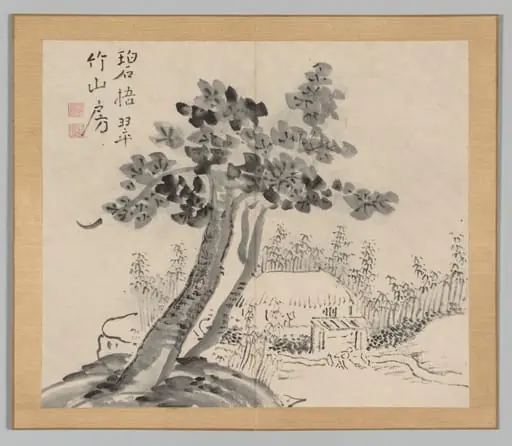 Reverberations of Taiga, Volume 2 (leaf 32)
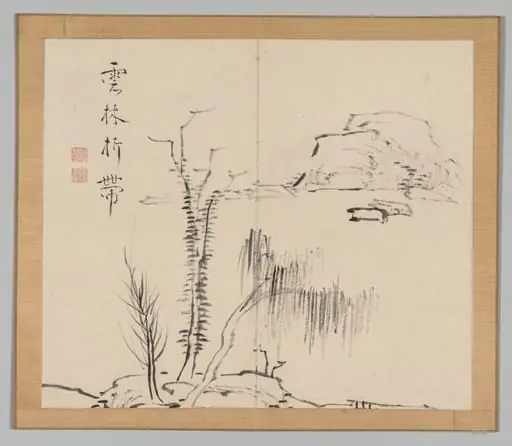 Reverberations of Taiga, Volume 2 (leaf 16)
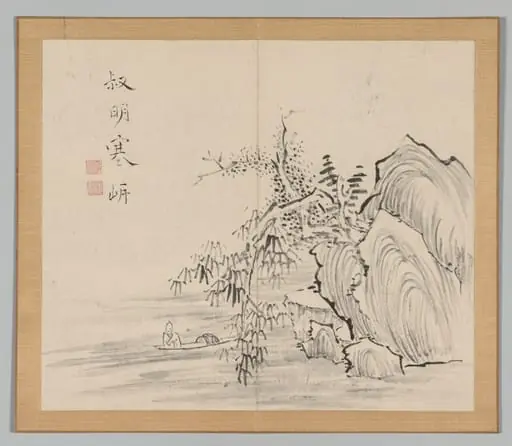 Reverberations of Taiga, Volume 2 (leaf 10)
 Reverberations of Taiga, Volume 2 (leaf 17)
 Reverberations of Taiga, Volume 2 (leaf 34)