Artwork
Reverberations of Taiga, Volume 1 (leaf 11)
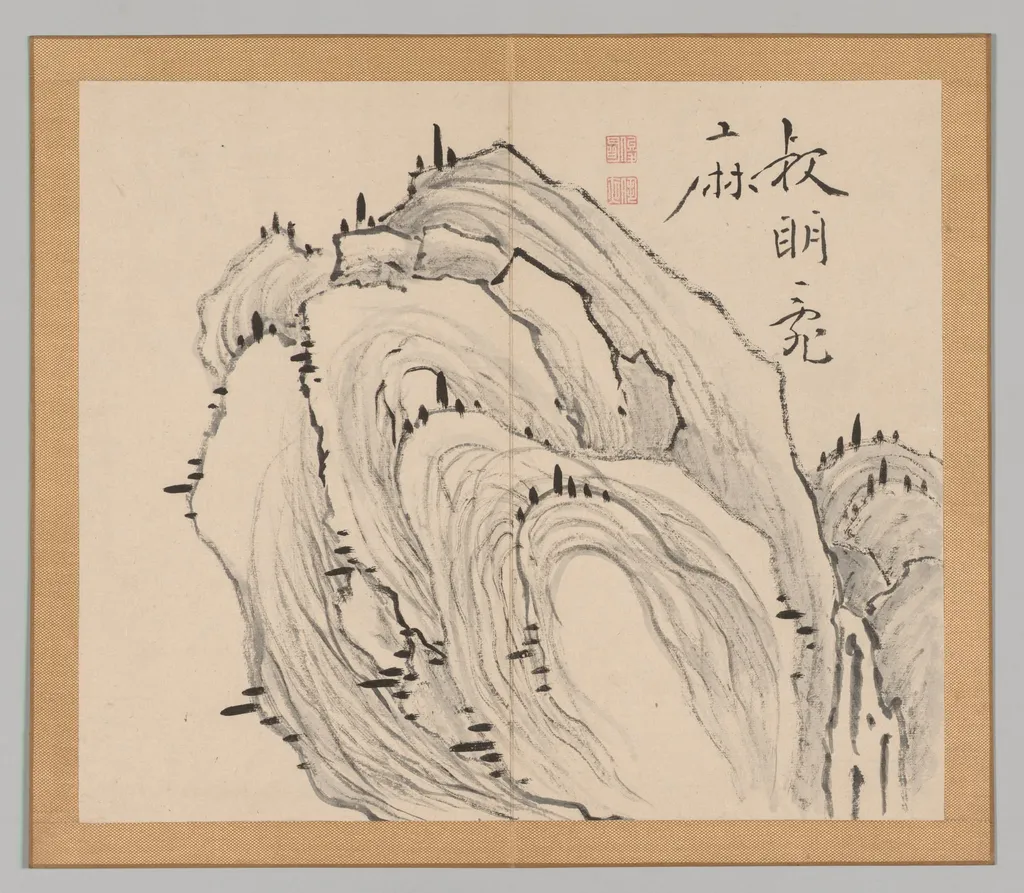
Reverberations of Taiga, Volume 1 (leaf 11) is a work on paper by the Baroque artist Aoki Shukuya. It dates from 1704 and is held in the collection of the Cleveland Museum of Art.
About this work
The artist likely used it to practice drawing and painting skills, which is a common way for artists to learn.
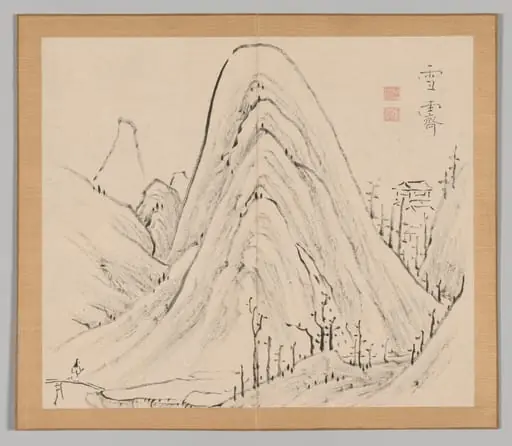
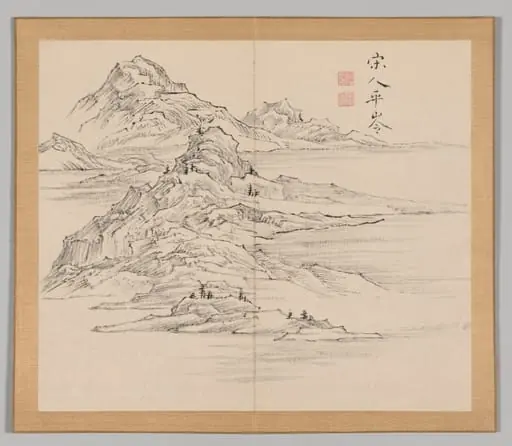
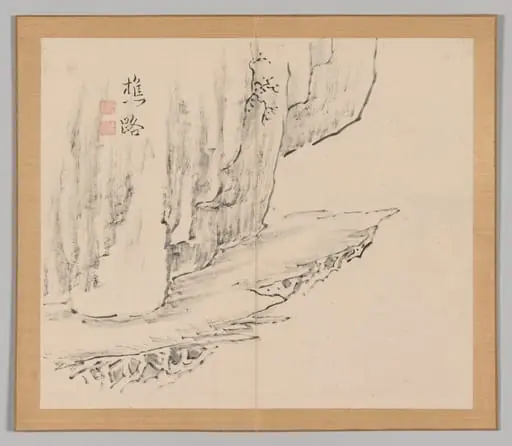
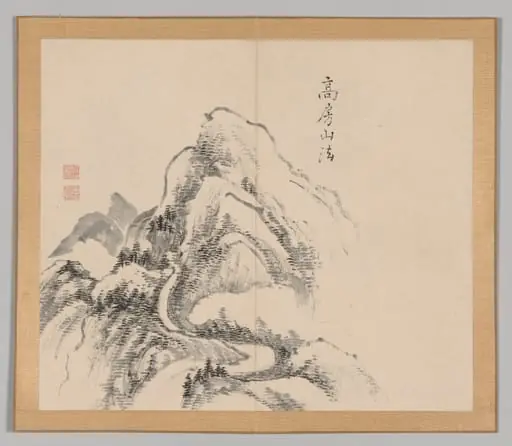
This painting shows rocks, trees, and mountains in a simple style.
It's a quiet scene with basic shapes.
The artist likely used it to practice drawing and painting skills, which is a common way for artists to learn.
The artist was a pupil of a famous painter, which is why the style looks familiar.
This painter's teacher was a well-known artist in Kyoto, and you can see that influence here.
You can learn more about this style by looking at the work of artist: Aoki Shukuya (Japanese, d. 1802)
Overview
This leaf is part of a portfolio of ink sketches by Aoki Shukuya, a Japanese artist active in the late 18th century. Created as a study exercise, it features minimalistic depictions of rocks, trees, and mountains, reflecting the disciplined practice common among apprentices in traditional Japanese painting schools. The work belongs to Volume 1 of a series, suggesting a systematic approach to learning through repetition and observation.
Subject & Meaning
The subject consists of natural elements rendered without narrative or symbolic intent. Rocks, trees, and mountains appear as abstracted forms, arranged to convey spatial depth and structural balance. These were not intended as finished artworks but as exercises in capturing the essence of landscape through simplified lines and tonal gradations, central to the training of ink painters.
Technique & Style
Shukuya employed monochrome ink washes with controlled brushwork, emphasizing economy of line and subtle variations in density. The style mirrors that of his teacher, Ikeno Taiga, known for integrating Chinese literati traditions with Japanese sensibilities. Forms are reduced to essential shapes, avoiding ornamentation, and relying on the rhythm of brushstrokes to suggest texture and volume.
History & Provenance
The portfolio was likely compiled during Shukuya’s apprenticeship under Ikeno Taiga in Kyoto, a center of scholarly painting in the Edo period. As was customary, students produced numerous such studies to internalize their master’s approach. This leaf, one of many in the series, survives as evidence of the transmission of artistic methods within a lineage of Kyoto-based ink painters.
Context
In 18th-century Japan, formal art training occurred through direct mentorship, with apprentices copying their master’s compositions to master technique before developing individual styles. Shukuya’s work reflects this pedagogical system, where landscape motifs were studied not for realism but for understanding compositional harmony and brush control, values rooted in Chinese ink painting traditions adapted in Japan.
Legacy
Shukuya’s sketches, though modest in scale and intent, preserve the pedagogical methods of Kyoto’s ink painting circles. They illustrate how artistic identity was cultivated through disciplined imitation, and they offer insight into the quiet, methodical process behind more celebrated works of the period. His studies remain valuable as records of artistic learning rather than as autonomous creations.
Artist & collection

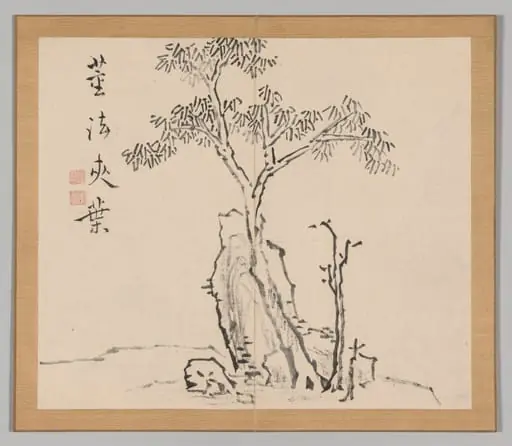 Reverberations of Taiga, Volume 1 (leaf 4)
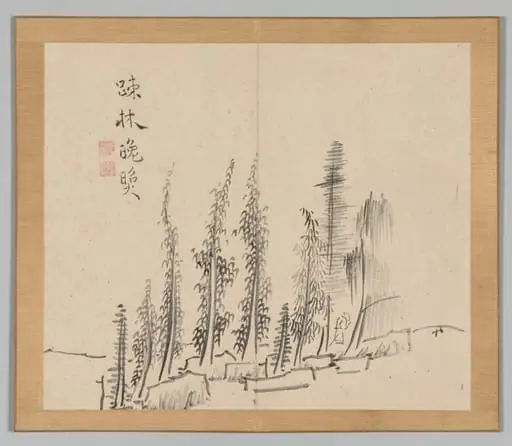 Reverberations of Taiga, Volume 2 (leaf 30)
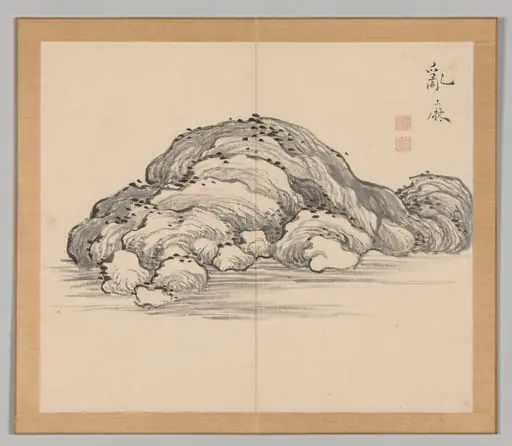 Reverberations of Taiga, Volume 1 (leaf 12)
 Reverberations of Taiga
 Reverberations of Taiga (Volume 1)
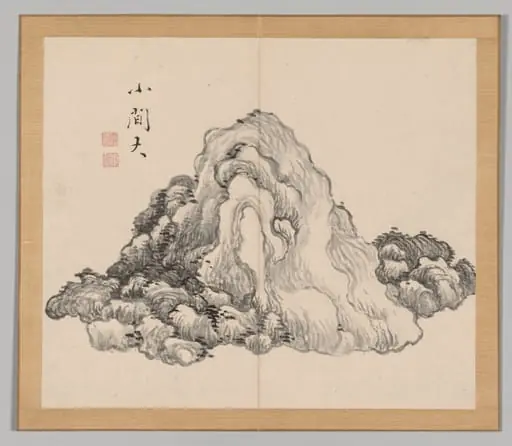 Reverberations of Taiga, Volume 1 (leaf 7)
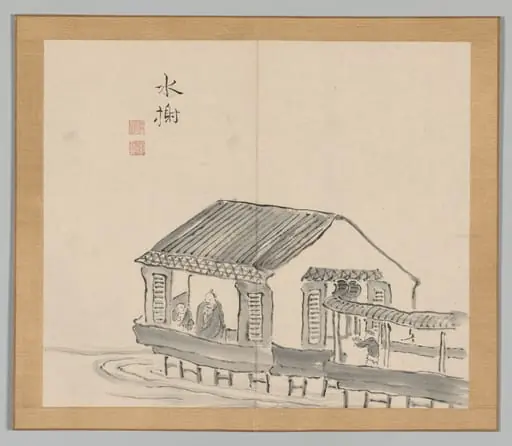 Reverberations of Taiga, Volume 2 (leaf 29)
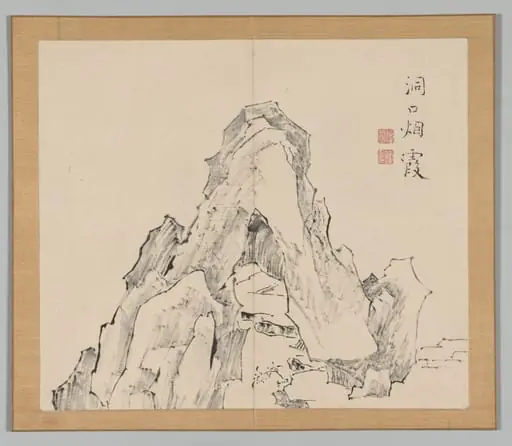 Reverberations of Taiga, Volume 2 (leaf 20)
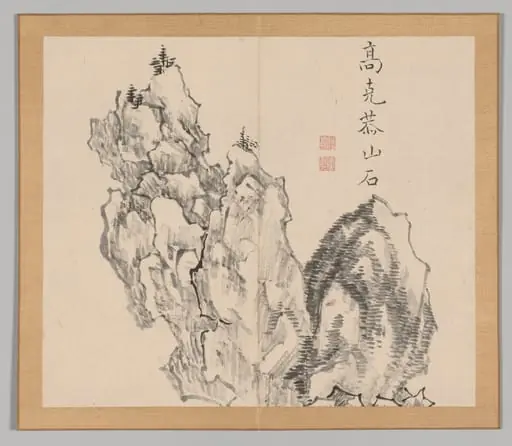 Reverberations of Taiga, Volume 1 (leaf 22)
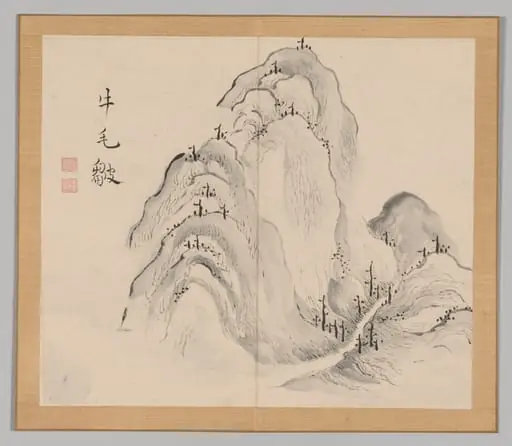 Reverberations of Taiga, Volume 1 (leaf 15)
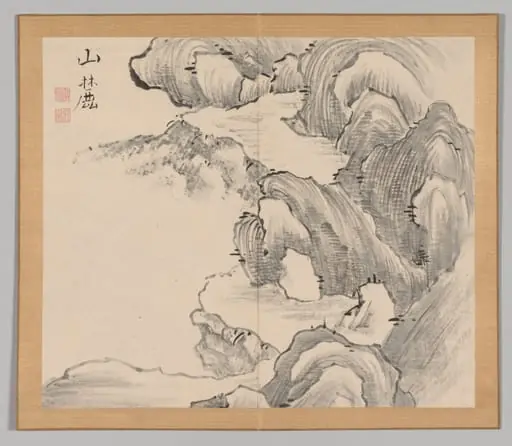 Reverberations of Taiga, Volume 1 (leaf 28)
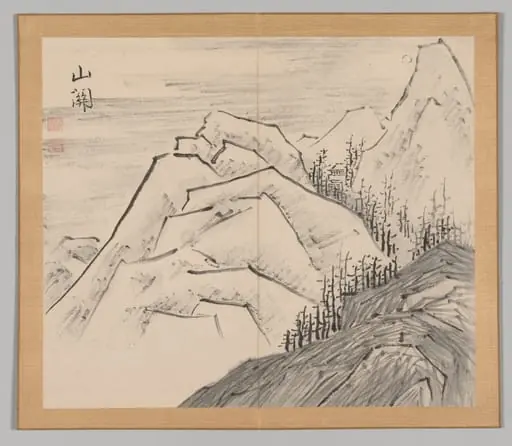 Reverberations of Taiga, Volume 1 (leaf 29)
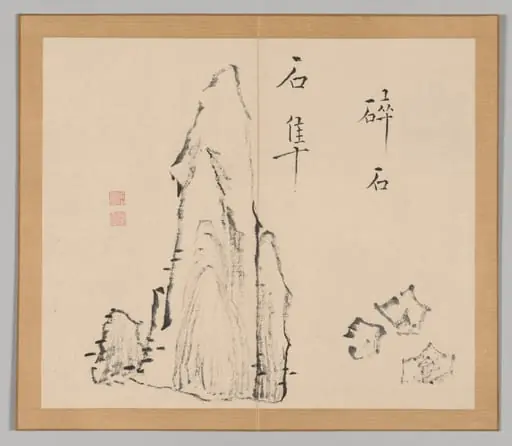 Reverberations of Taiga, Volume 1 (leaf 18)
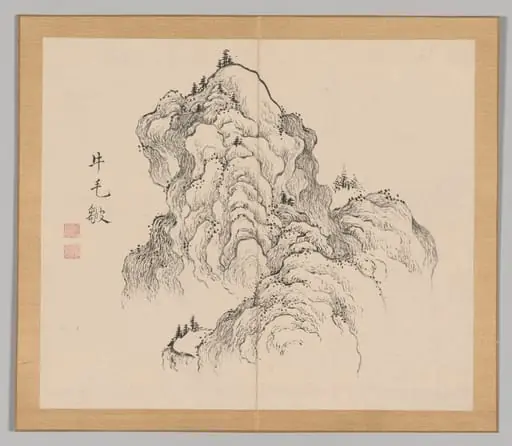 Reverberations of Taiga, Volume 1 (leaf 16)
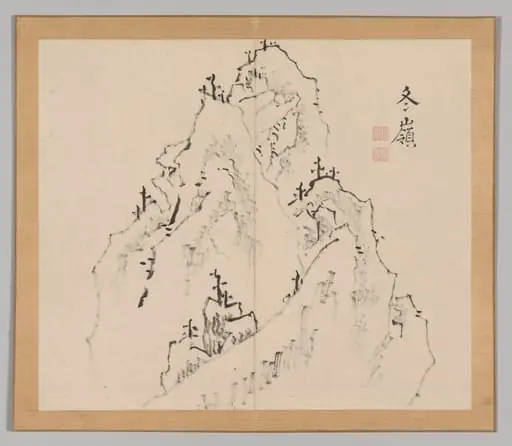 Reverberations of Taiga, Volume 1 (leaf 25)
 Reverberations of Taiga, Volume 1 (leaf 33)
 Reverberations of Taiga, Volume 1 (leaf 35)
 Reverberations of Taiga, Volume 1 (leaf 31)
 Reverberations of Taiga, Volume 1 (leaf 34)