Artwork
A Satyr Seated in a Landscape
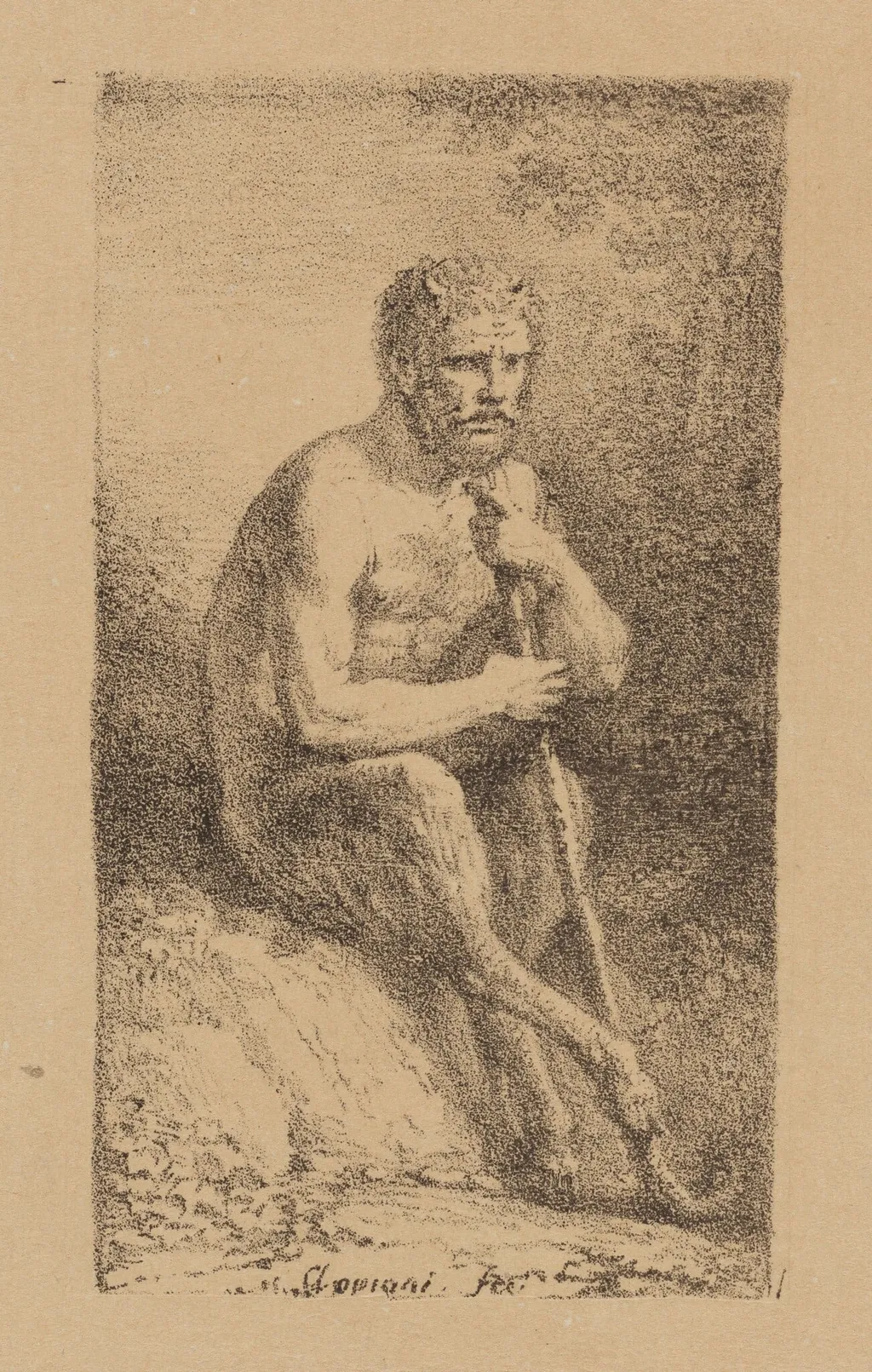
A Satyr Seated in a Landscape is an ink print by the Romanticist artist Andrea Appiani. It dates from 1810 and is held in the collection of the National Gallery of Art.
About this work
The satyr is shown from the waist up, with his right arm resting on his knee and his left hand holding a staff.
This lithograph depicts a satyr seated in a landscape, created by Andrea Appiani in 1808/1812. The satyr is shown from the waist up, with his right arm resting on his knee and his left hand holding a staff. He has horns and a beard, and is dressed in a loincloth. The background of the image is a landscape with trees and hills.
The satyr's facial expression is one of contemplation, and his posture suggests a sense of relaxation. The use of light and shadow in the image adds depth and texture to the scene.
The artist's use of lithography creates a sense of intimacy and immediacy in the image. For more information on the technique used to create this image, look up "lithography".
Overview
Created between 1808 and 1812, this lithograph by Andrea Appiani depicts a mythological figure in a natural setting. Executed on buff wove paper, the work reflects Appiani’s engagement with printmaking during the final years of his career. Though primarily known as a painter, he explored lithography to capture intimate, atmospheric scenes. The piece resides in the National Gallery of Art’s collection in Washington, D.C., as part of its holdings in early 19th-century prints.
Subject & Meaning
The figure is a satyr, a creature from classical mythology associated with woodland and rustic revelry. Here, he is portrayed not in motion or ecstasy, but in quiet repose—seated, staff in hand, horns and beard framing a contemplative gaze. His loincloth and relaxed posture suggest a moment of stillness amid nature, evoking a blend of ancient symbolism and Romantic-era introspection. The scene avoids theatricality, favoring a subdued, almost meditative tone.
Technique & Style
Appiani employed lithography, a relatively new print medium at the time, to achieve subtle tonal gradations and a tactile immediacy. The buff paper enhances the warmth of the ink, while careful shading models the satyr’s form and the distant hills. Lines are soft, avoiding sharp outlines, which contributes to the atmospheric quality. The technique allowed for a direct, almost sketchlike quality, aligning with the informal mood of the subject.
History & Provenance
The print was produced during Appiani’s later years, after his prominent work as a court painter in Milan. Though few of his prints survive, this lithograph is among the known examples of his experimentation beyond oil painting. It entered the National Gallery of Art’s collection through established acquisition channels, likely as part of a broader effort to document early European lithographic practice in the early 20th century.
Context
In the early 1800s, lithography was gaining traction across Europe as a medium for both artistic and commercial reproduction. Appiani’s use of it for a mythological subject reflects a broader trend of neoclassical artists revisiting antiquity through emerging technologies. Unlike grand historical paintings, this work offers a quiet, personal interpretation—bridging academic tradition with the emerging Romantic sensibility for nature and solitude.
Legacy
While Appiani’s paintings dominated his reputation, this lithograph stands as a rare testament to his adaptability in printmaking. It contributes to the understanding of how neoclassical artists engaged with new techniques to explore mythological themes beyond monumental canvases. The work remains a quiet but significant example of early 19th-century print experimentation in Italy, preserved for its technical and thematic nuance.
Own this work as a print
Artist & collection
Artist
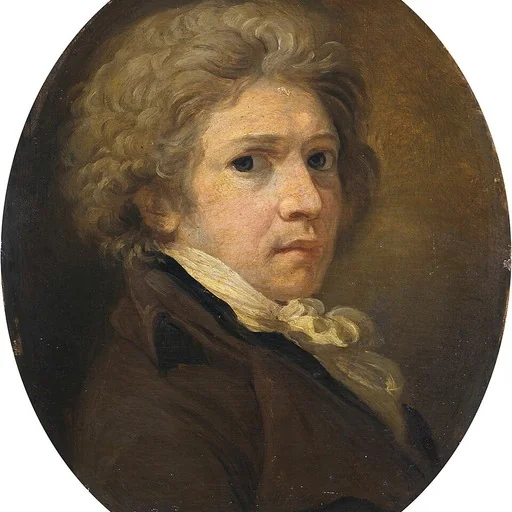
Andrea Appiani (31 May 1754 – 8 November 1817) was an Italian neoclassical painter. He is known as "the elder", to distinguish him from his great-nephew Andrea Appiani, a historical painter in Rome.

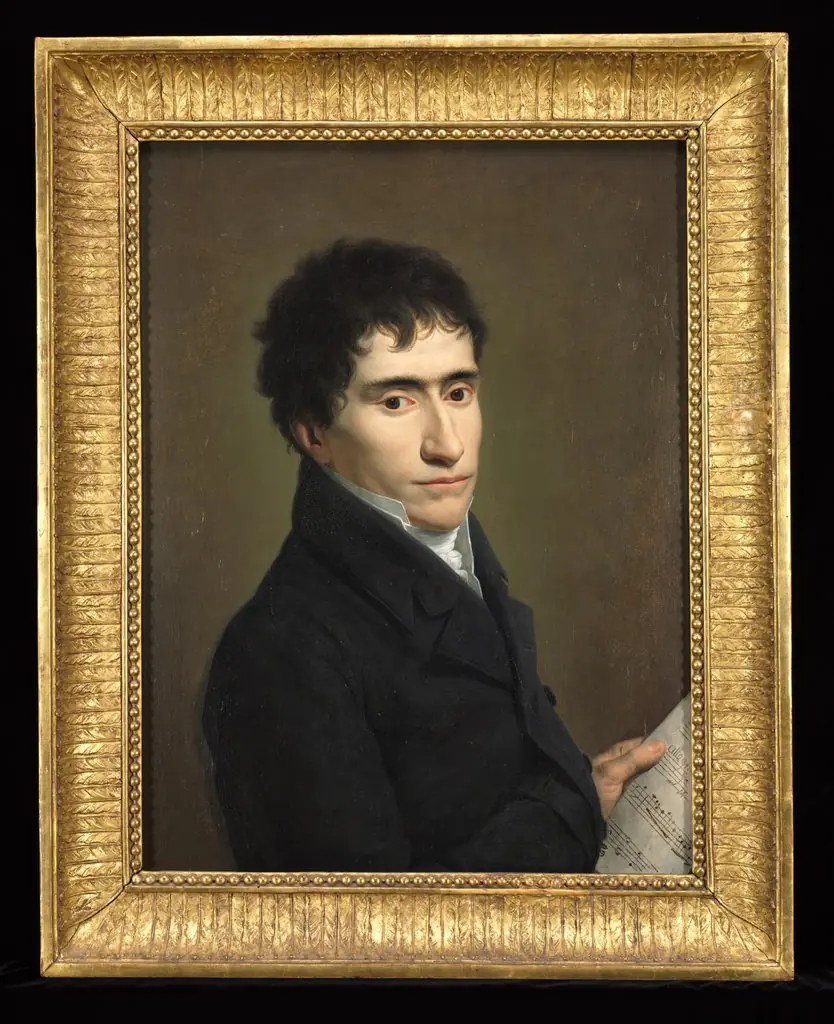 Portrait of a Musician
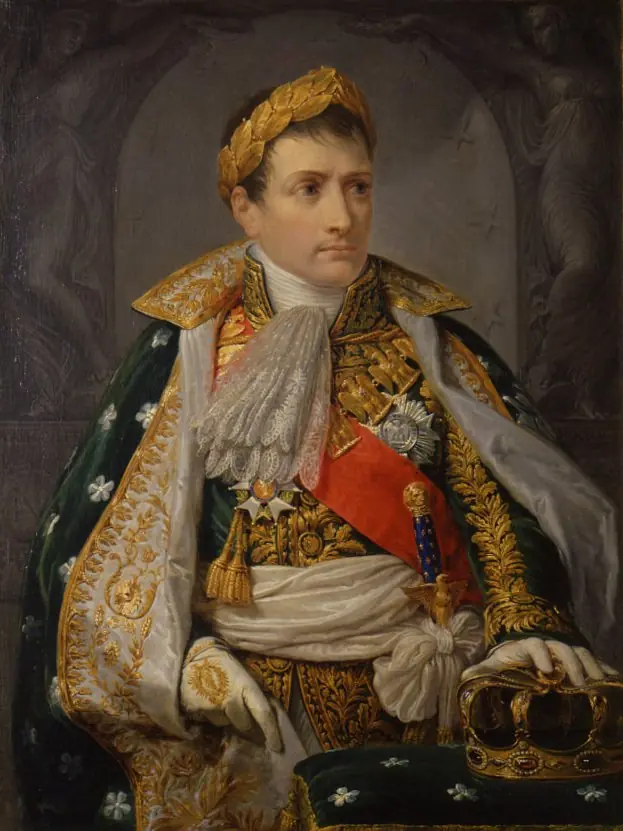 Napoleon I Bonaparte
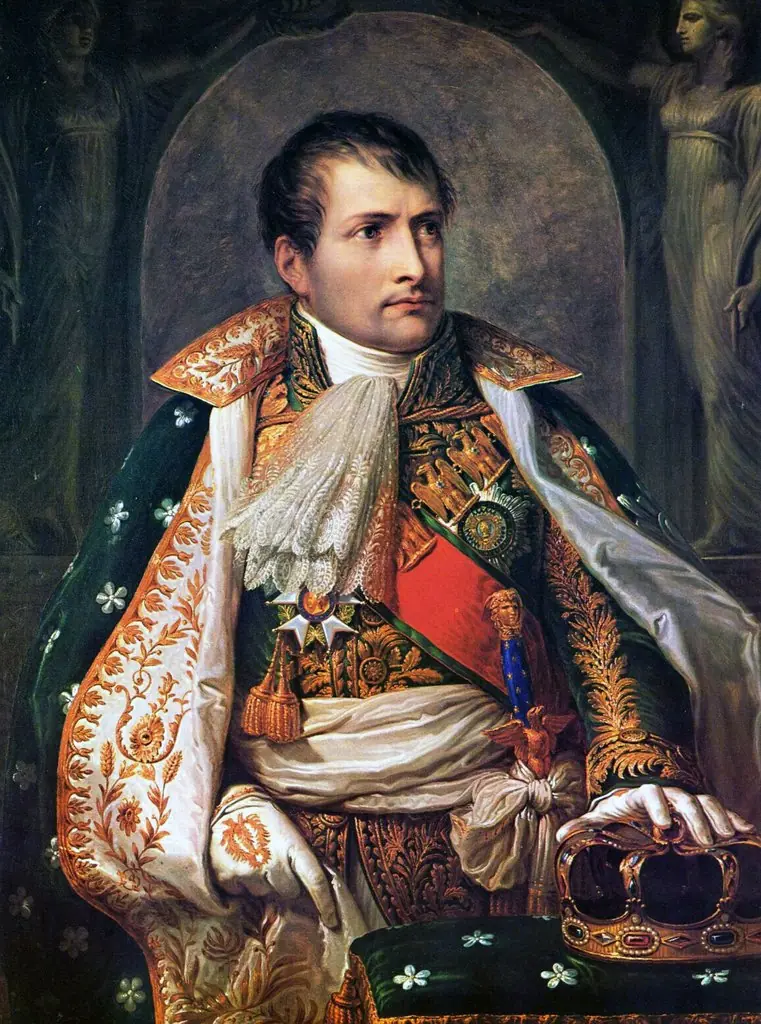 Napoleon I of France
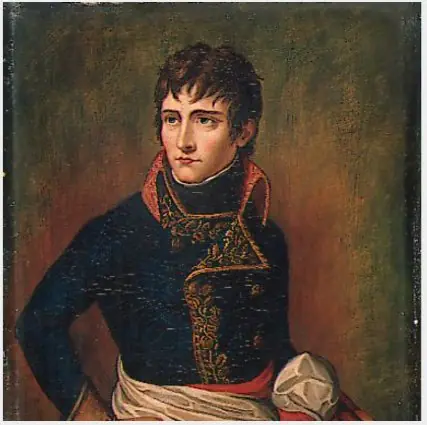 Portrait of Napoleon Bonaparte (1769-1821), as a General of the Army of the Revolution
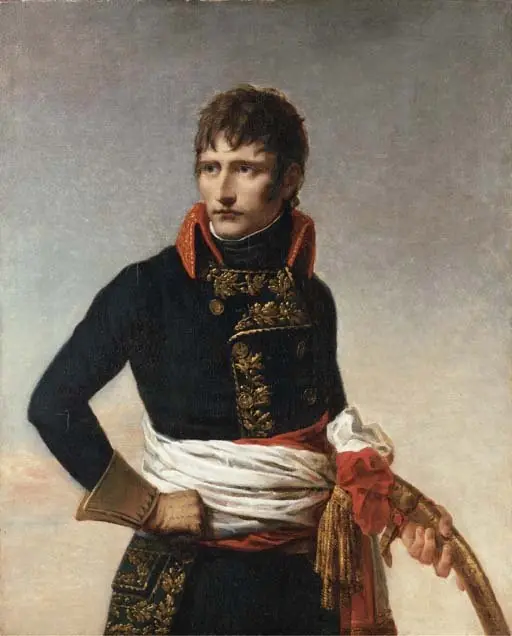 Bonaparte à Milan
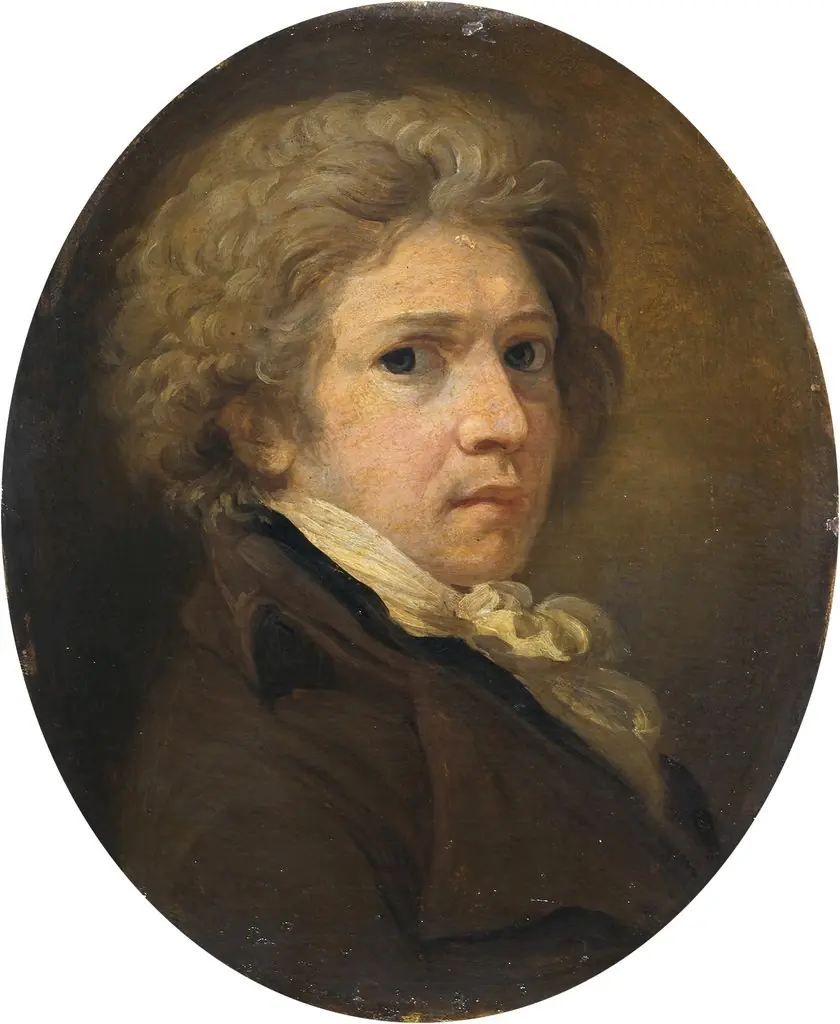 Self-portrait
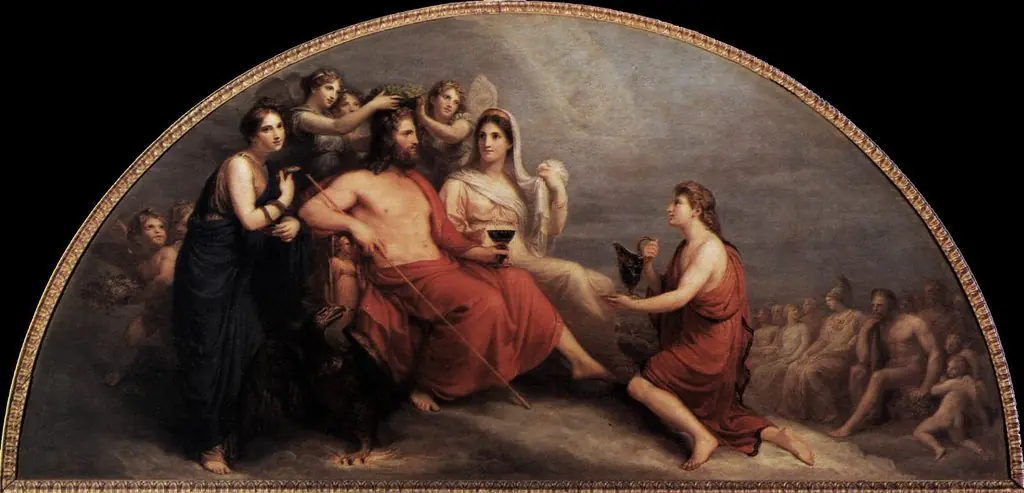 The Olympus (Jupiter, Crowned with Myrtle By the Hours, Proffers a Goblet to Ganymede to Be Served Nectar)
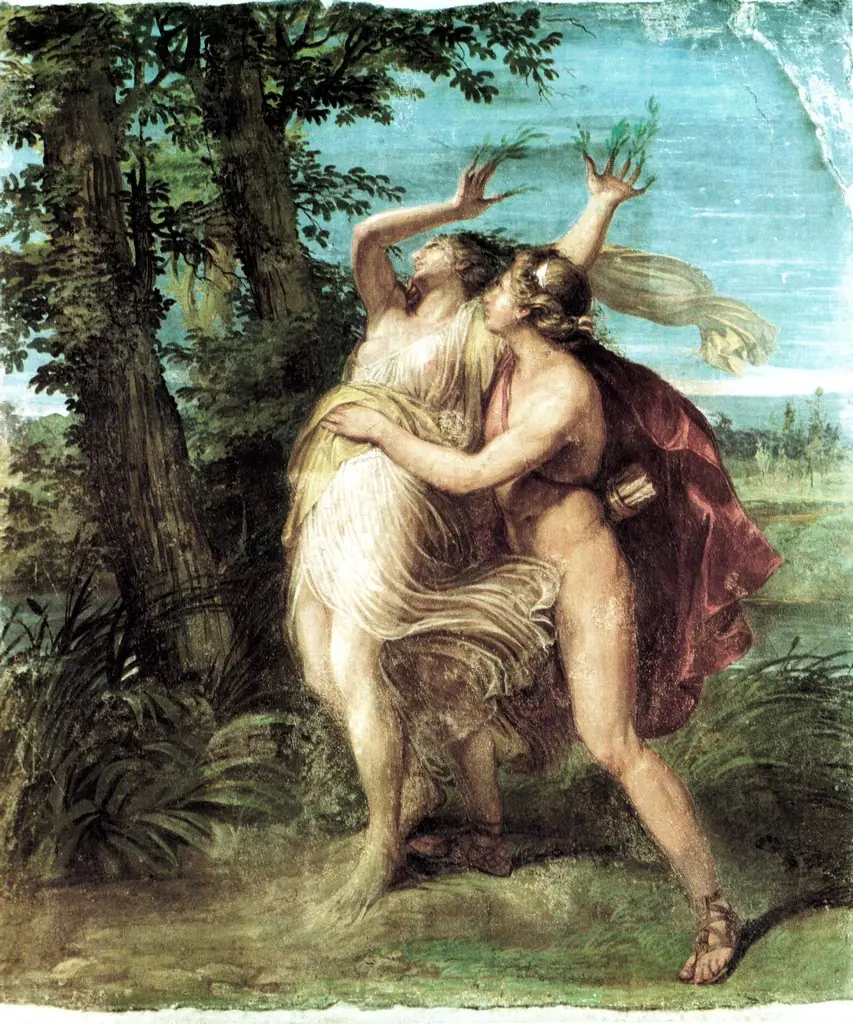 Apollo and Daphne
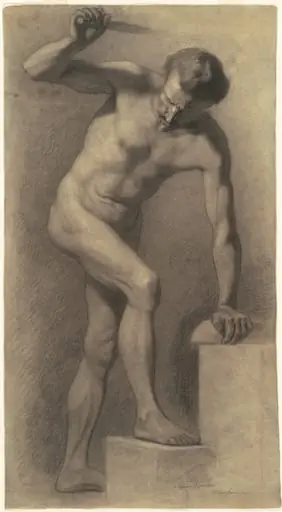 Male Nude on Steps
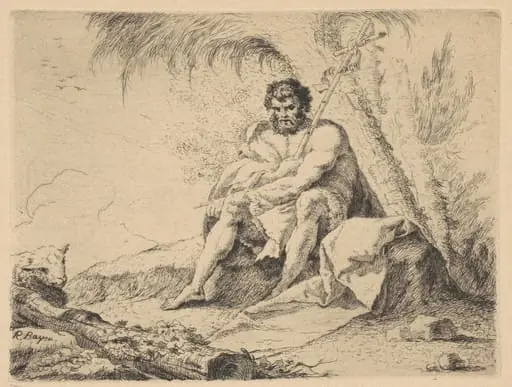 John the Baptist and the Lamb
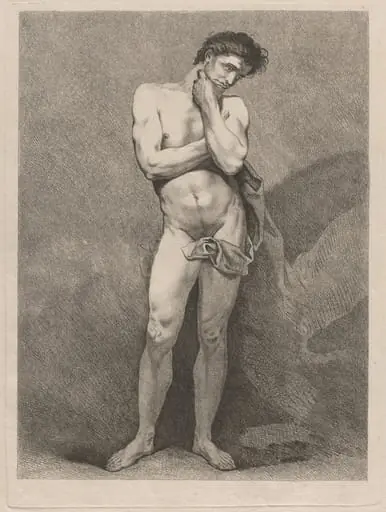 Standing Man in Pensive Pose
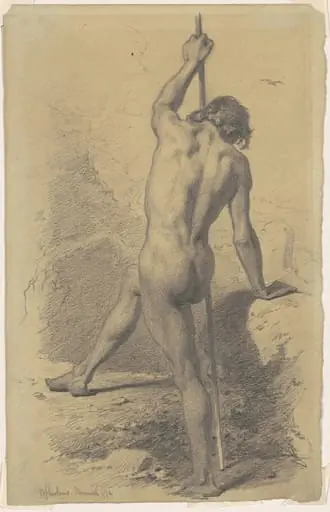 Male Nude with Staff
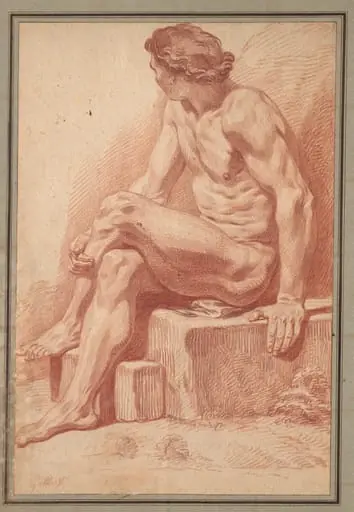 Seated Male Nude
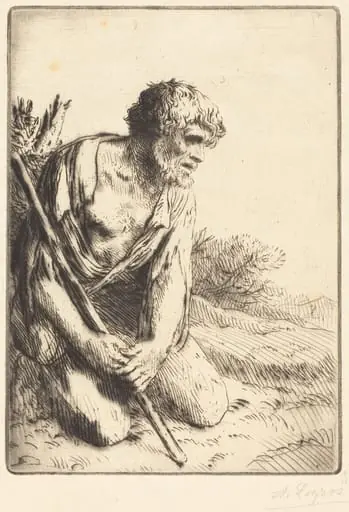 The Prodigal Son, 3rd plate (L'enfant prodigue)
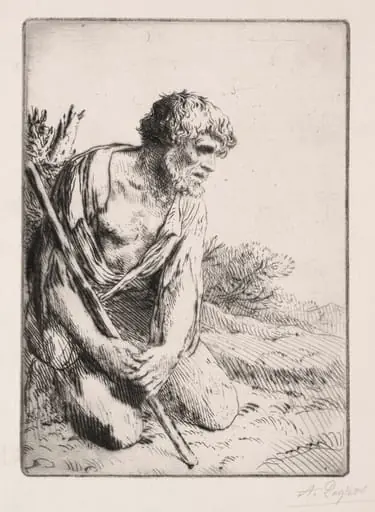 The Prodigal Son (3rd Plate)
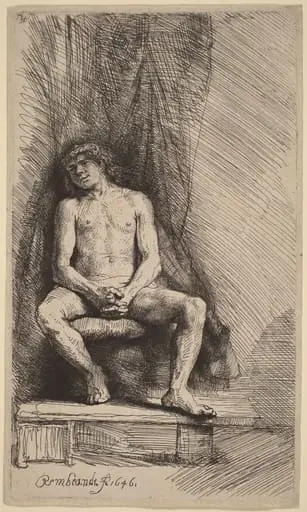 Nude Man Seated before a Curtain
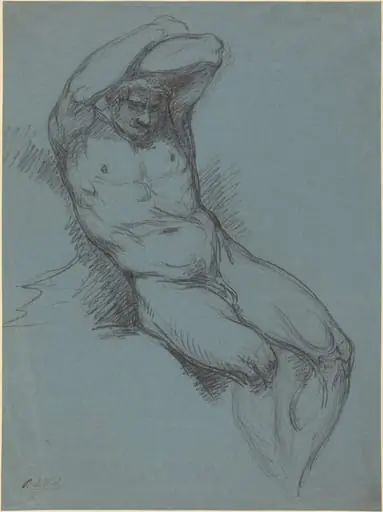 A Seated Male Nude with His Hands Crossed over His Head
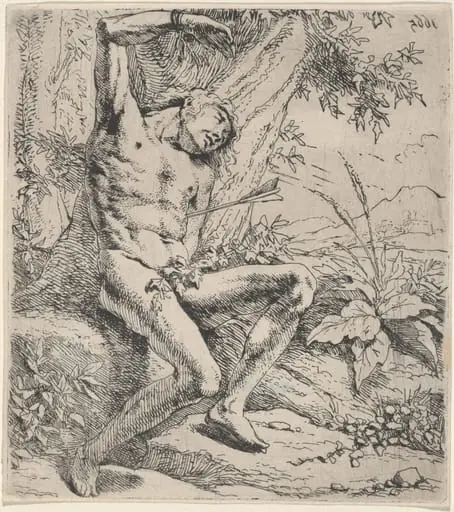 Saint Sebastian
![Male Nude [verso], by Michelangelo](https://artifactworldgallery.com/img/michelangelo--male-nude-verso--d48a81b2ad2bdbb8-w320.webp) Male Nude [verso]
Male Nude [verso]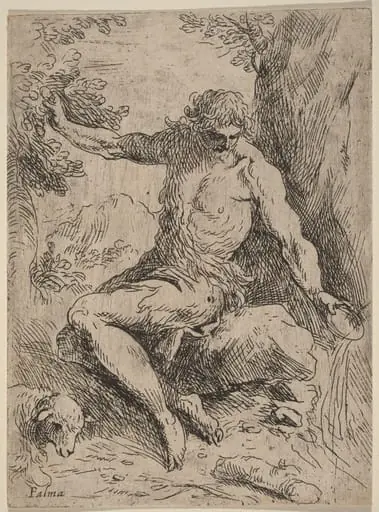 Saint John the Baptist