Artwork
Après la bataille, chevaux morts
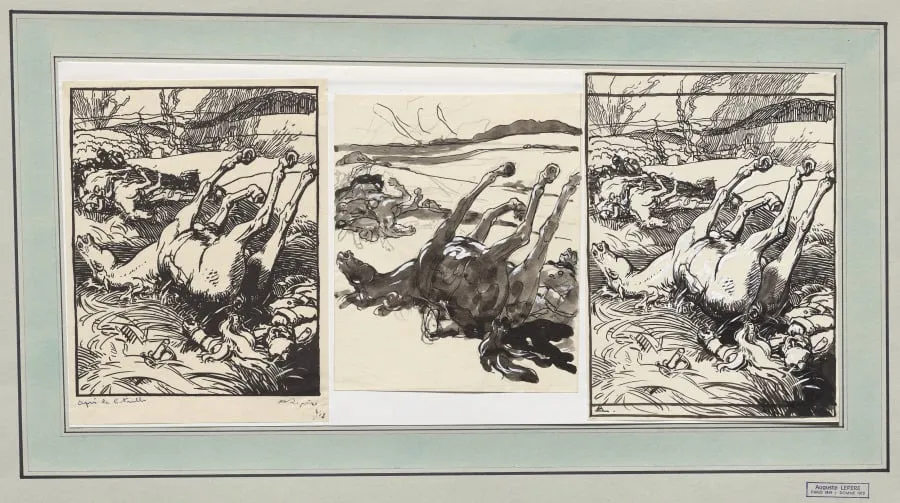
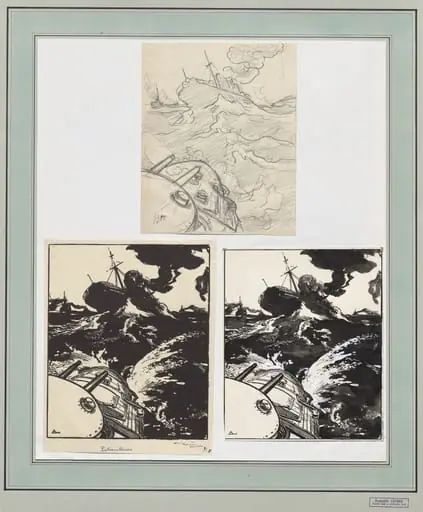
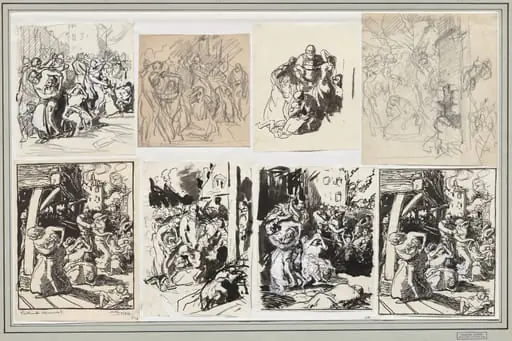
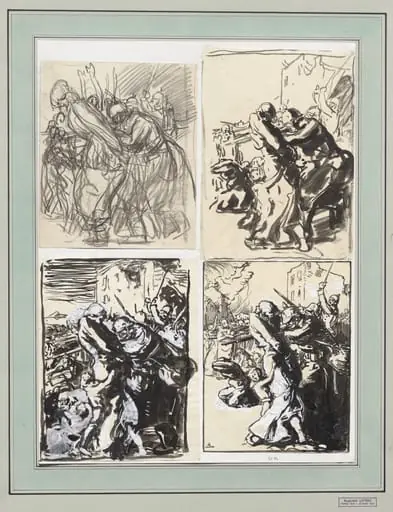
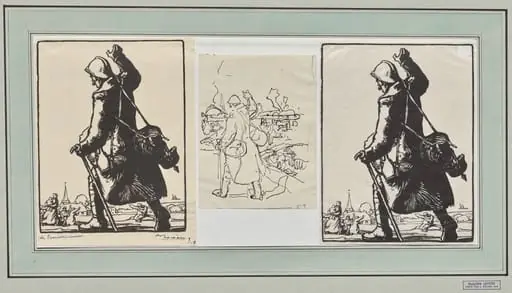
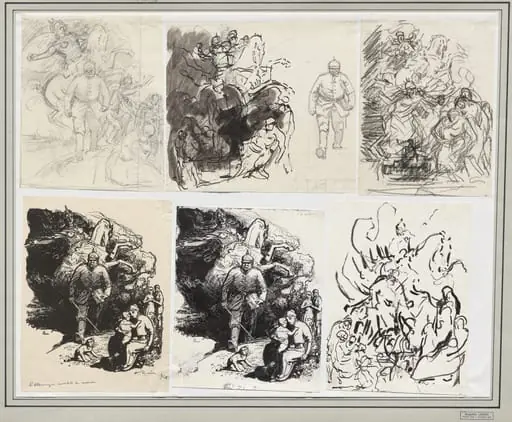
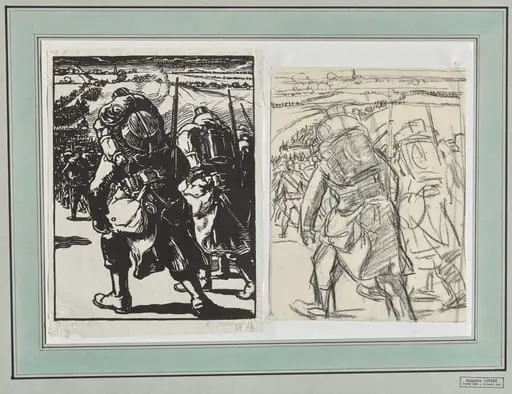
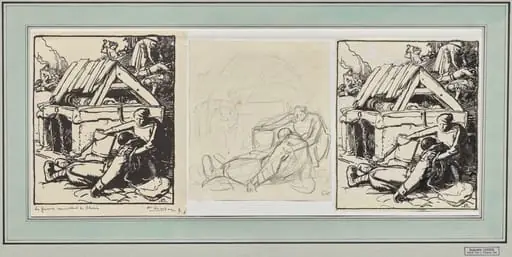
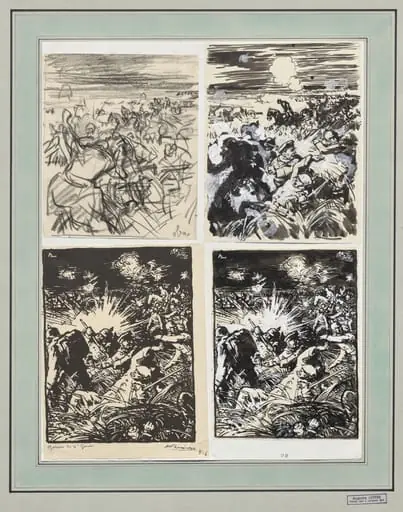
Après la bataille, chevaux morts is a drawing by Auguste Lepère. It dates from 1914 and is held in the collection of the Cleveland Museum of Art.
About this work
Overview
Auguste Louis Lepère’s 1914 etching *Après la bataille, chevaux morts* presents a bleak tableau of a battlefield aftermath, focusing on the bodies of fallen horses. Executed in black-and-white, the image is part of the Cleveland Museum of Art’s collection and exemplifies Lepère’s interest in the stark realities of war.
Subject & Meaning
The composition centers on several dead horses strewn across a barren ground, their twisted forms suggesting the violence that has just occurred. By isolating the animal victims, the work underscores the collateral damage of conflict and evokes a quiet, mournful reflection on loss.
Technique & Style
Lepère employed traditional etching methods, using fine lines and varied hatching to model volume and texture. The careful gradations of tone create depth, while the contrast between sharply rendered foreground horses and a loosely suggested background conveys both immediacy and the disorienting haze of a battlefield.
History & Provenance
Created during the early years of World War I, the print reflects contemporary concerns about the war’s devastation. It entered the Cleveland Museum of Art’s holdings through acquisition in the mid‑20th century, joining a broader collection of Lepère’s prints that document his role in reviving European wood engraving and related print techniques.
Artist & collection
Artist
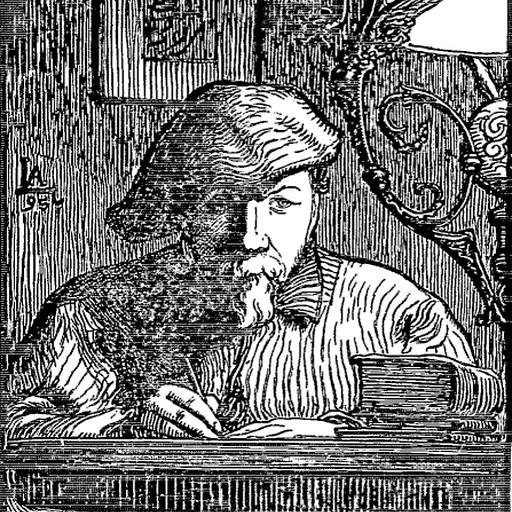
Louis-Auguste Lepère (30 November 1849 – 20 November 1918) was a French painter and etcher. Lepère is also considered a leader in the creative revival of wood engraving in Europe.