Artwork
Etude a Quatre Mains
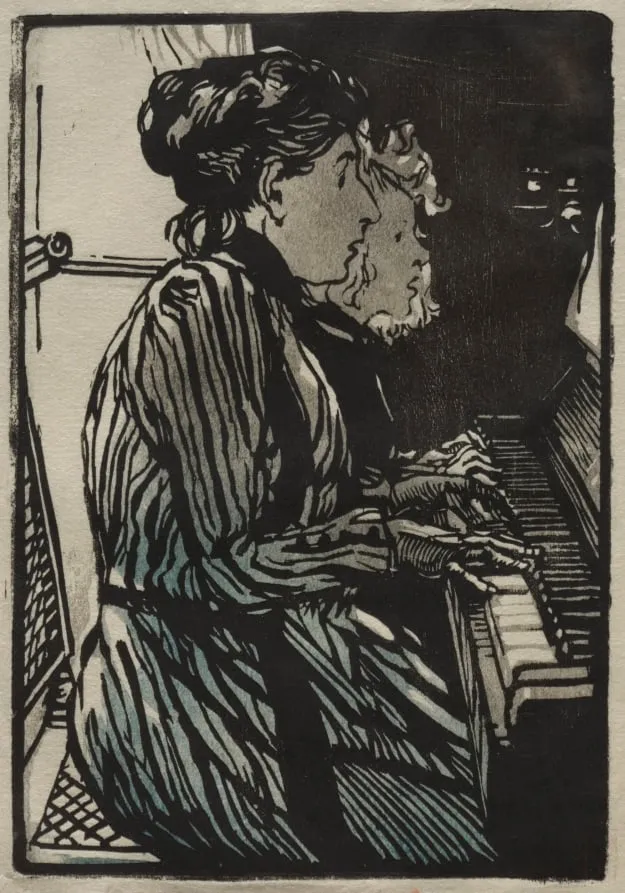
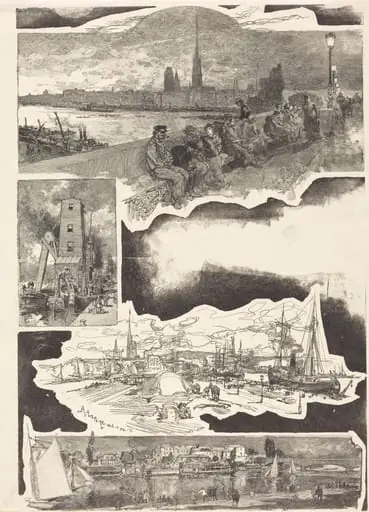
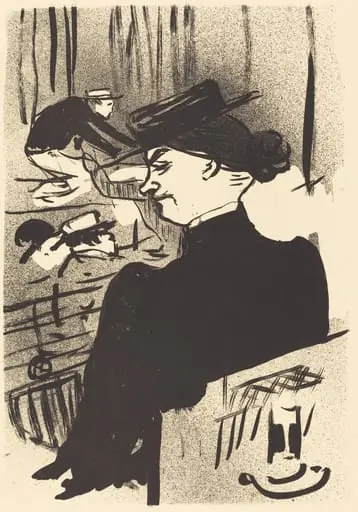
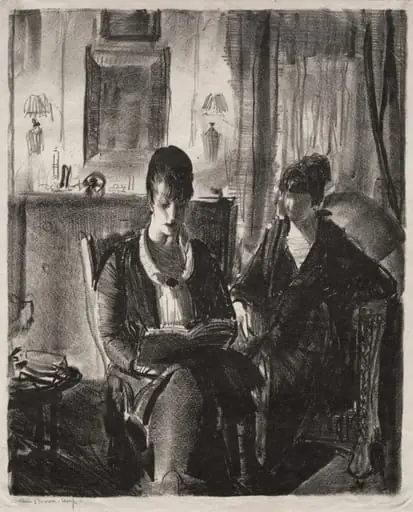
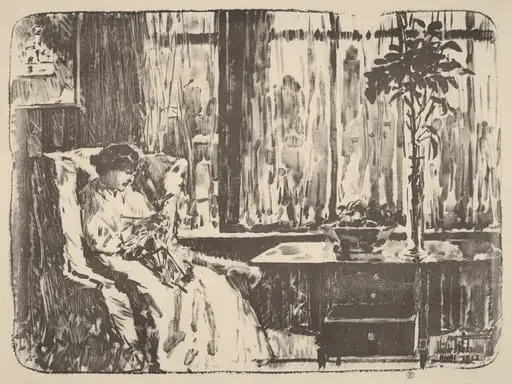
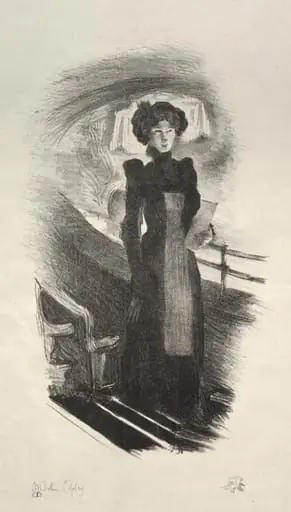
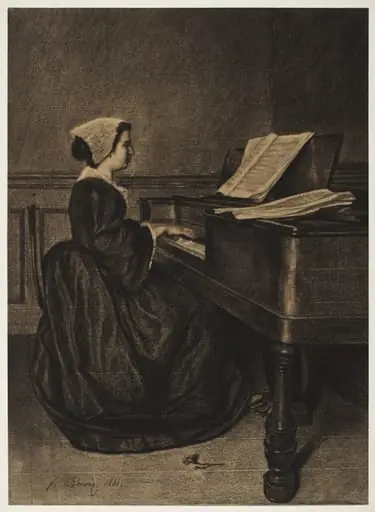
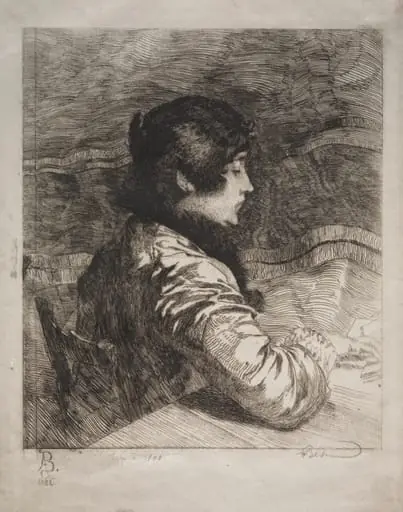
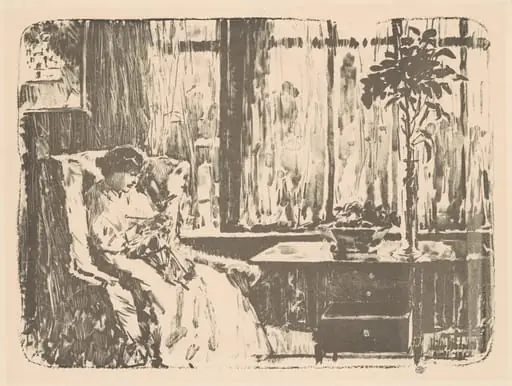
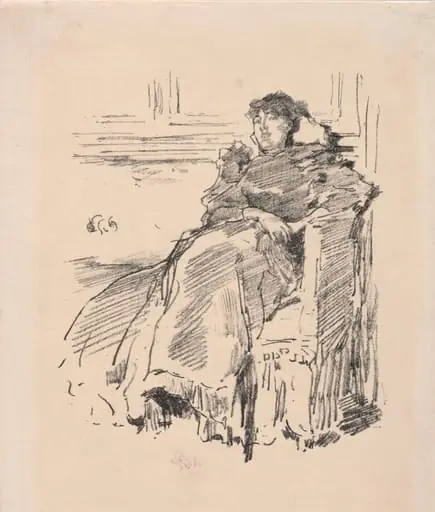
Etude a Quatre Mains is a print by the Impressionist artist Auguste Lepère. It dates from 1890 and is held in the collection of the Cleveland Museum of Art.
About this work
Overview
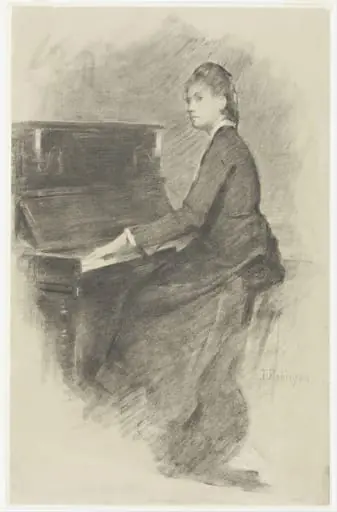
The work captures a solitary woman at a piano, rendered with fine linear precision.
Auguste Louis Lepère produced *Etude a Quatre Mains* in 1890 as a wood engraving, not a painting, reflecting his pivotal role in the late 19th-century revival of woodcut techniques in Europe. The work captures a solitary woman at a piano, rendered with fine linear precision. Though often mistaken for a painted image, its tonal depth and texture stem from the labor-intensive process of hand-carved woodblocks, a medium Lepère championed alongside contemporaries seeking to elevate printmaking beyond reproduction.
Subject & Meaning
The figure, seated before an ornate piano with eyes closed and hands suspended above the keys, suggests a moment of quiet anticipation rather than performance. Her stillness and the dim interior imply introspection, perhaps the pause before music begins. The title, meaning 'study for four hands,' alludes to duet piano playing, yet only one person is present—hinting at memory, imagination, or the internal resonance of music. The absence of a second player deepens the sense of solitude and inner life.
Technique & Style
Lepère employed fine-line wood engraving to achieve subtle gradations of light and shadow, mimicking the effects of chiaroscuro without pigment. His meticulous carving allowed for delicate contrasts between the darkened room and the narrow strip of light from the window, guiding focus to the woman’s face and hands. The striped fabric of her dress and the carved piano legs are rendered with rhythmic precision, demonstrating his mastery of texture and tone through incised wood rather than brushwork.
History & Provenance
Created in 1890, the print entered the collection of The Cleveland Museum of Art, where it remains part of its holdings in European graphic arts. Lepère’s prints were widely circulated in artist-led journals and exhibitions during the 1880s–1890s, contributing to the revival of original printmaking in France. This work reflects his broader efforts to position wood engraving as a legitimate artistic medium, distinct from commercial illustration.
Context
In late 19th-century France, printmakers like Lepère rejected mass-produced imagery, seeking to reclaim printmaking as a vehicle for personal expression. *Etude a Quatre Mains* aligns with the Symbolist interest in mood and interiority, while its technical rigor connects to the Arts and Crafts movement’s reverence for handcraft. The piano as a domestic symbol resonated with contemporary themes of private emotion and artistic introspection.
Legacy
Lepère’s work helped redefine wood engraving as a fine art form, influencing later generations of printmakers in Europe and beyond. *Etude a Quatre Mains* exemplifies his ability to convey psychological depth through technical discipline. Though less widely known today, his contributions are recognized in major collections for revitalizing a traditional medium with modern sensitivity and emotional nuance.
Artist & collection
Artist
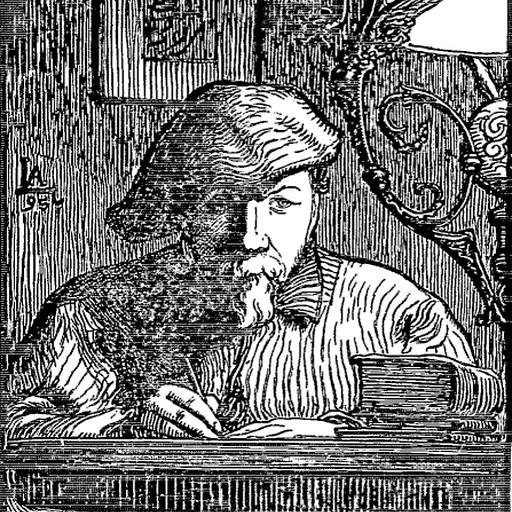
Louis-Auguste Lepère (30 November 1849 – 20 November 1918) was a French painter and etcher. Lepère is also considered a leader in the creative revival of wood engraving in Europe.