Artwork
La Petite Mare
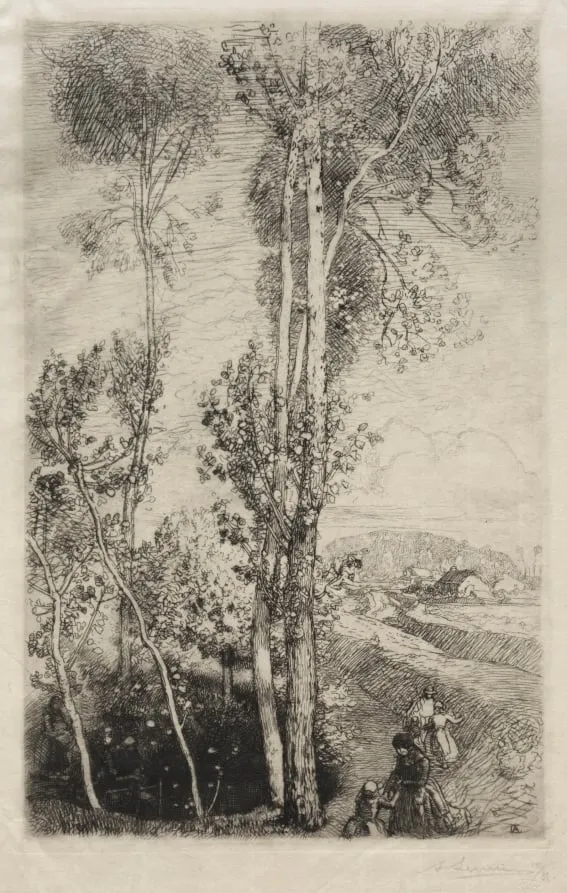
La Petite Mare is a print by Auguste Lepère. It dates from 1908 and is held in the collection of the Cleveland Museum of Art.
About this work
Overview
La Petite Mare is a wood engraving created in 1908 by Auguste Louis Lepère, a French artist instrumental in the early 20th-century revival of woodcut printing.
La Petite Mare is a wood engraving created in 1908 by Auguste Louis Lepère, a French artist instrumental in the early 20th-century revival of woodcut printing. The work captures a quiet rural landscape at twilight, rendered with meticulous line work that emphasizes subtle contrasts between light and shadow. It resides in the collection of The Cleveland Museum of Art, reflecting Lepère’s role in elevating printmaking as a serious artistic medium.
Subject & Meaning
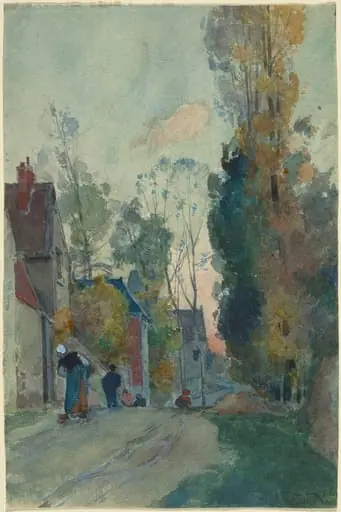
The scene depicts a solitary figure walking along a path at dusk, carrying an object over their shoulder, suggesting a quiet return from daily labor. Bare or budding trees frame the foreground, while distant buildings glow faintly against a darkening sky. The composition evokes stillness and solitude, inviting contemplation of rural life’s rhythms without narrative or drama, focusing instead on the quiet dignity of everyday movement.
Technique & Style
Lepère employed fine, controlled lines in wood engraving to model form and atmosphere, using density and spacing to suggest depth and fading light. The chiaroscuro effect is achieved not through wash or tone, but through the precision of incised marks, creating a sense of quiet luminosity. The technique demands patience and skill, aligning with Lepère’s broader commitment to reviving the craft’s potential for nuanced expression.
History & Provenance
Created in 1908, La Petite Mare emerged during a period when Lepère was actively promoting wood engraving as a fine art form in Europe, countering the dominance of photographic reproduction. The print entered the Cleveland Museum of Art’s collection through established acquisition channels, reflecting institutional recognition of his contributions to printmaking’s modern revival in the early 1900s.
Context
In early 20th-century France, wood engraving was being reevaluated as a legitimate artistic medium, distinct from commercial illustration. Lepère, alongside contemporaries like Félix Buhot, championed its capacity for poetic realism. La Petite Mare reflects this movement, aligning with broader European interests in rural life and the emotional resonance of natural light, away from urban modernity.
Legacy
Lepère’s work, including La Petite Mare, helped reestablish wood engraving as a vehicle for personal expression in fine art. His technical rigor and sensitivity to natural light influenced later printmakers who sought to merge craftsmanship with emotional subtlety. The print remains a quiet testament to a revived tradition, valued for its restraint and atmospheric precision rather than spectacle.
Artist & collection
Artist
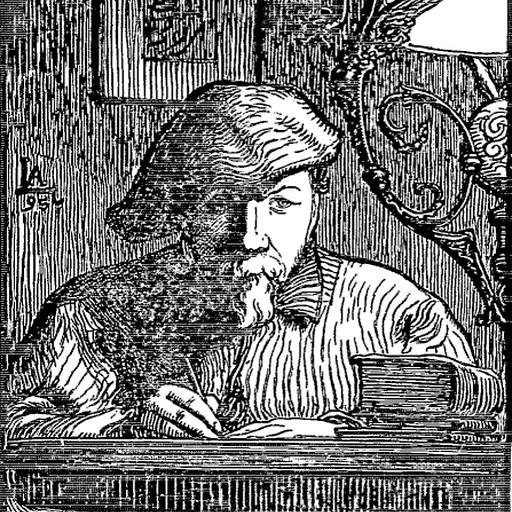
Louis-Auguste Lepère (30 November 1849 – 20 November 1918) was a French painter and etcher. Lepère is also considered a leader in the creative revival of wood engraving in Europe.

 The Reader: The Lecture under the Trees
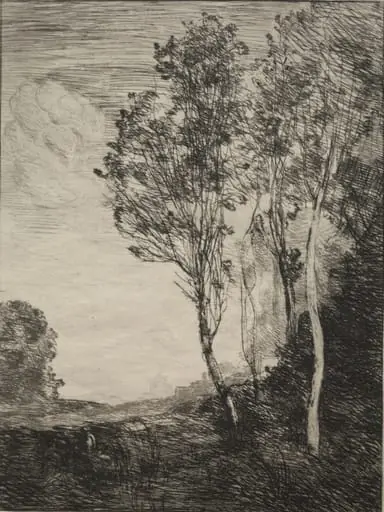 Souvenir of Italy
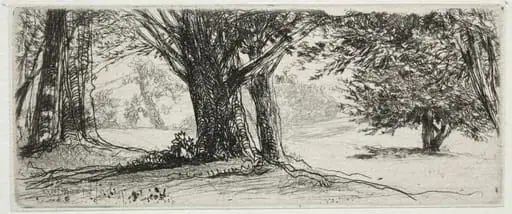 The Holly Field
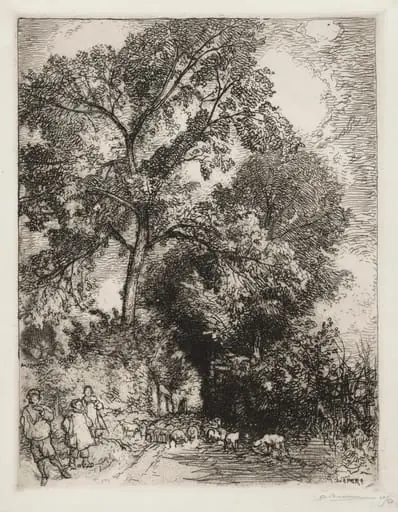 Le Retour du Troupeau, Crèvecoeur
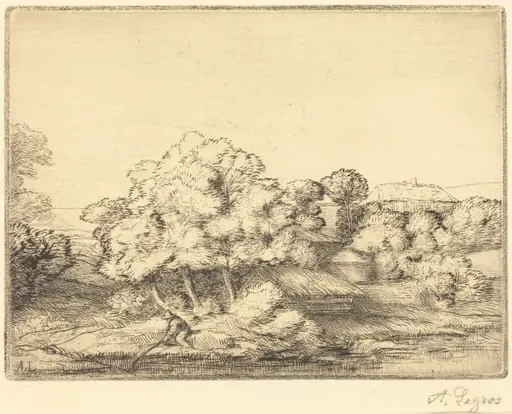 Hamlet near the Lake (Le hameau pres du lac)
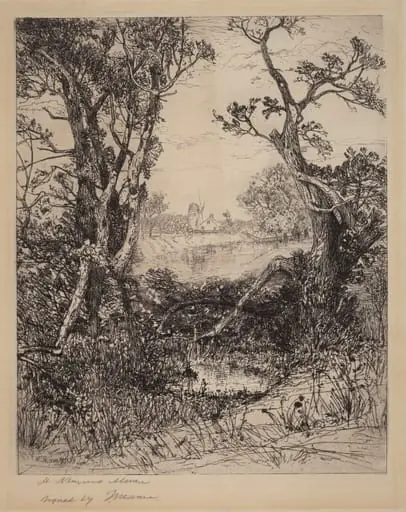 Summer—Easthampton
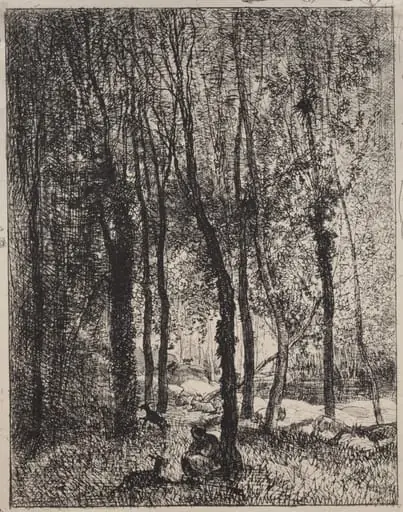 The Goatherd Girl
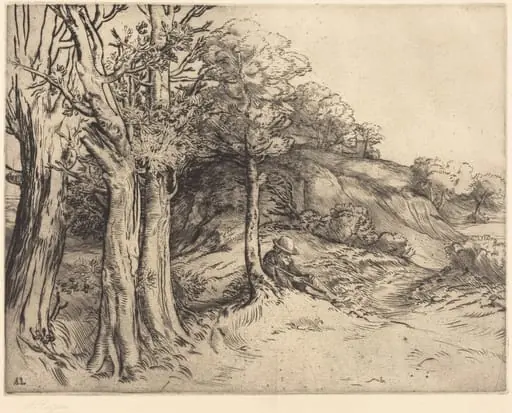 Solitude (Solitude (Paysage))
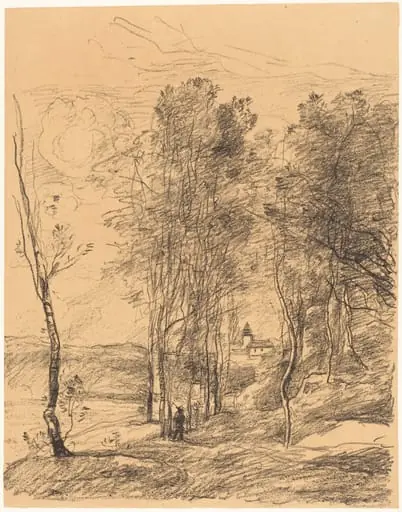 The Bell Tower of St. Nicolas-Lez-Arras (Le Clocher de St. Nicolas-Lez-Arras)
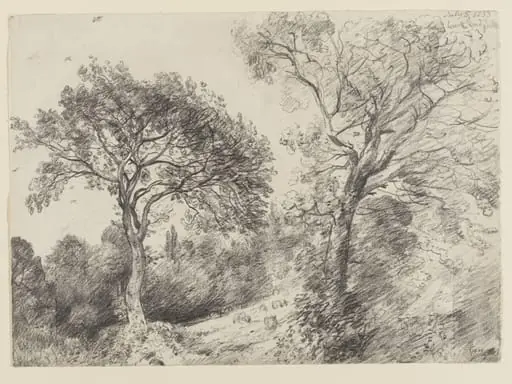 Trees in West End Fields, Hampstead
 Early Morning - Richmond
 Hamlet near the Lake (Le hameau pres du lac)