Artwork
Le Grand Duc Victor
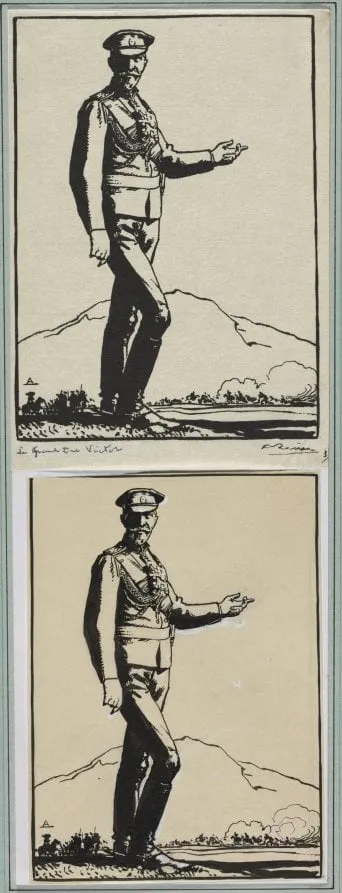
Le Grand Duc Victor is a drawing by Auguste Lepère. It dates from 1914 and is held in the collection of the Cleveland Museum of Art.
About this work
Overview
The work is part of the collection at The Cleveland Museum of Art, reflecting his interest in clear, linear composition and historical portraiture.
Created in 1914 by French artist Auguste Louis Lepère, *Le Grand Duc Victor* is a black-and-white drawing executed in bold, unmodulated lines. Lepère, recognized for his role in revitalizing wood engraving, here employs a graphic precision that emphasizes form over texture. The work is part of the collection at The Cleveland Museum of Art, reflecting his interest in clear, linear composition and historical portraiture.
Subject & Meaning
The figure depicted is a man in military attire, standing rigidly with one hand raised, as if issuing a command. The title identifies him as Grand Duke Victor, suggesting a noble or royal military figure. The absence of specific identifiers leaves his identity open, but the posture conveys authority and stillness. The sparse background implies a landscape of transition, perhaps a moment before movement or action.
Technique & Style
Lepère uses clean, unshaded lines to define form, avoiding tonal gradations or cross-hatching. The drawing’s stark contrast between figure and ground relies on contour and negative space rather than light and shadow. This approach aligns with his broader practice in wood engraving, where clarity and precision were paramount. The style is deliberate and restrained, prioritizing structural clarity over atmospheric effect.
History & Provenance
The drawing was completed in 1914, near the end of Lepère’s career, during a period when he was deeply engaged with printmaking revival movements in Europe. It entered the collection of The Cleveland Museum of Art at an unknown date, likely through acquisition or donation. No record of prior ownership or exhibition history is widely documented, but its presence in the museum underscores its significance in his graphic oeuvre.
Context
Lepère worked at a time when traditional printmaking techniques were being reevaluated in response to industrialization and modernist trends. His focus on wood engraving positioned him as a bridge between 19th-century craftsmanship and early 20th-century graphic design. *Le Grand Duc Victor* reflects this context: a formal, almost archaic subject rendered with modernist economy, echoing broader cultural interest in historical authority amid political upheaval.
Legacy
Though not among Lepère’s most widely reproduced works, *Le Grand Duc Victor* exemplifies his commitment to line as a primary expressive tool. It contributes to his reputation as a key figure in the European revival of wood engraving, influencing later artists who valued clarity and restraint in graphic art. The drawing remains a quiet testament to his technical discipline and historical sensibility.
Artist & collection
Artist
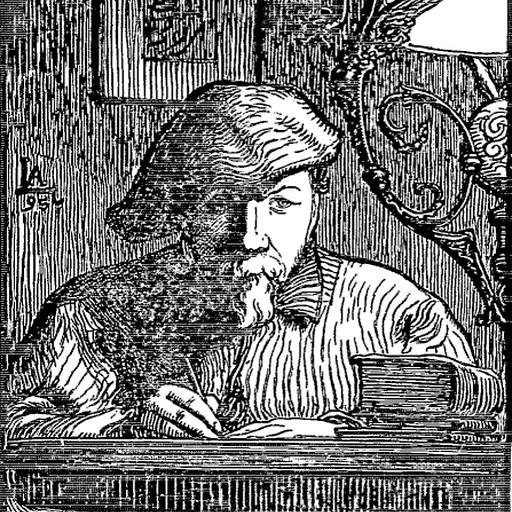
Louis-Auguste Lepère (30 November 1849 – 20 November 1918) was a French painter and etcher. Lepère is also considered a leader in the creative revival of wood engraving in Europe.

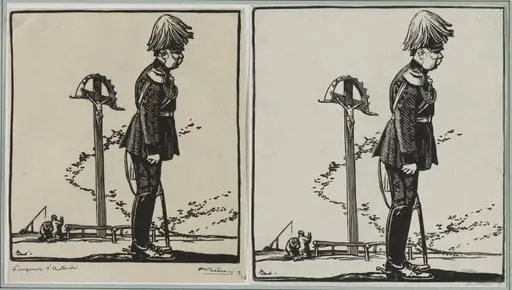 L'Empereur d'Autriche
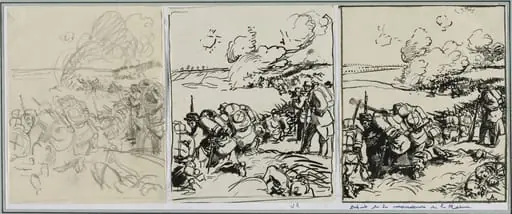 Dêbut de la manoeuvre de la Marne
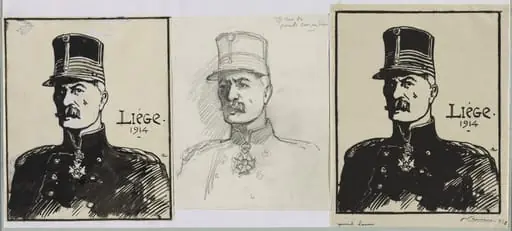 Général Leman
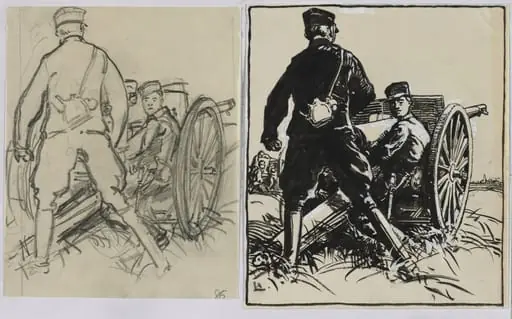 Artillelurs belges
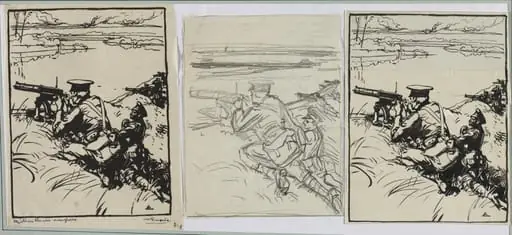 Mitrailleurs anglais
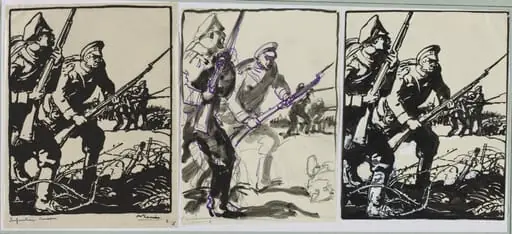 Infanterie russe
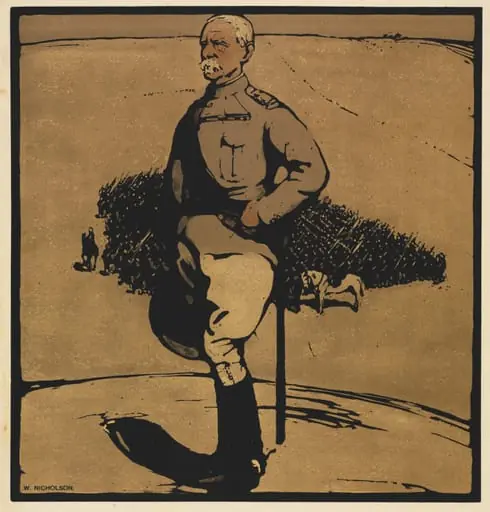 Twelve Portraits: Lord Roberts
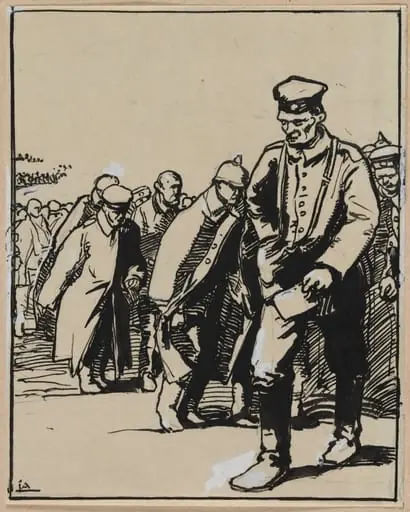 Marche d'un groupe de prisonniers allemands
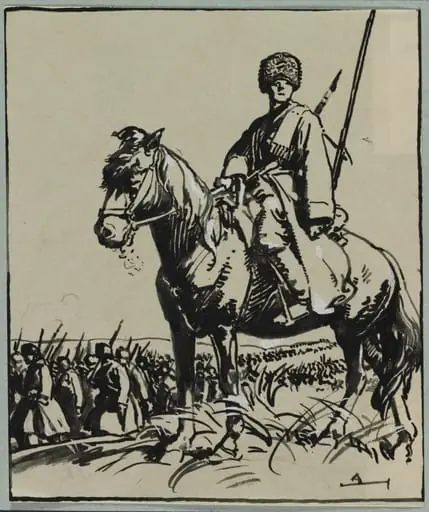 Officier de Cosaques
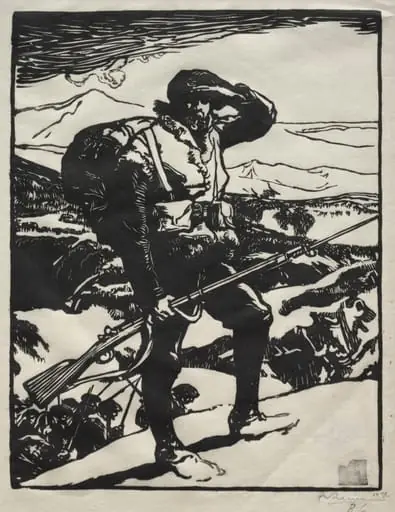 Chasseur Alpin Regardant La Plaine Du Rhin
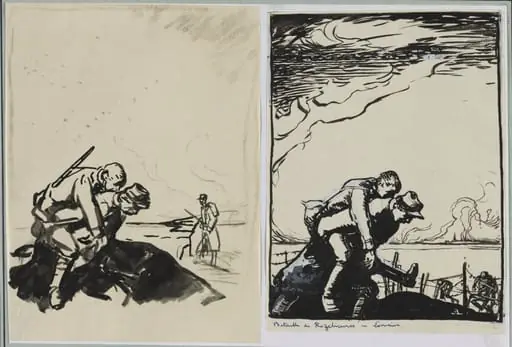 Bataille de Rozelieures en Lorraine
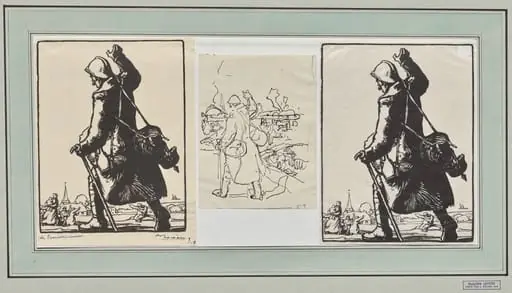 Le Permissionnaire