Artwork
Speculum Romanae Magnificentiae (Mirror of Roman Magnificence)
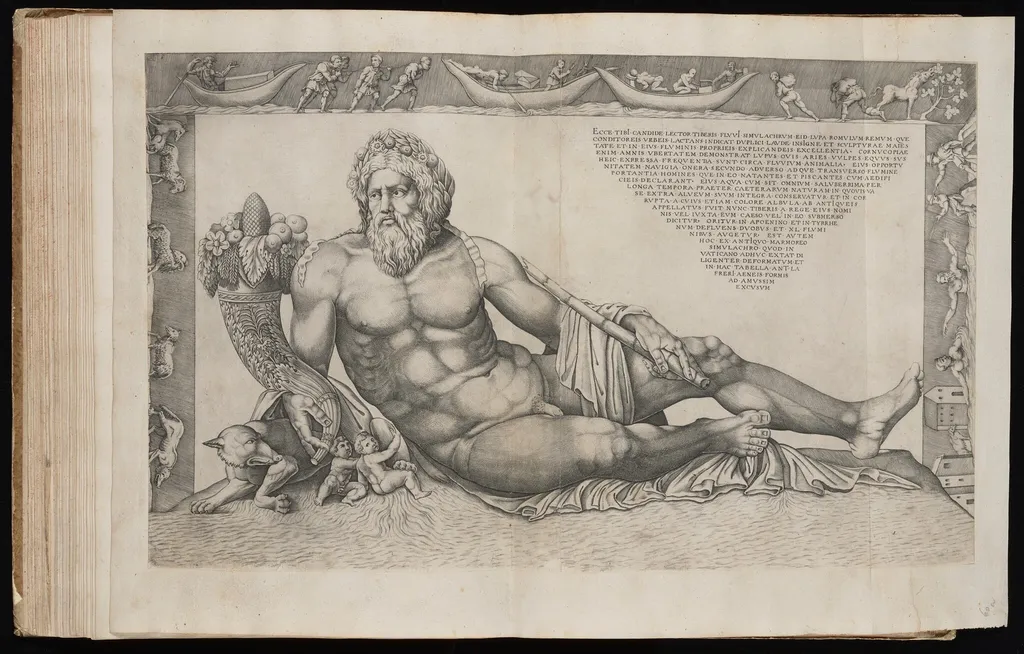
Speculum Romanae Magnificentiae (Mirror of Roman Magnificence) is an ink print by the Renaissance artist Nicolas Beatrizet. It dates from 1544 and is held in the collection of the National Gallery of Art.
About this work
Overview
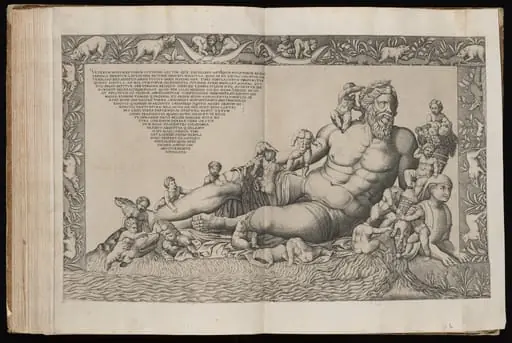
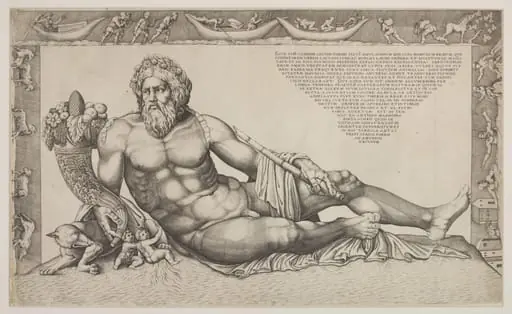
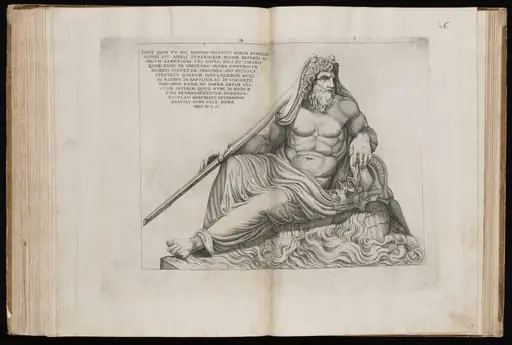
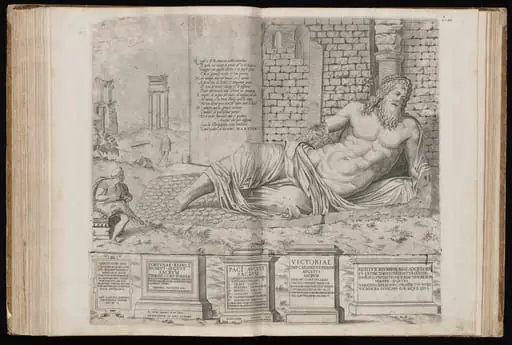
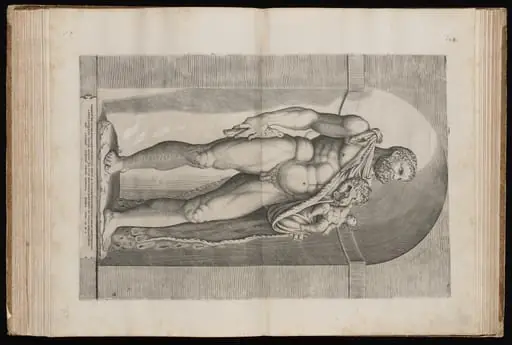
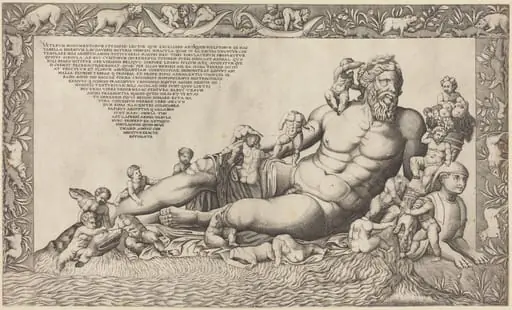
Nicolas Beatrizet’s 1544 engraving, titled *Speculum Romanae Magnificentiae*, presents a seated, bearded figure of considerable stature. He is crowned, draped with a cloth, and rests upon a fur rug while holding a horn brimming with fruit and blossoms. At his feet a small cherubic figure and a dog complete the composition, lending a narrative richness to the scene.
Subject & Meaning
The central male figure embodies an ideal of strength and authority, suggested by his muscular build and solemn expression. The horn overflowing with fruit and flowers may symbolize abundance and the bounty of the Roman Empire, while the cherub and canine introduce elements of innocence and loyalty, reinforcing themes of power coupled with civic virtue.
Technique & Style
Executed with fine, intersecting lines, the engraving demonstrates Beatrizet’s skill in rendering texture— from the softness of the fur to the delicate petals within the horn. The intricate hatching creates a sense of depth and volume, while the careful delineation of facial features and drapery reflects the Northern Renaissance’s attention to detail and realism.
History & Provenance
Created in the mid‑sixteenth century, this print belongs to a series also named *Speculum Romanae Magnificentiae*, intended to celebrate Rome’s grandeur. Though specific ownership records are scarce, the work has been preserved in several European print collections, attesting to its circulation among collectors interested in depictions of classical grandeur during the Renaissance.
Artist & collection


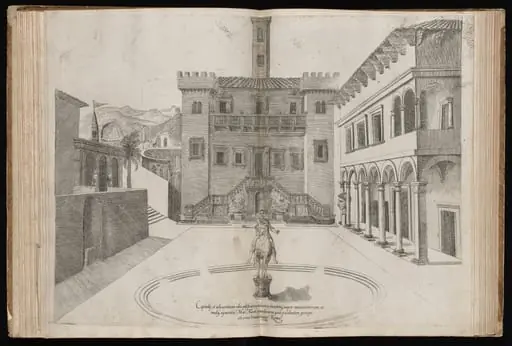
![Castello S. Angelo di Roma [Castel Sant'Angelo in Rome], by Nicolas Beatrizet](https://artifactworldgallery.com/img/nicolas-beatrizet--castello-s-angelo-di-roma-castel-sant-angelo-in-rome--6c77d3bfe127c436-w320.webp)
![Pantheum Romanum [The Roman Pantheon], by Nicolas Beatrizet](https://artifactworldgallery.com/img/nicolas-beatrizet--pantheum-romanum-the-roman-pantheon--8069db7dd8e6f190-w320.webp)