Artwork
Emperor Charles V
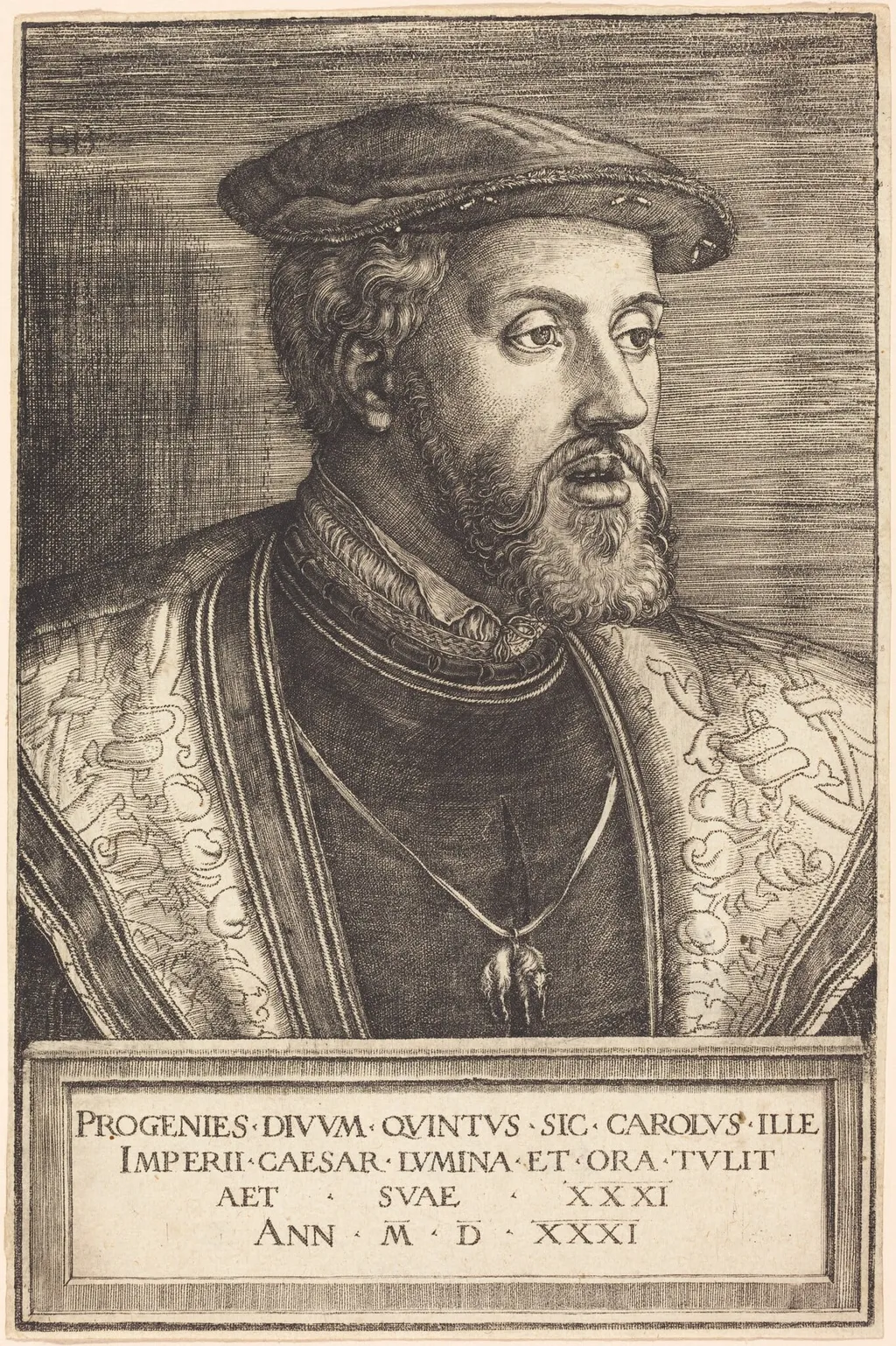
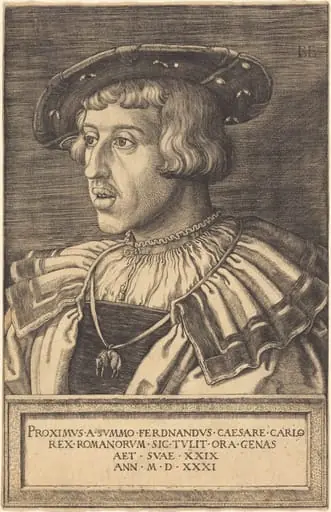
Emperor Charles V is an ink print by the Renaissance artist Barthel Beham. It dates from 1531 and is held in the collection of the National Gallery of Art.
About this work
Overview
As a print made through incised lines on a metal plate, the work reflects the technical rigor of Renaissance engraving.
Created in 1531, this engraving by Barthel Beham depicts Emperor Charles V on laid paper. As a print made through incised lines on a metal plate, the work reflects the technical rigor of Renaissance engraving. Its small scale and intricate detail suggest it was intended for private collectors rather than public display, aligning with the era’s growing market for portable, finely crafted portraits.
Subject & Meaning
Charles V, Holy Roman Emperor and ruler of vast European territories, is portrayed in formal attire with a composed, unsmiling gaze. The image conveys authority through restraint, avoiding overt symbolism in favor of dignified realism. His clothing—richly rendered but unadorned with crowns or regalia—emphasizes personal presence over imperial spectacle, reflecting a shift toward individualized portraiture in early 16th-century print culture.
Technique & Style
Beham employed fine-line engraving to capture minute textures in fabric, hair, and facial features. The precision required—using a burin to carve lines into copper—demanded steady hands and deep familiarity with the medium. His style favors controlled, linear precision over atmospheric effects, characteristic of the Nuremberg school’s emphasis on draftsmanship and technical mastery in small-format prints.
History & Provenance
The print was produced during Charles V’s reign, likely for distribution among courtiers and humanist circles. Few early impressions survive, and those that do are held in major European print collections. Its circulation reflects the role of engraving as a tool for political image-making, allowing the emperor’s likeness to be replicated and disseminated across regions without direct access to the court.
Context
In the early 1530s, engraving was a primary medium for disseminating portraits of rulers, especially as printing technology expanded. Beham, part of a family of Nuremberg artists, contributed to a tradition of detailed, intimate portraiture that contrasted with larger-scale paintings. This work aligns with broader trends in Northern Renaissance printmaking, where technical skill and intellectual refinement were prized.
Legacy
Beham’s engraving of Charles V exemplifies the potential of print to convey authority through subtlety. While not widely reproduced in later centuries, it remains a reference for studies on the intersection of portraiture, political identity, and print technology. Its survival in institutional collections underscores its value as a document of early modern visual culture and artisanal precision.
Artist & collection

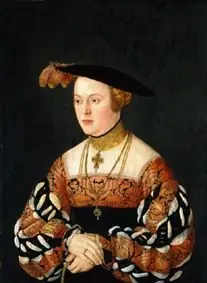 Portrait of Marie of Baden
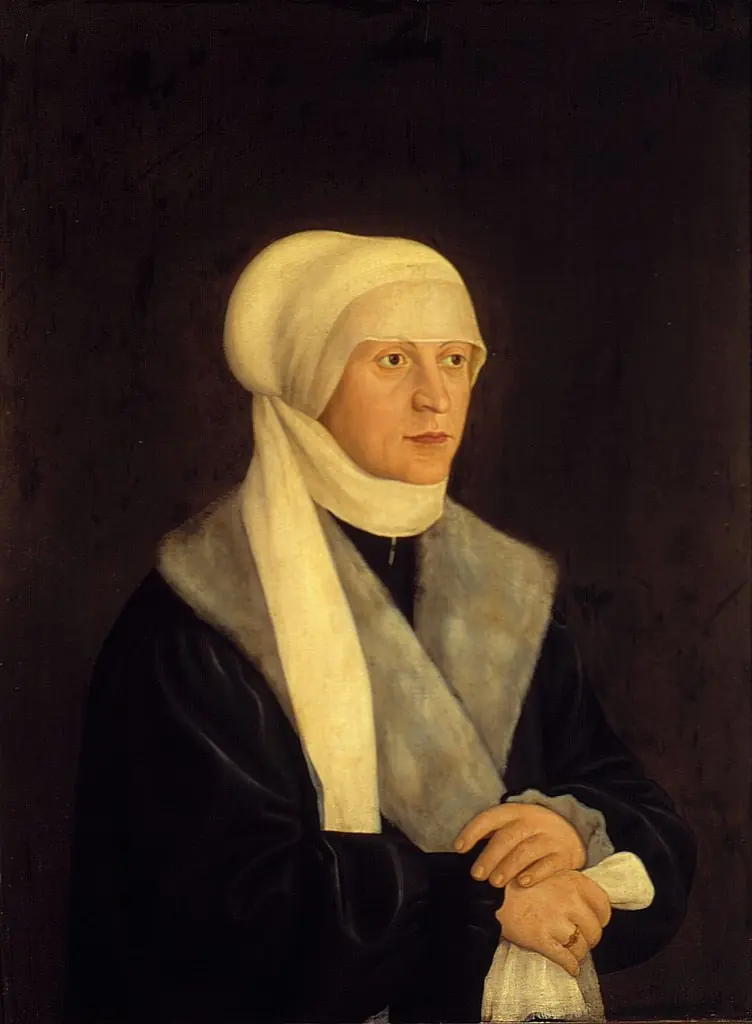 Portrait of Sabina of Bavaria
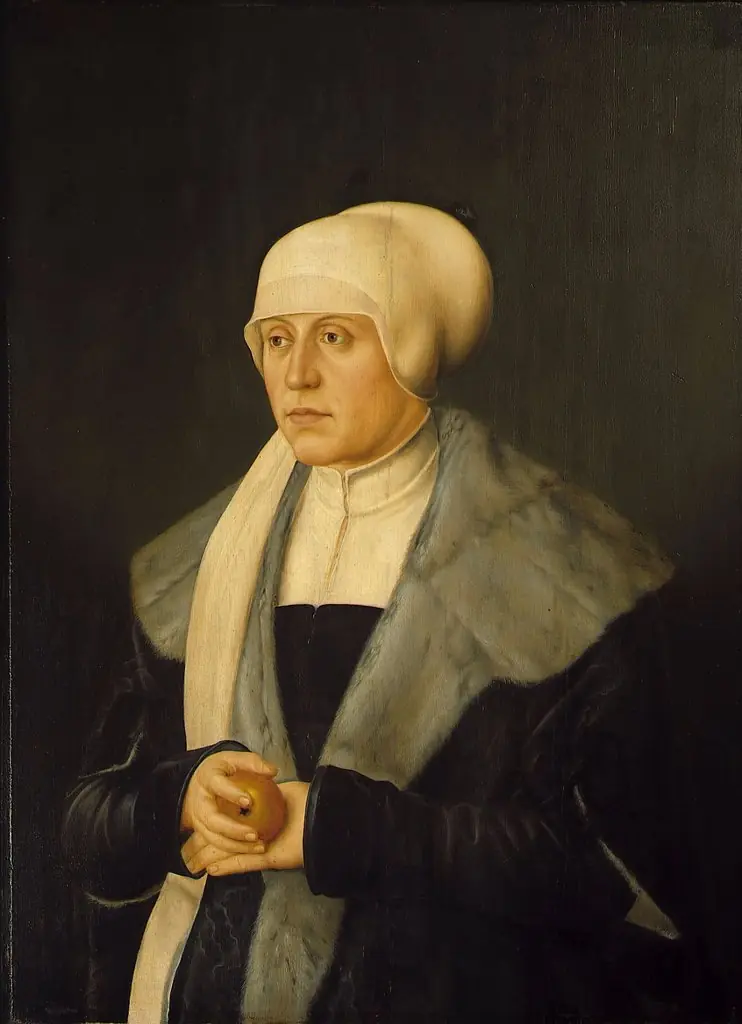 Kunigunde of Austria, wife of Duke Albrecht IV of Bavaria
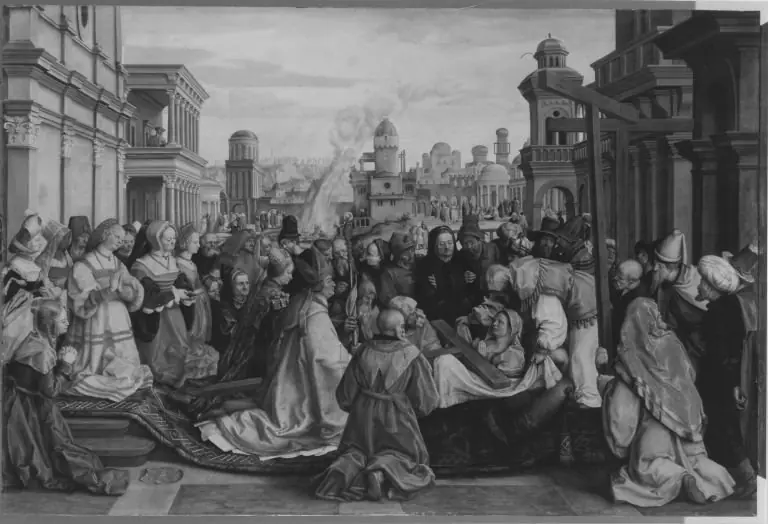 Historienzyklus: Kreuzauffindung der hl. Helena
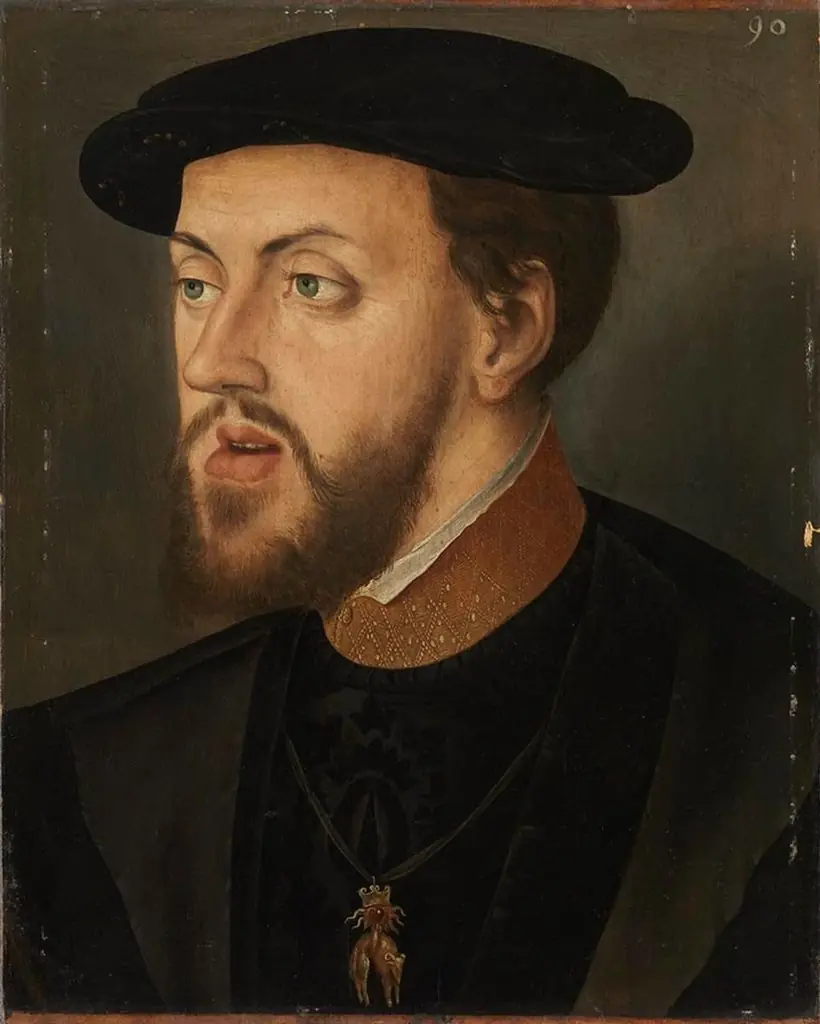 Emperor Charles V
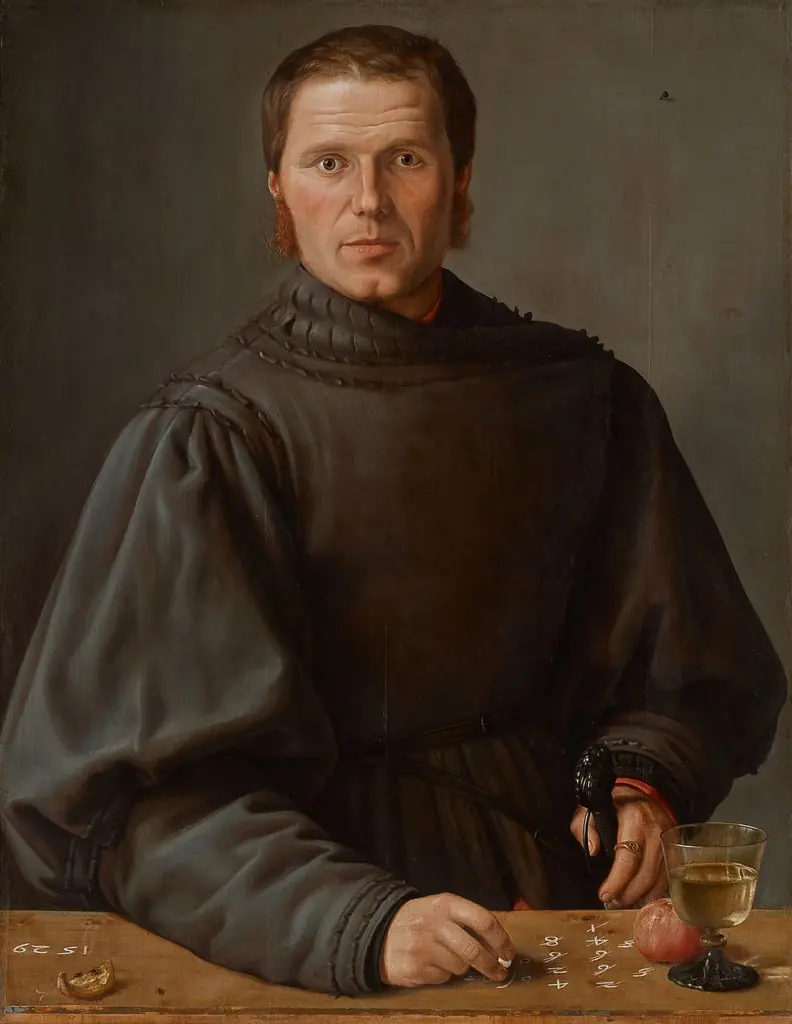 Portrait of a Man
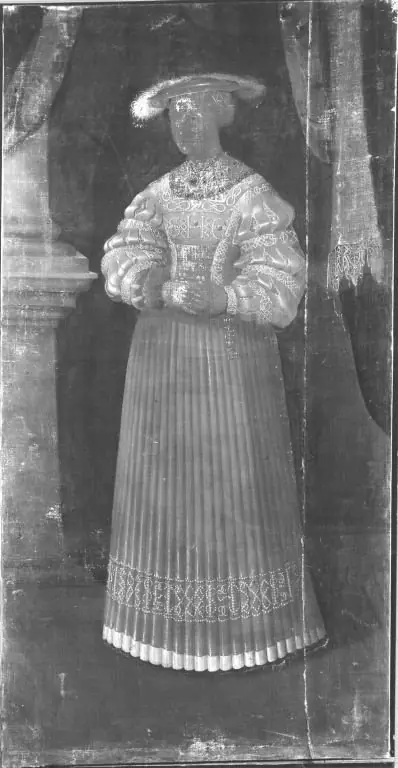 Susanna von Brandenburg, Gemahlin Ottheinrichs (Seitenverkehrte Kopie nach Inv.-Nr. 2450) (Kopie nach)
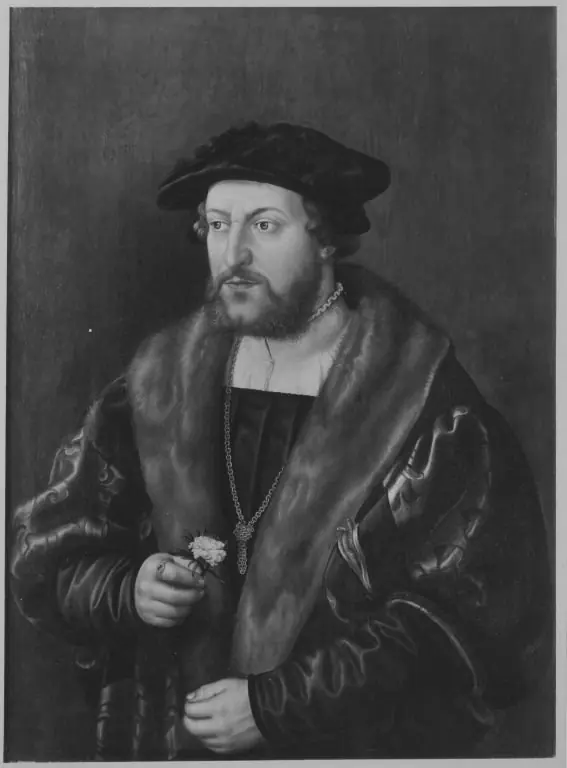 Portrait of Herzog Johann III, Paltzgraf bei Rhein (1488-1538)