Artwork
Peasants' Feast
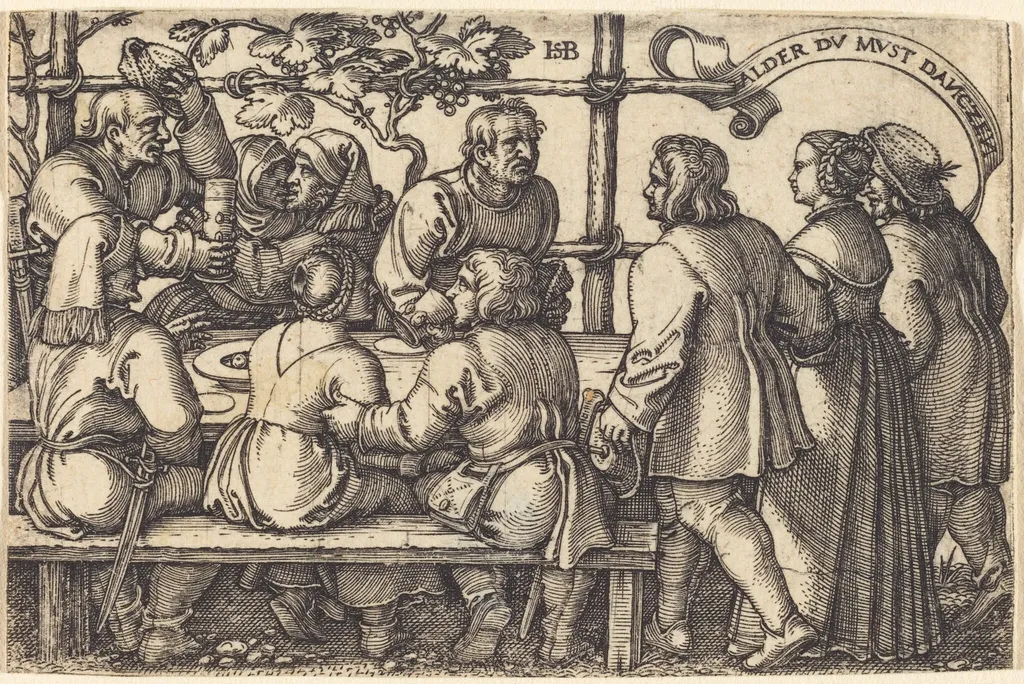
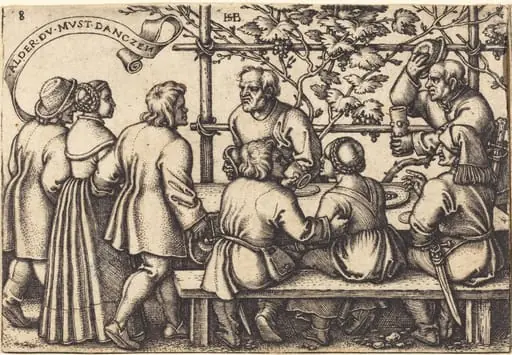
Peasants' Feast is an ink print by the Renaissance artist Sebald Beham. It dates from 1525 and is held in the collection of the National Gallery of Art.
About this work
Overview
Sebald Beham’s 1525 engraving titled *Peasants’ Feast* presents a bustling interior scene in which a group of rustic figures gather around a laden table. The composition is densely populated, with diners and onlookers engaged in conversation, drinking, and eating, conveying a vivid sense of communal activity within a confined space.
Subject & Meaning
The work depicts a celebratory meal among lower‑status individuals, emphasizing the vitality of everyday life rather than idealized courtly banquets. By focusing on varied expressions and gestures, the print suggests a moment of shared enjoyment and social interaction, offering insight into contemporary attitudes toward peasant culture.
Technique & Style
Executed in fine line engraving, Beham achieves intricate texture through cross‑hatching and delicate strokes that delineate clothing, facial features, and the abundance of food. The miniature scale demands precise control, allowing subtle gradations of tone that create depth and a tangible sense of space despite the monochrome medium.
History & Provenance
Born in Nuremberg, Beham belonged to the group known as the “Little Masters,” artists who specialized in small, highly detailed prints after the influence of Albrecht Dürer. After establishing his reputation in Nuremberg, he spent his later years working in Frankfurt, where this print was likely produced and circulated among collectors of the period.
Context
The engraving reflects the broader trends of early 16th‑century German printmaking, where the rise of a market for affordable, portable artworks encouraged artists to explore narrative scenes on a reduced scale. Beham’s focus on everyday subjects aligns with the humanist interest in depicting the lives of ordinary people.
Artist & collection
Artist
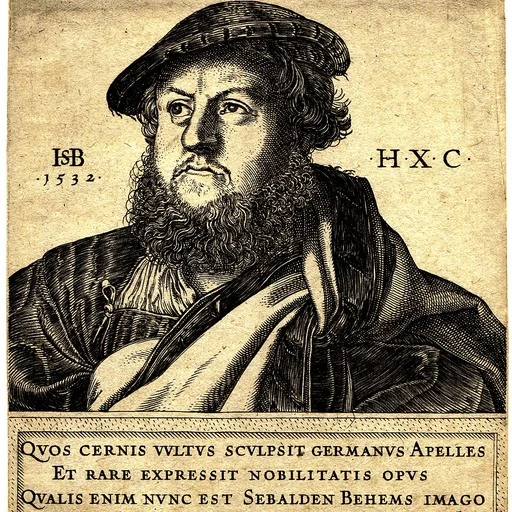
Sebald Beham (1500–1550) was a German painter and printmaker, mainly known for his very small engravings.


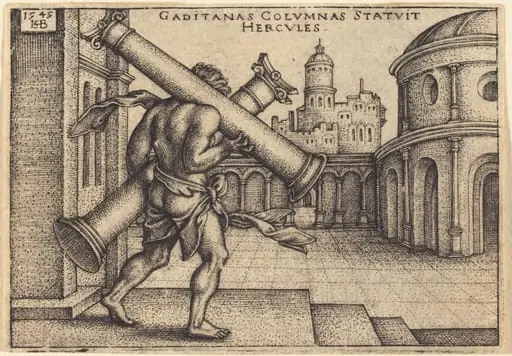
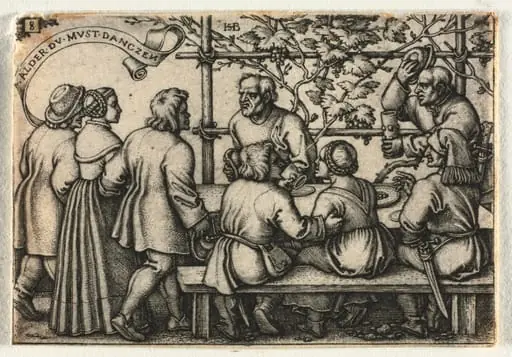 The Peasant Wedding or the Twelve Months: No. 8
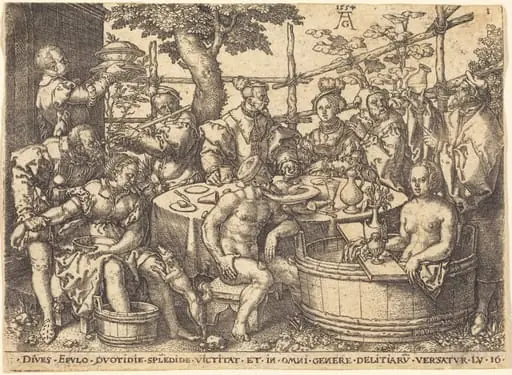 The Rich Man at the Table
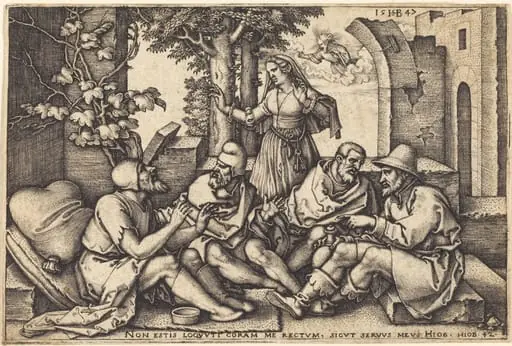 Job Conversing with His Friends
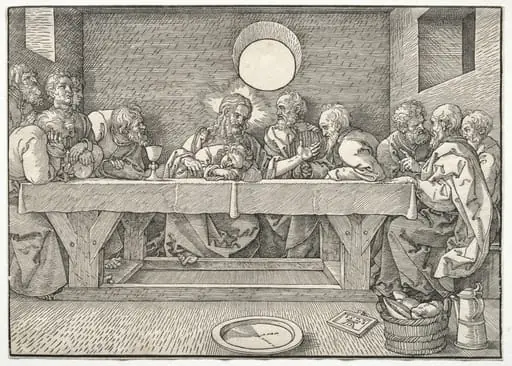 The Last Supper
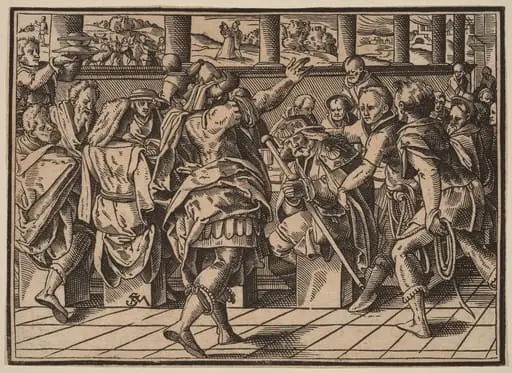 The Martyrdom of Saint James (?)
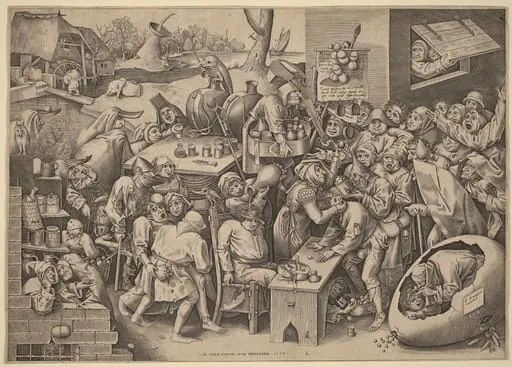 The Witch of Malleghem
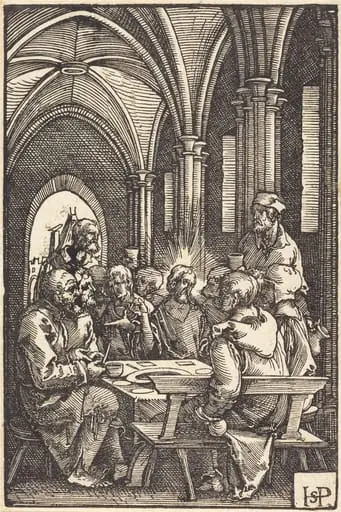 The Last Supper
 The Thin Kitchen
 Christ at the Table of Simon the Pharisee
 Traffic in Indulgences
 Exempel und Lehr Jetziger Welt Lauf
 Peasants' Feast