Artwork
Morphine Addicts (Morphinomanes)
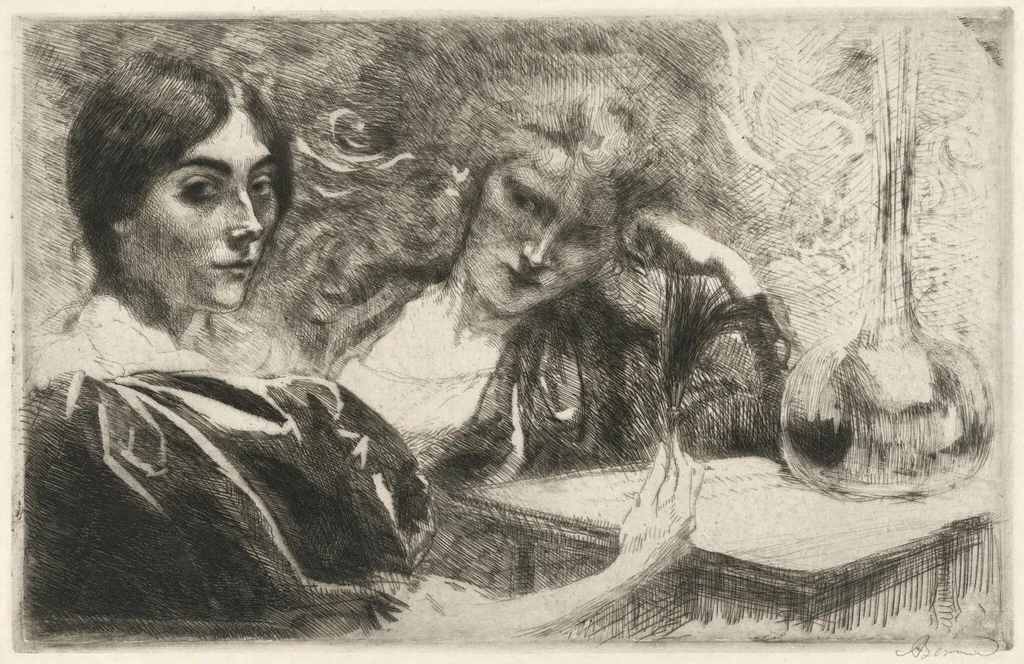
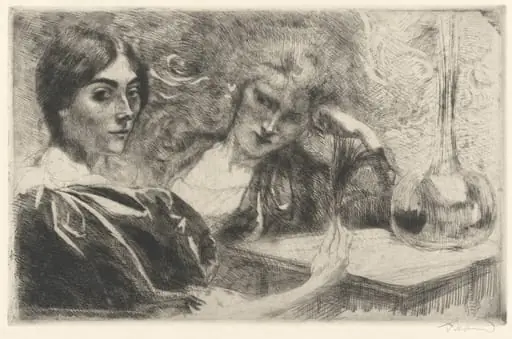
Morphine Addicts (Morphinomanes) is an ink print by the Impressionist artist Paul-Albert Besnard. It dates from 1887 and is held in the collection of the National Gallery of Art.
About this work
Overview
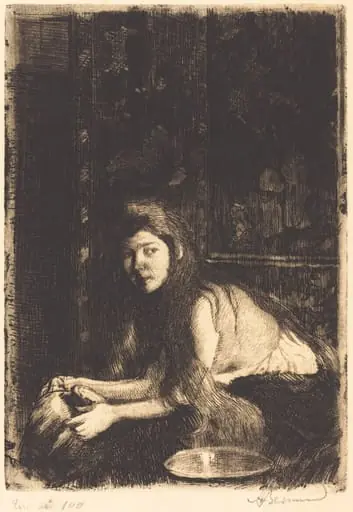
Albert Besnard’s 1887 etching titled “Morphine Addicts (Morphinomanes)” presents a stark interior scene rendered on wove paper. The composition features two figures reclined on a blurred surface that suggests a bed or couch, rendered in uneven, scratchy lines that convey a sense of immediacy and incompleteness.
Subject & Meaning
One figure lies in a state of sleep or unconsciousness, while the other, a pale‑faced woman with dark hair, sits upright, her gaze directed toward the viewer. Her expression appears weary and concerned, hinting at the physical and psychological toll of morphine dependence.
Technique & Style
The work employs the etching process, in which Besnard incised lines into a metal plate before printing onto paper. The resulting marks are irregular and loosely drawn, emphasizing texture and a raw, unfinished quality that reinforces the work’s somber theme.
History & Provenance
Created in the late nineteenth century, the print reflects contemporary anxieties about drug addiction. While specific ownership records are limited, the piece is catalogued among Besnard’s early prints, marking his engagement with socially charged subjects before his later shift toward decorative and allegorical motifs.
Artist & collection
Artist
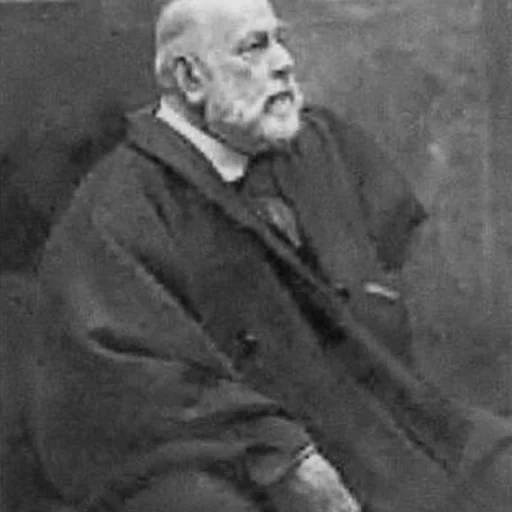
Paul-Albert Besnard (1849–1934) was a French artist, born in 7th arrondissement of Paris.

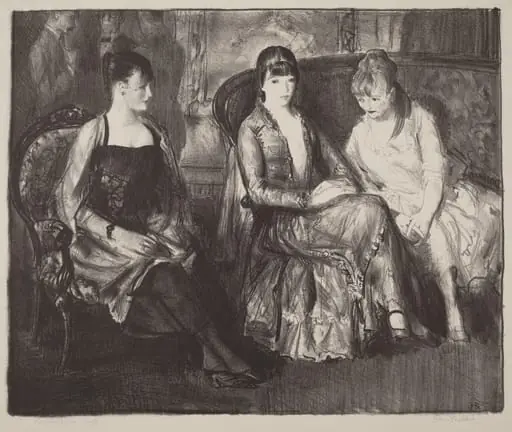 Elsie, Emma and Marjorie, second stone
 Woman with a Vase (La femme au vase)
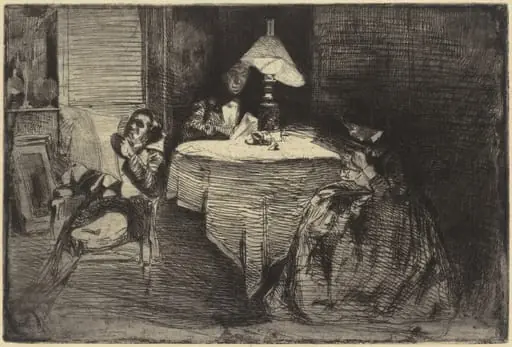 The Music-Room
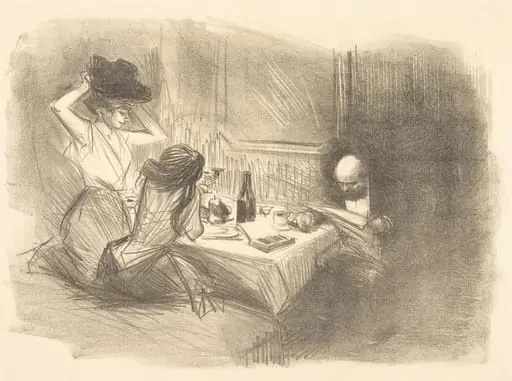 Le cabinet particulier (5e planche) (The Private Room) (fifth plate)
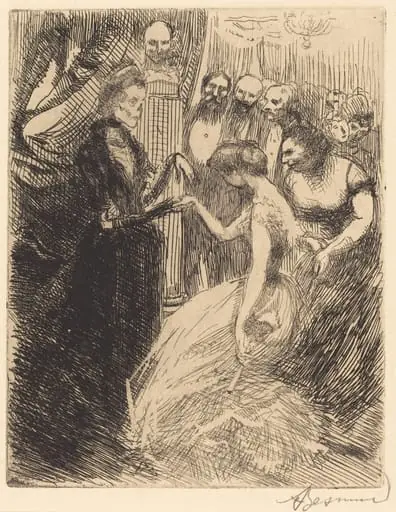 The Presentation (La présentation)
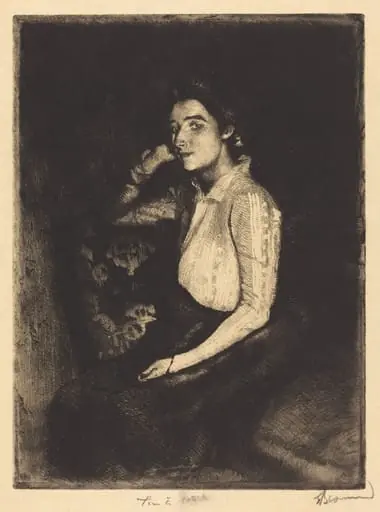 La Biarrote
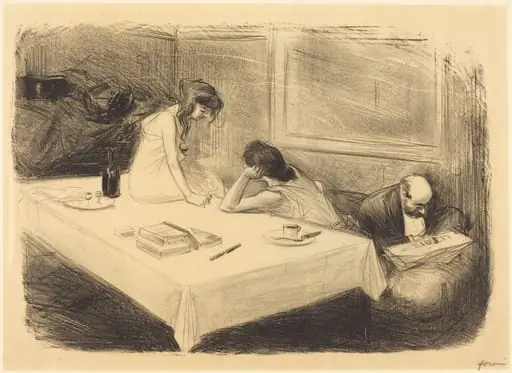 Le cabinet particulier (1ère planche) (The Private Room) (first plate)
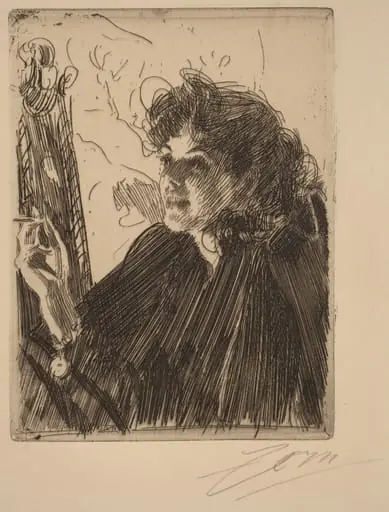 Girl with a Cigarette II
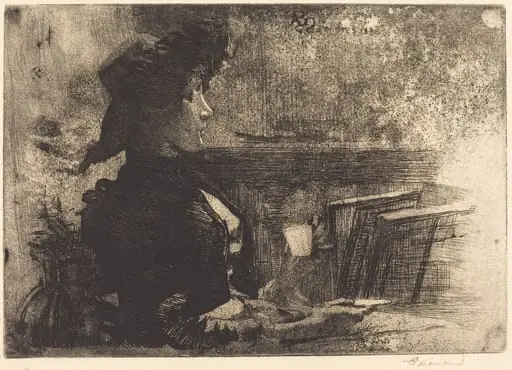 The Cup of Tea (La tasse de thé)
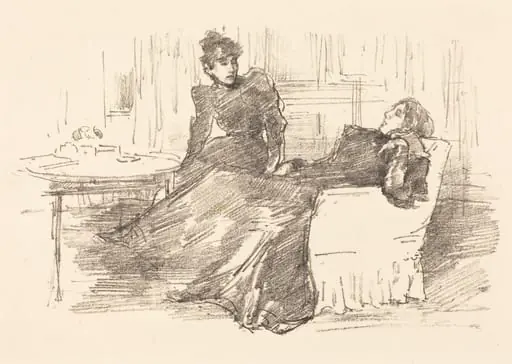 The Sisters
 The Embroideres (Les Brodeuses),
 Morphine Addicts (Morphinomanes)