Artwork
Hieronymus van Beverningk
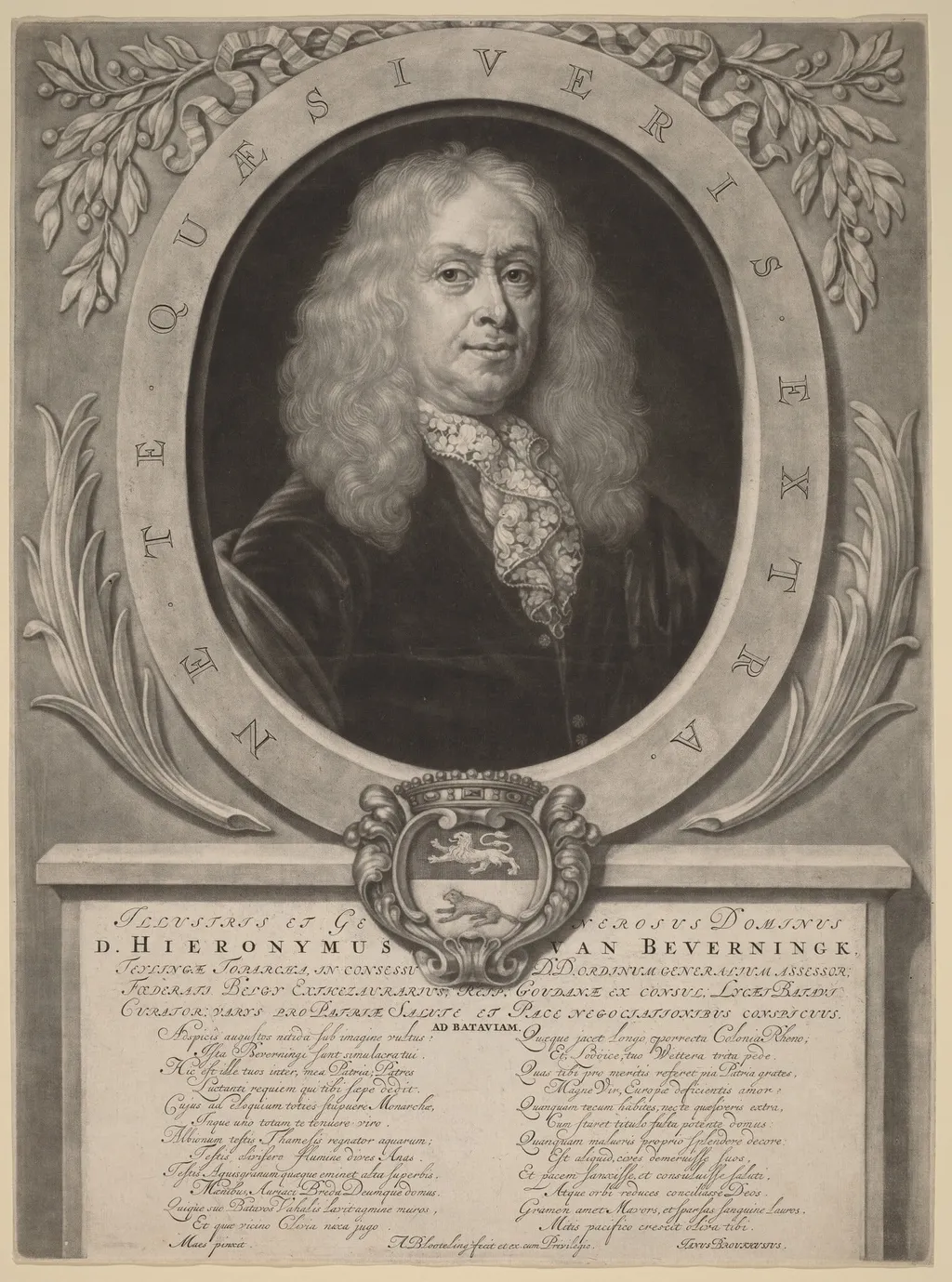
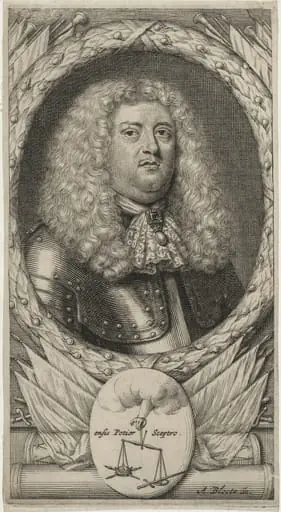
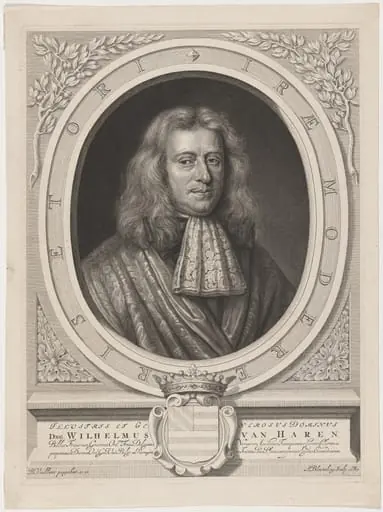
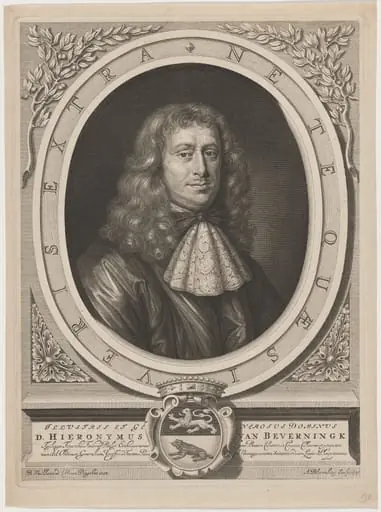
Hieronymus van Beverningk is an ink print by the Baroque artist Abraham Blooteling. It dates from 1665 and is held in the collection of the National Gallery of Art.
About this work
Overview
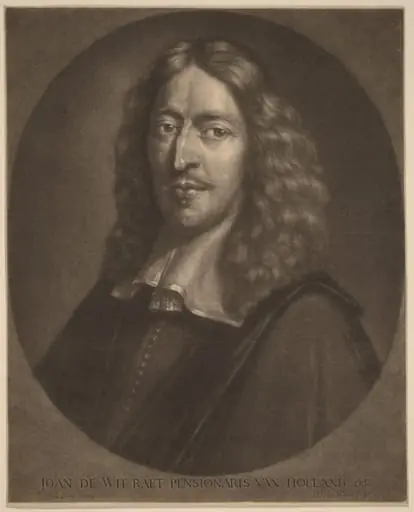
Abraham Blooteling’s 1665 mezzotint presents a portrait of the Dutch merchant Hieronymus van Beverningk. Rendered in a single plate, the image focuses on the sitter’s face, set against a dark, unadorned background. The composition is bounded by an oval frame that is embellished with a modest foliage motif, directing attention to the central figure.
Subject & Meaning
The subject is depicted with long, wavy hair and a dark, finely detailed jacket, his gaze meeting the viewer directly. His solemn expression and the restrained elegance of his attire suggest a self‑presentation of dignity and professional stature, typical of 17th‑century Dutch portraiture that emphasized personal reputation.
Technique & Style
Executed in mezzotint, Blooteling exploits the medium’s capacity for subtle tonal gradations. By varying the density of the ground and the depth of the burin’s incisions, he creates a pronounced chiaroscuro that models the face and folds of the clothing, imparting a three‑dimensional presence within the flat surface.
History & Provenance
The print was produced in the Dutch Republic during the mid‑1660s, a period when Blooteling was active as a leading engraver. It likely circulated among van Beverningk’s acquaintances and business contacts, serving both as a personal likeness and as a means of reinforcing his social identity. The plate’s survival attests to its continued appreciation among collectors of early modern prints.
Artist & collection