Artwork
John Tillotson
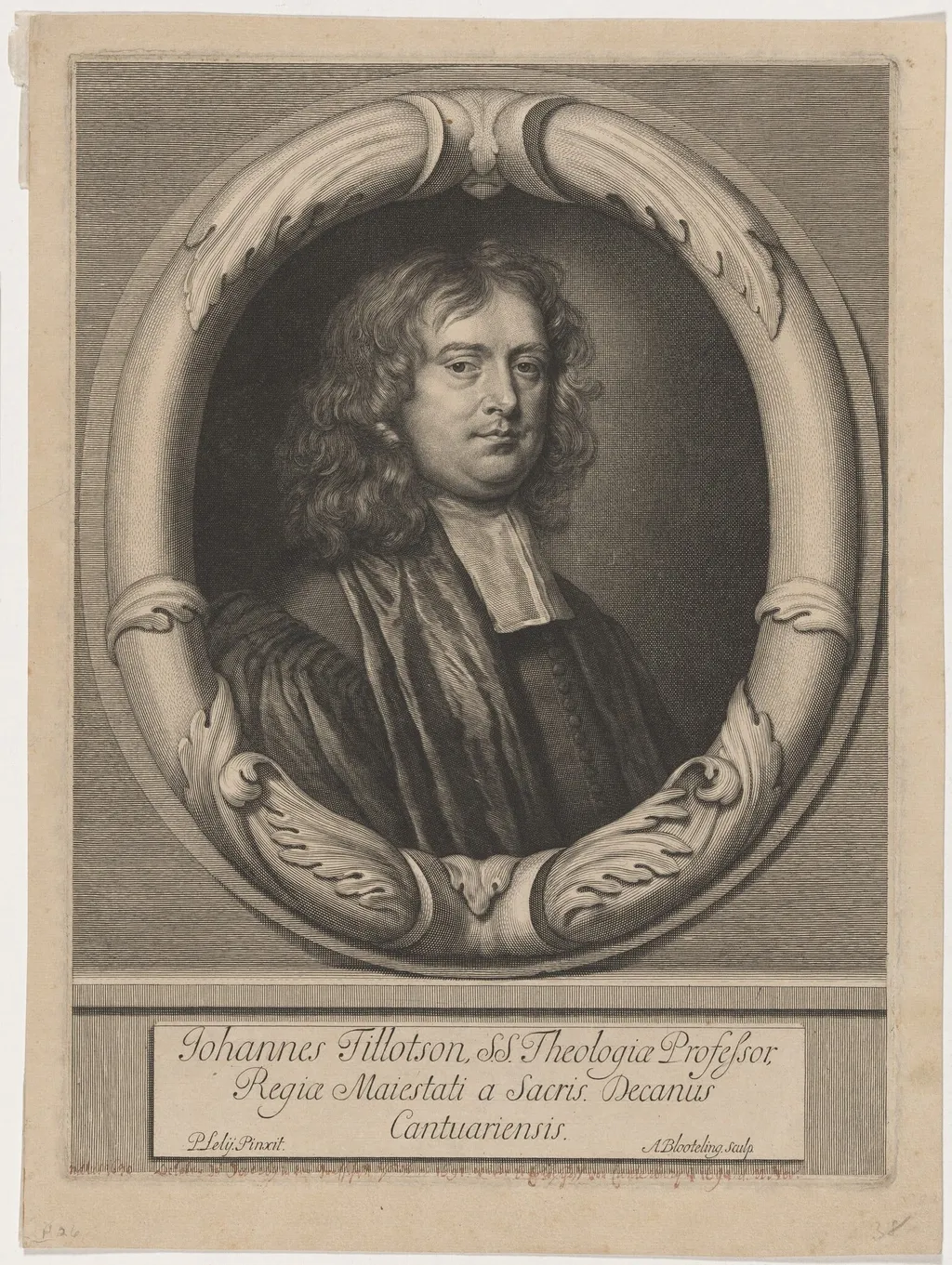
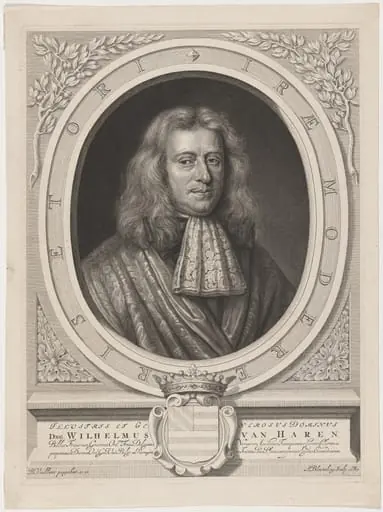
John Tillotson is an ink print by the Baroque artist Abraham Blooteling. It dates from 1665 and is held in the collection of the National Gallery of Art.
About this work
Overview
As a print, it was likely intended for wider distribution, reflecting the era’s interest in portraiture as a medium of public recognition.
This black-and-white engraving, produced in 1665 by Abraham Blooteling, depicts John Tillotson, a prominent Anglican clergyman. Executed with fine linear precision, the portrait emphasizes facial expression and textual detail in fabric and hair. The dark, unmodeled background isolates the figure, directing attention to his likeness. As a print, it was likely intended for wider distribution, reflecting the era’s interest in portraiture as a medium of public recognition.
Subject & Meaning
John Tillotson, Archbishop of Canterbury from 1691, was known for his sermons and reformist theology. This portrait captures him in middle age, his gaze direct and composed, conveying intellectual authority and quiet conviction. The elaborate white collar and dark robe signify his ecclesiastical rank, while the curling hair and naturalistic rendering suggest a move toward individualized representation rather than idealized form. The image functions as both likeness and emblem of clerical dignity.
Technique & Style
Blooteling employed fine, controlled etching lines to model volume and texture, particularly in the subject’s hair and lace collar. The contrast between the dark robe and pale collar enhances three-dimensionality, while subtle hatching defines facial planes. The style reflects Dutch engraving traditions of the mid-17th century, where precision and tonal gradation were valued over dramatic flair. The work avoids overt ornamentation, favoring clarity and psychological presence.
History & Provenance
Created in 1665, the engraving predates Tillotson’s elevation to archbishop but aligns with his rising reputation as a preacher. Blooteling, a Dutch artist active in England, specialized in portrait engravings of notable figures. The print was likely commissioned or circulated among religious and intellectual circles. Its survival in multiple institutional collections suggests early and sustained interest in Tillotson’s public image, preserved through reproduction.
Context
In mid-17th-century England, print culture flourished as a means of disseminating images of religious and political leaders. Engravings like this one served to reinforce authority and identity beyond the confines of the church. Blooteling’s work fits within a broader trend of portraiture that emphasized realism and personal character, influenced by Dutch and Flemish models, and aligned with the intellectual climate of post-Civil War Anglicanism.
Legacy
Though not widely reproduced today, the engraving remains a key visual record of Tillotson’s appearance and the conventions of ecclesiastical portraiture in Restoration England. It exemplifies how print technology enabled the circulation of clerical authority in print form. Blooteling’s technique influenced later portrait engravers, and the image continues to be referenced in historical studies of Anglican leadership and visual culture.
Artist & collection

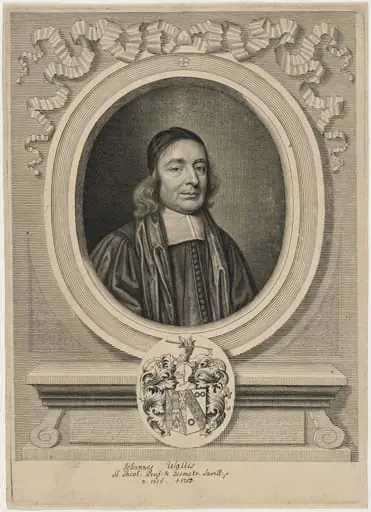 John Wallis, Mathematician
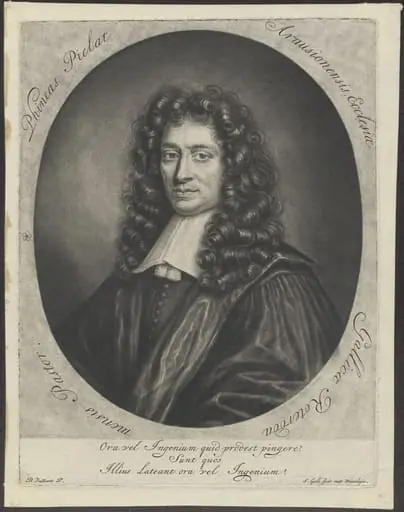 Portrait of Phinéas Piélat, Walloon minister in Rotterdam
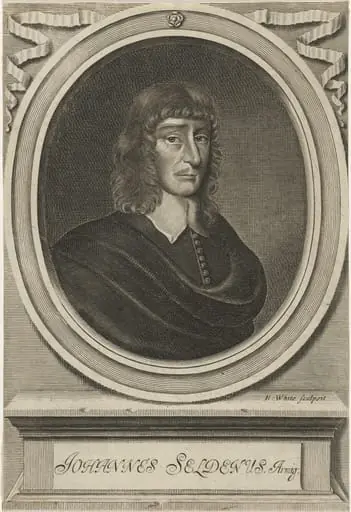 John Selden
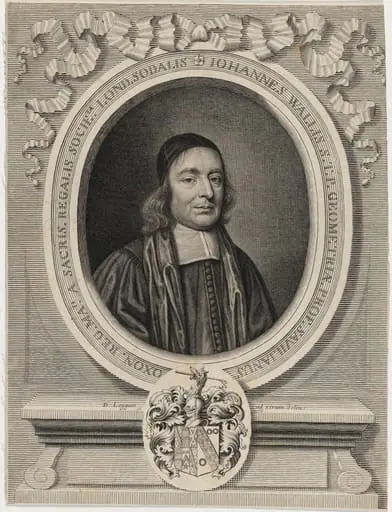 John Wallis, Mathematician
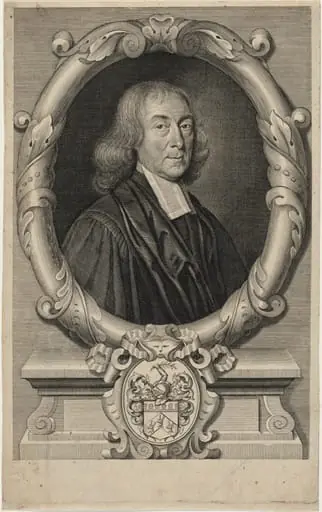 Benjamin Woodroffe, R.R.S., Canon of Christ Church, Oxford
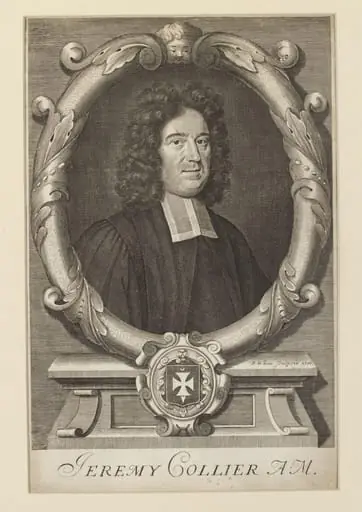 H Beard Print Collection
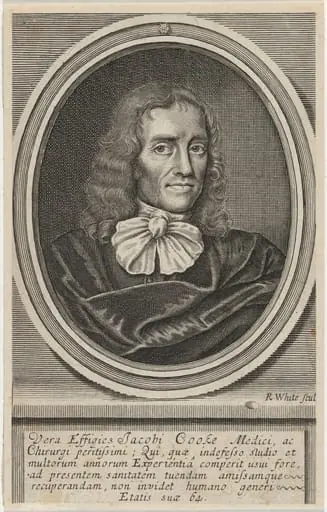 James Cooke
 Sir Robert Stapylton, Dramatic Poet and Translator
 Portrait of Salomon van Til, Theologian
 Thierry Bignon
 William Bates, D.D.
 William Van Haren