Artwork
Edward Montagu, First Earl of Sandwich
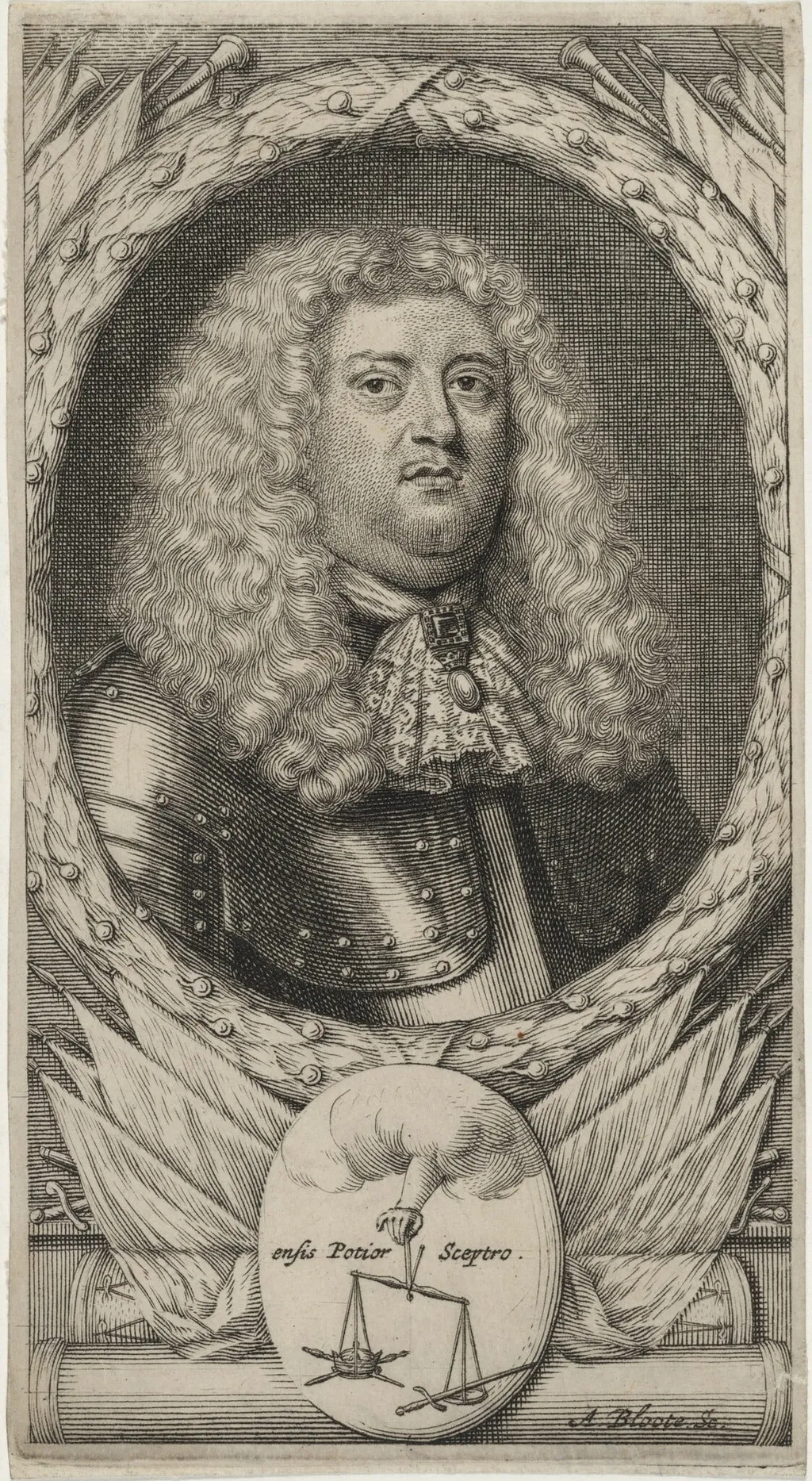
Edward Montagu, First Earl of Sandwich is an ink print by the Baroque artist Abraham Blooteling. It dates from 1665 and is held in the collection of the National Gallery of Art.
About this work
Overview
The subject faces directly, his gaze steady, against a plain background that emphasizes his presence without distraction.
An engraving from 1665 by Abraham Blooteling depicts Edward Montagu, First Earl of Sandwich, in formal attire. Rendered with fine linear precision, the portrait conveys dignity through restrained composition and meticulous detail. The subject faces directly, his gaze steady, against a plain background that emphasizes his presence without distraction. The work belongs to a tradition of aristocratic portraiture that valued clarity and status over ornamentation.
Subject & Meaning
Edward Montagu, a naval commander and statesman, is portrayed with the gravitas befitting his rank. His attire—a high-collared dark coat and elaborate neck bow—signals nobility and adherence to courtly dress. The emblem below, featuring a hand holding a sword and a scale, alludes to justice and authority, reinforcing his role in public service. The Latin phrase above, meaning 'Power is the greater shield,' underscores the ideals of leadership he embodied.
Technique & Style
Blooteling employed fine engraving and cross-hatching to model form and texture, particularly in the fabric of the coat and the curls of the hair. The technique allows subtle gradations of light and shadow, lending volume without color. The background remains uniformly dark, focusing attention on the figure’s silhouette and facial expression. The precision of the lines reflects the technical mastery expected in portraiture of the period.
History & Provenance
Created in 1665, the engraving likely served as a diplomatic or commemorative image, circulated among political and naval circles. Blooteling, a Dutch engraver active in England, was known for reproducing portraits of prominent figures. The work may have been commissioned to affirm Montagu’s status following his role in the Second Anglo-Dutch War. Its survival suggests it was valued within elite collections of the late 17th century.
Context
In mid-17th-century England, engraved portraits were vital tools for disseminating the likenesses of the powerful, especially before photography. Montagu’s image aligns with a broader trend of using print to project authority and lineage. The emblematic symbolism and Latin inscription reflect classical influences still prevalent among the aristocracy, linking contemporary leadership to ancient ideals of governance and virtue.
Legacy
Though not widely reproduced today, the engraving remains a documented example of how aristocratic identity was visually constructed in Restoration England. Blooteling’s work contributed to the standardization of portraiture in print, influencing later engravers. The image preserves a specific moment in Montagu’s public life, offering insight into the visual language of power during a transformative era in British history.
Artist & collection

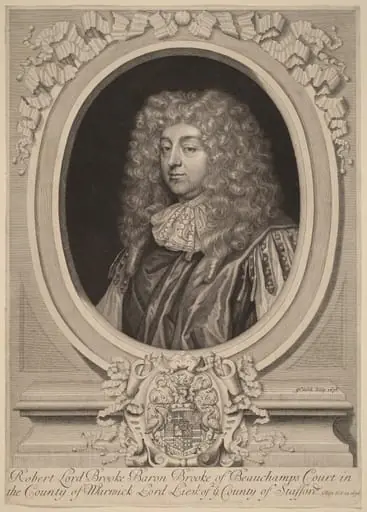 Robert Greville, Lord Brooke
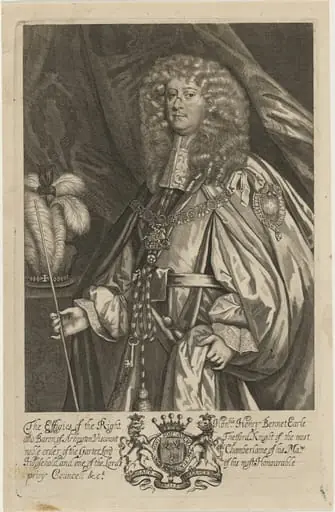 Henry Bennett, Earl of Arlington
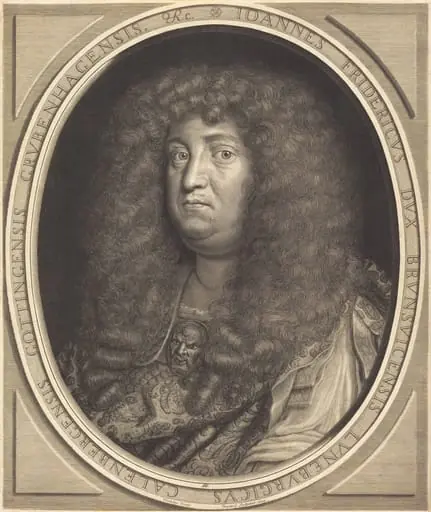 Jean-Frederic, Duc de Brunswick-Lunebourg (Hanover)
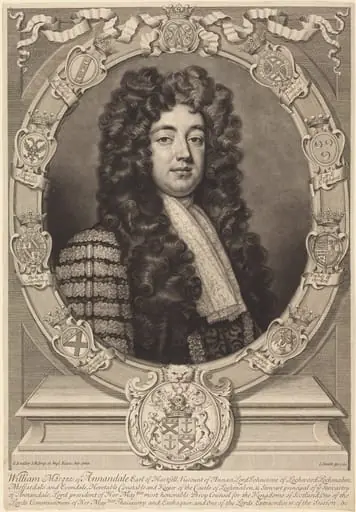 William Johnston, Marquess of Annandale
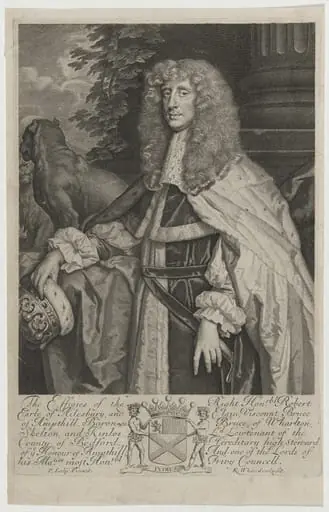 Robert Bruce, First Earl of Arlesbury
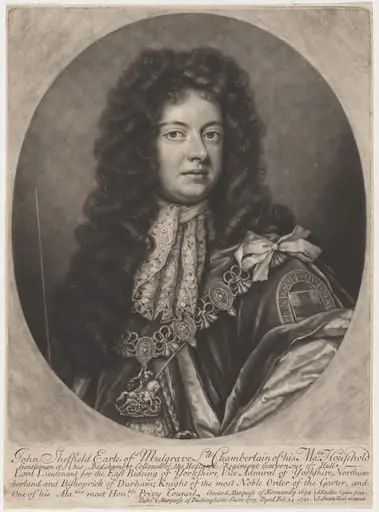 John Sheffield, Third Earl of Mulgrave, FirstDuke of Buckinghamshire
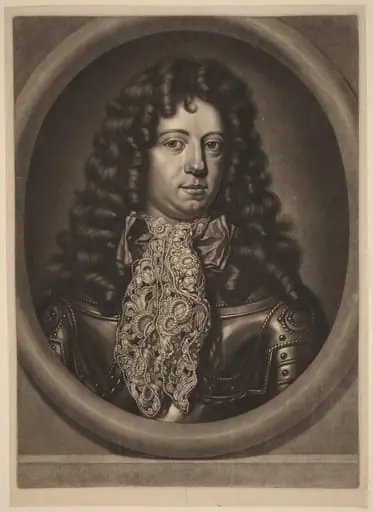 Hendrik Casimir II, Count of Nassau-Dietz
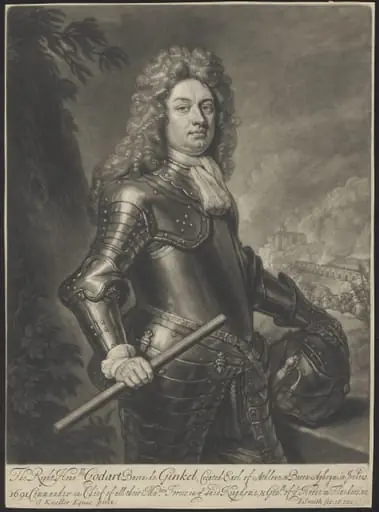 Portrait of Godart, Baron of Ginkel
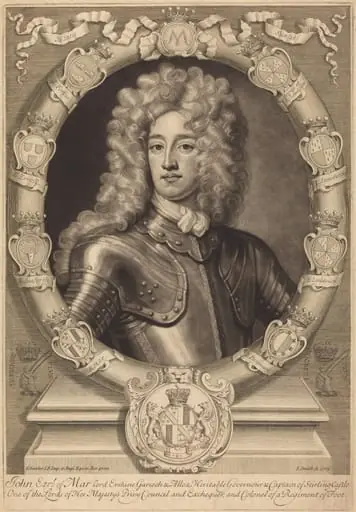 John, Earl of Mar, Lord Erskine
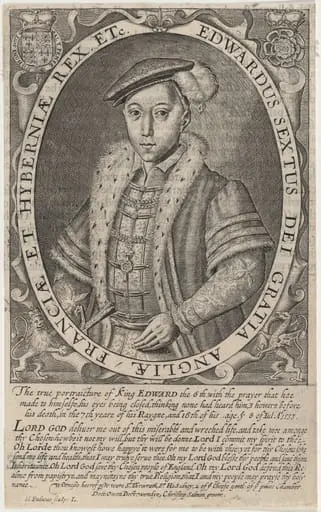 Edward VI