Artwork
Tête de Joseph (Head of Joseph)
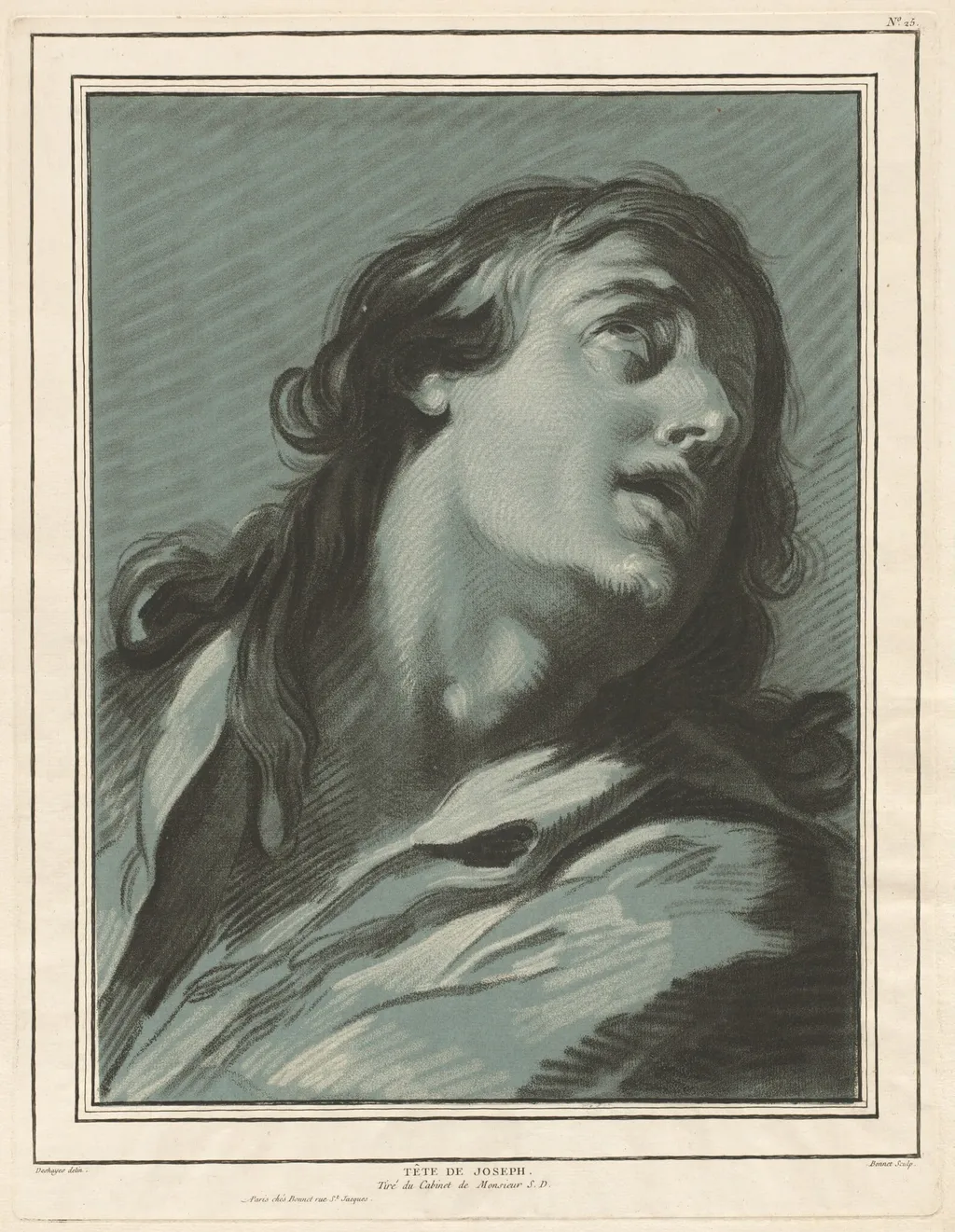
Tête de Joseph (Head of Joseph) is a chalk print by the Romanticist artist Louis-Marin Bonnet. It dates from 1773 and is held in the collection of the National Gallery of Art. Louis‑Marin Bonnet’s 1773 print Tête de Joseph presents a solitary male head rendered in chalk on blue‑laid paper.
About this work
Overview
Louis‑Marin Bonnet’s 1773 print Tête de Joseph presents a solitary male head rendered in chalk on blue‑laid paper. The image is reproduced from two plates in black and white, giving a stark, monochrome appearance against a muted blue‑gray background that isolates the figure.
Subject & Meaning
The composition depicts a man with his chin supported by his hand, his hair loosely arranged and a draped cloth falling over one shoulder. The pose, with the head turned slightly, suggests a moment of contemplation or repose, focusing attention on the facial expression and the play of light across his features.
Technique & Style
Bonnet employed a chalk manner, applying soft chalk strokes that convey a delicate, almost ethereal quality. The use of two printing plates allows for nuanced tonal variation, while the blue paper provides a subtle tonal counterpoint that enhances the contrast between the dark lines and the light areas.
History & Provenance
Created in 1773, the work belongs to the late‑eighteenth‑century French print tradition. It was produced as a printed study, likely intended for dissemination among artists and collectors interested in drawing techniques and the study of the human head.
Context
The print reflects contemporary interest in chiaroscuro and the study of anatomy, aligning with the academic practices of the period that emphasized drawing from life and the exploration of light and shadow to model form.
Artist & collection


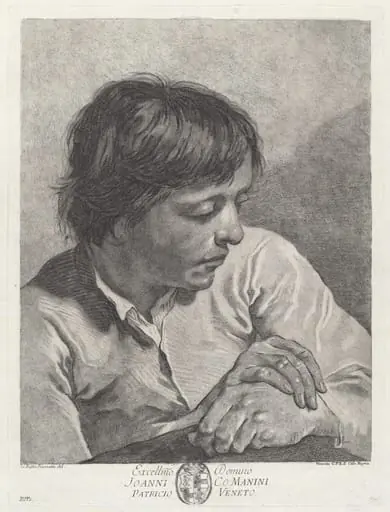 A Young Man with His Hands Crossed
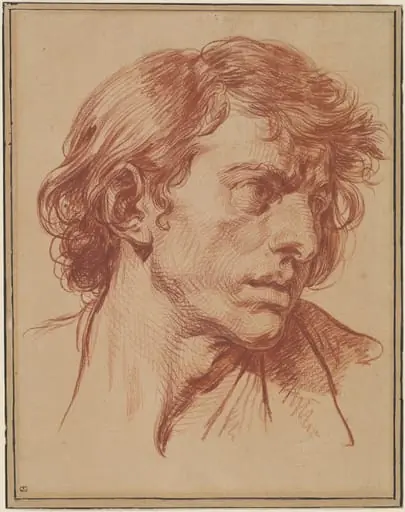 The Ungrateful Son
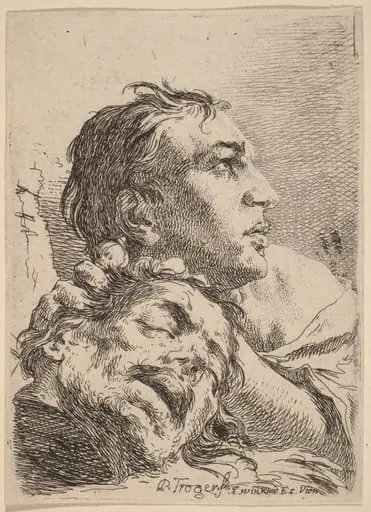 David with the Head of Goliath
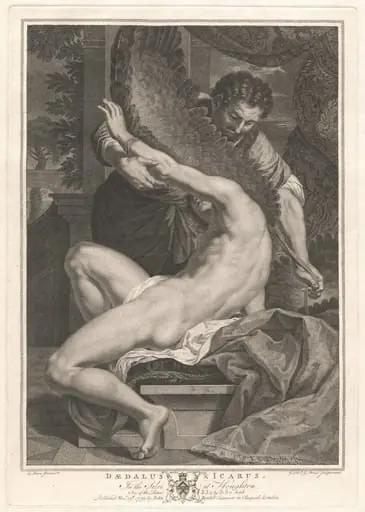 Daedalus and Icarus
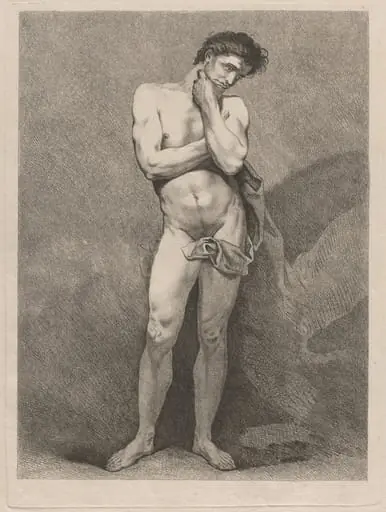 Standing Man in Pensive Pose
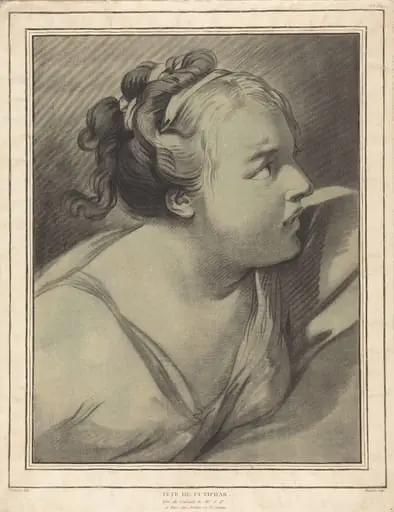 Tête de Putiphar (Potiphar's Wife)
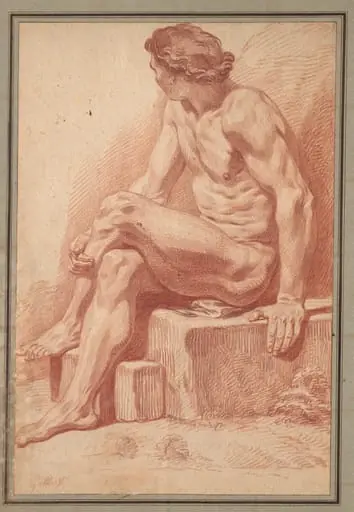 Seated Male Nude
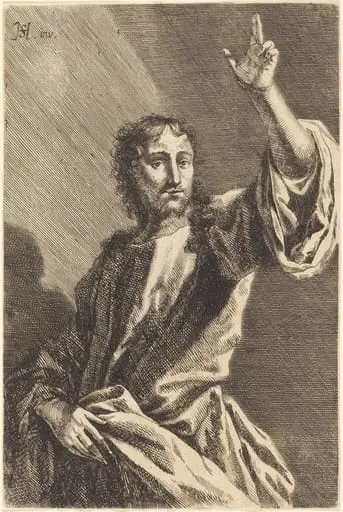 Christ the Savior
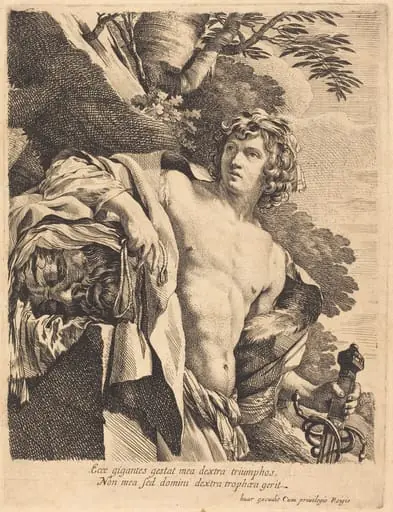 David with the Head of Goliath
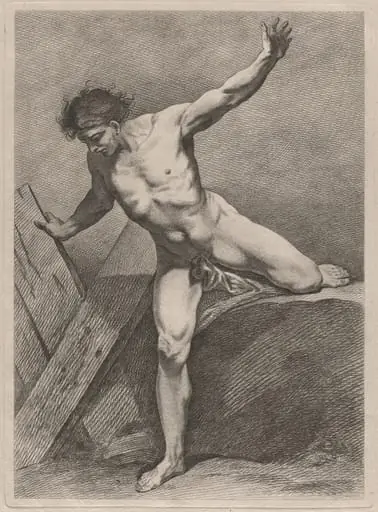 Climbing Man with Arms Outstretched
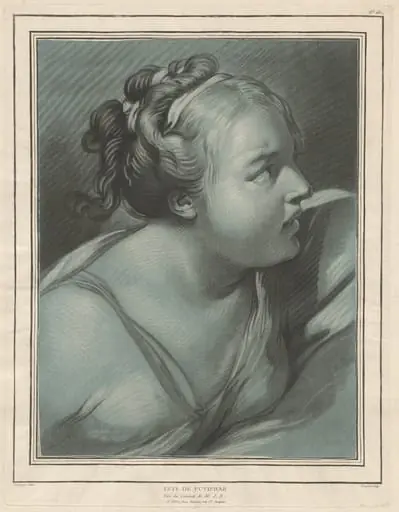 Tête de Putiphar (Head of Potiphar's Wife)
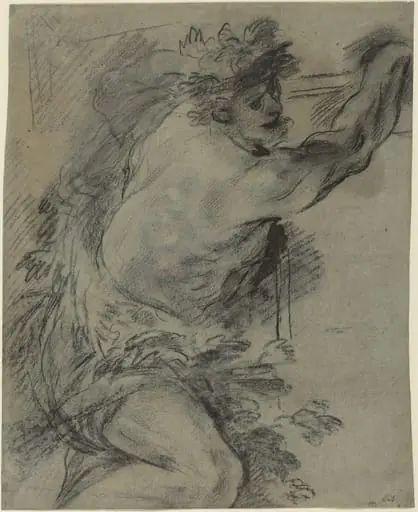 Bacchus