Artwork
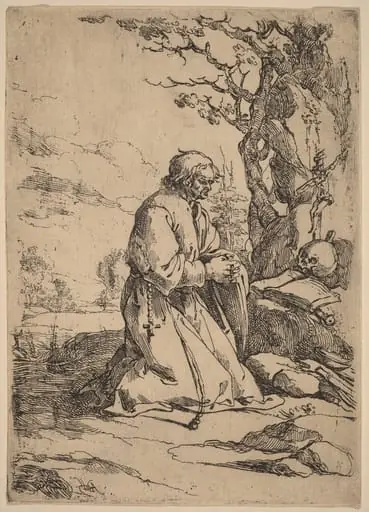
The Kneeling Hermit Facing Left
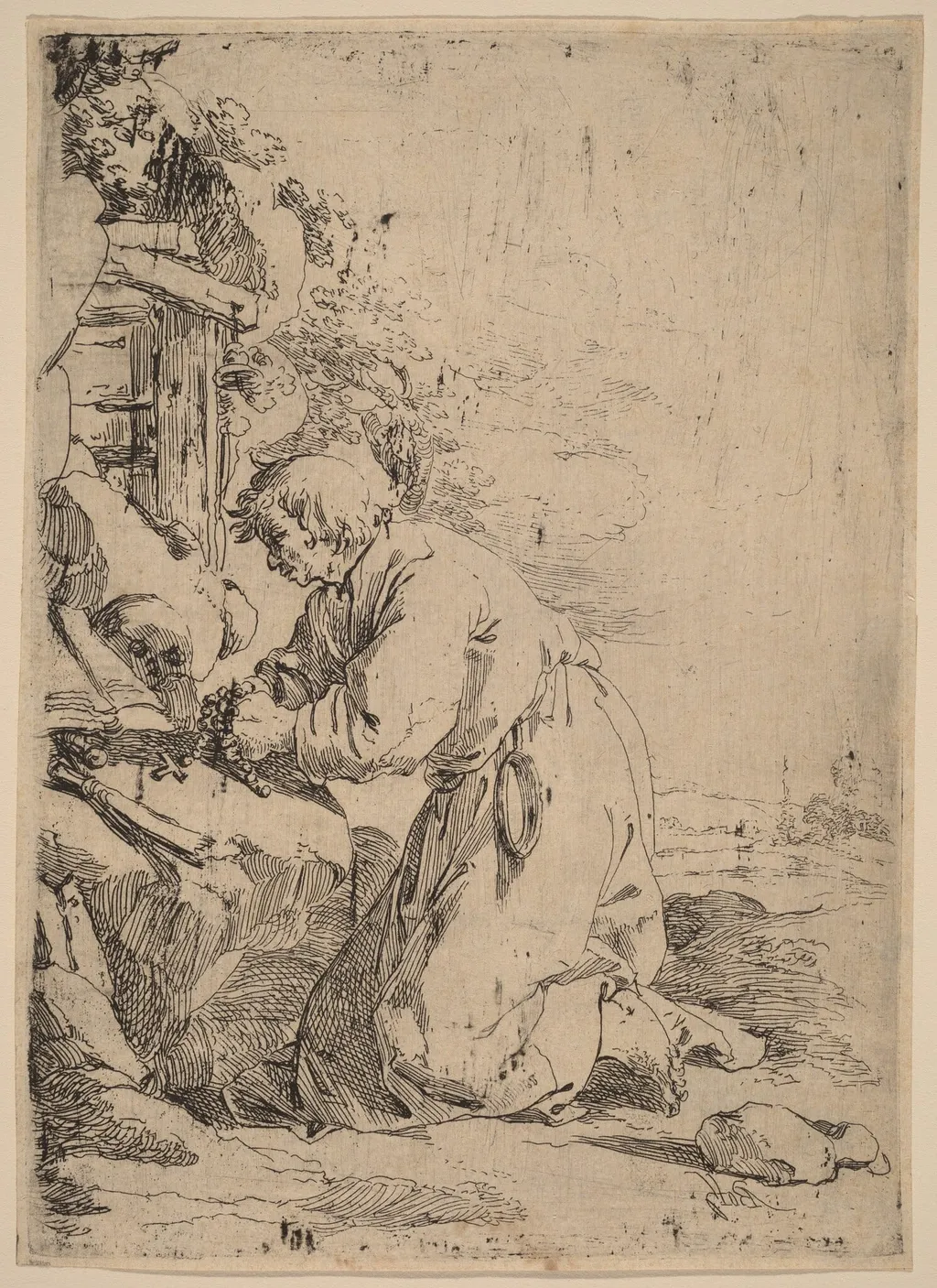
The Kneeling Hermit Facing Left is an ink print by the Baroque artist Andries Both. It dates from 1626 and is held in the collection of the National Gallery of Art.
About this work
Overview
Andries Both, a Dutch painter who worked in Rome during the early seventeenth century, produced the etching *The Kneeling Hermit Facing Left* in 1626. Executed as a single‑plate print, the work belongs to the bamboccianti tradition, a circle of Netherlandish artists known for portraying everyday scenes and modest figures rather than grand historical subjects.
Subject & Meaning
The image centers on a solitary figure knelt on a rugged outcrop, head bowed and hands clasped in a gesture of prayer or contemplation. The hermit’s simple robe clings to his body, and his disheveled hair suggests exposure to wind or emotional strain. The stark, tangled trees that loom behind him reinforce a sense of isolation and spiritual austerity.
Technique & Style
Both employed the etching process, incising lines into a copper plate with acid to produce a network of fine, scratchy marks. The drawing is characterized by rapid, uneven strokes that convey texture in the folds of cloth, the bark of the trees, and the rocky ground. This immediacy of line gives the print an urgent, hand‑drawn quality typical of bamboccianti works.
History & Provenance
Created in 1626, the print reflects Both’s integration into the Roman artistic community of Dutch expatriates. While specific ownership records are scarce, the work circulated among collectors of genre prints in the seventeenth century and later entered museum collections that focus on early modern European graphic art.
Artist & collection
Artist
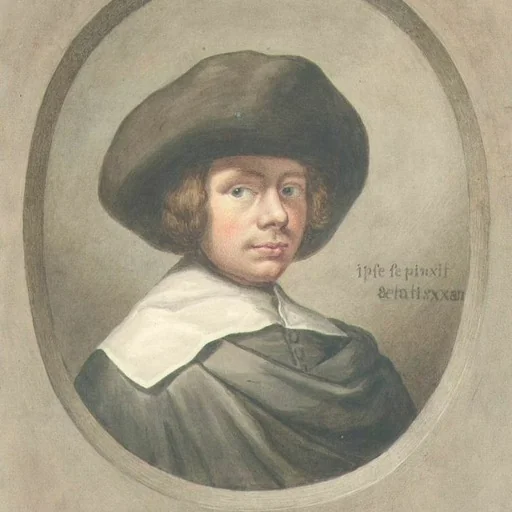
Andries Both (1612/1613 – 23 March 1642), was a Dutch genre painter. He was part of the group of Dutch and Flemish genre painters active in Rome in the 17th century known as the bamboccianti, who painted scenes from the…

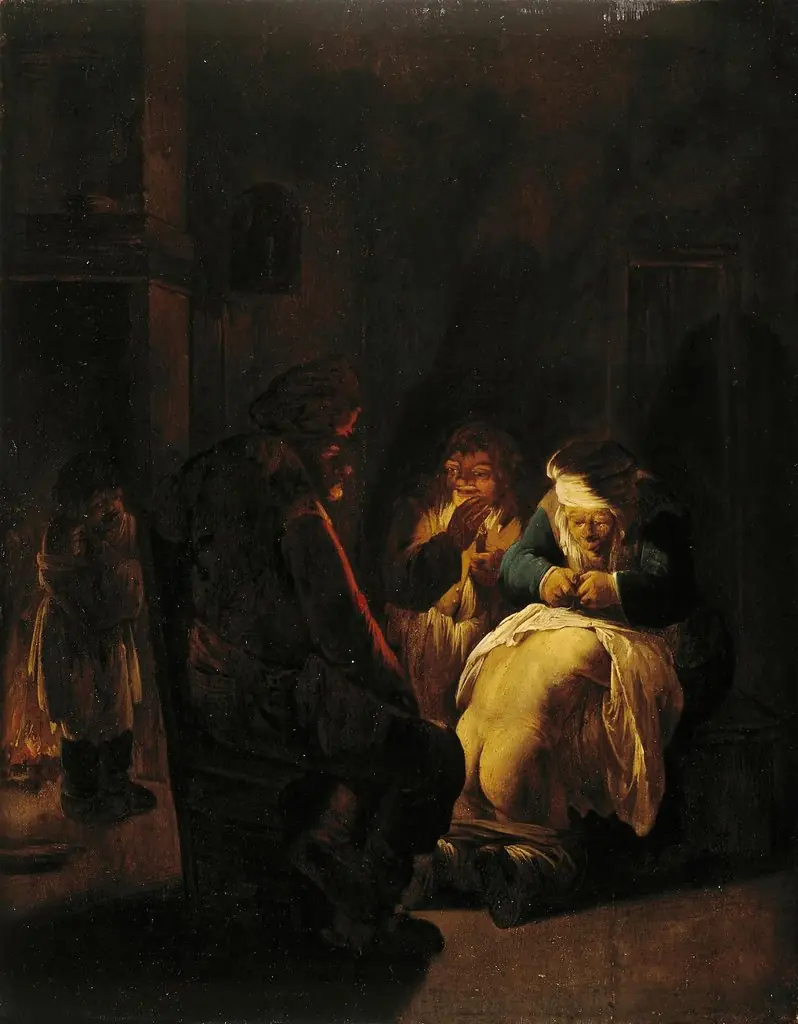
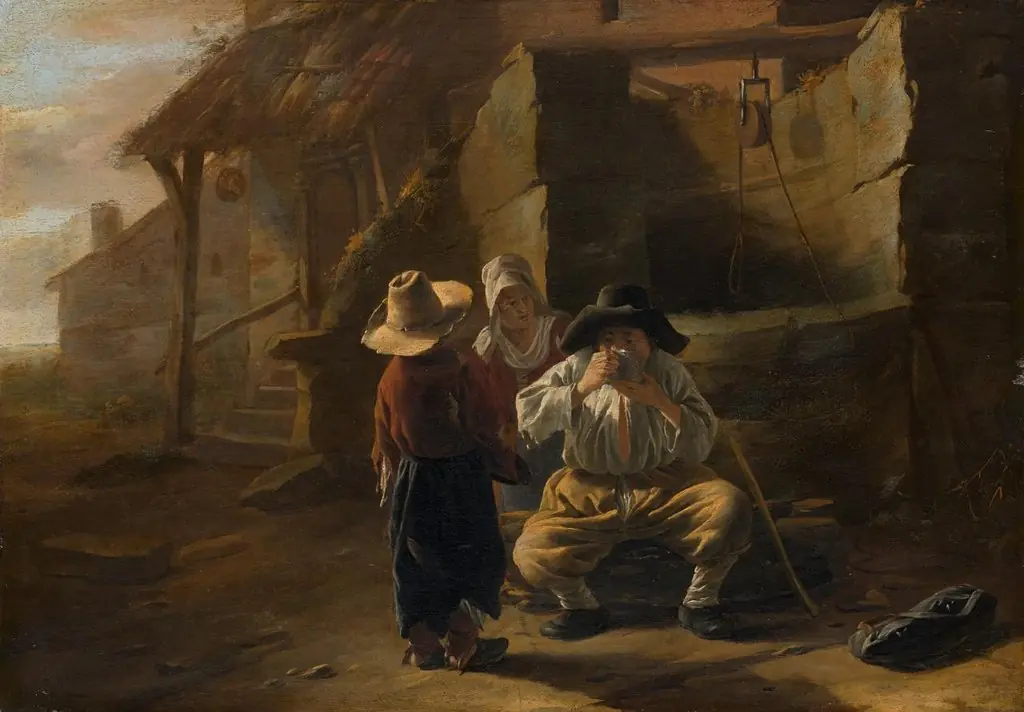
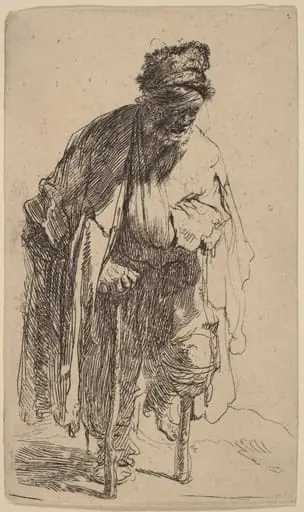 Beggar with a Wooden Leg
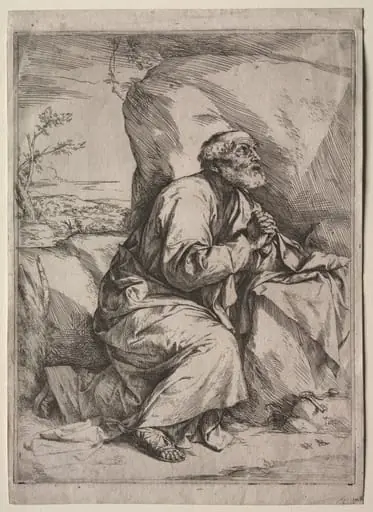 The Penitent St. Peter
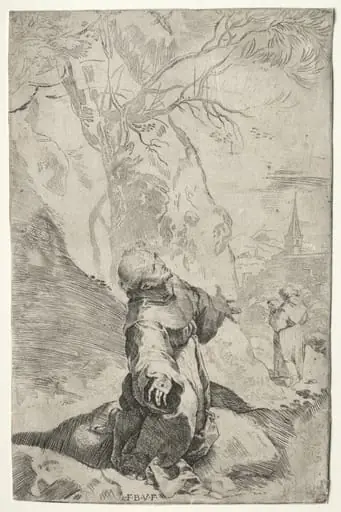 St. Francis Receiving the Stigmata
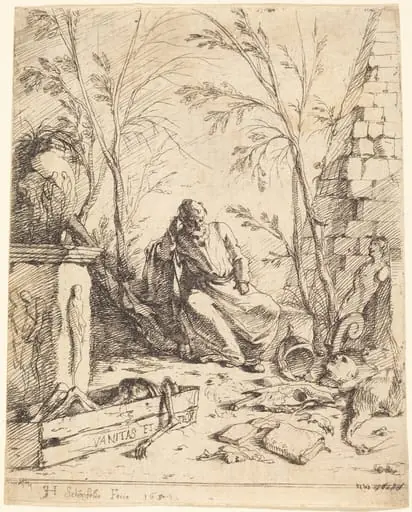 Democritus Meditating
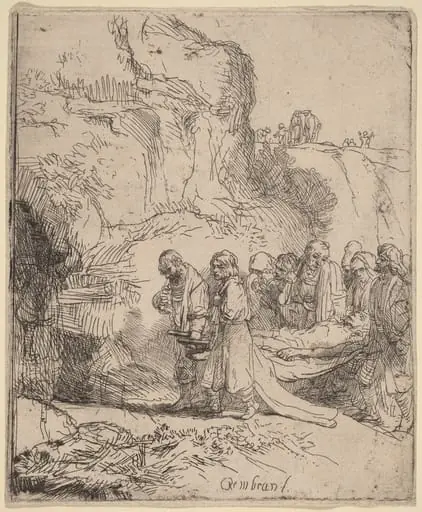 Christ Carried to the Tomb
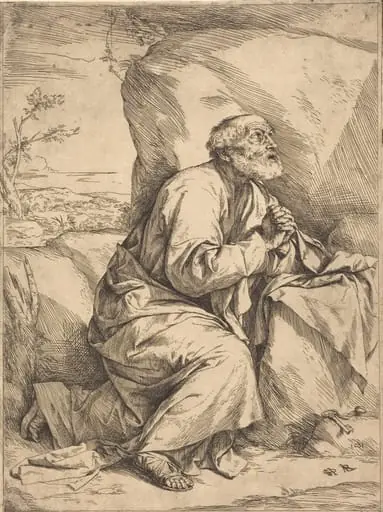 The Penitence of Saint Peter
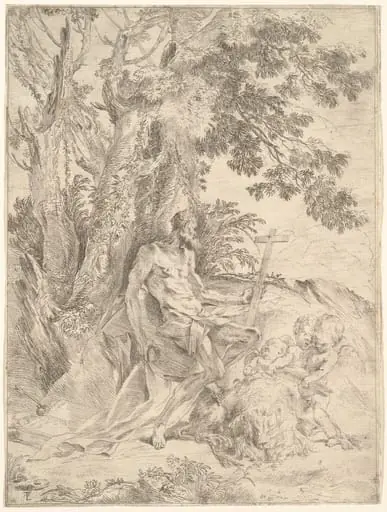 Saint Jerome
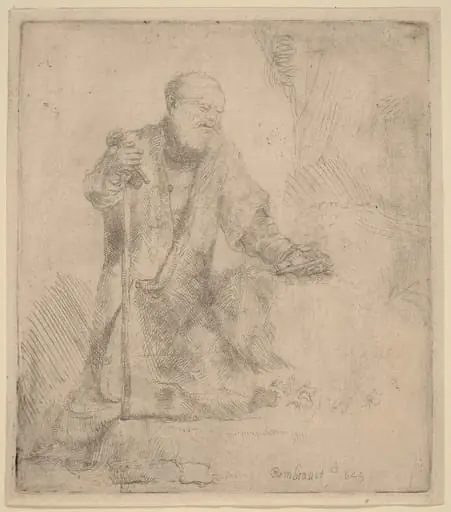 Saint Peter in Penitence
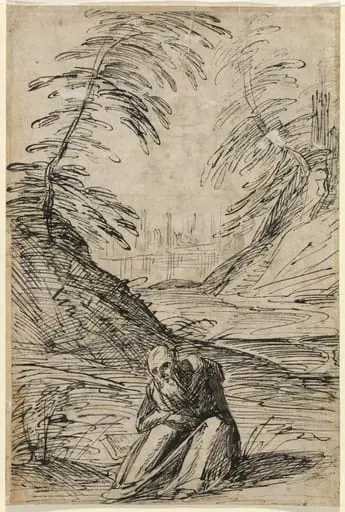 Desert Landscape with a Hermit (verso)
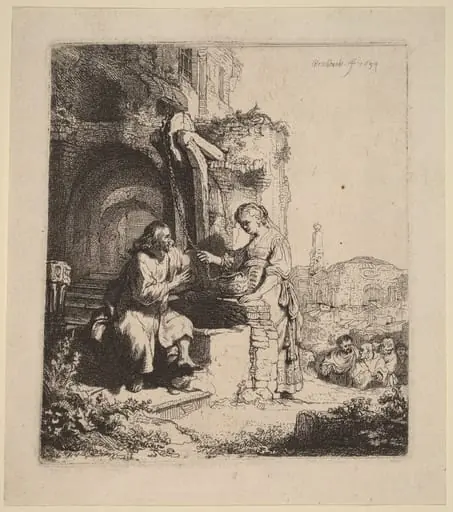 Christ and the Woman of Samaria Among Ruins
 The Kneeling Hermit Facing Right
 The Blind Fiddler