Artwork
Gibralter
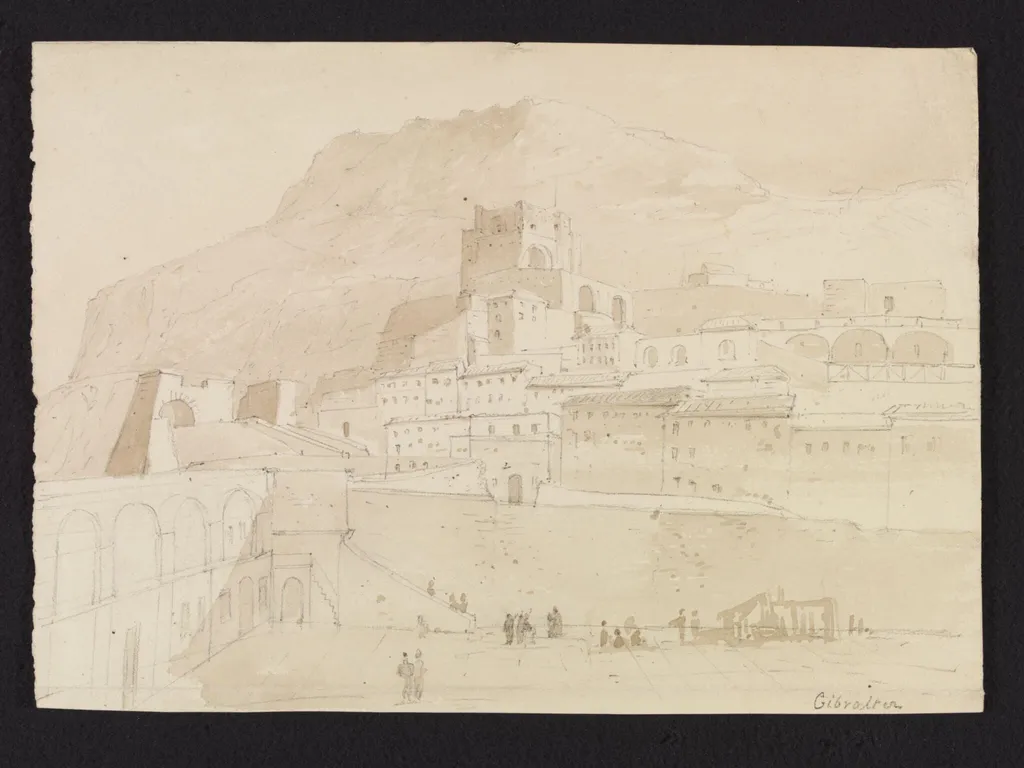
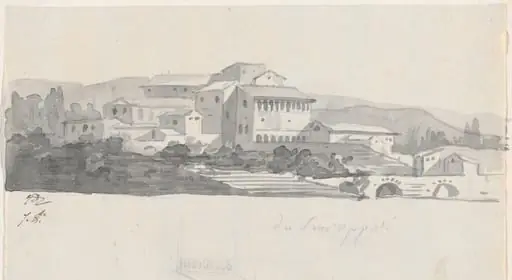
Gibralter is a watercolor work on paper by the British Romanticist artist Selina Bracebridge. It dates from 1825 and is held in the collection of the Victoria and Albert Museum.
About this work
Overview
Painted in 1825 by Selina Bracebridge, this watercolour captures a view of Gibraltar’s rugged coastline. The work is a spontaneous travel sketch, rendered in light pencil and translucent washes, conveying the immediacy of observation rather than formal completion. Its modest scale and unpolished handling reflect the practice of amateur artists documenting journeys during the early 19th century.
Subject & Meaning
The composition centers on the towering Rock of Gibraltar, its steep slopes dotted with clustered buildings featuring arched openings and a prominent tower near the summit. A narrow path winds below, populated by small figures near a modest harbor. The scene suggests a quiet, lived-in port town, emphasizing human presence within a dramatic natural setting without overt narrative or symbolism.
Technique & Style
Bracebridge employed loose pencil lines and diluted watercolor washes to suggest form and shadow, avoiding detailed rendering. The texture of the rockface and buildings is implied through uneven strokes and layered tints, creating a sense of depth without precision. The work’s sketchlike quality aligns with the conventions of topographical drawing common among travelers of the period.
History & Provenance
The watercolour entered the Victoria and Albert Museum’s collection through a joint acquisition supported by The Art Fund, the National Heritage Memorial Fund, Shell International, and the Friends of the V&A. Its inclusion reflects institutional interest in preserving personal records of 19th-century travel and the role of amateur artists in documenting the British Empire’s landscapes.
Context
During the 1820s, British travelers frequently visited Gibraltar as a strategic outpost and scenic destination. Amateur artists like Bracebridge produced sketches not for exhibition but as personal mementos. This work fits within a broader tradition of watercolour travel journals, where topography and daily life were recorded with minimal embellishment.
Legacy
Though not widely known, Bracebridge’s sketch contributes to the historical record of how non-professionals engaged with imperial landscapes. Its preservation at the V&A underscores the value placed on such personal documents, offering insight into the visual culture of travel and the quiet observation of place beyond official narratives.
Artist & collection
Artist

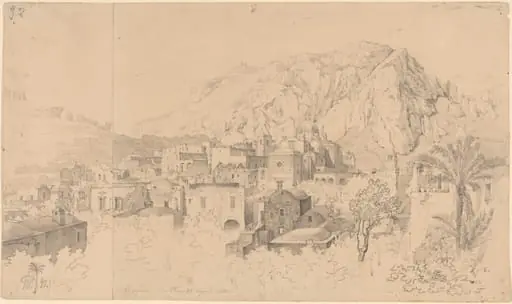 View of Capri
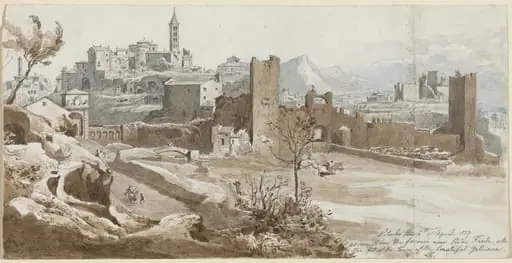 Viterbo
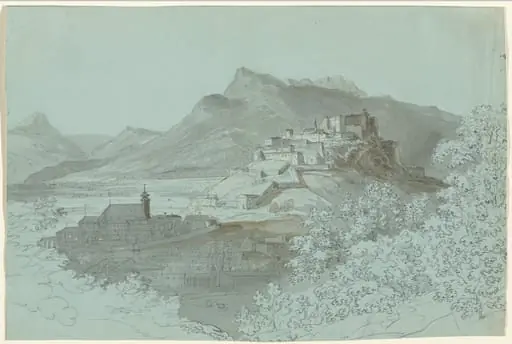 View of Salzburg
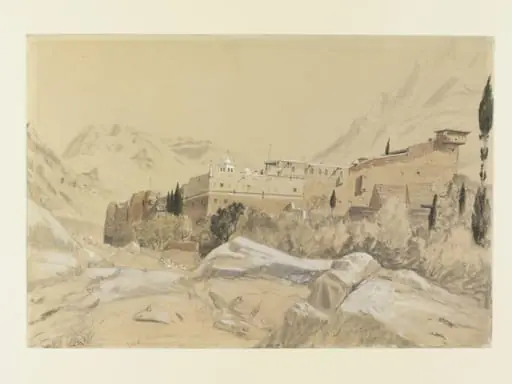 The Convent, Mount Sinai
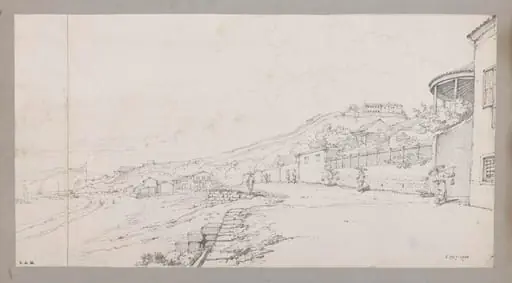 Part of Macao Bay, looking west
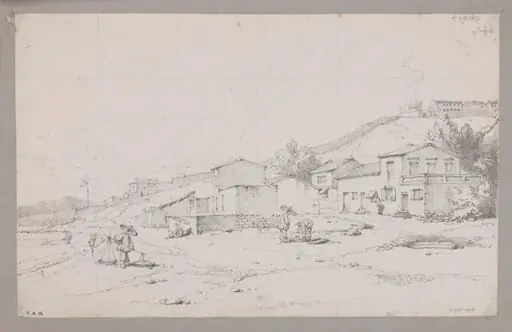 Dr. Colledge's original Hospital at Macao
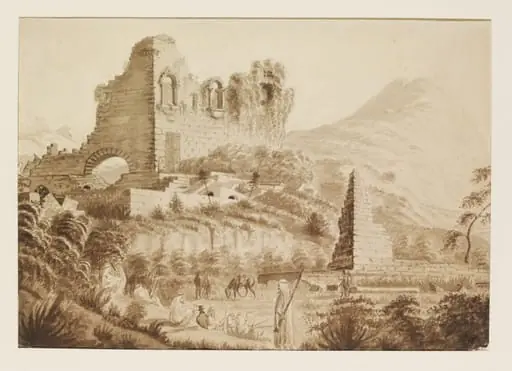 Villa Sevillana on the Road from Bona to Constantine
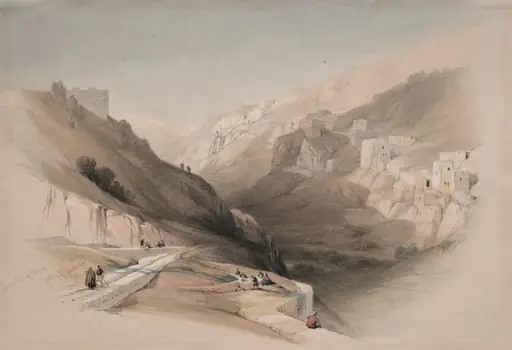 Lower Pool of Siloam, Valley of Jehoshaphat
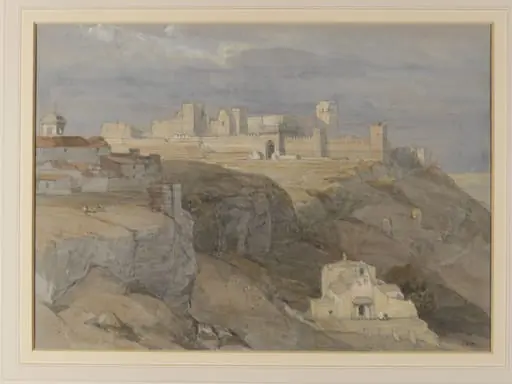 The Alcazar of Carmona, Andalusia
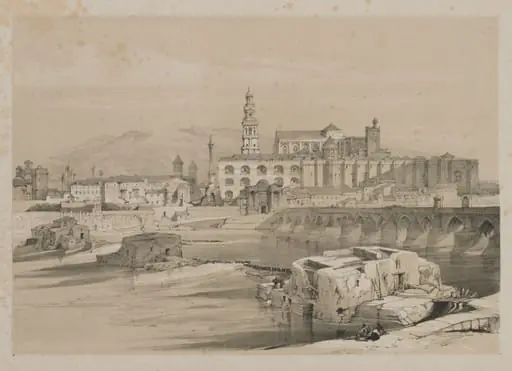 Picturesque Sketches in Spain: Remains of a Roman Bridge on the Guadalquiver, Cordova
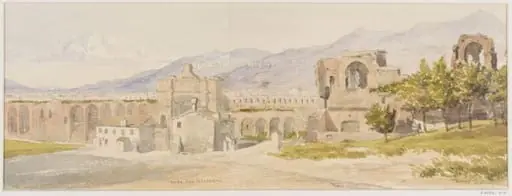 Porta San Giovanni and Porta Asinaria, Rome
 Roman Buildings on a Hill